
Gorilla Trekking Tourism Uganda & Rwanda: Tips, Tours & Permits Guide 2026
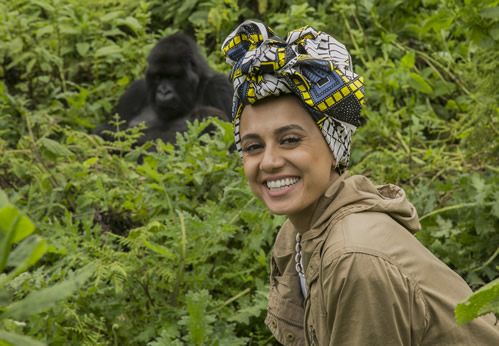
Gorilla Trekking Tourism Uganda & Rwanda: Imagine standing just a few meters away from one of the world’s most majestic and critically endangered creatures—the mountain gorilla.
Uganda and Rwanda offer this once-in-a-lifetime adventure, drawing wildlife enthusiasts, photographers, and eco-conscious travelers from across the globe.
Both countries are home to thriving populations of mountain gorillas, protected in lush national parks recognized as UNESCO World Heritage Sites, including Bwindi Impenetrable Forest and Volcanoes National Park.
Gorilla trekking here is more than a safari; it’s an immersive experience that combines adventure, conservation, and cultural discovery. Trek through dense tropical forests, navigate scenic mountain trails, and witness gorilla families in their natural habitat, all under the guidance of trained local rangers.
These experiences not only leave visitors in awe but also directly support conservation initiatives and community development projects, ensuring the survival of these incredible animals for generations to come.
Ranked among the top wildlife tourism destinations in Africa, Uganda and Rwanda offer safe, accessible, and unforgettable trekking experiences that appeal to travelers from the USA, Europe, Asia, the UK, India, and beyond.
Whether it’s your first safari or a bucket-list wildlife adventure, gorilla trekking promises memories that last a lifetime.
Why Gorilla Trekking is a Must-Do Adventure
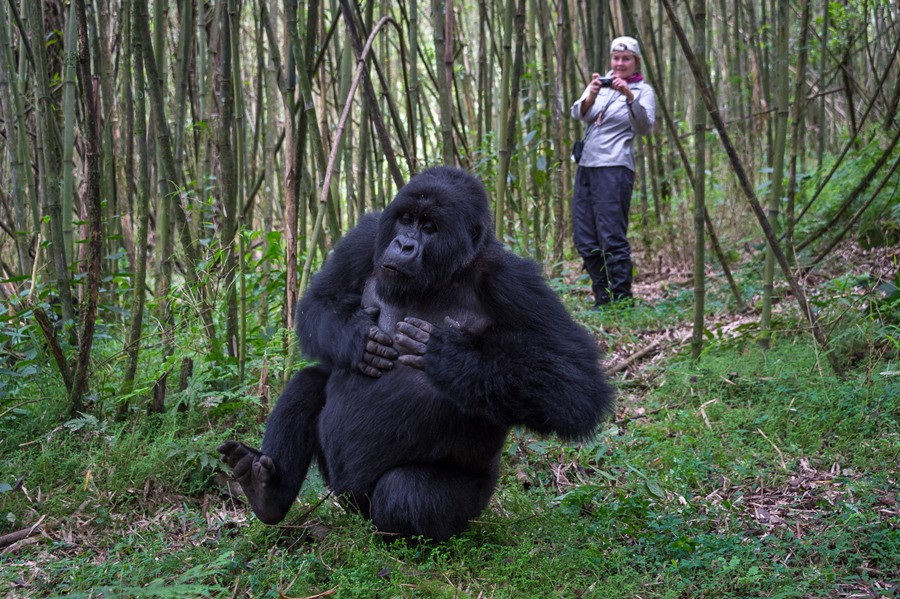
Gorilla trekking is more than a wildlife excursion; it is a rare opportunity to witness one of the planet’s most iconic and critically endangered species—the mountain gorilla—in its natural habitat.
Found primarily in the Virunga Mountains that stretch across Uganda, Rwanda, and the Democratic Republic of Congo, as well as in Uganda’s Bwindi Impenetrable Forest and Rwanda’s Volcanoes National Park, these gentle giants live in lush, high-altitude forests that are as breathtaking as the wildlife itself.
Trekking through these forests allows travelers to experience untouched natural beauty, from mist-covered mountains to vibrant flora, while observing gorilla families as they forage, play, and interact.
Beyond the awe-inspiring encounter, gorilla trekking carries immense conservation significance. Mountain gorillas are critically endangered, with fewer than 1,100 individuals remaining in the wild.
Every trek contributes directly to conservation efforts, as permit fees and tourism revenue fund anti-poaching patrols, habitat preservation, and community development projects.
This sustainable tourism model ensures that local communities benefit from the presence of wildlife, creating a shared incentive to protect gorillas and their forested homes.
The adventure is also deeply personal. Trekking demands physical stamina and patience, as gorilla families may be located across steep terrains or dense forests.
The reward, however, is unforgettable—a close-up encounter with a gorilla family, observing the intelligence and social bonds of these magnificent animals, often just a few meters away.
For international travelers from the USA, UK, Europe, India, and Asia, gorilla trekking offers a unique combination of adventure, education, and environmental stewardship.
It’s an experience that connects humans to nature in the most profound way, leaving lasting memories while supporting the preservation of one of Africa’s most treasured species.
Simply put, no wildlife adventure is complete without the life-changing experience of gorilla trekking in Uganda or Rwanda.
Best Gorilla Trekking Destinations in Uganda & Rwanda
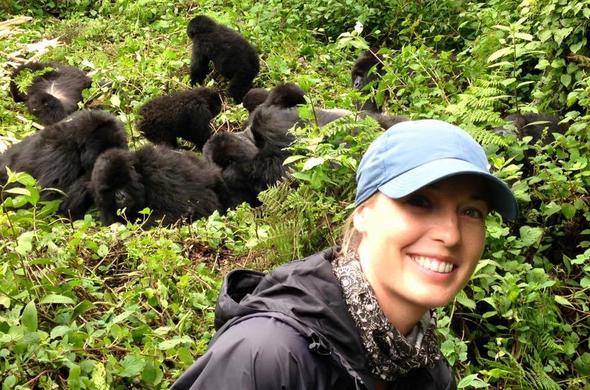
Uganda and Rwanda are renowned for their exceptional gorilla trekking experiences, offering travelers a chance to encounter mountain gorillas in some of Africa’s most pristine and biodiverse forests.
Each park provides unique landscapes, wildlife encounters, and cultural experiences, making them a top choice for international tourists seeking adventure, nature, and conservation-focused tourism.
Uganda – Bwindi Impenetrable Forest
Bwindi Impenetrable Forest, a UNESCO World Heritage Site, is arguably Uganda’s most famous gorilla trekking destination.
Home to over half of the world’s remaining mountain gorillas, the park offers visitors the chance to observe multiple gorilla families in dense, lush forests teeming with wildlife and diverse plant species.
Accessibility to Bwindi is convenient for international travelers, with Kisoro and Kabale serving as the main gateway towns.
From these towns, visitors can access well-maintained roads leading to the park headquarters, where guided treks begin.
While flights from Entebbe International Airport to Kisoro are available, road transfers also provide scenic views of Uganda’s rolling hills and local communities.
The best seasons to visit are during the dry months, from June to September and December to February, when trails are less muddy and trekking conditions are optimal.
During these periods, gorilla sightings are more predictable, and photography conditions are ideal.
Uganda – Mgahinga Gorilla National Park
Located in southwestern Uganda, Mgahinga Gorilla National Park is smaller and less crowded than Bwindi, making it perfect for travelers seeking a more intimate experience.
The park is home to several gorilla families as well as the rare golden monkeys, offering additional wildlife viewing opportunities.
Trekking in Mgahinga can be moderately challenging due to the hilly terrain, but guided tours are designed to accommodate various fitness levels.
Typical trek durations range from 2 to 6 hours, depending on gorilla locations and group pace.
The park’s smaller size and fewer visitors ensure a peaceful encounter with gorillas, making it ideal for photography enthusiasts and nature lovers seeking a serene trekking experience.
Rwanda – Volcanoes National Park
Rwanda’s Volcanoes National Park is globally famous as the heart of mountain gorilla conservation and home to some of the most iconic gorilla families, such as the Susa and Sabinyo groups.
Visitors enter the park via Kigali, Rwanda’s capital, which is just a 2-3 hour drive from the park, making logistics straightforward for international travelers.
In addition to gorilla trekking, Volcanoes National Park offers combined tours, including visits to golden monkeys, hiking the scenic volcanoes, and exploring the Dian Fossey Gorilla Fund’s research center.
Trekking here ranges from 2 to 5 hours, with professional rangers guiding tourists through lush forests and volcanic slopes.
The park’s accessibility, well-maintained trails, and rich biodiversity make it a must-visit destination for global travelers seeking an unforgettable gorilla encounter.
Each of these destinations combines wildlife adventure, conservation support, and cultural exposure, making gorilla trekking in Uganda and Rwanda a once-in-a-lifetime experience that appeals to tourists from the USA, UK, Europe, India, and Asia.
How to Book Gorilla Trekking Tours
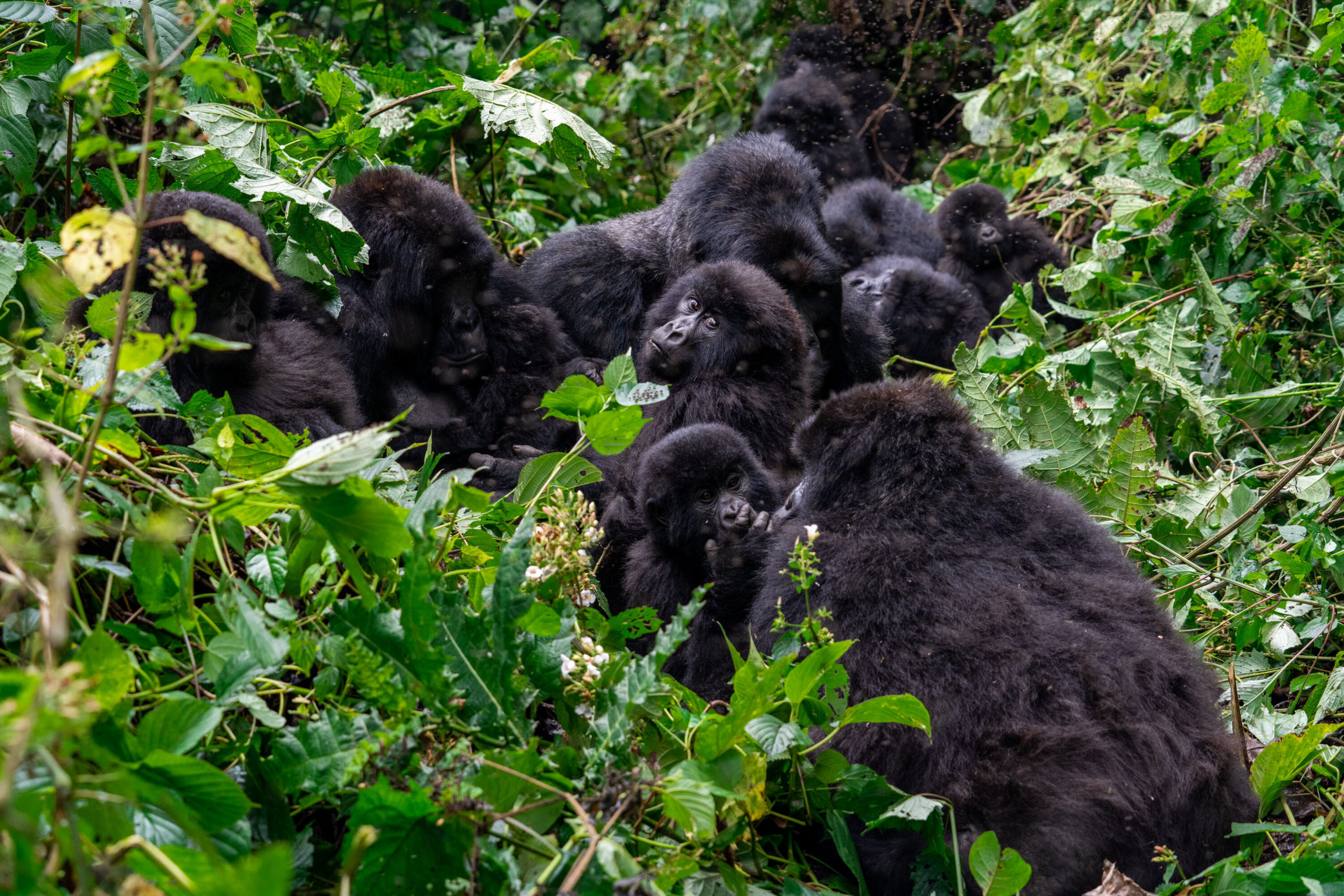
Booking a gorilla trekking tour in Uganda or Rwanda is a crucial step in planning an unforgettable wildlife adventure.
With mountain gorillas being critically endangered, visitor numbers are strictly regulated, making early planning essential to secure permits and ensure a smooth experience.
Gorilla Permits – Cost, Availability, and Tips
A gorilla trekking permit is mandatory for all visitors.
In Uganda, permits currently cost $800 per person for foreign non-residents, while in Rwanda, they are approximately $1,500 per person.
These fees fund conservation efforts, park management, and community development.
Permits are limited and sold on a first-come, first-served basis, especially during peak seasons (June–September and December–February).
Booking your permit 3–6 months in advance is highly recommended to guarantee availability and preferred trekking dates.
Recommended Tour Operators for International Travelers
For international tourists, booking through reputable tour operators ensures a hassle-free experience.
Trusted companies provide:
-
Airport transfers from Entebbe (Uganda) or Kigali (Rwanda).
-
Accommodation bookings near park headquarters.
-
Guided treks with certified rangers.
-
Additional safari experiences, including wildlife drives and cultural tours.
Operators often cater to USA, UK, Europe, India, and Asian travelers, offering customized itineraries to suit different budgets and interests.
Online Bookings vs. Travel Agents – Pros & Cons
Online bookings are convenient and allow you to compare prices, read reviews, and secure permits directly through official park portals or tour company websites.
However, this requires careful planning and understanding of park regulations.
Travel agents provide personalized service, handle all logistics, and may offer package deals including accommodation, transport, and multi-day safaris.
While more expensive, they are ideal for travelers seeking stress-free planning, especially first-time visitors.
Tour Packages – 1-Day, 2-Day, and Luxury Options
-
1-Day Trek Packages: Ideal for travelers on tight schedules; typically includes a guided trek and return transfers.
-
2-Day Safari Packages: Combine gorilla trekking with scenic hikes, cultural experiences, and overnight stays near the park.
-
Luxury Tours: Offer high-end lodges, private guides, gourmet meals, and exclusive trekking experiences with smaller groups.
By planning ahead, choosing the right operator, and selecting a package suited to your needs, gorilla trekking becomes a seamless and life-changing adventure.
Proper preparation ensures that travelers from USA, UK, Europe, India, and Asia can enjoy the rare privilege of observing mountain gorillas while supporting vital conservation efforts.
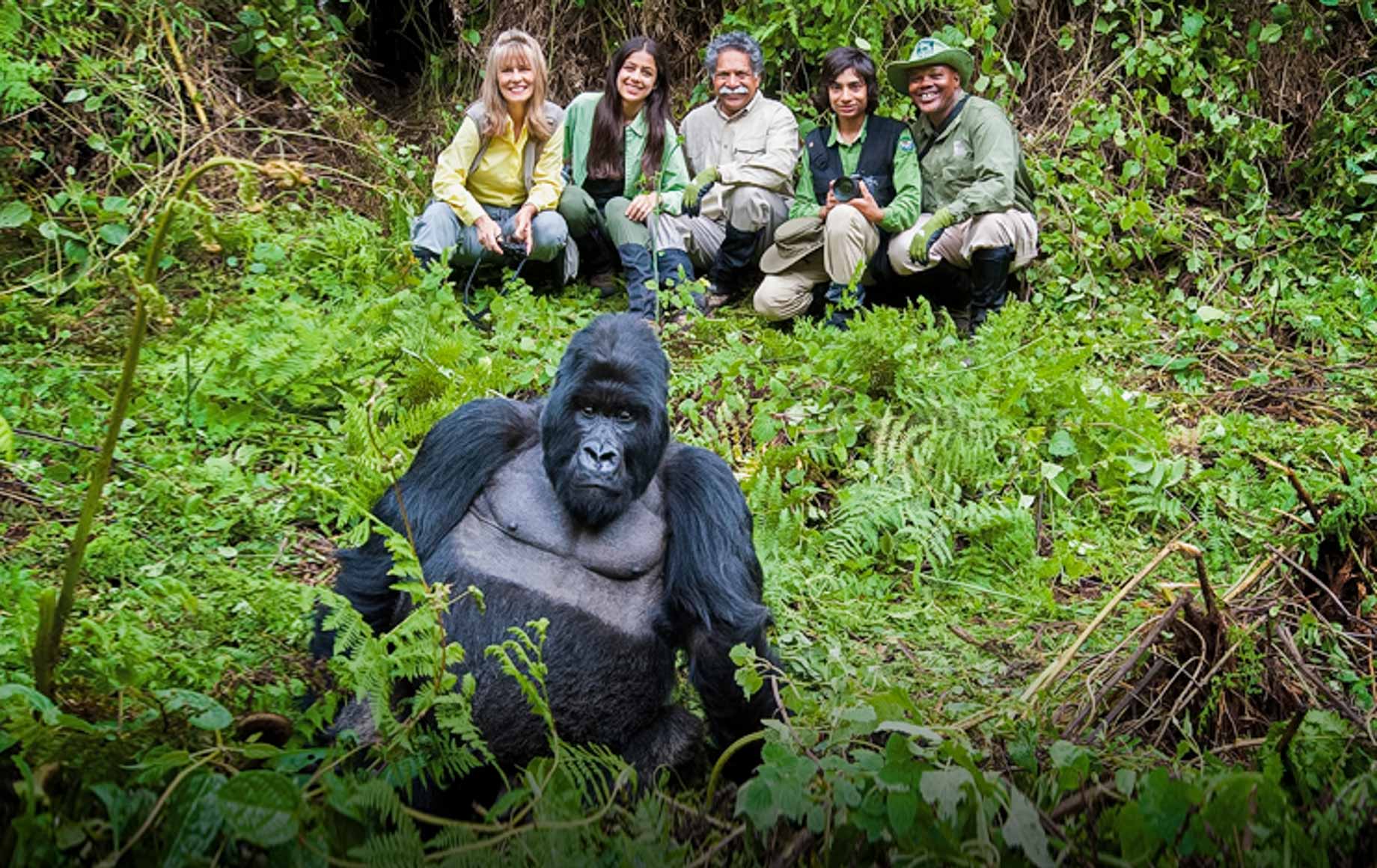
Gorilla Trekking Tips for International Travelers
Gorilla trekking in Uganda and Rwanda is a rewarding but physically engaging experience, and proper preparation ensures you enjoy it to the fullest.
Whether you are traveling from the USA, UK, Europe, India, or Asia, understanding what to expect will help you stay comfortable, safe, and confident throughout the trek.
Fitness & Preparation: Trekking Difficulty Levels
Gorilla trekking involves hiking through dense rainforest, steep hills, and sometimes muddy terrain.
Treks can last anywhere from 2 to 6 hours, depending on the location of the gorilla family.
While no advanced fitness is required, travelers should have a moderate level of physical fitness.
Regular walking, light hiking, and cardio exercises before your trip will greatly improve endurance.
Porters are available at the park entrance and are highly recommended—they assist with carrying backpacks and provide support on challenging sections of the trail.
Packing Essentials: What to Bring
Packing correctly is essential for a successful trek.
Key items include sturdy hiking boots with good ankle support, long-sleeved shirts and trousers to protect against insects and vegetation, and a lightweight rain jacket, as weather can change quickly.
Gloves are useful for gripping vegetation on steep slopes.
For photography enthusiasts, a DSLR or mirrorless camera with a zoom lens is ideal, but flash photography is strictly prohibited.
A small daypack, reusable water bottle, and energy snacks are also recommended.
Health & Safety Considerations
Health safety is a top priority during gorilla trekking. Visitors should be in good health, as gorillas share many human illnesses.
Commonly recommended vaccinations include yellow fever, hepatitis, and typhoid.
The trekking areas are located at high altitudes, especially in Bwindi and Volcanoes National Park, so travelers should take time to acclimatize and stay hydrated.
Following ranger instructions at all times ensures both visitor and gorilla safety.
Photography Tips – Ethical Wildlife Encounters
Capturing photos of mountain gorillas is unforgettable, but ethical guidelines must be followed.
Maintain a minimum distance of 7 meters, avoid sudden movements, and keep voices low.
Flash photography is prohibited as it can disturb gorillas.
By respecting these rules, travelers contribute to responsible tourism and help preserve the natural behavior of these magnificent animals.
With the right preparation and mindset, gorilla trekking becomes a truly life-changing experience—one that blends adventure, conservation, and deep respect for wildlife.
Travel Logistics – How to Get There
Planning your journey to Uganda or Rwanda for gorilla trekking is straightforward, thanks to well-established travel infrastructure and reliable tourism services. Understanding entry points, visa requirements, transport options, and accommodation choices will help ensure a smooth and stress-free safari experience for international travelers.
Major Entry Points
Most visitors arrive via Entebbe International Airport (EBB) in Uganda or Kigali International Airport (KGL) in Rwanda.
Entebbe Airport serves as the primary gateway to Uganda and connects directly to major international hubs in Europe, the Middle East, and Africa.
From Entebbe, travelers typically transfer by road or domestic flight to Bwindi Impenetrable Forest or Mgahinga Gorilla National Park.
Kigali International Airport is the main entry point for Rwanda and is especially popular due to its proximity to Volcanoes National Park, which is only a 2–3 hour drive away.
This short travel time makes Rwanda an excellent option for travelers with limited time.
Visa Requirements for International Travelers
Uganda and Rwanda offer convenient visa options for tourists from the USA, UK, European Union, India, and most Asian countries.
Visitors can apply for e-visas online before arrival or obtain visas on arrival, depending on nationality.
The East Africa Tourist Visa is highly recommended, as it allows travel between Uganda, Rwanda, and Kenya on a single visa—ideal for combined safari itineraries.
Passports must be valid for at least six months beyond the travel date.
Local Transport Options
Once in-country, travelers can choose from several transport options.
- Private transfers with professional drivers are the most popular and comfortable choice, offering flexibility and scenic routes to the parks.
- Car hire services, including 4×4 vehicles, are ideal for self-drive travelers seeking independence.
- Scheduled shuttle services are available for budget-conscious travelers, though they follow fixed routes and schedules.
Accommodation Near Gorilla Parks
Accommodation options near gorilla trekking parks cater to all budgets.
- Budget lodges and guesthouses offer clean, comfortable stays for cost-conscious travelers.
- Mid-range lodges provide excellent amenities and scenic views.
- Luxury lodges feature private cottages, gourmet dining, spa services, and breathtaking forest or volcano views. Staying near park headquarters ensures early access to trekking briefings and a more relaxed experience.
With efficient transport links, flexible visa options, and diverse accommodation choices, traveling to Uganda and Rwanda for gorilla trekking is both accessible and rewarding for visitors from around the world.
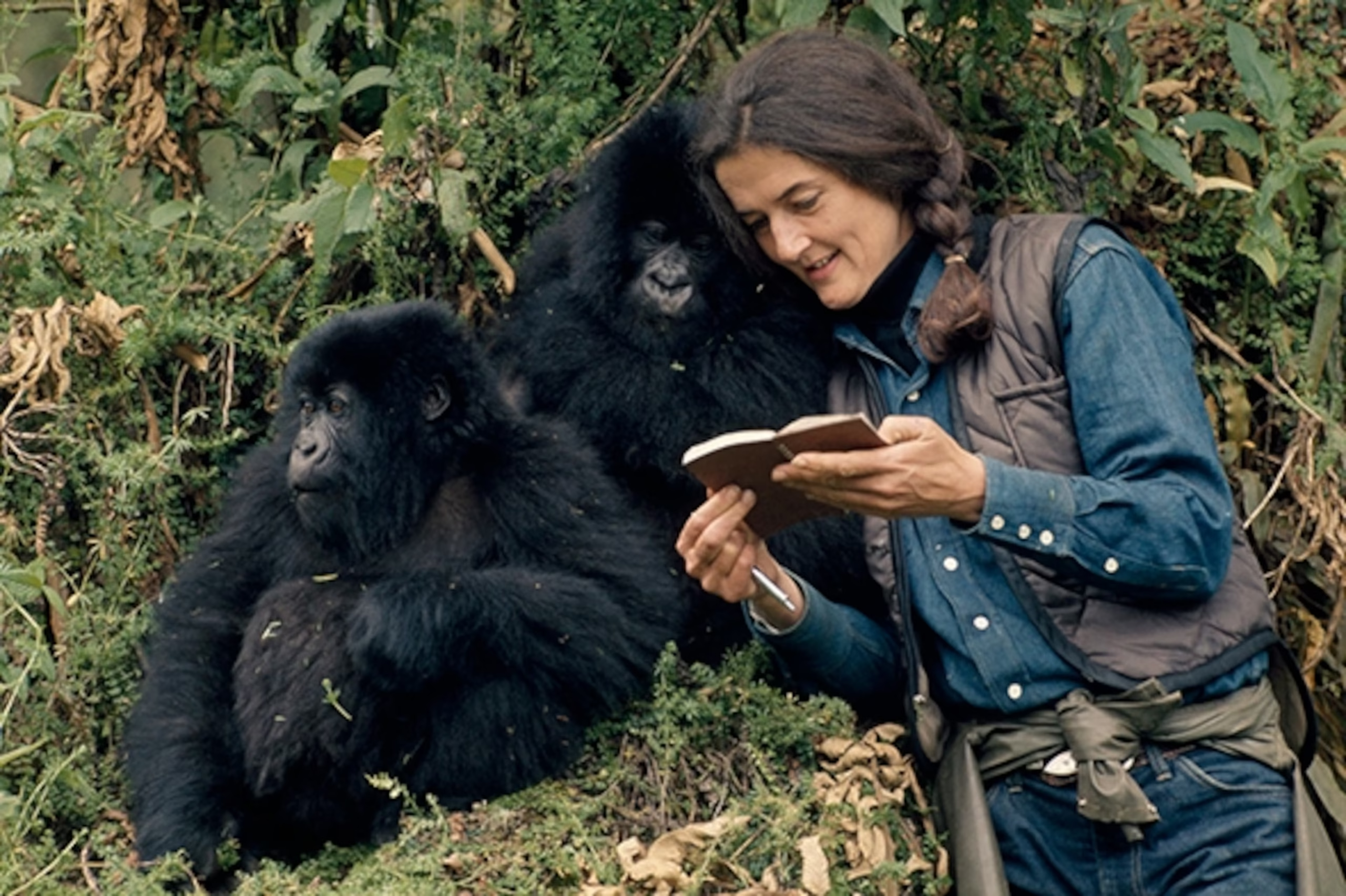
Gorilla Conservation and Community Benefits
Gorilla trekking tourism in Uganda and Rwanda plays a vital role in protecting mountain gorillas while improving the livelihoods of surrounding communities.
This sustainable tourism model ensures that conservation and economic development go hand in hand, creating long-term benefits for both wildlife and people.
How Tourism Supports Conservation and Local Communities
A significant portion of gorilla trekking permit fees is reinvested directly into conservation programs, including habitat protection, veterinary care, and anti-poaching initiatives.
Tourism revenue also supports community development projects such as schools, healthcare facilities, clean water systems, and road improvements.
By creating economic incentives tied to wildlife preservation, local communities become active partners in conservation rather than competitors for natural resources.
Role of Local Guides, Rangers, and Tracking Teams
Local guides, rangers, and tracking teams are at the heart of gorilla conservation.
Trained by national wildlife authorities, these professionals monitor gorilla movements daily, protect them from illegal activities, and ensure safe trekking experiences for visitors.
Their deep knowledge of gorilla behavior, forest ecosystems, and local culture enhances the trekking experience while safeguarding both tourists and wildlife.
Employment opportunities generated by gorilla tourism also reduce reliance on activities that may harm the environment, such as illegal logging or poaching.
Eco-Tourism Practices and Responsible Travel
Gorilla trekking operates under strict eco-tourism guidelines designed to minimize environmental impact.
These include maintaining a safe distance from gorillas, limiting group sizes, and following leave-no-trace principles while trekking.
Visitors are encouraged to respect local customs, reduce waste, and support eco-friendly lodges that prioritize sustainability.
Responsible travel ensures that natural habitats remain intact for future generations.
How Tourists Can Contribute Beyond Trekking
Visitors can further support conservation efforts beyond their trek by making donations to gorilla conservation organizations, supporting community-run initiatives, or participating in volunteer programs focused on education or environmental protection.
Purchasing locally made crafts and engaging in cultural tours also provides direct economic benefits to communities living near gorilla habitats.
By choosing responsible gorilla trekking experiences, travelers not only enjoy a once-in-a-lifetime encounter but also become active contributors to the survival of mountain gorillas and the well-being of the people who protect them.
Combined Safari Experiences Beyond Gorilla Trekking
While gorilla trekking is the highlight of any Uganda or Rwanda safari, combining it with other wildlife and cultural experiences creates a richer and more immersive African adventure.
Both countries offer diverse ecosystems, iconic wildlife, and stunning landscapes that perfectly complement a gorilla trekking journey.
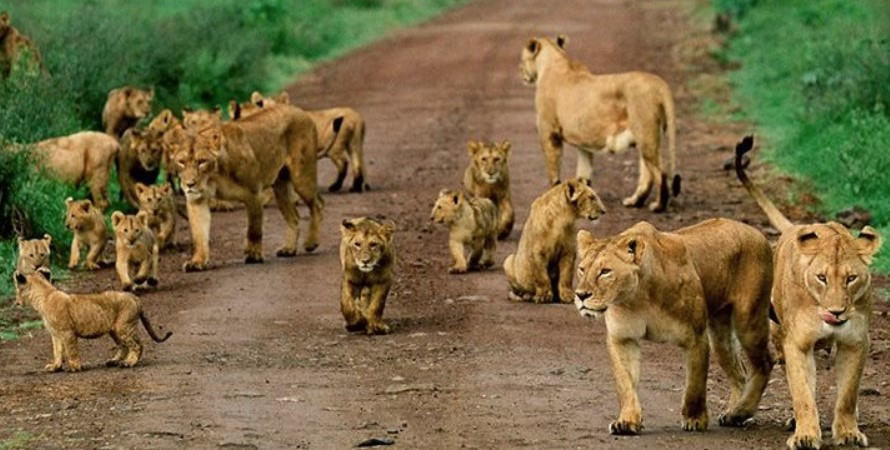
Big Five Safaris in Uganda and Rwanda
In Uganda, Queen Elizabeth National Park is a top choice for travelers seeking classic Big Five safari experiences.
The park is famous for its tree-climbing lions, large herds of elephants, buffaloes, leopards, and a remarkable variety of antelope species.
Game drives across open savannahs and a boat cruise along the Kazinga Channel provide excellent wildlife viewing and photography opportunities.
Rwanda’s Akagera National Park offers a contrasting safari experience with vast savannah plains, lakes, and wetlands.
Home to the full Big Five, Akagera has become one of Africa’s leading conservation success stories.
Guided game drives, boat safaris, and night drives make it an ideal addition to a gorilla trekking itinerary, especially for travelers seeking a well-rounded safari in a compact destination.
Bird Watching, Nature Hikes, and Cultural Tours
Both Uganda and Rwanda are world-renowned birding destinations, boasting hundreds of bird species, including rare endemics. Guided bird watching tours in forests, wetlands, and national parks are ideal for nature lovers.
Scenic nature hikes through rainforests and volcanic landscapes offer close encounters with flora, waterfalls, and panoramic viewpoints.
Cultural tours provide opportunities to visit local communities, traditional villages, and heritage sites, offering deeper insight into the region’s history and customs.
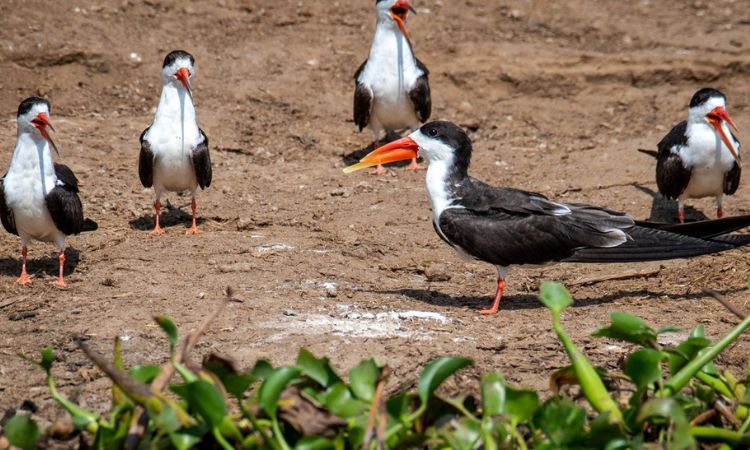
Lake Kivu and Scenic Volcano Hikes
Located along the Rwanda–Uganda border, Lake Kivu is a tranquil retreat known for its scenic shores, boat cruises, and lakeside resorts.
It’s an ideal place to relax after a physically demanding gorilla trek.
For adventure seekers, volcano hikes in the Virunga Mountains offer breathtaking views and opportunities to explore dormant volcanoes, lava fields, and alpine vegetation.
By combining gorilla trekking with classic safaris, cultural experiences, and scenic landscapes, travelers create a diverse and unforgettable African journey that showcases the very best of Uganda and Rwanda.
Gorilla Trekking Costs – Uganda vs. Rwanda
Understanding the cost of gorilla trekking is essential when choosing between Uganda and Rwanda.
While both destinations offer world-class encounters with mountain gorillas, pricing structures vary, allowing travelers to select options that best match their budget and travel style.
Gorilla Permit Prices for International Visitors
Gorilla trekking permits are mandatory and priced by nationality.
In Uganda, permits cost approximately USD 800 per person for foreign non-residents, making it one of the most affordable destinations for gorilla trekking.
Rwanda’s permits are priced higher, at around USD 1,500 per person, reflecting the country’s focus on high-end, low-impact tourism.
These permit fees directly support conservation, ranger salaries, and community development programs.
Tour Package Costs: Budget, Mid-Range, and Luxury
Tour package prices vary depending on accommodation, transport, and duration.
- Budget packages typically range from USD 1,200–1,800, offering basic lodges and shared transport.
- Mid-range safaris cost between USD 2,000–3,500, featuring comfortable lodges, private transfers, and experienced guides.
- Luxury gorilla trekking tours can exceed USD 5,000, including premium lodges, private vehicles, gourmet dining, and personalized services.
Uganda vs. Rwanda – Value for Money
Uganda generally offers better value for money, especially for travelers seeking longer stays or combined safaris. With lower permit costs and diverse park options, Uganda appeals to budget and mid-range travelers.
Rwanda, on the other hand, excels in accessibility and luxury, with Volcanoes National Park located just a few hours from Kigali, making it ideal for short, high-end trips.
Tips for Saving Money on Gorilla Trekking
Travelers can reduce costs by booking permits early, traveling during shoulder seasons, or choosing combo packages that combine gorilla trekking with game safaris or cultural tours.
Group travel and flexible dates also help secure better deals.
Ultimately, both Uganda and Rwanda offer unforgettable gorilla trekking experiences—choosing the right destination depends on your budget, time, and travel preferences.
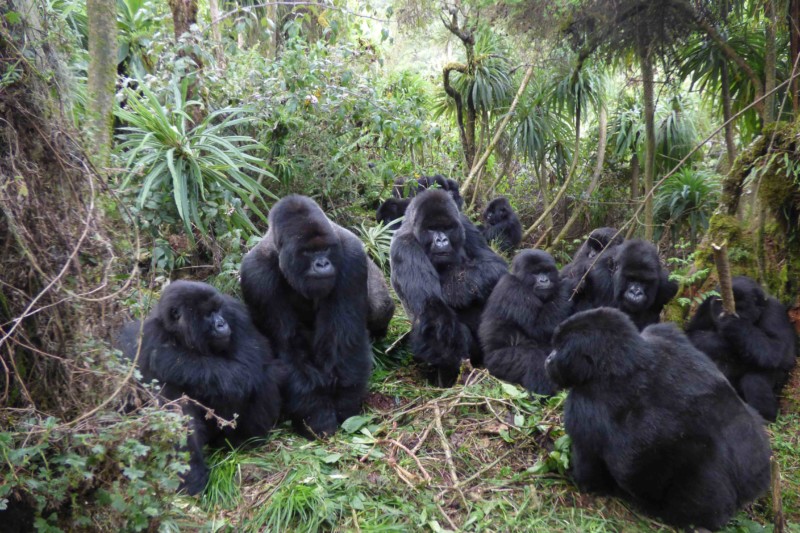
Best Time to Visit for Gorilla Trekking
Choosing the right time to visit Uganda or Rwanda can significantly enhance your gorilla trekking experience. Gorilla trekking is available year-round, but trekking conditions, crowd levels, and photography opportunities vary by season.
Dry Seasons vs. Wet Seasons
The dry seasons—from June to September and December to February—are considered the best times for gorilla trekking.
Trails are less muddy, hikes are easier, and weather conditions are more predictable.
These months are ideal for first-time trekkers and travelers seeking comfortable trekking conditions.
The wet seasons, from March to May and October to November, bring heavier rainfall, making trails more challenging.
However, gorillas remain active, permits are sometimes more available, and landscapes are lush and vibrant, offering a unique trekking experience for adventurous travelers.
Wildlife Sightings and Photography Tips
Gorilla sightings are excellent throughout the year, as families are tracked daily.
During drier months, lighting conditions are better for photography, while wet seasons offer dramatic forest backdrops and fewer visitors.
Using a fast lens and natural light enhances wildlife photography without disturbing the gorillas.
Crowd Avoidance for International Travelers
Travelers looking to avoid crowds should consider visiting during shoulder months or booking treks on weekdays.
Uganda’s Bwindi Impenetrable Forest also offers multiple trekking sectors, helping disperse visitors and provide a more exclusive experience.
With proper planning, every season offers rewarding and unforgettable gorilla trekking encounters in Uganda and Rwanda.
Frequently Asked Questions About Gorilla Trekking Tourism
Are gorillas safe to visit?
Yes, gorilla trekking is very safe when conducted under the guidance of trained rangers. Mountain gorillas are generally calm and accustomed to human presence. Strict rules—such as maintaining a safe distance and limiting group size—ensure both visitor and gorilla safety. Rangers monitor gorilla behavior closely and manage all interactions.
What age is allowed for gorilla trekking?
The minimum age for gorilla trekking in both Uganda and Rwanda is 15 years. This age limit ensures that participants can handle the physical demands of trekking and follow safety instructions. There is no maximum age limit, provided the traveler is in good health.
How long is the gorilla trek?
Gorilla trekking duration varies depending on the location of the gorilla family. Treks can last anywhere from 2 to 6 hours, including hiking time. Once gorillas are located, visitors are allowed one hour to observe and photograph them.
Can I trek independently or only with a guide?
Independent trekking is not allowed. All gorilla treks must be conducted with licensed guides and armed rangers. This ensures visitor safety, protects gorillas from disturbance, and supports conservation efforts through regulated tourism.
Do I need travel insurance for gorilla trekking?
Yes, comprehensive travel insurance is strongly recommended. Your policy should cover medical emergencies, evacuation, trip cancellations, and adventure activities such as trekking. Insurance provides peace of mind, especially when traveling in remote forest areas.
Conclusion & Call to Action
Gorilla trekking in Uganda and Rwanda is more than a safari—it is a deeply moving, life-changing experience that connects travelers with one of the world’s most extraordinary and endangered species.
Standing face-to-face with mountain gorillas in their natural habitat creates a profound appreciation for wildlife, nature, and conservation that few experiences on Earth can match.
From the misty forests of Bwindi Impenetrable National Park to the volcanic landscapes of Rwanda’s Volcanoes National Park, every trek is a moment of awe, respect, and discovery.
By choosing gorilla trekking tourism, travelers directly support conservation initiatives, protect fragile ecosystems, and contribute to the livelihoods of local communities who play a vital role in safeguarding these incredible animals.
Responsible tourism ensures that future generations will continue to witness mountain gorillas thriving in the wild while benefiting the people who coexist with them.
Now is the perfect time to turn your dream into reality. Whether you are traveling from the USA, UK, Europe, India, Asia, or beyond, Uganda and Rwanda offer safe, well-organized, and unforgettable gorilla trekking experiences tailored to every travel style.
Book your Uganda & Rwanda gorilla trekking tour today and become part of a global conservation success story—one unforgettable step into the heart of Africa’s most remarkable wildlife adventure.