
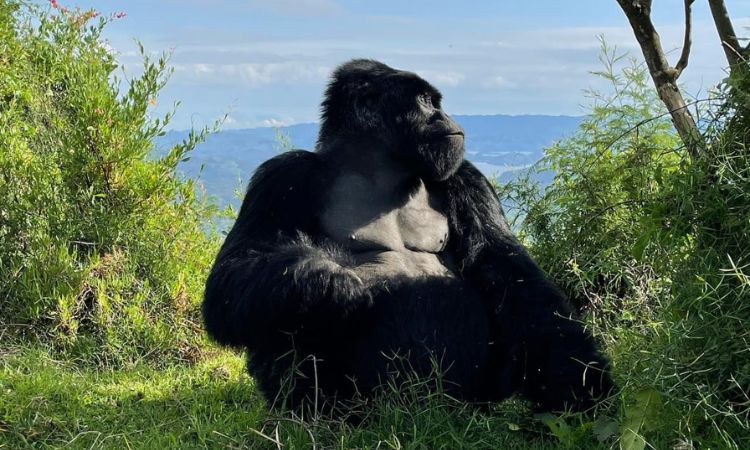
Gorilla Trekking Regions: Where to Trek Gorillas in 2026
Gorilla Trekking Regions in East Africa offer the world’s most unforgettable wildlife experiences. In Uganda, gorillas can be tracked in Bwindi Impenetrable National Park and Mgahinga Gorilla National Park, each home to habituated gorilla families and stunning rainforest landscapes.
In Rwanda, Volcanoes National Park provides a premium trekking experience with well-maintained trails and expert rangers. Each region offers unique terrain, biodiversity, and trekking opportunities, with permits strictly limited to protect gorillas.
Trekking these regions not only allows close encounters with mountain gorillas but also directly supports conservation, ranger protection, and local community development, making your adventure meaningful and sustainable.
Mountain gorilla trekking is limited to three protected regions in East Africa: Bwindi Impenetrable National Park and Mgahinga Gorilla National Park in Uganda, and Volcanoes National Park in Rwanda.
These areas form the core habitat for the world’s remaining mountain gorillas (estimated at 1,063 individuals as of late 2025), with all habituated groups—those safe for human visitors—strictly allocated for tourism.
Each region offers distinct terrain, accessibility, and trekking experiences, allowing travelers to match their fitness level, travel preferences, and itinerary to the destination.
Permits are mandatory and limited, with one group of eight visitors per habituated family per day, ensuring low-impact encounters that directly fund conservation.

Bwindi Impenetrable National Park, Uganda
Bwindi Impenetrable National Park protects the largest single population of mountain gorillas, with over 400 individuals and approximately 20 habituated families available for trekking as of 2025–2026.
The park’s dense, ancient rainforest—spanning 321 square kilometers—creates a challenging yet biodiverse trekking environment, home to over 350 bird species, 200 butterfly species, and rare plants.
Treks range from 2–8 hours round-trip, depending on the gorilla family’s location, with steep hills, muddy trails, and thick undergrowth common.
Bwindi is divided into four main trekking sectors, each with its own access point, terrain profile, and number of habituated groups:
- Buhoma Sector (north): The most accessible and popular for first-time trekkers. Shorter drives from Kampala (about 9–10 hours) or Entebbe, and often easier walks to gorilla families. Multiple habituated groups here make permit availability more reliable.
- Rushaga Sector (south): Offers the highest number of daily permits (up to 80 across families) and larger, dynamic gorilla groups. Medium-difficulty treks with good chances of sightings, ideal for those seeking variety.
- Ruhija Sector (east): Remote and scenic, with steeper, longer trails and larger families. Suited for fit trekkers who want dramatic forest views and fewer crowds.
- Nkuringo Sector (southwest): The most physically demanding, starting at higher elevations with steep descents and ascents. Rewarding for experienced hikers.
Access typically involves flying to Kihihi or Kisoro airstrips, followed by road transfers to lodges near the sector gates.
Permits cost $800 for standard trekking (or $1,500 for the Gorilla Habituation Experience), making Bwindi a prime choice for extended Uganda safaris combining gorillas with chimpanzees, big game, or cultural visits.
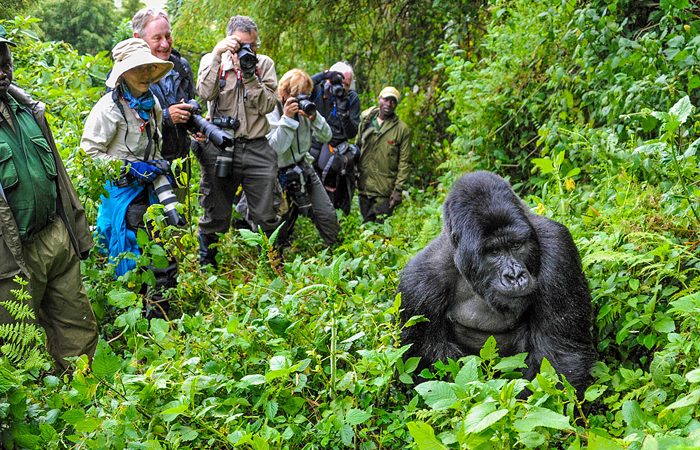
Mgahinga Gorilla National Park, Uganda
Mgahinga Gorilla National Park is Uganda’s smallest gorilla sanctuary at 33.7 square kilometers, but its volcanic landscape and cross-border gorilla movements make it unique.
Only one habituated family (Nyakagezi) is open for trekking, with limited permits that sell out quickly. The park sits on the slopes of three extinct volcanoes—Mgahinga, Sabinyo, and Muhavura—offering open vistas, bamboo zones, and opportunities to spot golden monkeys alongside gorillas.
Treks here are often shorter but can be steep and exposed, with gorillas sometimes moving toward the Rwanda or Congo borders. Access is straightforward via Kisoro airstrip (short flight from Entebbe or Kampala), followed by a brief drive to the park headquarters.
Mgahinga suits travelers combining gorilla trekking with volcano hikes, golden monkey tracking, or a quick border visit. It’s a quieter, more intimate alternative to Bwindi, though permit scarcity requires early booking—often 12+ months in advance.

Volcanoes National Park, Rwanda
Volcanoes National Park protects the Rwandan sector of the Virunga Massif, with 12 habituated gorilla families open for trekking.
The park’s dramatic volcanic peaks—Karisimbi, Bisoke, Sabyinyo, and others—provide a stunning backdrop, with treks often involving bamboo forest, open slopes, and shorter but steeper climbs than Bwindi.
Gorilla sightings are highly reliable, thanks to excellent tracking infrastructure and groups habituated since Dian Fossey’s era.
All treks begin at the Kinigi headquarters, where rangers assign families based on fitness and group preferences. Easier groups stay on lower slopes; more challenging ones climb higher for larger or iconic families.
Access is convenient via Kigali International Airport (about 2–3 hours drive), making Volcanoes ideal for shorter trips or combinations with Rwanda’s golden monkey tracking, Dian Fossey tomb visits, or community projects.
Permits cost $1,500 per person, reflecting Rwanda’s premium positioning and high demand.

Conclusion: Choosing Your Gorilla Trekking Region
Bwindi offers the most options and flexibility for multi-activity safaris, while Mgahinga provides a niche, volcanic experience. Volcanoes excels in accessibility, reliability, and dramatic scenery.
Consider your fitness (Bwindi and Mgahinga can be muddier and longer), travel time (Rwanda is quicker from Europe/Middle East), and season (dry months June–September and December–February ease trekking).
All regions contribute to conservation, with permit fees supporting anti-poaching, veterinary care, and community development.
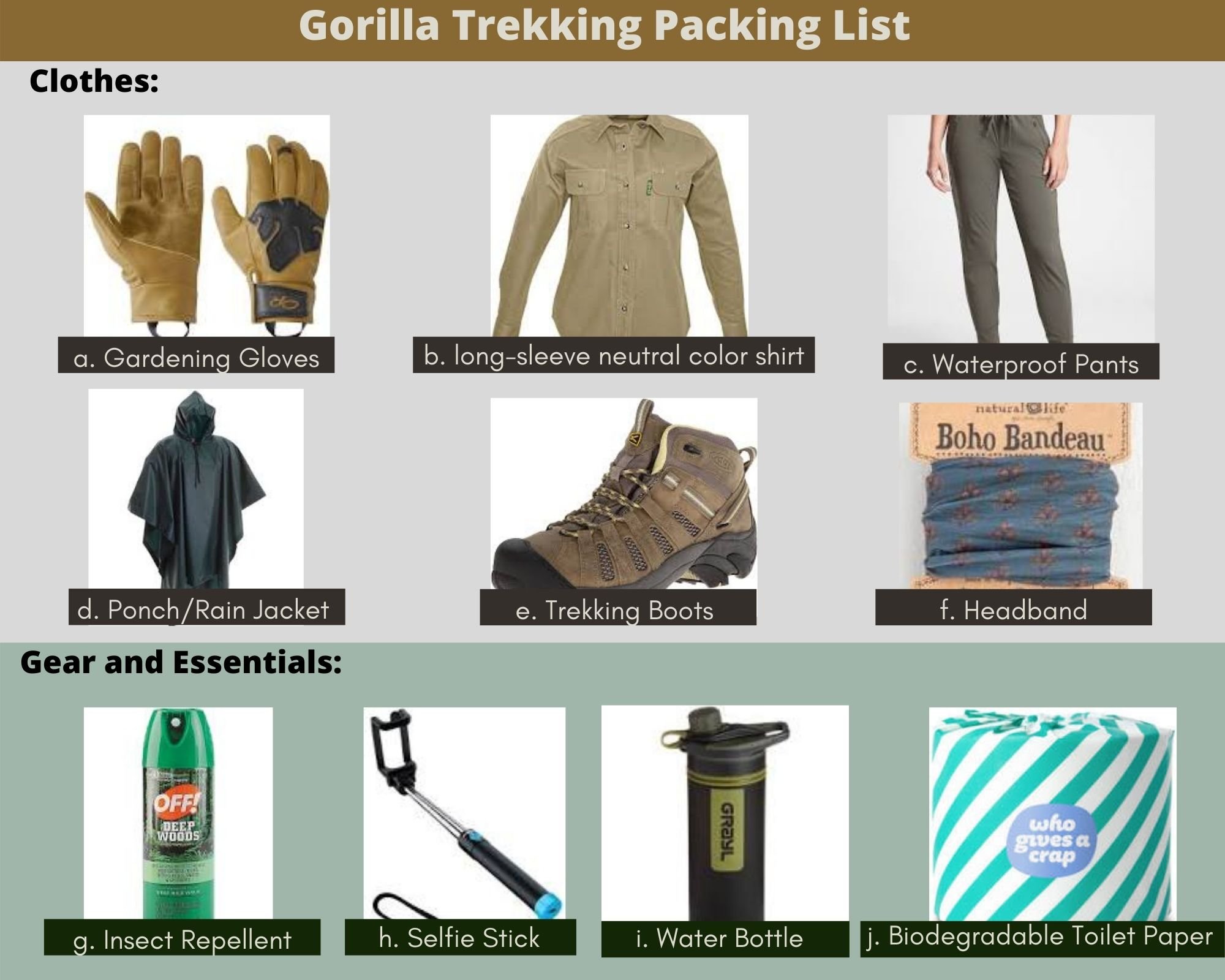
General Safari & Lodge Wear for Gorilla Trekking
Dress in layers for variable weather—cool mornings, warm midday, and sudden rain.
Neutral colors (khaki, olive, dark green, brown) reduce insect attraction and blend with the forest.
Long-sleeved shirts and pants protect against nettles, ants, and sun; quick-dry fabrics wick moisture.
Sturdy, waterproof hiking boots with good ankle support and gaiters prevent mud and thorns.
A lightweight rain poncho or jacket is essential, plus gardening gloves for grasping vegetation.
A daypack carries water, snacks, camera, and rain gear. At lodges, smart-casual attire works for meals—long pants and collared shirts.
What NOT to Pack for Gorilla Trekking
Avoid bright colors, white clothing, or strong scents (perfume, cologne, scented lotions) that could agitate gorillas or attract insects.
No drones, loud speakers, or single-use plastics (they harm the environment).
Skip jeans (they get heavy when wet), open-toe shoes (snakes, mud), or bulky luggage (lodges handle transfers).
Don’t bring food or drinks into the forest—strict rules prohibit eating near gorillas. Leave valuables behind; focus on lightweight, practical items.
Ready to experience gorilla trekking in Bwindi, Mgahinga, or Volcanoes? Our licensed team at GoSilverback Safaris secures permits, matches you to the ideal region and gorilla family, and designs seamless itineraries for travelers from the USA, UK, Europe, Canada, Asia, and the Middle East.
Contact us today to book your 2026 or 2027 adventure—prime dates fill quickly. Let us make your gorilla encounter unforgettable and responsible.