Gorilla Migration Patterns Guide: Do Gorillas Migrate in Africa?
Among the most common questions asked by travelers preparing for a gorilla trekking safari in Africa is a deceptively simple one: do gorillas migrate?
When people hear the term migration, they often think of large wildlife movements such as the spectacular journey of Wildebeest across Serengeti National Park and the Maasai Mara National Reserve.
However, gorilla migration patterns are very different.
Gorillas do not migrate long distances across regions or countries. Instead, they move gradually within a defined home range. These movements are guided by ecological factors such as food sources, terrain, and seasonal vegetation growth.
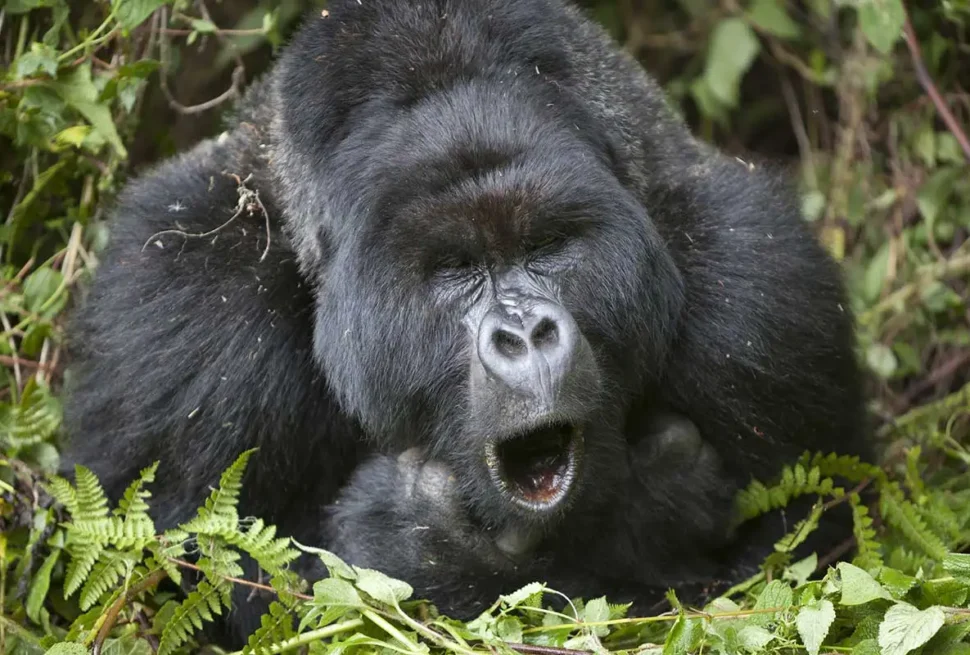
The most famous gorillas are the Mountain Gorilla, a critically endangered subspecies that inhabits the forests of Central Africa. There are just over 1,000 individuals left in the wild, making them one of the rarest primates on Earth.
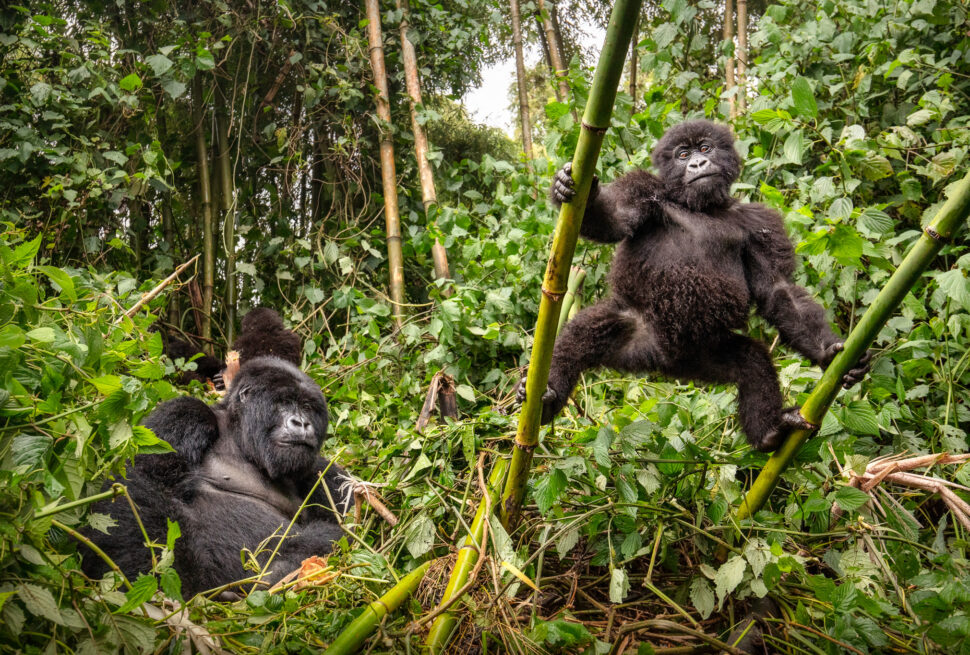
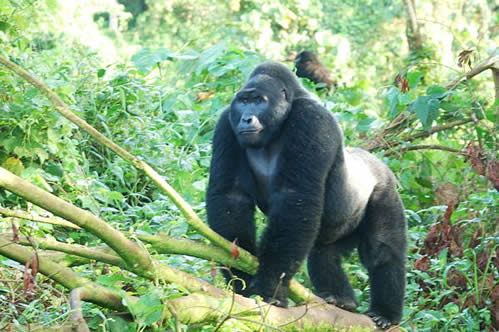
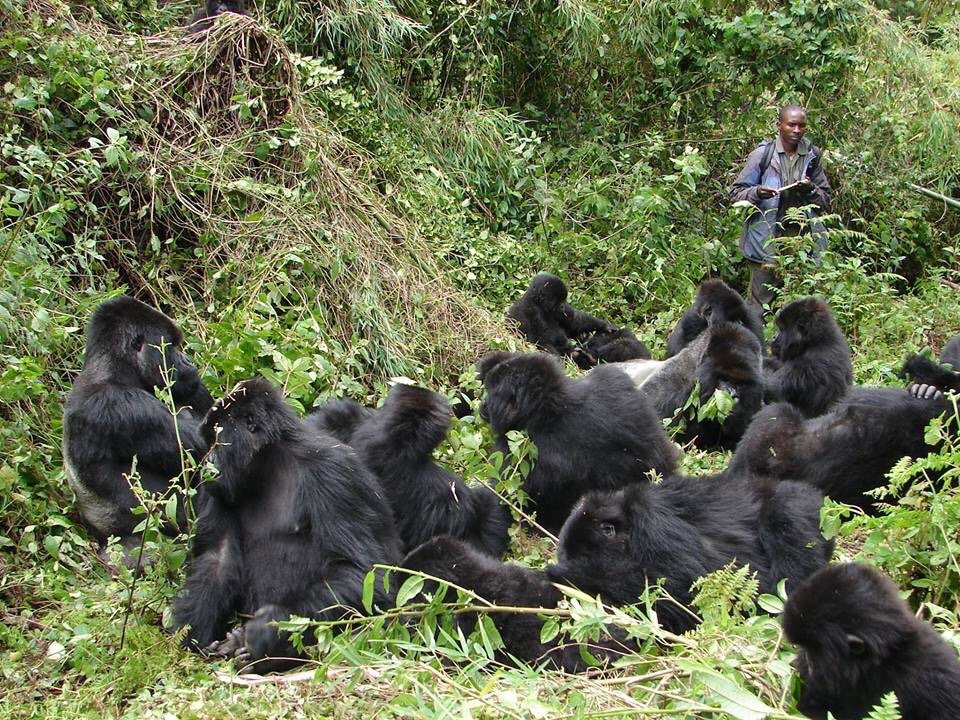
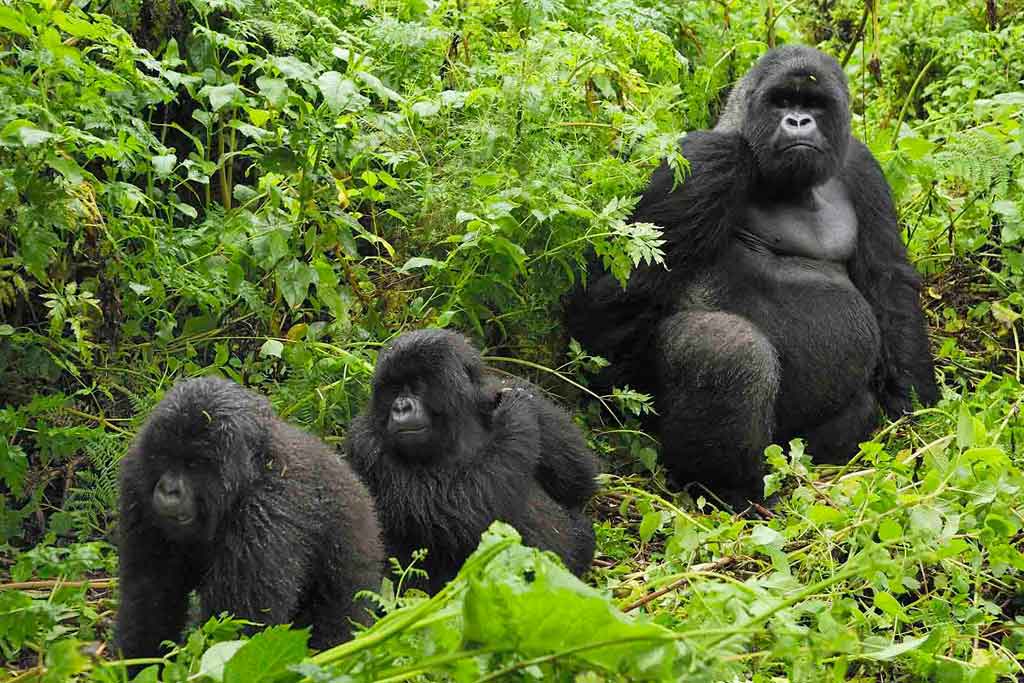
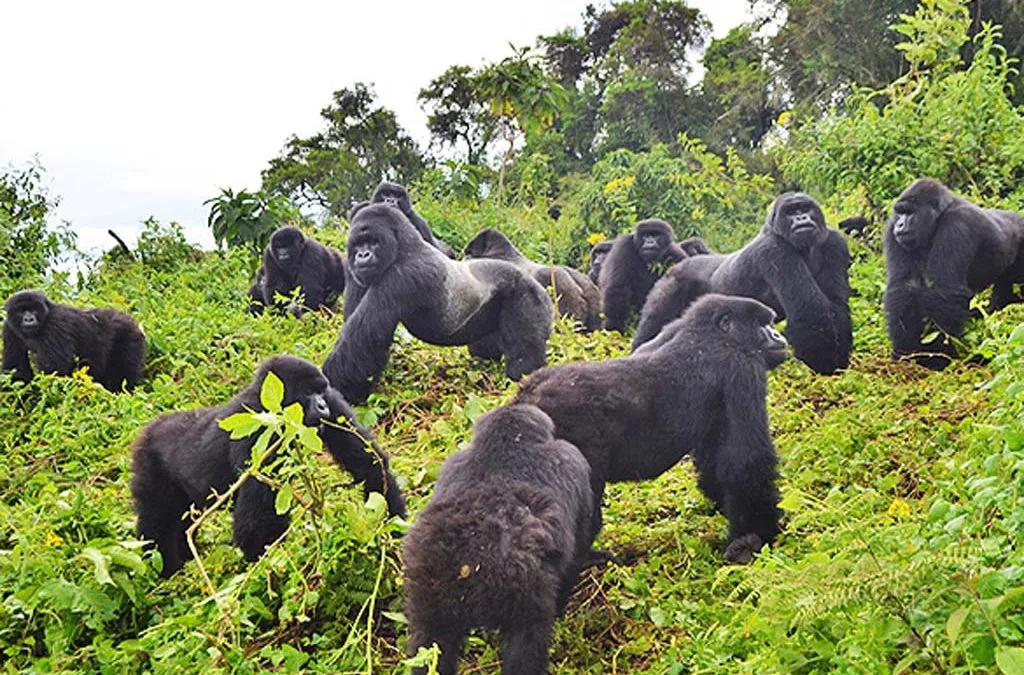
Gorillas live in social groups known as troops or families, typically led by a dominant silverback male. The group moves together throughout the forest in search of food, nesting locations, and safety.
This guide examines gorilla migration and movement patterns in depth — covering the science of gorilla ranging behavior, the influence of food and seasons, how researchers track gorilla movements, what all of this means for your safari planning, and where in Africa you can find and follow the world’s last wild mountain gorillas.
Whether you are a first-time safari traveler from the USA, UK, Europe, Canada, Asia, or the Middle East, or a returning guest deepening your knowledge before your next journey, this is the definitive resource.
Understanding Gorilla Movement and Territory: The Basics
Before examining seasonal patterns and food-driven movement, it is essential to understand the foundational structure of gorilla territorial behavior. Gorillas are not migratory animals in the classical sense — they do not undertake annual long-distance journeys between geographically separated habitats.
Instead, they are home range animals: each gorilla group occupies and moves within a defined area of forest called its home range, returning repeatedly to familiar locations, trails, and food sources across months and years.
The size of a gorilla group’s home range varies significantly by subspecies, habitat quality, and group composition. Research conducted in Bwindi Impenetrable National Park in Uganda — one of the most intensively studied gorilla habitats on earth — has documented home ranges for mountain gorilla groups of between 10 and 40 square kilometers.
In the Virunga Volcanoes shared by Uganda, Rwanda, and the DRC, home ranges have been measured at similar scales but with greater overlap between neighboring groups, reflecting the rich food productivity of the volcanic soils and the higher density of gorilla families in that landscape.
Crucially, gorilla home ranges are not rigidly defended territories. Unlike chimpanzees, who actively patrol and defend territorial boundaries with aggressive intent, gorillas tolerate significant home range overlap with neighboring groups.
Encounters between groups do occur, and can involve dramatic displays of aggression — particularly between silverbacks — but all-out territorial warfare is rare.
This relative tolerance for overlapping ranges means that gorilla movement is driven primarily by resource tracking rather than territorial defense, a distinction that has profound implications for understanding their seasonal patterns.
Daily Movement Distances
Within their home range, gorilla groups move an average of 0.5 to 1.5 kilometers per day, though distances of up to 3 kilometers have been recorded in periods of food scarcity. This relatively modest daily travel distance reflects the gorilla’s fundamentally herbivorous, bulk-feeding ecology.
Because gorillas consume enormous quantities of vegetation — a silverback can eat up to 34 kilograms of plant material per day — they do not need to travel far to meet their caloric needs in productive forest. Their movement strategy is one of systematic local exploitation rather than long-distance ranging.
Do Gorillas Migrate Like Other Animals? Setting the Record Straight
The direct answer to the question “do gorillas migrate?” is: not in the conventional sense. True biological migration involves regular, directional, long-distance movement between geographically distinct habitats — typically driven by seasonal changes in temperature, rainfall, or food availability at a landscape scale.
Birds fly thousands of kilometers between breeding and wintering grounds. Wildebeest circle the Serengeti-Mara ecosystem in an annual loop of over 1,800 kilometers. Gorillas do none of this.
What gorillas do engage in is ranging behavior — flexible, responsive movement within a familiar home range. This ranging is continuous rather than seasonal: gorilla groups move every day, but they move short distances, they return to the same areas repeatedly, and their movement is dictated by the daily and weekly distribution of food resources within a landscape they know intimately.
The gorilla group’s leader — the dominant silverback — makes the decisions about where the group moves each day, drawing on detailed cognitive maps of his home range built over years of experience.
However, to state that gorillas do not migrate at all is to miss a crucial ecological nuance. Mountain gorillas in particular show measurable altitudinal movement — shifting between lower and higher elevations in response to seasonal changes in vegetation productivity.
This vertical ranging, while modest in absolute distance, is functionally analogous to the altitudinal migrations of many montane bird species and ungulates, and it is the closest thing to true seasonal migration that gorillas exhibit.
Understanding this altitudinal movement is one of the most important pieces of knowledge for any traveler planning a mountain gorilla trekking safari.
Seasonal Gorilla Movement Patterns: Altitude, Rain, and Food
The most significant seasonal driver of gorilla movement patterns is vegetation phenology — the seasonal timing of plant fruiting, flowering, and leaf flush across different elevational zones.
Mountain gorillas inhabit forests ranging from approximately 1,500 to over 4,000 meters above sea level in the Virunga Volcanoes and Bwindi, and the productivity of vegetation at different altitudes changes dramatically with rainfall and temperature across the year.
Dry Season Movement — June to August and December to February
During the two dry seasons in East Africa’s gorilla range — June through August (the long dry season) and December through February (the short dry season) — gorilla groups tend to move to higher elevations.
This upslope movement is driven by the fact that highland vegetation, fed by persistent mist and cooler temperatures even in dry periods, maintains its productivity while lowland vegetation becomes drier and less palatable.
Higher altitude forests also offer a greater abundance of bamboo shoots, wild celery, nettles, and thistles — preferred gorilla food sources — during the dry season, while lower elevation vegetation dries out and becomes fibrous.
For trekkers, dry season movement has a silver lining: forest trails are less muddy, visibility through the vegetation is better (reduced leaf density), and the physical conditions for trekking are significantly more comfortable.
Dry season treks in Uganda and Rwanda are generally considered easier, though the gorillas may be located at higher elevations, requiring longer approach walks up steeper terrain.
Wet Season Movement — March to May and September to November
During the long rainy season from March to May and the shorter rains of September to November, gorillas tend to descend to lower elevations where the flush of new vegetation — particularly the tender young leaves, shoots, and herbs that rain stimulates — provides an abundance of highly nutritious food at accessible altitudes.
Lowland forest areas around the edges of national parks become particularly productive, and gorilla groups may spend extended periods in these areas, often covering smaller daily distances because food is so abundant and accessible.
Wet season trekking presents its own rewards: the forest is dramatically beautiful, the vegetation is intensely green, and gorilla permit prices in Uganda do not change seasonally — meaning wet season trekkers enjoy the same access at the same permit cost, often with shorter booking lead times.
The challenge is physical: trails are muddy and slippery, and rainfall can be heavy, though gorilla encounters themselves are no less spectacular in the rain.
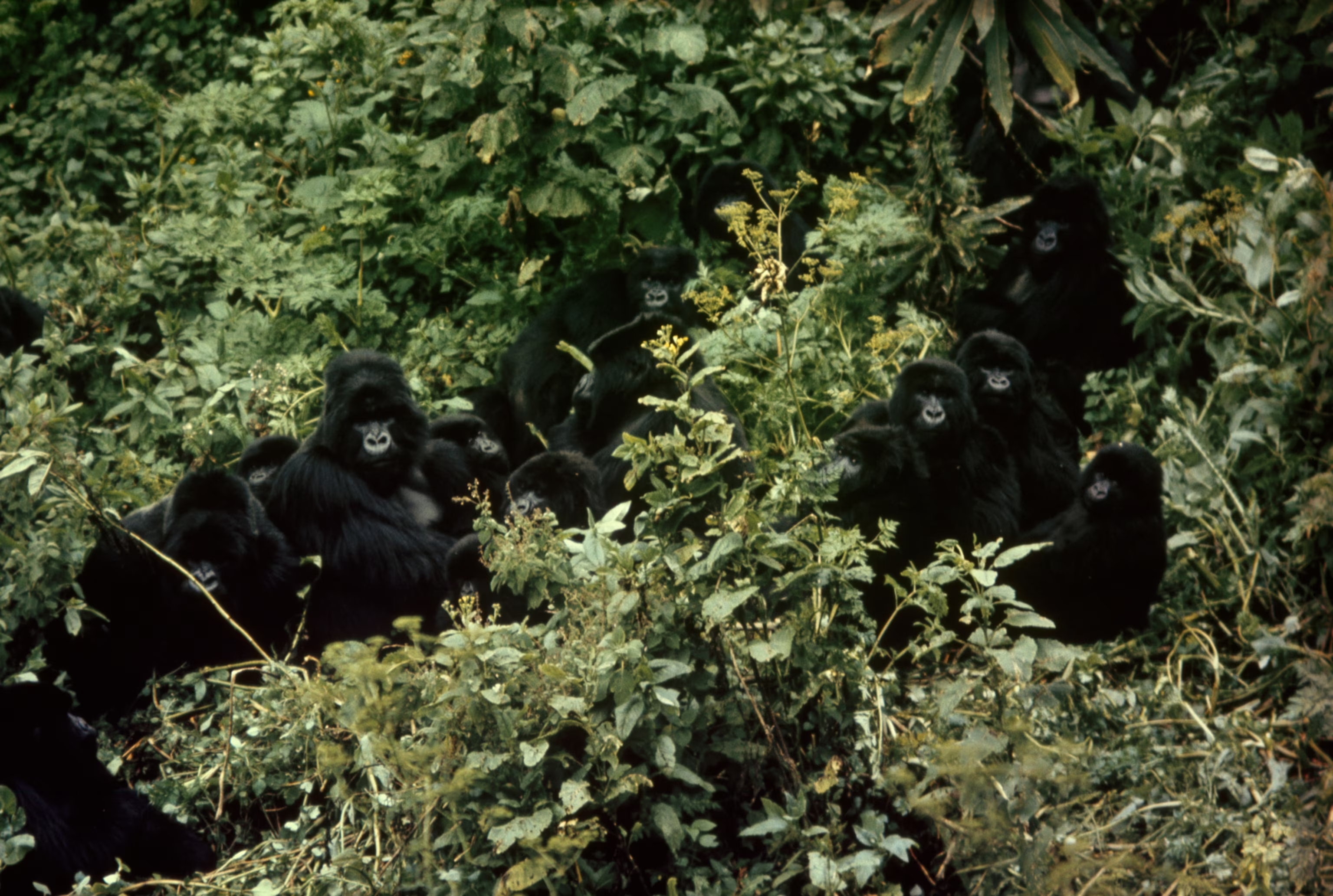
Gorilla Habitats in Africa: Where Gorillas Live and Move
To understand gorilla movement, you must first understand the habitats in which they live. All wild gorillas are confined to a band of equatorial and montane forest across Central and East Africa, with populations divided across four subspecies, each occupying a distinct geographic and ecological zone.
Mountain Gorillas — Bwindi and the Virungas
The mountain gorilla (Gorilla beringei beringei) is found only in two locations on earth: Bwindi Impenetrable National Park in southwestern Uganda and the Virunga Massif — a chain of volcanoes straddling the borders of Uganda, Rwanda, and the Democratic Republic of Congo.
With a total wild population of approximately 1,063 individuals as of the most recent census, the mountain gorilla is the only great ape whose population is currently increasing.
These gorillas inhabit dense montane forest and bamboo zones between 1,500 and 4,000 meters elevation, and their movement is profoundly shaped by the altitudinal vegetation gradient of these high-altitude landscapes.
Eastern Lowland Gorillas — Kahuzi-Biega and Maiko
The eastern lowland gorilla (Gorilla beringei graueri), also known as Grauer’s gorilla, is the world’s largest gorilla subspecies and is found exclusively in the eastern Democratic Republic of Congo.
Their primary strongholds are Kahuzi-Biega National Park and the more remote Maiko National Park. Eastern lowland gorillas occupy a wider altitudinal range than mountain gorillas — from lowland rainforest to montane forest — and their ranging patterns reflect this ecological flexibility.
Ongoing conflict in eastern DRC has severely disrupted research and monitoring of this subspecies, making their movement patterns less comprehensively documented.
Western Lowland Gorillas — Congo Basin
The western lowland gorilla (Gorilla gorilla gorilla) is the most numerous gorilla subspecies and is distributed across the Congo Basin forests of Cameroon, Central African Republic, Republic of Congo, Gabon, Equatorial Guinea, and Angola.
Unlike their montane relatives, western lowland gorillas inhabit tropical rainforest at low altitudes and consume a significantly higher proportion of fruit in their diet — a dietary difference that drives substantially greater ranging distances in pursuit of seasonally fruiting trees.
Home ranges for western lowland gorillas can exceed 20 to 30 square kilometers, and their seasonal movement tracks the fruiting phenology of dozens of key tree species across their range.
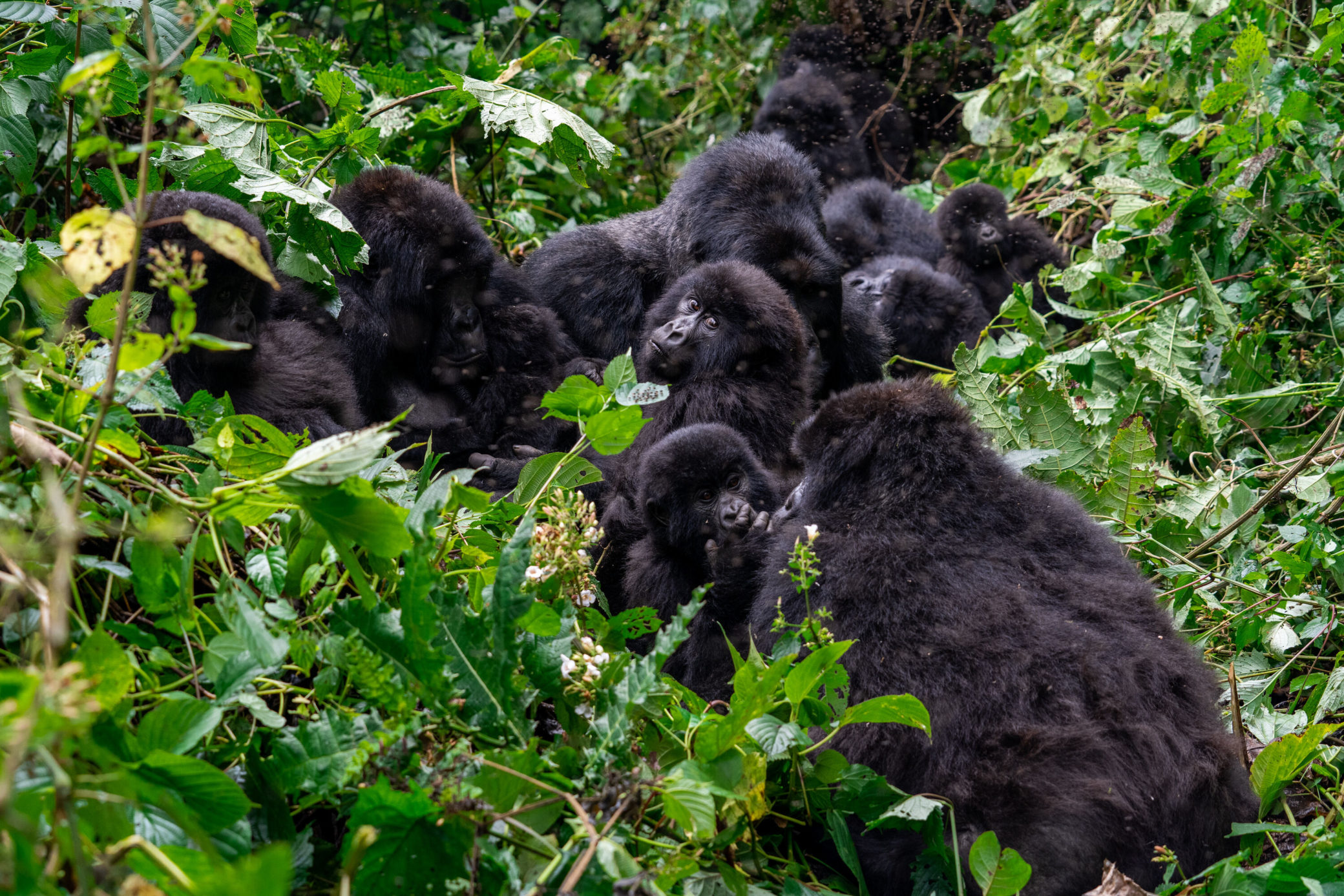
How Food Availability Influences Gorilla Movement
Food availability is the single most powerful driver of gorilla ranging behavior across all subspecies. Gorillas are bulk herbivores with enormous daily caloric requirements, and the distribution, abundance, and quality of their food resources across the landscape determines where they move and when.
Mountain Gorilla Diet and Movement
Mountain gorillas have a predominantly folivorous (leaf-eating) diet, consuming over 142 documented plant species in Bwindi alone. Their primary food plants include wild celery, nettles, thistles, bamboo shoots, and the leaves, stems, and bark of dozens of forest trees and shrubs.
Because leaves are relatively uniformly distributed across their forest habitat — unlike fruit, which is patchily distributed and seasonally scarce — mountain gorillas do not need to travel far to find food on any given day.
This dietary reliance on leaves rather than fruit is the primary reason mountain gorillas have smaller home ranges and shorter daily travel distances than their western lowland relatives.
However, bamboo shoots represent a critical seasonal food resource that drives significant directional movement in mountain gorilla groups. When bamboo shoots emerge following rains — primarily from June to August in Uganda and from May to July in Rwanda — gorilla groups make deliberate, sometimes substantial movements toward bamboo zones within their home range.
Trackers in Bwindi consistently document gorilla groups moving several kilometers within a short period to access fresh bamboo, and groups may remain in bamboo zones for days or weeks while the shoots are available.
Western Lowland Gorilla Diet and Movement
Western lowland gorillas consume a much more fruit-dominated diet — up to 67% fruit by some dietary analyses — which drives far more extensive ranging than in mountain gorillas.
Fruiting events in tropical rainforest are spatially patchy and temporally unpredictable, requiring western lowland gorillas to maintain detailed cognitive maps of fruiting tree locations across large areas and to track fruiting events across seasons.
This fruit-driven ranging means western lowland gorilla groups cover significantly more ground per day than mountain gorillas and have much larger home ranges, sometimes overlapping with five or more neighboring groups across a complex, fluid territorial mosaic.
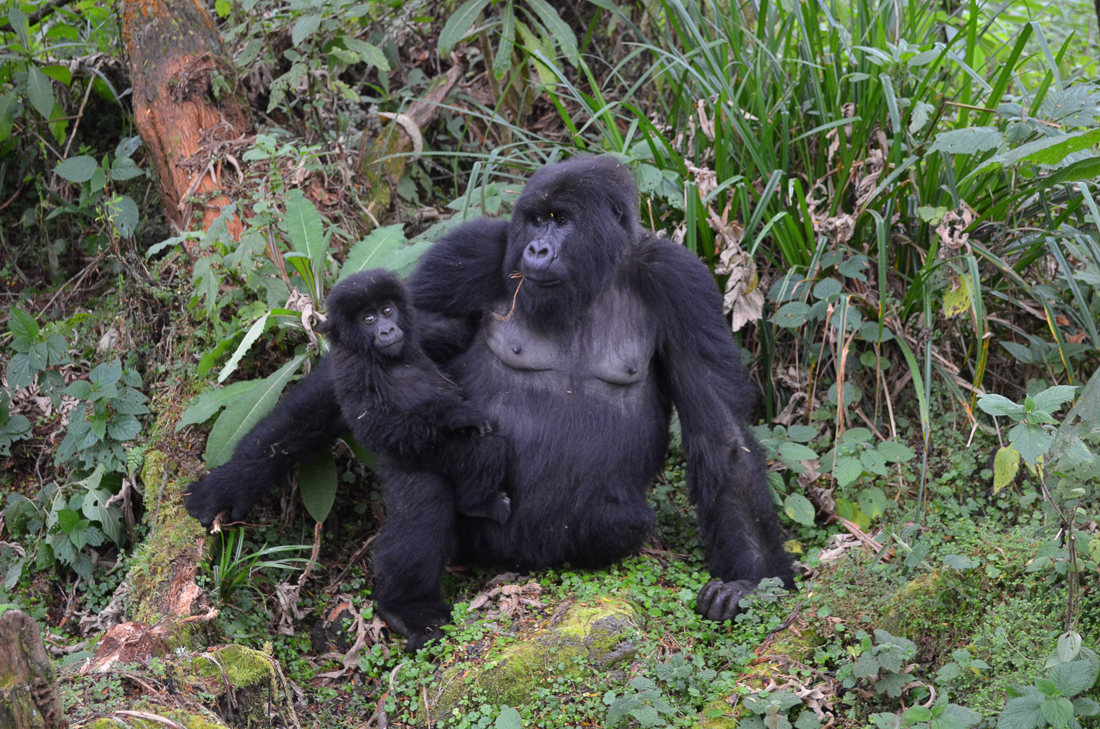
Gorilla Trekking and Gorilla Movement: What Every Traveler Must Know
Understanding how gorilla movement affects your trekking experience is one of the most practical and important things any prospective gorilla safari traveler can learn.
Unlike zoo encounters where animals are in fixed locations, wild gorilla trekking is a genuine search-and-find experience — one that is made possible only by the daily work of expert trackers who follow gorilla groups across sometimes demanding terrain.
Here is how the gorilla tracking process works, step by step:
1. Pre-Dawn Departure by Rangers:
Habituated gorilla groups are monitored by Uganda Wildlife Authority (UWA) or Rwanda Development Board (RDB) rangers every single day of the year.
Trackers leave before dawn to relocate the gorilla group from where it nested the previous evening and follow its morning movement, radioing the group’s position to the trekking team.
2. Morning Briefing for Trekkers:
At the national park headquarters, trekking groups are briefed on estimated gorilla location, likely trekking duration, terrain conditions, and behavioral guidelines. Groups are allocated to specific gorilla families, with trek difficulty matched as far as possible to trekker fitness levels.
3. Trek Begins — Following the Trail:
Trekking groups follow guides and armed rangers into the forest along routes calibrated to intercept the gorilla group’s current or anticipated position. Because gorillas continue to move during the trek, the approach route is continuously adjusted based on tracker radio updates.
4. Locating the Group:
Encounter times range from as little as 20 minutes to over 6 hours, depending on how far the gorilla group has moved since nesting the night before and the terrain between the trailhead and the group’s current position. The average trek in Bwindi is 2 to 4 hours each way.
5. The One-Hour Encounter:
Upon locating the gorilla group, your one permitted hour with the family begins. Gorillas may be stationary — resting, grooming, or sleeping — or may be actively feeding and moving through vegetation. Both scenarios offer extraordinary photographic and observational opportunities.
6. Return Trek:
After the encounter, trekking groups return to the trailhead, often via a different route depending on gorilla movement and terrain. The total day ranges from 3 to 10 hours depending on gorilla location and individual group pace.
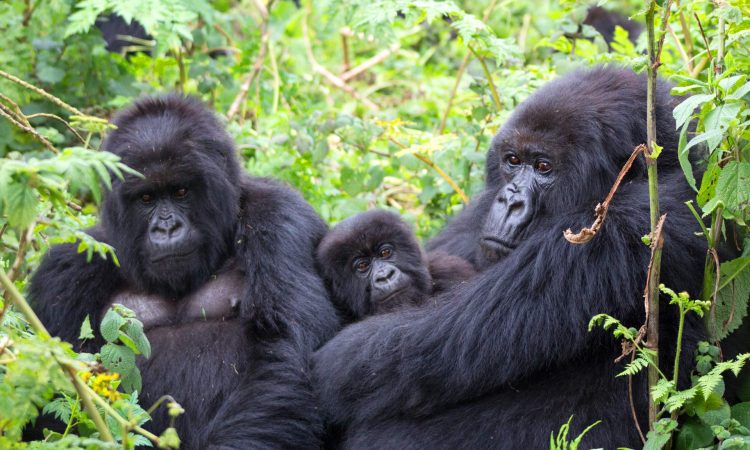
Best Time to See Gorillas Based on Their Movements
One of the most frequently asked questions among international travelers is: “when is the best time to see mountain gorillas?
The answer is nuanced and depends on what trekking experience you prioritize — but the good news is that gorilla trekking is a year-round activity in Uganda, Rwanda, and the DRC, and no season guarantees or precludes a successful gorilla encounter.
Habituation ensures that gorilla groups are located every day.
June to August — Peak Dry Season
The long dry season from June to August is widely regarded as the optimal time for gorilla trekking. Trails are at their driest and most navigable, the forest is less densely vegetated (improving visibility and photography), and the highland bamboo zones that gorillas move into during this period offer extraordinarily atmospheric encounters.
This is also peak tourism season, meaning gorilla permits sell out months in advance and accommodation at premium forest lodges must be booked early.
Travelers from Europe and North America who plan around school and work holidays should target this window but book at least 6 to 12 months ahead.
December to February — Short Dry Season
The short dry season from December to February offers conditions nearly as favorable as June to August, with the additional advantage of slightly lower tourism volumes in January and February (Christmas and New Year periods are busy).
Mountain gorillas remain accessible at moderate elevations, and the combination of clear skies and lush post-rain vegetation makes for spectacular forest scenery.
This window is particularly popular with travelers from the Middle East, Asia, and Australia during their summer/winter holiday periods.
March to May and September to November — Wet Seasons
The rainy seasons offer a genuinely different but equally rewarding gorilla experience. Gorillas descend to lower elevations where fresh vegetation is abundant, often making the physical trek shorter and less demanding.
Permit availability is better, some lodges offer seasonal discounts, and the forest at its most dramatically green is breathtakingly beautiful. The trade-off is muddy trails, rain gear requirements, and occasionally challenging photography conditions.
For budget-conscious travelers or those with flexible schedules, the green season is outstanding value for gorilla trekking in Uganda in particular.
Conservation and Protection of Gorilla Habitats
The conservation of gorilla habitats across Central and East Africa is directly synonymous with the protection of gorilla movement patterns.
A gorilla group whose home range is bisected by agricultural encroachment, logging roads, or human settlement is a group whose ecological flexibility — its ability to move in response to seasonal food availability, social pressure, or environmental disturbance — is fundamentally compromised.
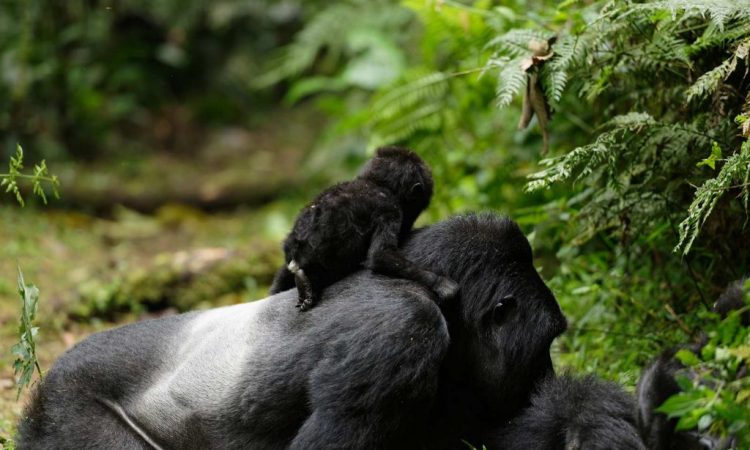
The mountain gorilla’s extraordinary recovery — from an estimated 620 individuals in 1989 to over 1,063 today — is the direct result of sustained, coordinated conservation investment in habitat protection.
The governments of Uganda, Rwanda, and the DRC, working in partnership with organizations including the Dian Fossey Gorilla Fund, the International Gorilla Conservation Programme (IGCP), the Wildlife Conservation Society, and WWF, have maintained the integrity of Bwindi and the Virunga ecosystem through law enforcement, community benefit-sharing programs, and veterinary intervention.
Community buffer zones around national parks are particularly critical for gorilla movement conservation. In both Bwindi and the Virungas, gorilla groups regularly move to the edges of national park boundaries, and the presence of human agricultural land immediately outside park borders creates both conflict risk and movement restriction.
Revenue sharing from gorilla permit fees — a percentage of which is channeled directly to communities living adjacent to gorilla habitats — is a fundamental mechanism for reducing encroachment pressure and maintaining the goodwill of local communities as gorilla conservation partners.
When you purchase a gorilla trekking permit in Uganda or Rwanda, you are directly funding this conservation mechanism.
Tracking Gorilla Movements Through Research
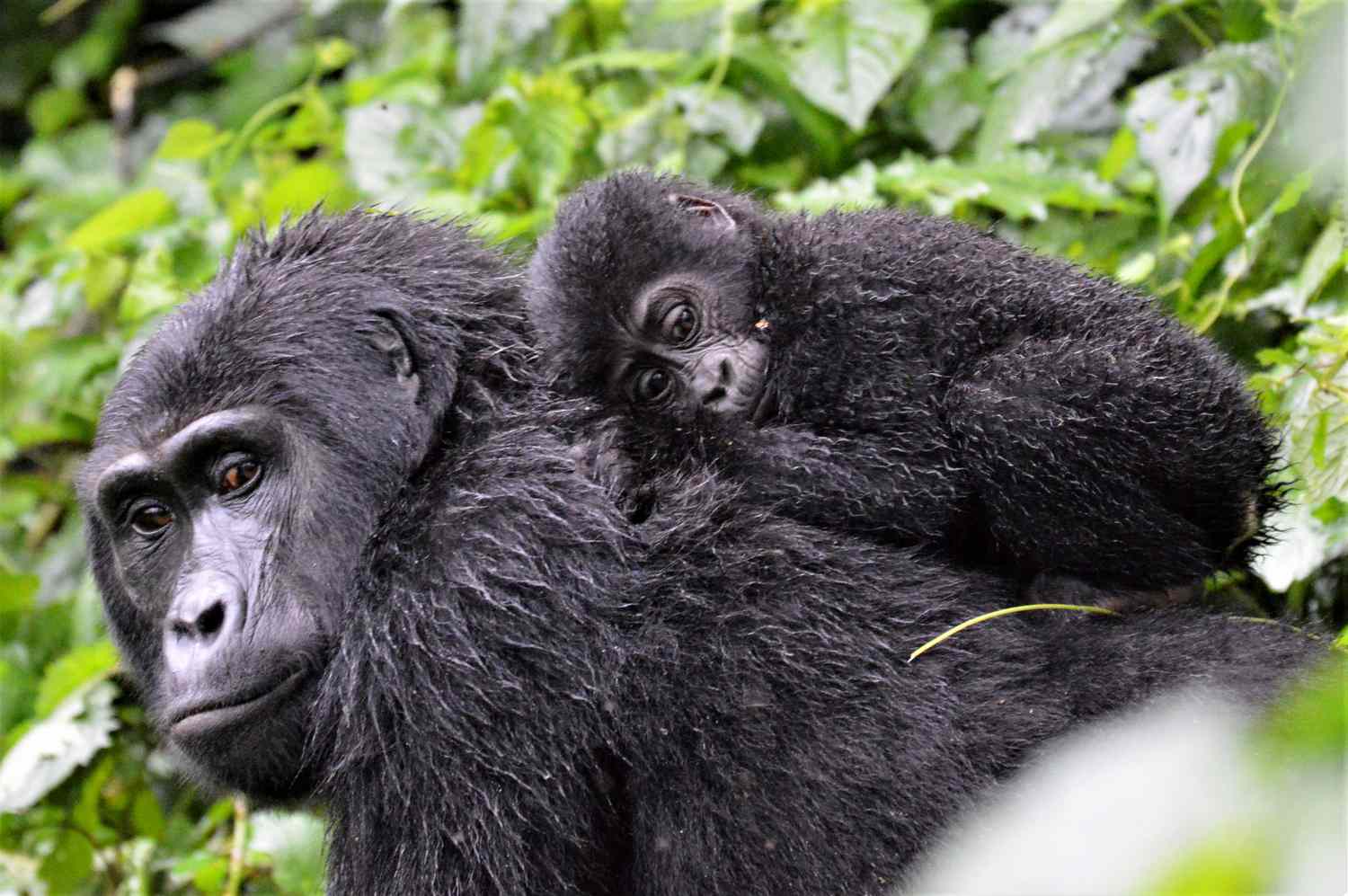
The body of scientific knowledge about gorilla ranging behavior and movement patterns has been built through decades of painstaking field research — much of it made possible by the habituation of gorilla groups to human presence, which allows researchers to follow and observe wild gorillas at close range without disturbing their natural behavior.
Long-Term Behavioral Monitoring
The Dian Fossey Gorilla Fund’s Karisoke Research Center, established in the Virunga Volcanoes in 1967, has maintained the longest continuous behavioral monitoring program of any wild great ape population on earth.
Karisoke researchers follow habituated gorilla groups daily, recording GPS location, group composition, behavioral observations, and ranging data that form a 50-plus-year longitudinal dataset of extraordinary scientific value.
This dataset has revealed how mountain gorilla home ranges have shifted over decades in response to habitat change, population growth, and changing social group composition.
GPS Collaring and Technology
GPS collaring of individual gorillas — used selectively and with veterinary care — has provided fine-grained data on individual gorilla movement within group ranges, including the movement patterns of dispersing males seeking to establish new groups.
Satellite imagery analysis allows researchers to overlay gorilla ranging data with vegetation productivity maps, providing insights into the food-landscape relationships driving movement decisions.
Camera trap networks across Bwindi and the Virungas supplement behavioral data with detection records of gorilla presence at specific forest locations, filling spatial gaps in direct observation coverage.
Community Scout Programs
In both Uganda and Rwanda, community conservation scout programs extend gorilla monitoring capacity beyond the park boundaries, tracking gorilla groups that venture into buffer zones and providing early warning of human-gorilla conflict situations.
These scouts — typically members of communities adjacent to national parks — are trained by park authorities and conservation NGOs, and their on-the-ground knowledge of local forest landscapes complements the formal research programs operating within park boundaries.
This community-embedded monitoring approach is increasingly recognized as a model for large mammal conservation across Africa.
Gorilla Behavior During Movement: What You Observe on Trek
For safari travelers, understanding gorilla behavior during movement transforms the trekking experience from a passive wildlife viewing exercise into an active, informed engagement with animal cognition and social dynamics. Gorillas on the move are fascinating to observe, and every behavioral signal has meaning.
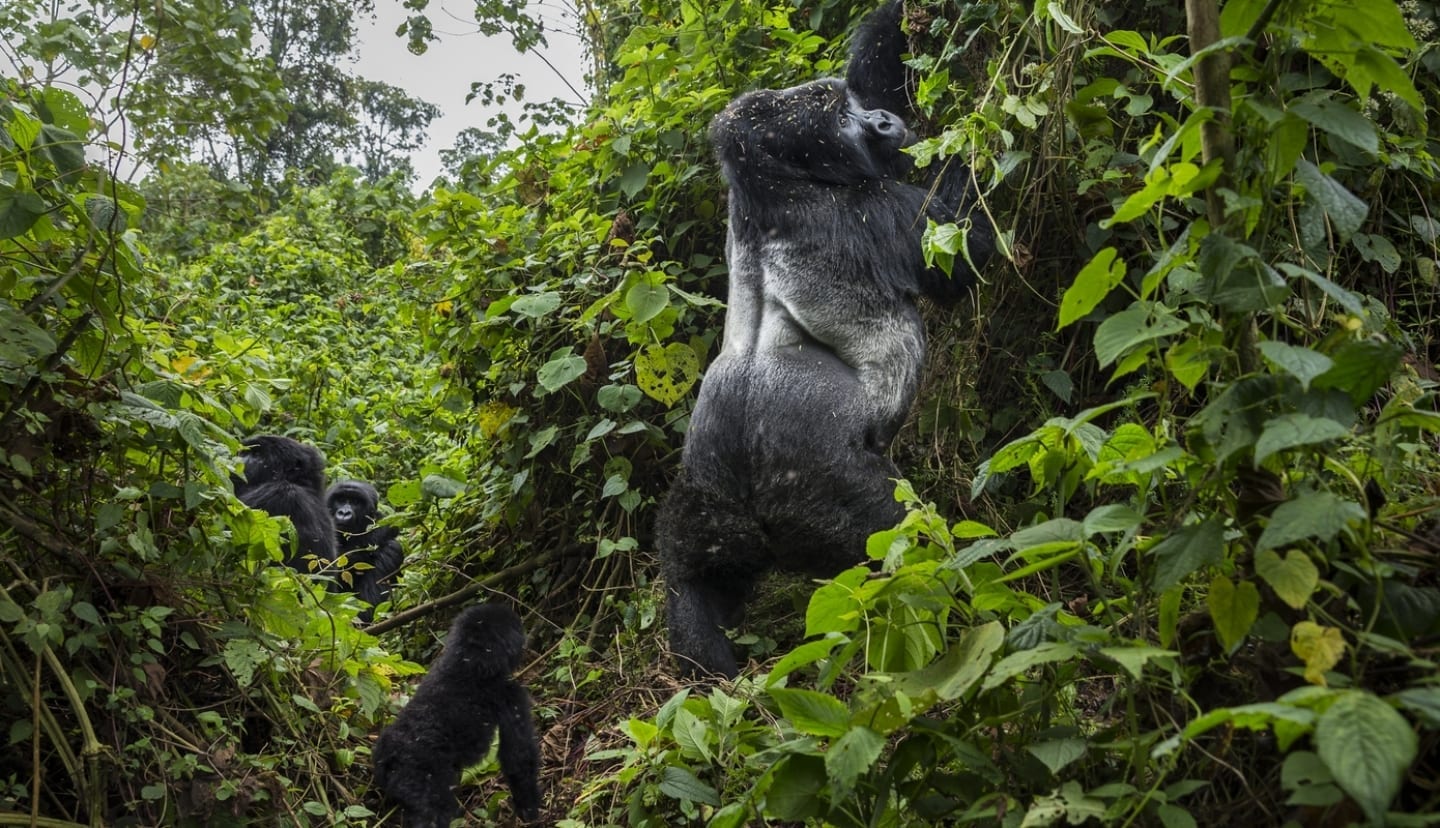
When a gorilla group moves, it does so in a characteristic social formation. The silverback leads from the front or rear — positioning himself where he can most effectively monitor both the direction of travel and potential threats from behind.
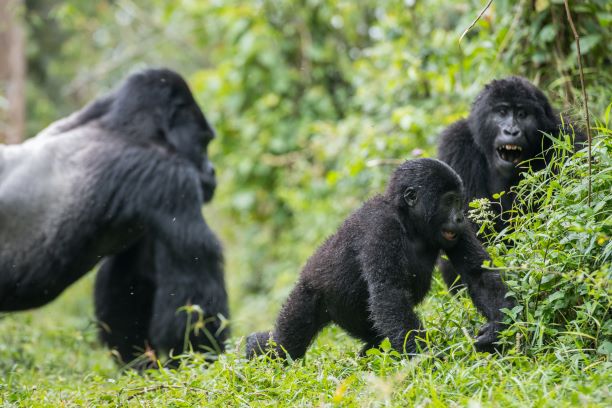
Adult females with infants move in the middle of the group, with juveniles moving more loosely around the edges, often pausing to investigate interesting objects or engage in brief play interactions.
Sub-adult males — the blackbacks — typically travel at the rear or on the flanks, learning the silverback’s route-finding strategies through close observation.
Movement through dense forest is navigated using well-worn gorilla trails — paths through the vegetation created by decades of repeated use by successive gorilla groups following the same productive routes between food patches and nesting sites.
Experienced trackers can identify these trails by the characteristic compression and breakage of vegetation, by fresh dung deposits, and by the knuckle-print marks left by heavy gorillas moving at speed.
Following these trail networks gives trackers predictive power over gorilla movement — allowing them to position trekking groups ahead of a moving family rather than simply chasing them through difficult terrain.
Trekkers who encounter a gorilla group that is actively moving rather than at rest should count themselves fortunate: a moving gorilla group offers extraordinary behavioral observations, including the silverback’s chest-beating displays when group movement is interrupted by the human presence, the vocalizations used to maintain contact between group members in dense vegetation, and the remarkable efficiency with which large gorillas navigate what appears to be impenetrable forest undergrowth.
How Gorilla Movements Affect Safari Planning
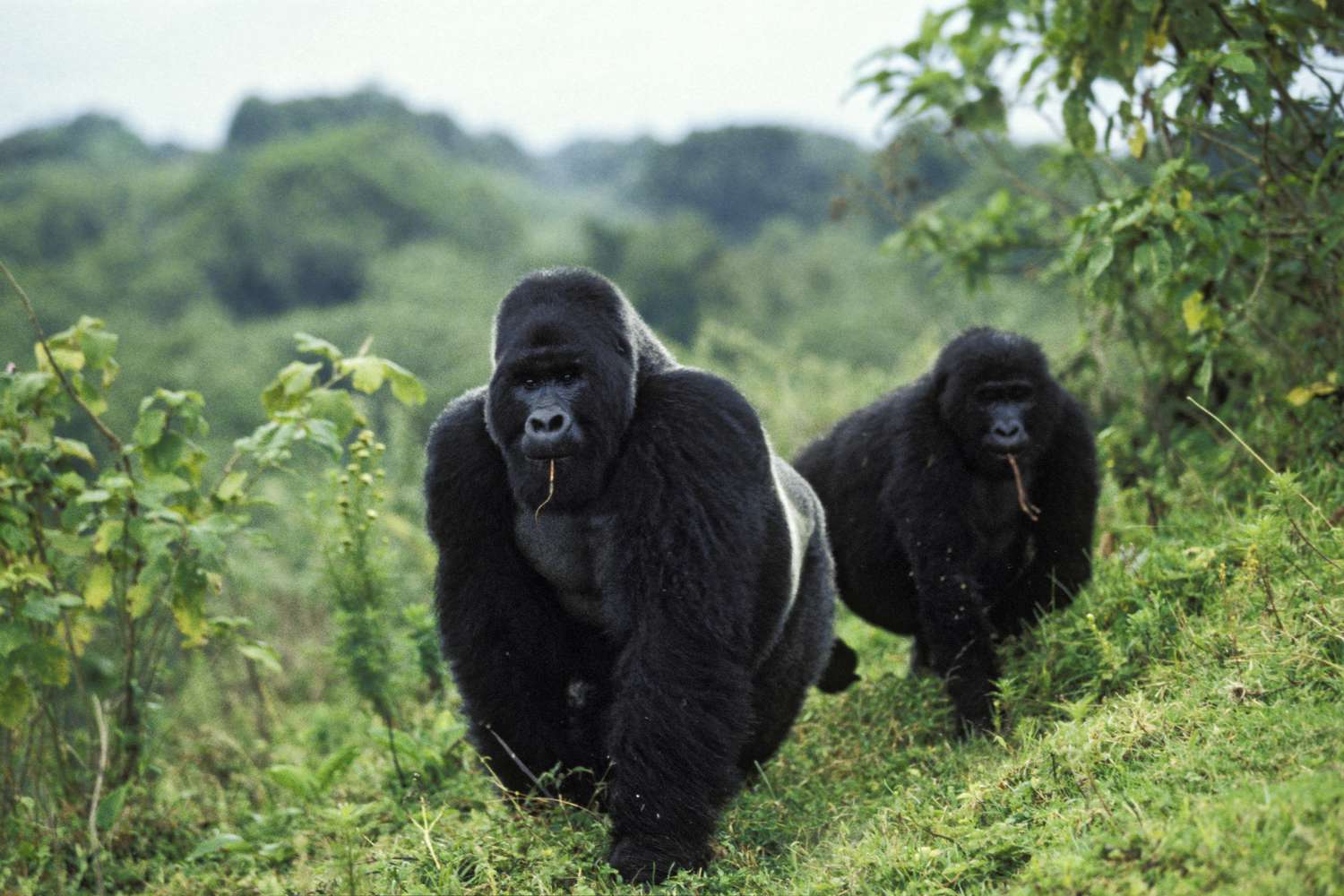
For international travelers, understanding gorilla movement is not just intellectually satisfying — it is practically essential for planning a successful gorilla safari.
Here are the key planning implications:
1. Build in flexibility:
Trek duration is genuinely unpredictable because gorilla location varies daily. Allow a full day for your gorilla trekking experience and do not schedule flights, transfers, or other activities on the same day as your trek.
2. Choose your sector strategically:
In Bwindi, different sectors — Buhoma, Ruhija, Rushaga, and Nkuringo — host different gorilla families whose ranges are centered in different parts of the park. Your lodge location and the specific family you are allocated to will affect average trek difficulty.
3. Physical fitness matters:
Because gorilla location varies and trekkers must follow where gorillas lead, physical fitness preparation is essential. Cardiovascular fitness, comfortable hiking boots, and trekking poles all significantly improve your trekking experience across variable terrain.
4. Permit allocation is not guaranteed by location:
Gorilla permits in Uganda and Rwanda are allocated to specific habituated families, not to trails or zones. Your allocated family’s daily location will determine your trek, not vice versa.
5. Book early and book through specialists:
Permit allocations and lodge availability are managed by national park authorities months in advance. Working with a specialist gorilla safari operator ensures you secure both the permit and appropriate accommodation in the right location.
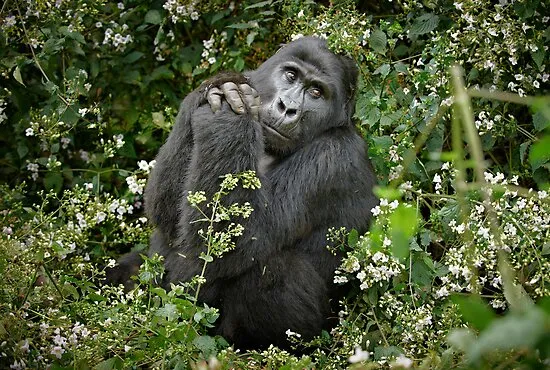
Gorilla Trekking Destinations in Africa: Where to Go
There are three countries in Africa where legal, ethical mountain gorilla trekking is possible, each offering a distinct landscape, infrastructure, and experience profile.
A small number of destinations also offer encounters with western lowland gorillas and eastern lowland gorillas for travelers seeking to experience the full breadth of Africa’s gorilla diversity.
Uganda — Bwindi Impenetrable National Park
Uganda is the world’s premier gorilla trekking destination. Bwindi Impenetrable National Park hosts approximately 459 mountain gorillas across more than 20 habituated families — the largest number of habitually accessible gorilla families anywhere on earth.
Spread across four trekking sectors (Buhoma, Ruhija, Rushaga, and Nkuringo), Bwindi offers both classic gorilla trekking (USD 800 per permit) and the extended Gorilla Habituation Experience (USD 1,500 per permit) — a full day spent with a gorilla family in the process of habituation.
Uganda also offers the unique opportunity to combine gorilla trekking with chimpanzee tracking in Kibale National Park and classic savannah safaris in Queen Elizabeth or Murchison Falls National Parks.
Rwanda — Volcanoes National Park
Rwanda’s Volcanoes National Park is home to 12 habituated gorilla families on the dramatic slopes of the Virunga Volcanoes.
Rwanda has positioned itself as Africa’s premium gorilla trekking destination, with permit prices at USD 1,500 per person reflecting a deliberate high-value, low-volume tourism strategy.
The park’s proximity to Kigali (approximately 2.5 hours’ drive) and the concentration of exceptional luxury lodges in the foothills of the Virungas make Rwanda the choice for high-end travelers seeking a refined safari experience.
Rwanda also offers the Gorilla Naming Ceremony (Kwita Izina) — an annual conservation celebration where newly born gorillas are given names, held each September.
Democratic Republic of Congo — Virunga National Park
The Democratic Republic of Congo offers gorilla trekking in Virunga National Park — Africa’s oldest national park and a UNESCO World Heritage Site.
Permits are significantly more affordable at approximately USD 400 per person, and the volcanic landscape and sense of frontier adventure attract experienced travelers seeking an off-the-beaten-path experience.
Travelers must check current security conditions and government travel advisories carefully before planning a DRC gorilla safari, as the security situation in eastern Congo fluctuates.
Republic of Congo — Western Lowland Gorillas at Odzala
For travelers wishing to see western lowland gorillas in their rainforest habitat, Odzala-Kokoua National Park in the Republic of Congo offers extraordinary encounters with habituated western lowland gorilla groups at the Ngaga Camp.
Unlike the montane forest encounters of Uganda and Rwanda, western lowland gorilla trekking at Odzala takes place in dense tropical rainforest, and encounters at forest clearings (bais) where gorillas gather to feed on mineral-rich aquatic vegetation provide a radically different wildlife experience.
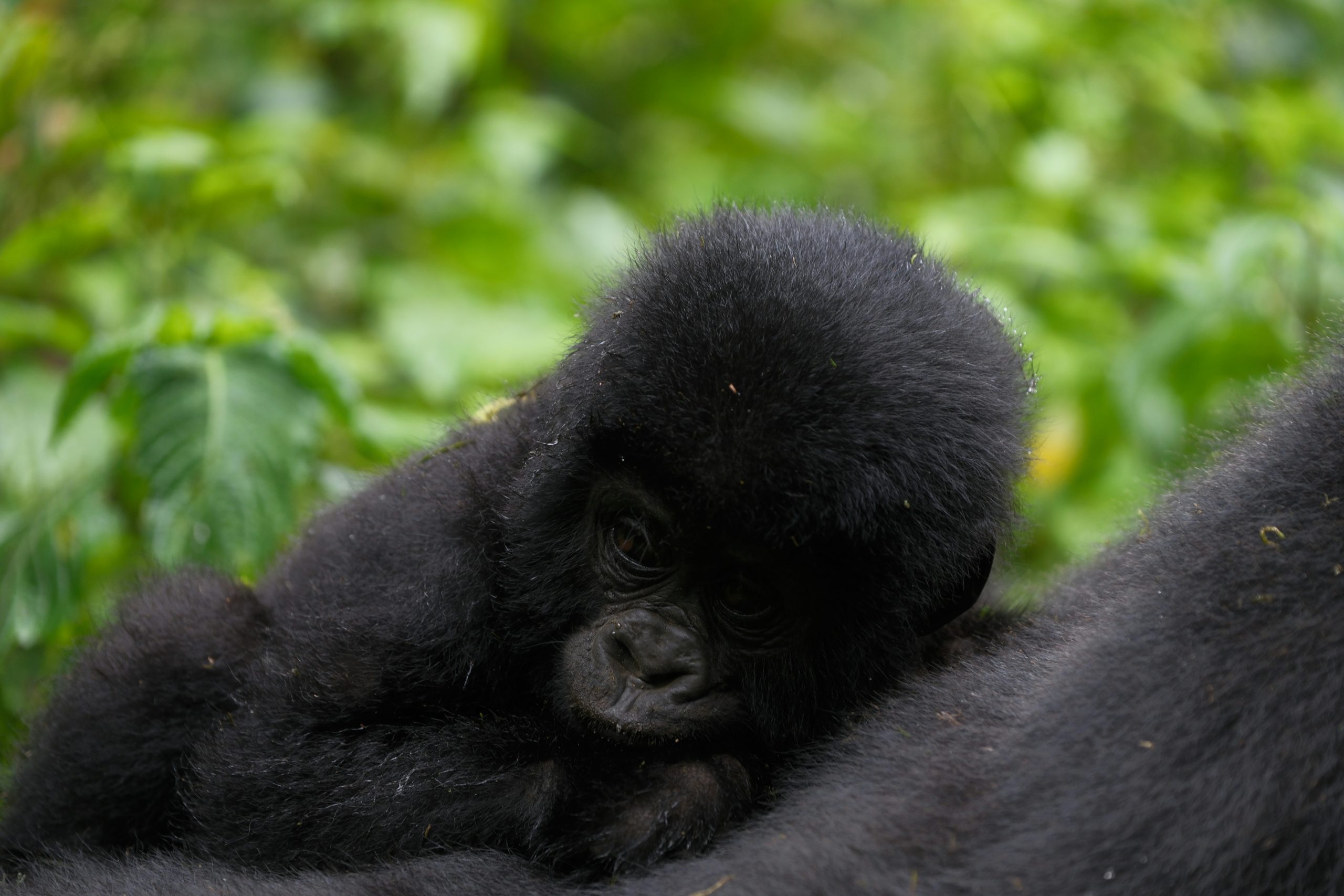
FAQs About Gorilla Migration Patterns
Do mountain gorillas migrate seasonally?
Mountain gorillas do not migrate in the classical sense but do exhibit seasonal altitudinal movement within their home ranges. During dry seasons, groups tend to move to higher elevations where highland vegetation remains productive. During wet seasons, they descend to lower elevations where fresh growth is abundant. This vertical ranging is the closest behavioral equivalent to seasonal migration that mountain gorillas display.
How large is a mountain gorilla’s home range?
Mountain gorilla home ranges typically span between 10 and 40 square kilometers, depending on group size, habitat quality, and competition from neighboring groups. Groups in the food-rich Virunga Volcanoes tend toward the lower end of this range, while groups in Bwindi’s more heterogeneous forest landscape may range more widely in pursuit of preferred food resources across different forest types.
How far do gorillas travel each day?
Mountain gorillas travel an average of 0.5 to 1.5 kilometers per day within their home range, though distances of up to 3 kilometers are recorded during periods of food scarcity. Western lowland gorillas, with their fruit-dominated diet requiring pursuit of patchily distributed fruiting trees, travel considerably farther — daily distances of 2 to 5 kilometers are common in some populations.
Can gorillas cross national park boundaries?
Yes — gorilla groups regularly move beyond national park boundaries into surrounding buffer zones and occasionally into agricultural land. This is particularly common in the Virunga ecosystem, where gorilla groups have been documented crossing between Uganda, Rwanda, and the DRC. Cross-boundary movement is monitored by rangers from all three countries under collaborative IGCP protocols to ensure continuous protection of transboundary groups.
Does rainfall affect gorilla movement?
Rainfall has a strong indirect effect on gorilla movement through its influence on vegetation productivity. Rainfall stimulates the flush of new leaves, shoots, and fruits that gorillas prefer, drawing groups to areas of peak food abundance. Bamboo shoot emergence following rains is one of the most powerful movement triggers in mountain gorilla groups, causing deliberate directional movement toward bamboo zones within the home range.
Do gorilla groups ever permanently relocate to new areas?
Permanent relocation of a gorilla group’s home range center is rare but does occur, typically following major social events such as silverback death, group fission (splitting), or sustained conflict with a neighboring group. Young silverbacks establishing new groups after dispersing from their natal group must establish entirely new home ranges, which sometimes involve exploring terrain well outside established population centers. These dispersal events are important for genetic exchange between gorilla populations.
How does gorilla movement affect the difficulty of my trek?
Gorilla movement directly determines trek duration and difficulty on any given day. If a gorilla group has moved far from its previous night’s nesting site, trekkers may face a long approach across challenging terrain. If the group is resting nearby, the trek may be very short. Average trek duration in Bwindi is 2 to 4 hours each way, but first-time trekkers should prepare physically for up to 6 hours of walking in steep, densely vegetated forest.
Are gorilla movements predictable enough for guaranteed sightings?
While exact daily gorilla location is unpredictable, sighting rates for habituated gorilla groups are effectively 100% — rangers locate the group every day before trekking begins. What varies is the difficulty and duration of reaching the group. No reputable gorilla trekking operator can guarantee a specific trek duration, but the gorilla encounter itself is virtually certain with a properly habituated group.
Do gorillas move at night?
Gorillas are strictly diurnal — active only during daylight hours. Each evening before dusk, gorilla groups construct sleeping nests from bent vegetation, either on the ground or in trees, and remain in or near these nests throughout the night. Morning movement away from the nest site begins at sunrise with the start of the daily feeding period. Rangers use the previous evening’s nest site as their starting point to relocate the group each morning.
Do gorillas from different countries interbreed?
Yes — in the Virunga ecosystem, which spans Uganda, Rwanda, and the DRC, gorilla groups move freely across international boundaries, and genetic exchange between groups from different countries is documented. This cross-boundary gene flow is biologically critical for the mountain gorilla population’s long-term genetic health. It is one of the key conservation rationales for the tripartite transboundary protection agreement maintained by all three Virunga range states.
How does logging and deforestation affect gorilla movement?
Habitat loss through logging and agricultural encroachment is the single greatest long-term threat to gorilla movement ecology. When forest is cleared, gorilla home ranges contract, groups are forced into suboptimal areas, and the possibility of peaceful home range overlap between groups is replaced by forced competition in reduced space. Forest fragmentation also disrupts male dispersal — young silverbacks unable to move freely through continuous forest cannot establish new groups, reducing population growth capacity.
Is it better to trek gorillas in Uganda or Rwanda?
Both destinations offer extraordinary gorilla trekking experiences with habituated groups, expert rangers, and responsible management. Uganda offers more gorilla families, lower permit prices (USD 800 vs. USD 1,500), and a broader range of safari combination options. Rwanda offers easier logistics, premium luxury accommodation, and shorter trekking distances on average. The best choice depends on your budget, time, and the overall safari itinerary you want to build.
Conclusion: What Gorilla Movement Patterns Reveal — and Why It Matters for Your Safari
Gorilla movement is not random wandering through an undifferentiated forest.
It is a sophisticated, ecologically informed, socially coordinated daily negotiation between a primate group and its living landscape — driven by food, shaped by seasons, led by a silverback whose cognitive map of his home range is as detailed and purposeful as any navigator’s chart.
Understanding gorilla migration and movement patterns gives every trekker a richer framework for interpreting what they observe during their one privileged hour with a gorilla family: the direction the silverback chooses when the group moves off, the specific vegetation the group pauses to exploit, the altitude at which you encounter them, and the territory they are passing through on their daily circuit of a landscape they know far better than any human visitor ever will.
For conservation, gorilla movement science is not merely descriptive — it is prescriptive. The ranging data, home range maps, and seasonal movement records generated by long-term research programs in Bwindi and the Virungas directly inform park management decisions: where to concentrate anti-poaching patrols, where to establish community buffer zone programs, where to prioritize habitat restoration, and how to manage the boundaries between protected forest and the human agricultural landscape that surrounds it.
Every gorilla trekking permit sold contributes to the financial sustainability of this research and management infrastructure.
The mountain gorilla’s story — from the brink of extinction in the 1980s to a slowly recovering population of over 1,000 individuals today — is one of conservation’s greatest achievements.
It is a story in which the movement of gorillas through their forest home, carefully tracked and fiercely protected, has been the living measure of success.
When you trek into Bwindi or the Virungas and find your gorilla family in the morning mist, you are finding them precisely because generations of researchers, rangers, conservationists, and tourism revenues have kept their forest intact and their movement free. That is a privilege worth protecting — and worth celebrating.
BOOK YOUR GORILLA TREK WITH GOSILVERBACK SAFARIS
Your mountain gorilla encounter is waiting — and the clock is ticking on permit availability. GoSilverback Safaris is East Africa’s specialist gorilla trekking operator, with deep expertise in Bwindi Impenetrable National Park, Rwanda’s Volcanoes National Park, and the wider Great Apes of Africa circuit.
Our safari specialists handle every detail: gorilla permit procurement in Uganda and Rwanda, forest lodge bookings from budget to ultra-luxury, airport transfers, trekking gear advice, and pre-departure gorilla behavior briefings that turn first-time trekkers into informed wildlife observers from day one.
With gorilla permit numbers strictly limited by national park authorities — and peak-season permits selling out 6 to 12 months in advance — the time to plan your gorilla safari is now, not later.
Whether you are dreaming of a standalone gorilla trekking experience or a comprehensive East Africa wildlife safari combining gorillas, chimpanzees, and savannah game drives, GoSilverback Safaris will build your perfect itinerary.
Contact GoSilverback Safaris Today
- Uganda Gorilla Permits: USD 800 per person | Rwanda Gorilla Permits: USD 1,500 per person
- Gorilla Habituation Experience (Uganda): USD 1,500 per person
GoSilverback Safaris — Africa’s Mountain Gorilla Trekking Specialists
Uganda | Rwanda | DR Congo | Republic of Congo | East & Central Africa.