Gorilla Mating Behavior Guide: A Deep Dive into the Private Lives of Great Apes
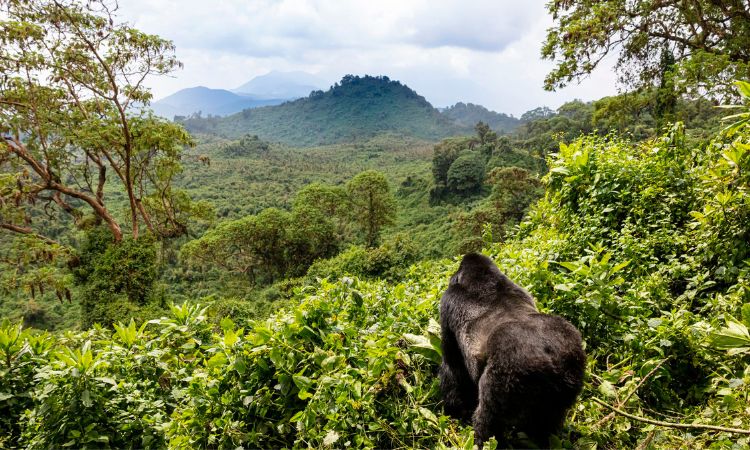
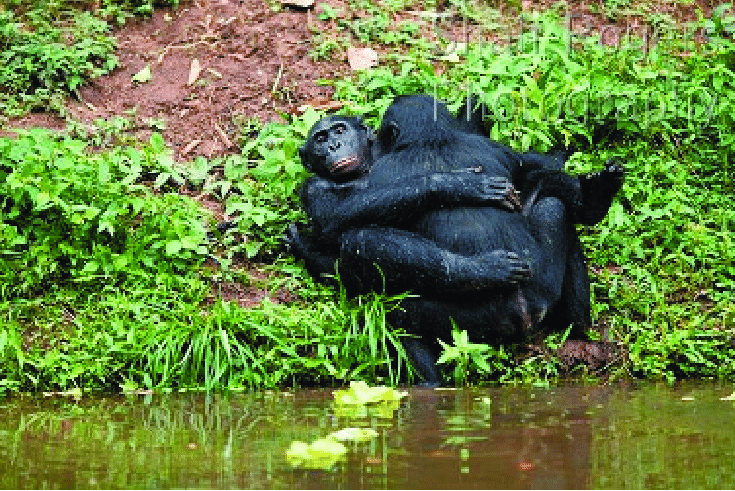
The misty slopes of the Virunga Mountains and the dense canopies of Bwindi Impenetrable Forest hold many secrets, but few are as central to the survival of the species as Gorilla Mating Behavior.
For the discerning traveler embarking on a primate safari, understanding the reproductive nuances of these magnificent creatures transforms a simple wildlife viewing into a profound observation of evolutionary strategy.
At GoSilverback Safaris, we believe that informed travelers are the best conservation ambassadors. This comprehensive guide explores the complexities of gorilla reproduction, from the silverback’s undisputed authority to the subtle courtship signals of the females.
What Is Gorilla Mating Behavior? (Definition & Overview)
Gorilla mating behavior refers to the full spectrum of reproductive social dynamics within gorilla groups — encompassing courtship rituals, mate selection, copulation, birth cycles, and post-natal care.
Understanding gorilla mating behavior is essential not only for primatologists and conservation biologists, but also for wildlife travelers who want to comprehend the complex social dynamics unfolding before them during a gorilla trekking experience in Uganda, Rwanda, or the Democratic Republic of Congo.
Gorillas are classified as great apes (family Hominidae), sharing approximately 98.3% of their DNA with human beings. This biological proximity makes their reproductive behavior fascinatingly parallel to our own in certain respects, yet strikingly different in others.
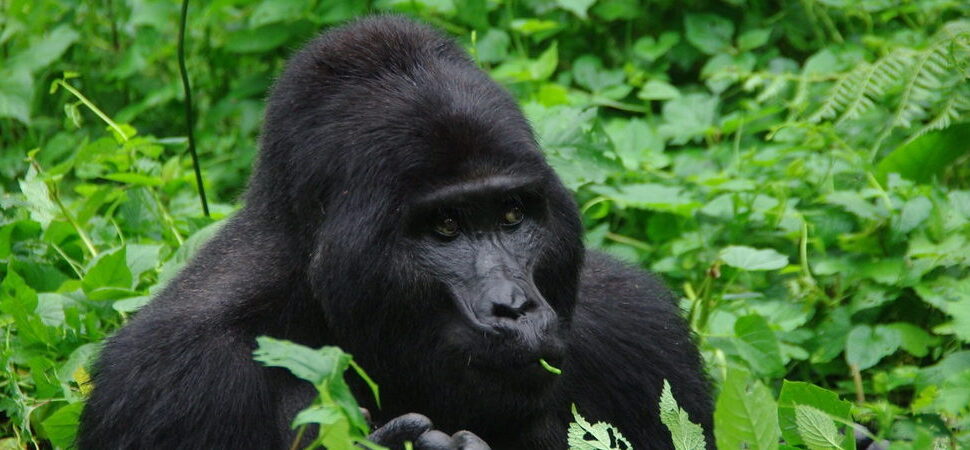
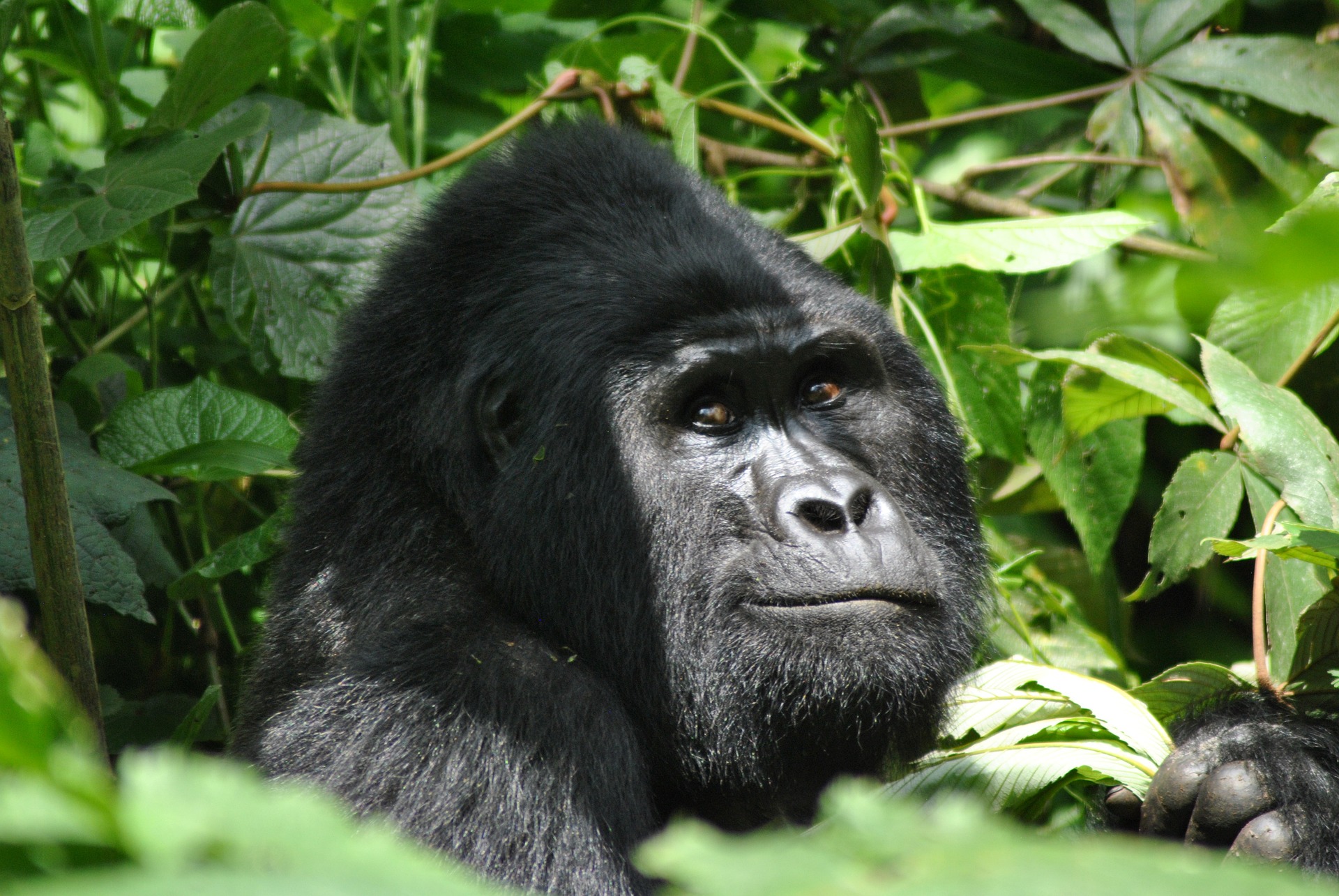
Gorillas live in structured family groups called troops or bands, typically led by a dominant adult male known as a silverback — named for the distinctive saddle of silver-gray hair that develops across his back at full sexual maturity.
Unlike many mammal species that operate on strict seasonal mating cycles, gorillas reproduce year-round, with females entering estrus approximately every 28 days when not pregnant or nursing.
This non-seasonal reproductive pattern is a defining characteristic of gorilla mating behavior and sets these primates apart from many other African wildlife species. Mating in gorilla societies is deeply intertwined with dominance hierarchies, group cohesion, infanticide risk, and long-term social bonds.
The study of gorilla reproductive behavior has advanced significantly since George Schaller’s groundbreaking field research in the late 1950s, and later through the landmark work of Dr. Dian Fossey at the Karisoke Research Centre in Rwanda.
Today, researchers at multiple field stations across East and Central Africa continue to document how gorilla mating behavior shapes group dynamics, genetic diversity, and ultimately, the survival of one of the world’s most endangered primate species.
This complete guide presents the latest scientific understanding in accessible language for international wildlife travelers and conservation advocates.
Gorilla Species & Reproductive Differences
There are four recognized gorilla subspecies, divided into two distinct species: the Eastern gorilla (Gorilla beringei) and the Western gorilla (Gorilla gorilla).
Each subspecies inhabits different geographic ranges and demonstrates subtle but scientifically important differences in mating behavior, group composition, and reproductive success rates.
Mountain Gorillas (Gorilla beringei beringei)
Mountain gorillas are the most studied subspecies and the primary focus of gorilla tourism in Rwanda’s Volcanoes National Park and Uganda’s Bwindi Impenetrable National Park.
With a global wild population of approximately 1,063 individuals as of the most recent census, mountain gorillas occupy high-altitude montane forests between 2,200 and 4,500 metres above sea level.
Their mating groups are predominantly one-male (unimale) or multi-male structures, with group sizes averaging 10 to 30 individuals.
Reproductive rates are notably low: females typically produce one offspring every four to six years, making each birth critically important to species survival.
Eastern Lowland Gorillas (Gorilla beringei graueri)
Eastern lowland gorillas, also known as Grauer’s gorillas, are the largest primate subspecies on Earth and are classified as Critically Endangered with an estimated population of fewer than 3,800 individuals.
Found in the lowland tropical rainforests of the Democratic Republic of Congo, these gorillas form larger groups than mountain gorillas and have been observed in multi-male group structures more frequently. Their reproductive intervals are similarly long, with interbirth periods of roughly four years.
Western Lowland Gorillas (Gorilla gorilla gorilla)
Western lowland gorillas represent the most numerous subspecies, with an estimated population of over 100,000 individuals across equatorial West and Central Africa. They are the subspecies most commonly found in zoological institutions worldwide, making them the most studied in captivity.
Unlike mountain gorillas, western lowland gorillas exhibit a higher degree of male-male competition and female dispersal, with females more frequently transferring between groups — a behavior with significant implications for mating dynamics and genetic diversity.
Cross River Gorillas (Gorilla gorilla diehli)
Cross River gorillas are the most critically endangered of all subspecies, with fewer than 250 to 300 individuals remaining in fragmented forest patches along the Nigeria-Cameroon border.
Their reproductive behavior is poorly documented due to extreme shyness and habitat inaccessibility, but limited studies suggest small group sizes that may compromise genetic diversity and reproductive success through inbreeding risk.
Across all subspecies, the fundamental architecture of gorilla mating behavior — silverback dominance, female choice, long interbirth intervals, and infant dependency — remains consistent, even as group size and ecological pressures create important variations in specific reproductive strategies.
The Silverback’s Reproductive Authority
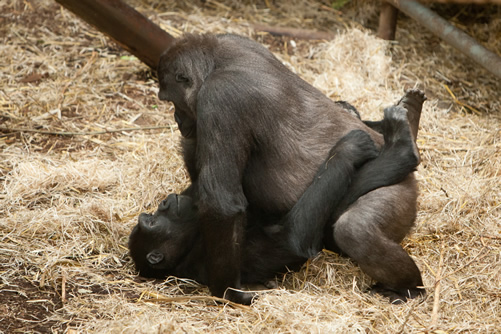
The dominant silverback male is the reproductive epicenter of any gorilla group. Understanding his role is inseparable from understanding gorilla mating behavior in its entirety.
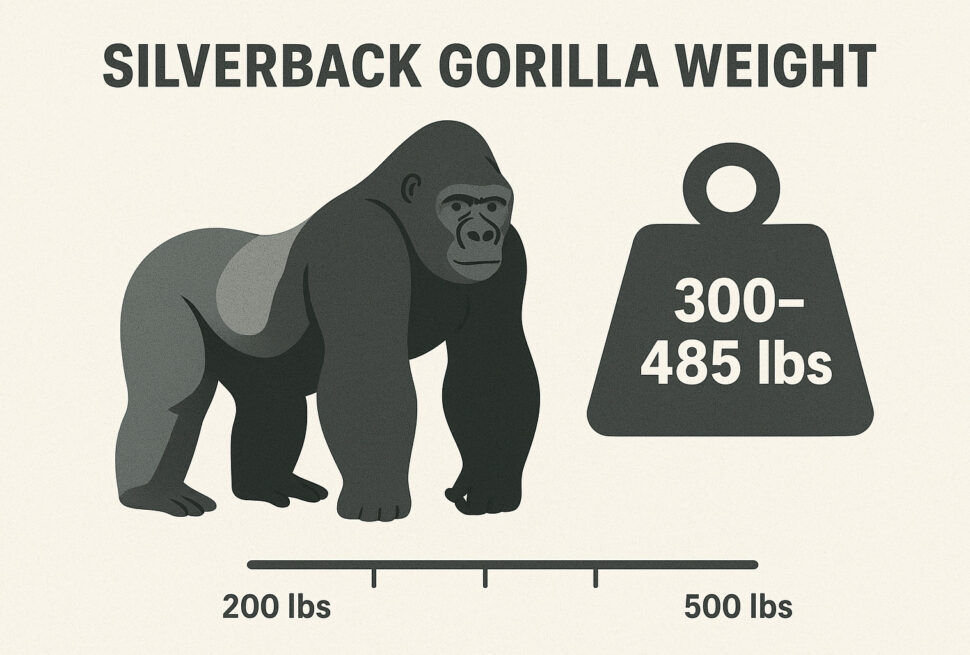
A silverback typically achieves reproductive maturity between the ages of 12 and 15 years, at which point he develops the characteristic silver hair across his saddle region, a pronounced sagittal crest atop his skull, and a dramatically increased body mass — adult silverbacks weigh between 140 and 200 kilograms (310 to 440 lbs), standing up to 1.8 metres tall when upright.
Monopoly Over Reproduction
In single-male (unimale) gorilla groups, the dominant silverback has near-exclusive mating rights over all females in his troop. Field studies at Bwindi and the Virungas consistently show that silverbacks father the overwhelming majority of offspring — up to 85 to 95 percent of all births in stable unimale groups.
This near-monopoly on reproduction is enforced through a combination of physical intimidation, social bonding, and active mate-guarding, where the silverback maintains close physical proximity to sexually receptive females.
How the Silverback Attracts and Retains Females
Contrary to a common misconception, the silverback’s reproductive dominance is not maintained purely through aggression. Females actively choose to remain with a strong silverback because he offers critical protective services.
Silverbacks are the primary defenders against predators (including leopards) and against infanticidal attacks from rival males. Research by primatologist Diane Doran-Sheehy and colleagues has demonstrated that females who transfer to larger, more dominant silverbacks experience significantly higher infant survival rates.
The silverback thus maintains reproductive authority partly through protective loyalty — females stay because he keeps them and their offspring safe.
Competition Between Males in Multi-Male Groups
In multi-male gorilla groups — which occur more commonly among mountain gorillas at Bwindi than in the Virungas — the dominant silverback still sires the majority of offspring, but subordinate males (including younger silverbacks or blackbacks) may obtain a small percentage of mating opportunities.
This typically occurs when the dominant male’s attention is divided or when females actively solicit subordinate males. Genetic paternity studies using non-invasive fecal DNA analysis have revealed that subordinate males occasionally father 10 to 15 percent of offspring in multi-male groups, suggesting that gorilla mating systems are not entirely monopolistic.
Displays of Dominance and Sexual Signaling
The silverback’s famous chest-beating display is fundamentally a reproductive fitness signal as much as it is a threat display. Research by Dr. Edward Wright and colleagues published in 2021 identified that chest beat acoustics correlate with body size, meaning that females can acoustically assess a silverback’s physical quality across forest distances.
The deeper and more resonant the chest-beat sounds, the larger and more dominant the male — providing females with a long-range cue to evaluate potential mates without direct confrontation.
Aging Silverbacks and Succession
A silverback’s reproductive career may span 15 to 25 years, but his dominance gradually wanes as he ages and younger males challenge him. When a silverback is displaced or dies, the fate of the entire group — and critically, all dependent infants — hangs in the balance.
A takeover by a new male frequently precipitates infanticide, which is why the continuity of an established silverback’s tenure is directly linked to infant survival rates.
This critical dynamic makes the protection of established silverback-led groups a top conservation priority for organizations such as the Dian Fossey Gorilla Fund and African Wildlife Foundation.
Female Choice & Courtship Signals
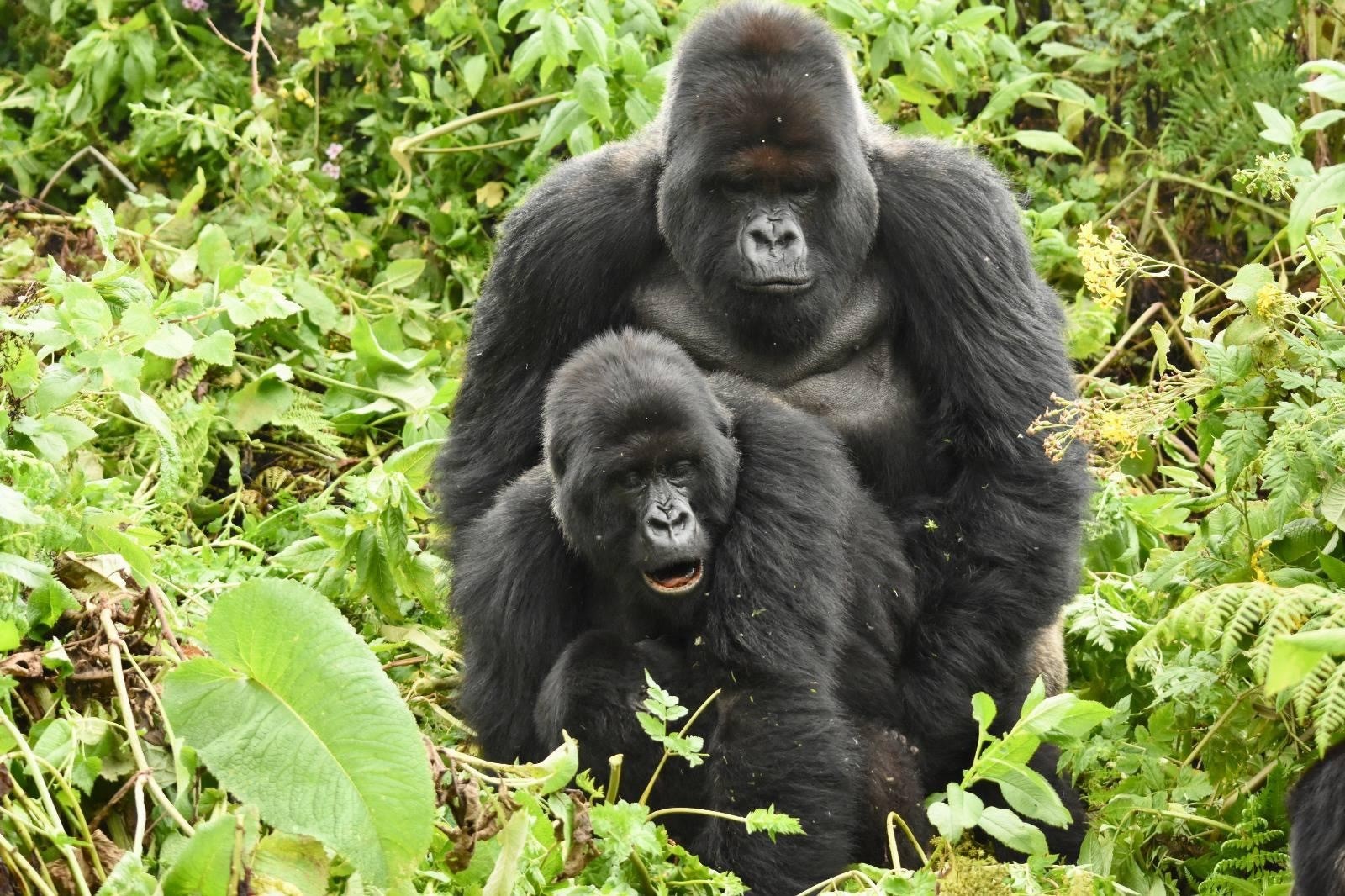
A critical — and often underappreciated — dimension of gorilla mating behavior is female agency in mate selection. While the silverback holds hierarchical reproductive authority, females exercise significant influence over when, how, and with whom copulation occurs. This dynamic is more nuanced than the simple narrative of a dominant male controlling all reproduction.
Female Initiation of Mating
Field observations at both Bwindi Impenetrable National Park and the Virunga massif consistently document that females frequently initiate copulation rather than passively waiting for the silverback to approach.
Female gorillas signal reproductive readiness through several observable behaviors:
- Pursed-lip vocalization:A soft rumbling sound produced when approaching the silverback, serving as a low-intensity sexual solicitation.
- Direct approach and crouching posture:Females will approach the silverback directly and assume a crouching presentation posture indicating receptivity.
- Prolonged eye contact and proximity maintenance:Females may follow the silverback and maintain unusually close body proximity during periods of peak estrus.
- Genital presentation:Direct physiological signaling of ovulation readiness, similar to behaviors documented in other great ape species.
These female-initiated courtship behaviors are most frequent during the periovulatory window — the 3 to 5 days surrounding ovulation — when successful fertilization is most probable.
The frequency and intensity of female solicitation behaviors serve as a reliable indicator to field researchers and conservation monitors of a female’s reproductive cycle stage.
Female Dispersal as Mate Choice
One of the most dramatic expressions of female reproductive choice in gorillas is voluntary group transfer. Unlike many primate species where males disperse from their natal group, female gorillas are the primary dispersers.
Young females approaching sexual maturity (typically between ages 8 and 10) will often leave their birth group voluntarily to join another group or attach themselves to a solitary silverback.
This transfer behavior is a direct expression of mate selection — females choose the silverback with whom they will reproduce based on assessed indicators of quality including group stability, group size, and the male’s apparent vigor.
Female Coalitions and Social Influence
In established multi-female groups, dominant females may also exert social pressure that indirectly influences mating access. Senior females who have long-standing relationships with the silverback can interrupt or disrupt the mating attempts of subordinate females, effectively prioritizing their own reproductive access.
This female-to-female competition adds another layer of complexity to gorilla mating behavior that pure silverback-dominance models fail to capture.
The Gorilla Reproductive Cycle
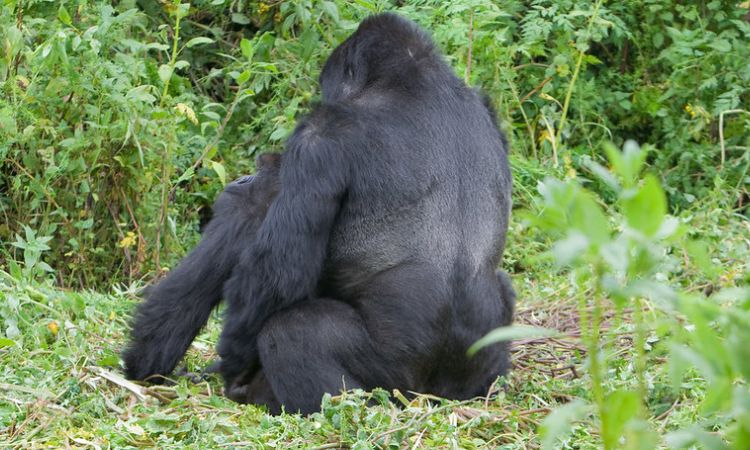
A thorough understanding of the gorilla reproductive cycle is fundamental to grasping why gorilla populations are so biologically vulnerable and why conservation efforts require exceptional long-term commitment.
Estrous Cycle and Ovulation
Female gorillas have a menstrual cycle of approximately 28 days, closely paralleling the human cycle. Unlike chimpanzees and bonobos, gorillas exhibit minimal external sexual swelling during estrus — a subtle perineal swelling that is far less pronounced than in other great apes.
This means that visual estrus signals in gorillas are relatively inconspicuous, placing greater emphasis on behavioral and olfactory signals to coordinate mating.
Sexual Maturity and First Reproduction
Female gorillas reach sexual maturity between 7 and 8 years of age but typically do not produce their first offspring until ages 10 to 12, partly due to the time required to transfer groups and establish themselves socially.
Male gorillas reach sexual maturity around 11 to 13 years of age but rarely have reproductive access until they achieve silverback status, typically between ages 12 and 15.
The gap between biological maturity and actual reproduction contributes to the gorilla’s characteristically slow population growth rate.
Gestation and Birth
Gorilla gestation lasts approximately 8.5 months (257 days) — slightly shorter than the human gestation period of 9 months. Births are almost exclusively single; twins are extraordinarily rare and occur at a rate of less than 2 percent of all births.
Newborn gorillas are remarkably helpless at birth, weighing approximately 1.8 kg (4 lbs) — less than half the birth weight of a human infant relative to maternal body size.
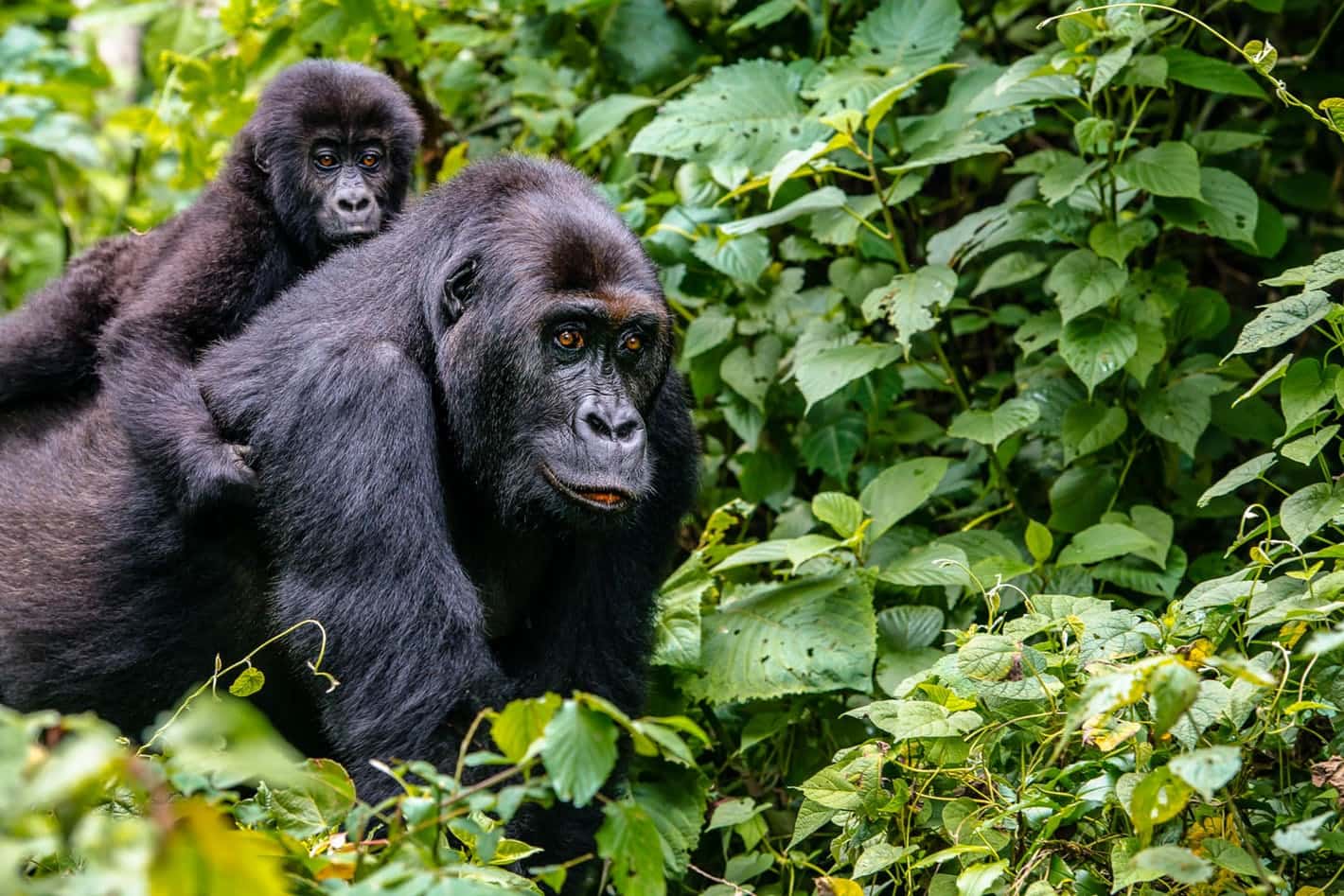
They cling to their mother continuously for the first several months of life and are carried on her back for the first 2 to 3 years.
Interbirth Interval and Slow Population Recovery
The most critical biological constraint on gorilla population recovery is the long interbirth interval of 4 to 6 years. This interval is governed by prolonged lactational amenorrhea — the suppression of ovulation while a female is nursing.
Because gorilla infants nurse for 3 to 4 years and remain dependent on their mothers well into their third year of life, the female reproductive system suppresses ovulation throughout this period.
A female gorilla may produce only 3 to 6 offspring in her entire reproductive lifetime, making each individual birth — and the survival of each infant — of profound significance to population sustainability.
Infanticide & Reproductive Strategy
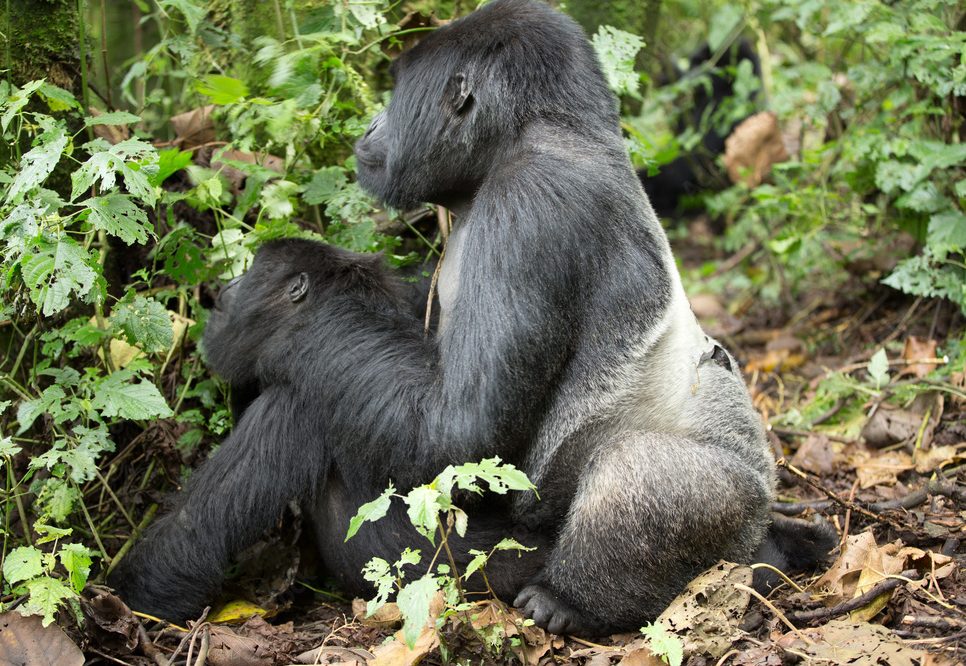
Infanticide — the killing of infants by adult males — is one of the most disturbing yet ecologically significant behaviors in gorilla social life. It is also one of the most important factors shaping gorilla mating behavior, group structure, and female reproductive decisions.
When and Why Infanticide Occurs
Infanticide in gorillas primarily occurs when a new male takes over a group following the death or displacement of the resident silverback.
The incoming male has a direct reproductive incentive to kill dependent infants that are not his own: the death of a nursing infant causes the bereaved female to resume ovulation within weeks to months rather than waiting years for weaning to complete naturally.
The incoming male can then father offspring with her far sooner, dramatically accelerating his personal reproductive timeline.
Research at Karisoke (Virunga Mountains) documented a 35 percent infant mortality rate attributable to infanticide during periods of group instability and male takeovers.
This stark statistic underscores why group stability and silverback longevity are such critical conservation metrics — protecting an established silverback is, in direct biological terms, protecting the infants of his group.
Female Counter-Strategies Against Infanticide
Female gorillas have evolved several behavioral counter-strategies to minimize infanticide risk:
- Forming alliances with the dominant silverback, whose protective presence deters infanticidal attacks from outside males.
- Transferring to a stronger, more dominant silverback group before giving birth, ensuring superior infant protection.
- Confusion of paternity:In multi-male groups, females may mate with multiple males, creating ambiguity about paternity. Since males are less likely to kill infants they may have fathered, this strategy offers infants a survival buffer.
- Maintaining close physical proximity to the silverback with their infant, exploiting his protective role as a deterrent.
Infanticide and Conservation Management
Understanding infanticide has direct practical implications for gorilla conservation management. Conservation organizations including the Gorilla Doctors program and the Rwanda Development Board actively monitor group stability.
When a silverback is ill, injured, or aging, heightened vigilance is maintained around the group to document or intervene in the event of a male takeover.
The careful introduction of new silverbacks to captive breeding programs also requires detailed behavioral assessment to minimize infanticide risk — a protocol informed entirely by decades of field research into gorilla mating behavior.
How Mating Behavior Shapes Gorilla Family Hierarchy
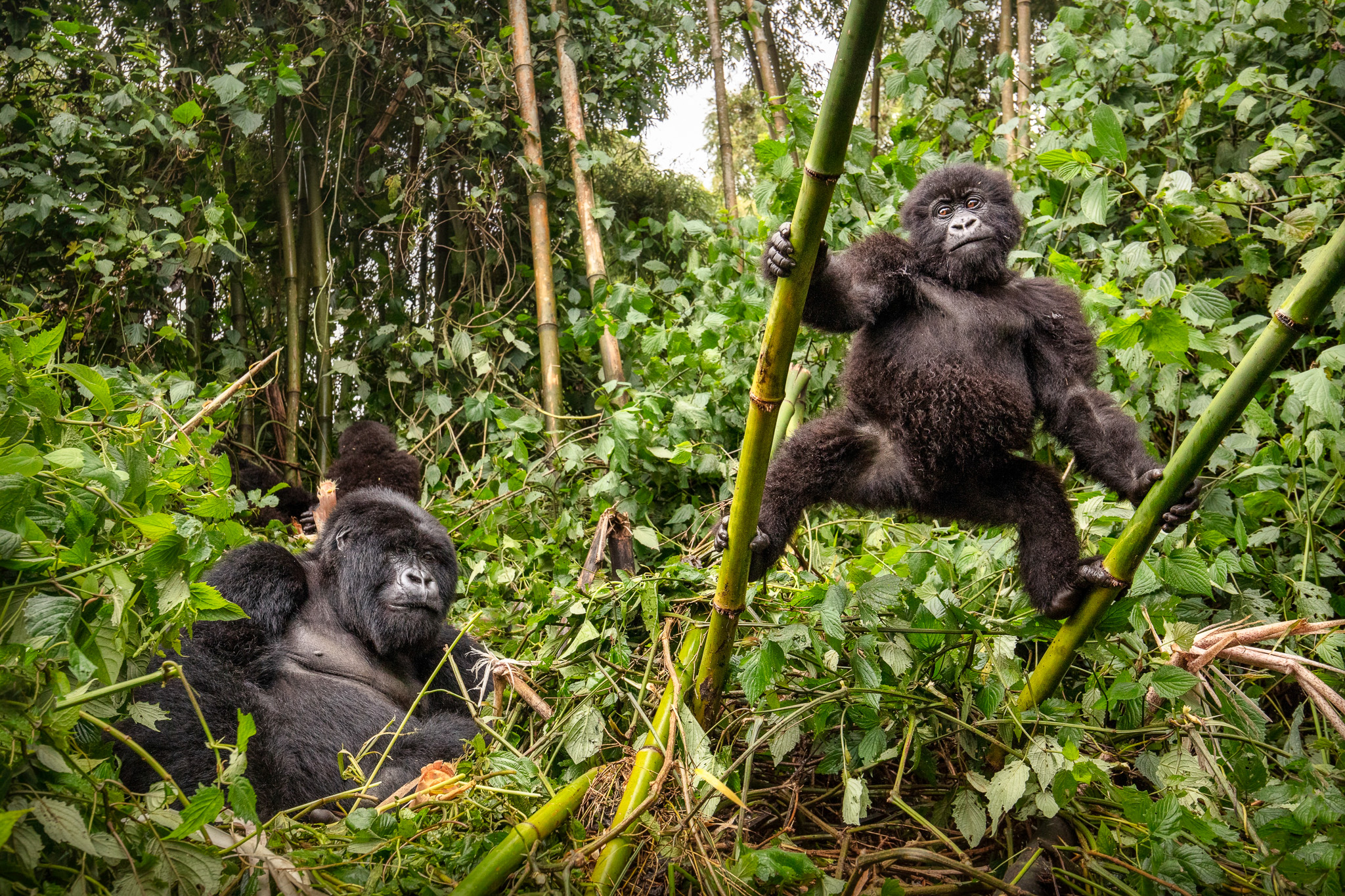
Gorilla mating behavior is not an isolated biological function — it is the structural engine of the entire gorilla social hierarchy. The reproductive dynamics within a group directly determine rank, group cohesion, individual behavioral strategies, and long-term group stability.
The Silverback as Social Nucleus
All female-male relationships within a gorilla group radiate outward from the silverback. Females rank themselves relative to one another partly through their proximity and relationship quality with the dominant male.
Senior females who have long-established bonds with the silverback tend to hold the highest female rank, influencing feeding priority, sleeping site selection, and social grooming patterns.
This hierarchy is maintained through the same reproductive logic that governs gorilla mating behavior — proximity to the silverback confers both reproductive and survival advantages.
Juvenile and Adolescent Social Learning
Young gorillas observe and learn the behavioral norms of mating and social hierarchy through extended developmental immersion in the family group.
Male juveniles and adolescents (blackbacks) are closely attuned to the silverback’s behavior, practicing dominance displays, chest-beating, and social signaling long before they achieve reproductive status.
This developmental period of social learning through observation is a critical component of how mating behavior and hierarchical norms are transmitted across gorilla generations.
Group Fissions and Hierarchical Disruption
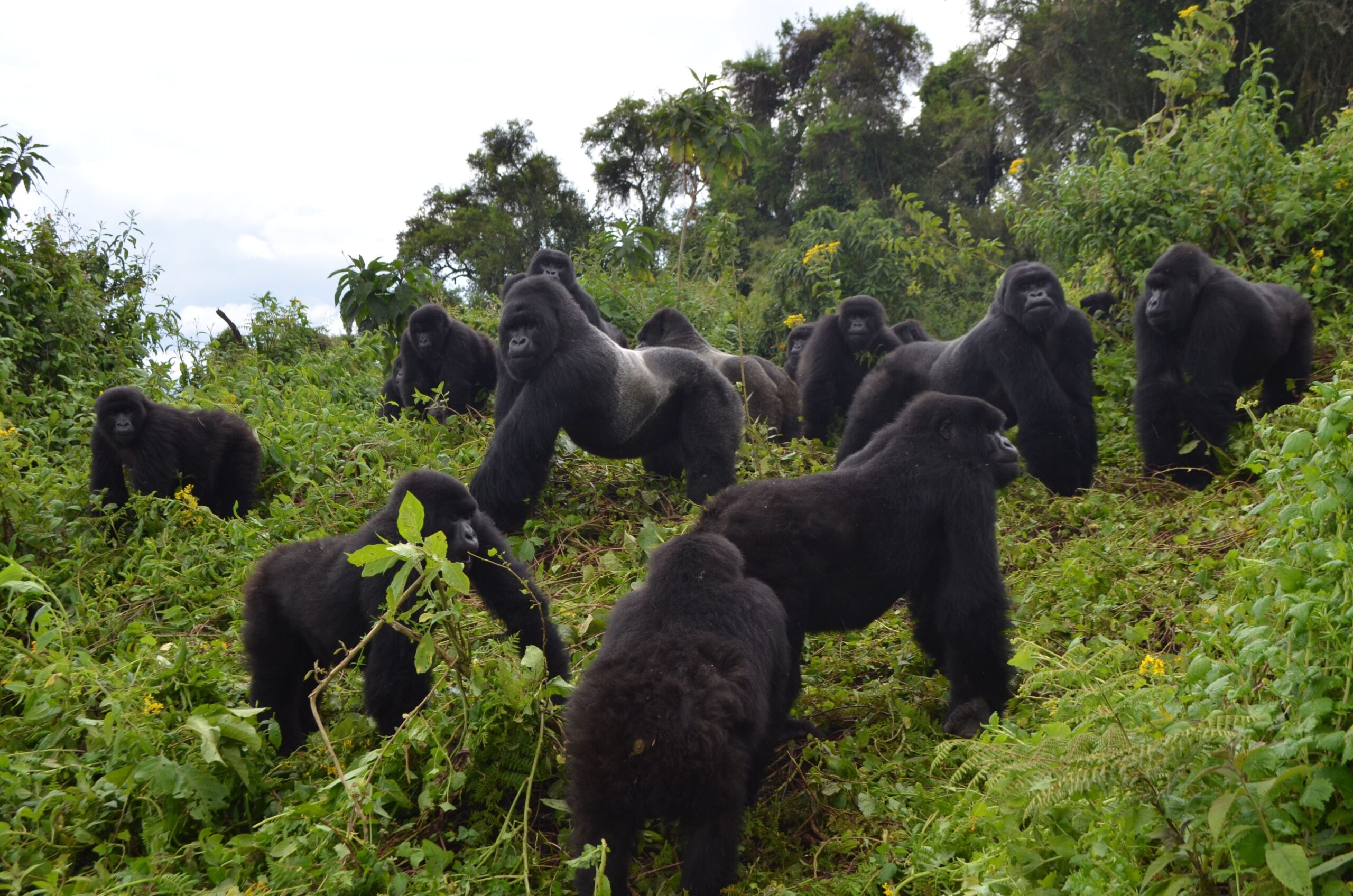
When groups become very large (20 or more individuals) or when a maturing son challenges his father’s dominance, groups may undergo fission — splitting into two separate groups.
These fissions are among the most hierarchically disruptive events in gorilla social life, redistributing females, altering mating access, and creating new social structures.
Field researchers at Bwindi have documented that fission events frequently trigger periods of heightened aggression and mating competition as the new silverback works to consolidate reproductive authority over the females who have remained with or joined him.
What Tourists May (and May Not) Observe During Gorilla Trekking
One of the most common questions from travelers booking a gorilla trekking permit in Uganda, Rwanda, or the DRC is: will I actually see gorillas mating? The answer requires realistic expectation-setting alongside genuine appreciation for the extraordinary behavioral richness that gorilla trekking reliably delivers.
What You Are Likely to Observe
- Silverback dominance displays:Chest-beating, branch-swinging, and ground-slapping. These are regularly observed and are among the most awe-inspiring moments in African wildlife tourism.
- Maternal-infant bonding:Nursing, carrying, grooming, and play behavior between mothers and infants — among the most emotionally moving wildlife encounters anywhere in the world.
- Social grooming:A key social bonding mechanism that reflects the quality of relationships within the group.
- Female solicitation behaviors:Experienced trackers can identify these behaviors, which provide direct observational evidence of gorilla mating behavior in action.
- Inter-individual competition:Especially in multi-male groups, subordinate males testing boundaries with the dominant silverback.
What Is Unlikely or Rare
Witnessing actual copulation during a one-hour gorilla trekking session is statistically unlikely. Because females are only sexually receptive for a few days per month, and because copulation itself is brief (typically under 2 minutes), direct observation of mating requires considerable luck.
However, the behavioral richness surrounding gorilla mating — the displays, solicitations, and social interactions — is visible on virtually every successful trek, making each visit a genuine window into gorilla reproductive social life.
Responsible Wildlife Observation
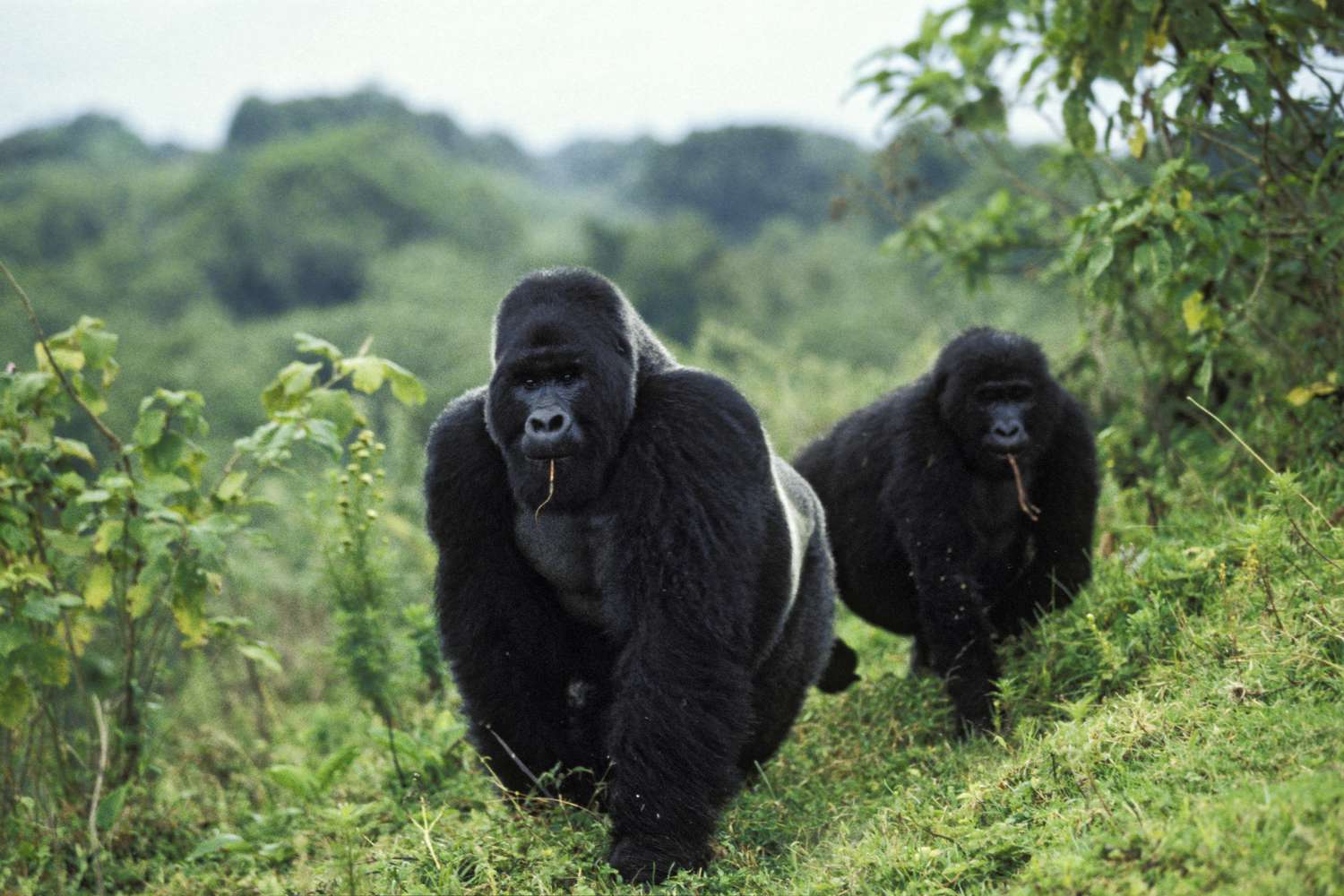
Gorilla trekking regulations limit groups to 8 visitors per habituated gorilla family for no more than one hour per day. This strict protocol protects both gorillas and visitors, ensuring that human presence does not disrupt natural behavior including mating and infant care. Maintaining a minimum 7-metre distance from gorillas is mandatory and is enforced by experienced rangers at all times.
Conservation Impact on Gorilla Reproduction
The intersection of conservation practice and gorilla reproductive biology is one of the most important applied dimensions of great ape research.
Threats to gorilla populations do not operate in isolation from reproductive behavior — they directly disrupt the biological and social conditions that gorillas require to breed successfully.
Habitat Loss and Reproductive Stress
Deforestation, agricultural encroachment, and human settlement at forest boundaries fragment gorilla habitats, forcing groups into smaller, more isolated forest patches.
This fragmentation increases inter-group competition for resources, elevates social stress levels, and may suppress reproductive hormones.
Studies on captive gorillas under high-stress conditions have documented reduced ovarian function and lower conception rates — a finding with direct relevance to wild populations under habitat pressure.
Disease Risk and Reproductive Loss
Gorillas are highly susceptible to human respiratory diseases due to their genetic proximity to Homo sapiens. Respiratory infections can kill infants and pregnant females, creating direct reproductive losses within already small populations.
The Gorilla Doctors program — which provides veterinary care for mountain gorillas in Uganda and Rwanda — has prevented numerous deaths from respiratory illness and direct trauma, each intervention representing a meaningful contribution to gorilla reproductive output at the population level.
Tourism Revenue and Reproductive Protection
Gorilla permit revenue is the single most important economic mechanism protecting gorilla habitat. In Rwanda, a single gorilla trekking permit costs USD $1,500, with a portion of revenues channeled directly into community conservation programs and national park management.
This funding enables the anti-poaching patrols, ranger salaries, and habitat management programs that keep silverbacks alive, groups stable, and infant gorillas safe — all direct reproductive benefits.
When you book a gorilla permit, you are making a direct financial contribution to gorilla reproductive success at the population level.
Common Myths About Gorilla Mating Behavior
Despite decades of high-quality field research, several persistent myths about gorilla mating behavior continue to circulate in popular media and casual wildlife commentary.
Correcting these misconceptions is part of responsible wildlife education.
- MYTH: Silverbacks are purely aggressive toward females.FACT: Silverbacks invest significantly in protective relationships with females. Most female-silverback interactions are characterized by tolerance, proximity, and even play — not aggression.
- MYTH: Gorilla mating is always forced.FACT: Research consistently demonstrates that female gorillas are active initiators of mating and exercise genuine mate choice through transfer behavior and direct solicitation.
- MYTH: Gorillas mate for life.FACT: Gorillas are polygynous. A dominant silverback typically mates with multiple females, and females may transfer to different silverbacks across their reproductive lifetime.
- MYTH: Gorilla groups are harems controlled by force.FACT: Female gorillas voluntarily associate with dominant silverbacks primarily for protection. They retain the agency to leave — and frequently do — when a more attractive reproductive option presents itself.
- MYTH: Gorillas are dangerous and unobservable in the wild.FACT: Habituated gorilla families are extraordinarily calm around trained human observers. The trekking experience is safe, profoundly moving, and accessible to travelers with average fitness levels.
Evolutionary Insights: What Gorilla Reproduction Teaches Us
Gorilla mating behavior sits at the intersection of evolutionary biology, behavioral ecology, and conservation science. The gorilla reproductive system — with its emphasis on male physical quality, female dispersal, and long-term infant investment — reflects millions of years of evolutionary optimization for stable, small-group living in dense tropical forest environments.
Comparisons with chimpanzee (multi-male promiscuous) and human (pair-bonded polygynous) reproductive strategies illuminate how closely related species can evolve dramatically different mating systems from a common ancestor.
Gorilla reproductive biology offers a compelling natural experiment in the evolution of social structure, sexual selection, and parental investment — insights that continue to inform evolutionary anthropology’s understanding of our own species’ origins.
For conservation biologists, the gorilla’s extraordinarily slow reproductive rate is both a warning and an imperative: with only 1,063 mountain gorillas surviving in the wild, and each female producing fewer than 6 offspring over a lifetime, the margin for reproductive failure is razor-thin.
Every infant that survives to adulthood because a silverback was protected, a habitat corridor was preserved, or a disease outbreak was treated in time represents a genuine victory in one of conservation’s most important ongoing battles.
Frequently Asked Questions: Gorilla Mating Behavior
Q1. How often do gorillas mate?
Female gorillas are sexually receptive for approximately 3 to 5 days per 28-day menstrual cycle. Copulation occurs multiple times during this periovulatory window. Outside of peak estrus, mating activity is rare. Given the long 4 to 6 year interbirth interval, active mating periods within a group are relatively infrequent events.
Q2. Does the silverback mate with all females in his group?
In single-male (unimale) gorilla groups, the dominant silverback typically mates with all reproductive-age females. In multi-male groups, the dominant male fathers approximately 85 to 95 percent of offspring, with subordinate males occasionally siring a small percentage. The silverback’s reproductive dominance is near-total but not always absolute.
Q3. Can females choose to leave a silverback they dislike?
Yes. Female gorillas voluntarily transfer between groups as an expression of mate choice. Young females commonly leave their birth group at sexual maturity to join a different silverback. Established adult females may also transfer following group instability, male takeovers, or when a more dominant reproductive partner becomes available elsewhere.
Q4. How long does gorilla pregnancy last?
Gorilla gestation lasts approximately 8.5 months (257 days), slightly shorter than the human gestation period. Births are almost exclusively single; twins are extremely rare, occurring in fewer than 2 percent of births. Newborn gorillas weigh approximately 1.8 kg and are almost entirely dependent on their mothers at birth.
Q5. At what age do gorillas have their first baby?
Female gorillas reach sexual maturity between ages 7 and 8 but typically produce their first offspring between ages 10 and 12, after completing group transfer and establishing themselves socially. Males rarely reproduce before ages 13 to 15, when they have achieved full silverback status and successfully attracted or retained females.
Q6. Why do male gorillas kill infants?
Infanticide by incoming males is a reproductive strategy that accelerates mating access. When a new male takes over a group, killing unweaned infants (who are not his offspring) causes bereaved females to resume ovulation within weeks, rather than years. The new male can then father offspring far sooner. Stable silverback-led groups dramatically reduce this risk.
Q7. Will I see gorillas mating during a gorilla trek?
Direct observation of gorilla copulation during a standard one-hour trekking permit is statistically uncommon, as females are only receptive for a few days monthly and copulation is brief. However, behavioral signals of reproductive activity — silverback displays, female solicitation behaviors, and social competition — are regularly observable on gorilla treks.
Q8. How many babies does a female gorilla have in her lifetime?
A female gorilla typically produces between 3 and 6 surviving offspring across her entire reproductive lifespan, which extends from approximately age 10 to her late 30s. The 4 to 6 year interbirth interval — driven by prolonged nursing-induced ovulation suppression — means that gorilla populations are inherently slow to grow or recover from losses.
Q9. Is gorilla mating behavior similar to human behavior?
Given that gorillas share approximately 98.3 percent of their DNA with humans, there are fascinating parallels: female initiative in mate selection, long-term social pair bonding between silverbacks and individual females, extended infant dependency, and complex social hierarchies affecting reproductive access. However, gorillas are polygynous and do not form the long-term monogamous pair bonds characteristic of many human societies.
Q10. Which country offers the best gorilla trekking experience?
Rwanda (Volcanoes National Park), Uganda (Bwindi Impenetrable and Mgahinga National Parks), and the DRC (Virunga National Park) all offer world-class gorilla trekking. Rwanda offers the most accessible and premium experience with highest gorilla density. Uganda combines trekking with competitive permit pricing and diverse safari options. The best choice depends on budget, travel itinerary, and experience level.
Q11. How much does a gorilla trekking permit cost?
Gorilla trekking permit prices vary by country: Rwanda charges USD $1,500 per person per trek; Uganda charges USD $800; and the DRC charges USD $400 (though security considerations affect DRC accessibility). These fees fund conservation programs and directly protect gorilla habitat. GoSilverback Safaris secures permits across all three countries for clients worldwide.
Q12. Is gorilla trekking safe for families and older travelers?
Gorilla trekking is generally safe and accessible for travelers in reasonable health. Trek durations range from 1 to 8 hours depending on gorilla group location. Porters are available to assist with steep terrain. A minimum age of 15 years applies in both Uganda and Rwanda. Travelers with medical conditions should consult their physician and communicate health information to their safari operator.
Ready to Witness Gorilla Behavior Up Close?
| Book Your Gorilla Trekking Permit with GoSilverback Safaris |
| Rwanda | Uganda | DRC — Expert-Led Gorilla Trekking Experiences |
| • Guaranteed Permit Procurement • Expert Naturalist Guides • Small Group Departures |
| www.gosilverbacksafaris.com | info@gosilverbacksafaris.com |
You have now read the most comprehensive publicly available guide to gorilla mating behavior online. But knowledge without experience is only half the story.
GoSilverback Safaris specializes exclusively in gorilla and great ape experiences across East and Central Africa, with over a decade of permit procurement expertise, ORTPN and Uganda Wildlife Authority licensed guides, and an unbroken track record of successful gorilla encounters for clients from the USA, UK, Europe, Canada, Asia, and the Middle East.
When you trek with GoSilverback, you are not simply purchasing a permit — you are investing in a meticulously curated encounter with one of the most complex, intelligent, and biologically fascinating animals on our planet.
Our expert naturalist guides, all with advanced training in gorilla behavioral ecology, will transform what you have read in this guide into lived, unforgettable experience.
You will observe silverback authority, female social dynamics, and infant bonding behaviors with the interpretive depth that only specialist-led trekking can provide.
Gorilla trekking permits are strictly limited by national park authorities and sell out months in advance. Contact GoSilverback Safaris today to secure your permit, customize your itinerary, and take the first step toward an encounter that will remain with you for the rest of your life.
www.gosilverbacksafaris.com
Africa’s Most Trusted Gorilla Safari Specialists
GoSilverback Safaris | Gorilla Mating Behavior Guide | Updated March 2026
Produced for international wildlife travelers. Scientific citations available on request. All figures sourced from peer-reviewed primatology literature and IUCN Species Survival Commission reports.