
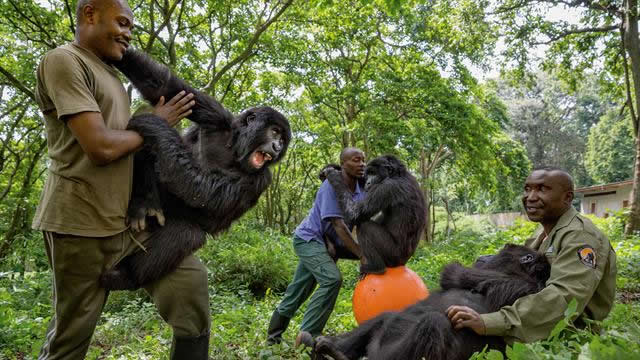
Gorilla Conservation Organizations: Protecting the World’s Last Gorillas 2025
Gorilla conservation organisations play a critical role in protecting the world’s last remaining gorillas at a time when these majestic primates face an unprecedented risk of extinction.
Today, all gorilla species are classified as endangered or critically endangered due to a combination of habitat loss, poaching, disease, and increasing human pressure on their natural environments.
Forest destruction driven by agriculture, mining, and infrastructure development continues to shrink gorilla habitats across Central and East Africa, pushing populations into isolated and vulnerable pockets.
This is why gorilla conservation organisations matter more than ever.
These organisations lead frontline efforts to protect habitats, monitor gorilla populations, combat illegal wildlife trade, provide veterinary care, and work closely with governments to enforce conservation laws.
Without their coordinated action, many gorilla populations—especially mountain gorillas—would already be extinct.
Equally important is the powerful link between conservation, tourism, and local communities.
Responsible gorilla trekking generates vital funding for conservation while providing sustainable livelihoods for communities living near protected areas.
When local people benefit directly from conservation, they become its strongest guardians.
In this guide, you will learn how gorilla conservation organisations operate, which groups are making the greatest impact, and how you can take action—through donations, responsible travel, or advocacy—to help safeguard gorillas for future generations.
Why Gorilla Conservation Is a Global Priority
Gorilla conservation is a global priority because gorillas are among the most endangered great apes on Earth, with population numbers still alarmingly low despite recent conservation successes.
As of 2024–2025 estimates, the total global gorilla population is believed to be just over 1,000,000, but this figure is misleading.
More than 95% are western lowland gorillas, while the most iconic and vulnerable subspecies—mountain gorillas—number only about 1,060 individuals worldwide.
Eastern lowland gorillas (Grauer’s gorillas) have suffered dramatic declines of over 60% in the last three decades, largely due to conflict and habitat loss.
There are three main gorilla types, each facing unique threats.
Mountain gorillas live in high-altitude forests of Uganda, Rwanda, and the Democratic Republic of Congo and depend heavily on intensive protection and veterinary care.
Eastern lowland gorillas, the largest subspecies, inhabit eastern DRC and are highly vulnerable to mining and armed conflict. Western lowland gorillas, found across Central Africa, face severe pressure from deforestation, bushmeat hunting, and disease outbreaks such as Ebola.
Gorillas are also keystone species, meaning their survival directly supports the health of entire ecosystems.
By dispersing seeds, shaping vegetation, and maintaining forest diversity, gorillas help sustain tropical rainforests that absorb carbon, regulate climate, and support countless other species.
Protecting gorillas therefore protects forests that are vital to global climate stability.
If gorillas were to go extinct, the consequences would be devastating.
Forest ecosystems would weaken, biodiversity would decline, and local communities would lose critical tourism revenue and cultural heritage.
Most importantly, humanity would lose one of its closest living relatives—an irreversible loss that underscores why gorilla conservation organisations are essential on a global scale today more than ever.
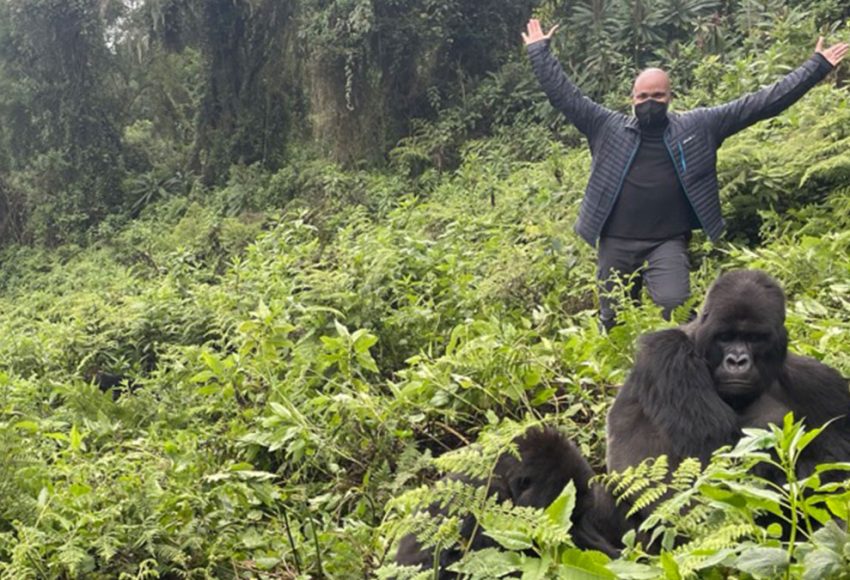
Major Threats Facing Gorillas Today
Despite decades of conservation work, gorillas continue to face severe and growing threats that place their survival at risk.
These threats are largely human-driven and are intensifying as populations expand, forests shrink, and climate pressures increase.
Understanding these dangers highlights the urgency of supporting gorilla conservation organisations working on the front lines.
Habitat Loss & Deforestation
The single greatest threat to gorillas is the rapid destruction of their natural habitat.
-
Large-scale deforestation for agriculture, logging, mining, and infrastructure is fragmenting gorilla forests.
-
Roads and human settlements isolate gorilla groups, reducing genetic diversity.
-
Oil, gas, and mineral exploration in Central Africa continues to encroach on protected areas.
As forests disappear, gorillas are forced into smaller territories, increasing stress, competition for food, and vulnerability to human contact.
Without immediate habitat protection, many gorilla populations will have nowhere left to survive.
Poaching & Illegal Wildlife Trade
Although gorillas are legally protected, poaching remains a deadly threat.
-
Gorillas are targeted for the illegal bushmeat trade, especially in remote regions.
-
Infants are sometimes captured alive for the illegal wildlife trade, often after adults are killed.
-
Snares set for other animals frequently injure or kill gorillas unintentionally.
Even the loss of a single adult—especially a dominant silverback—can destroy an entire gorilla family group. Anti-poaching patrols and law enforcement remain critically underfunded.
Human–Wildlife Conflict
As human populations grow, encounters between people and gorillas are becoming more frequent.
-
Gorillas may raid crops, leading to retaliation from farmers.
-
Encroachment near national parks increases the risk of injury or death.
-
Lack of community benefits can fuel resentment toward conservation efforts.
When communities are excluded from conservation benefits, gorillas pay the price.
This is why community-based conservation is no longer optional—it is essential.
Diseases & Climate Change
Gorillas share up to 98% of their DNA with humans, making them highly vulnerable to human diseases.
-
Respiratory infections can spread rapidly from tourists or nearby communities.
-
Climate change alters food availability and forest ecosystems.
-
Rising temperatures and unpredictable rainfall disrupt gorilla feeding patterns.
Without strict health protocols and climate-resilient conservation strategies, disease and environmental change could undo decades of progress—making urgent global action the only path forward to saving gorillas from extinction.
What Are Gorilla Conservation Organisations?
Gorilla conservation organisations are dedicated non-profit groups, NGOs, government agencies, and community-based initiatives whose primary mission is to protect gorillas and their natural habitats from extinction.
Their core purpose is to ensure the long-term survival of all gorilla species by safeguarding ecosystems, preventing illegal activities, supporting scientific research, and promoting sustainable coexistence between people and wildlife.
At their foundation, these organisations focus on four key objectives:
-
Protecting and restoring gorilla habitats
-
Monitoring and researching gorilla populations
-
Combating poaching and illegal wildlife trade
-
Improving the well-being of communities living alongside gorillas
Effective gorilla conservation relies on collaboration, not isolation.
International NGOs often provide funding, expertise, and global advocacy, while governments establish protected areas, enforce wildlife laws, and manage national parks.
Local communities play a crucial role by participating in conservation activities, benefiting from tourism revenue, and acting as stewards of the land.
When communities see tangible benefits—such as jobs, healthcare, and education—they become powerful allies in protecting gorillas.
Funding for gorilla conservation organisations comes from a combination of sources.
Donations from individuals, foundations, and corporate partners provide critical operational support.
Responsible tourism, especially gorilla trekking permits, generates significant revenue that directly funds ranger patrols, veterinary care, and community projects.
Additionally, international grants from conservation bodies and development agencies support long-term research, habitat protection, and emergency response programs.
Together, these organisations form the backbone of global efforts to save gorillas—proving that with coordinated action, sustainable funding, and community involvement, conservation success is possible.
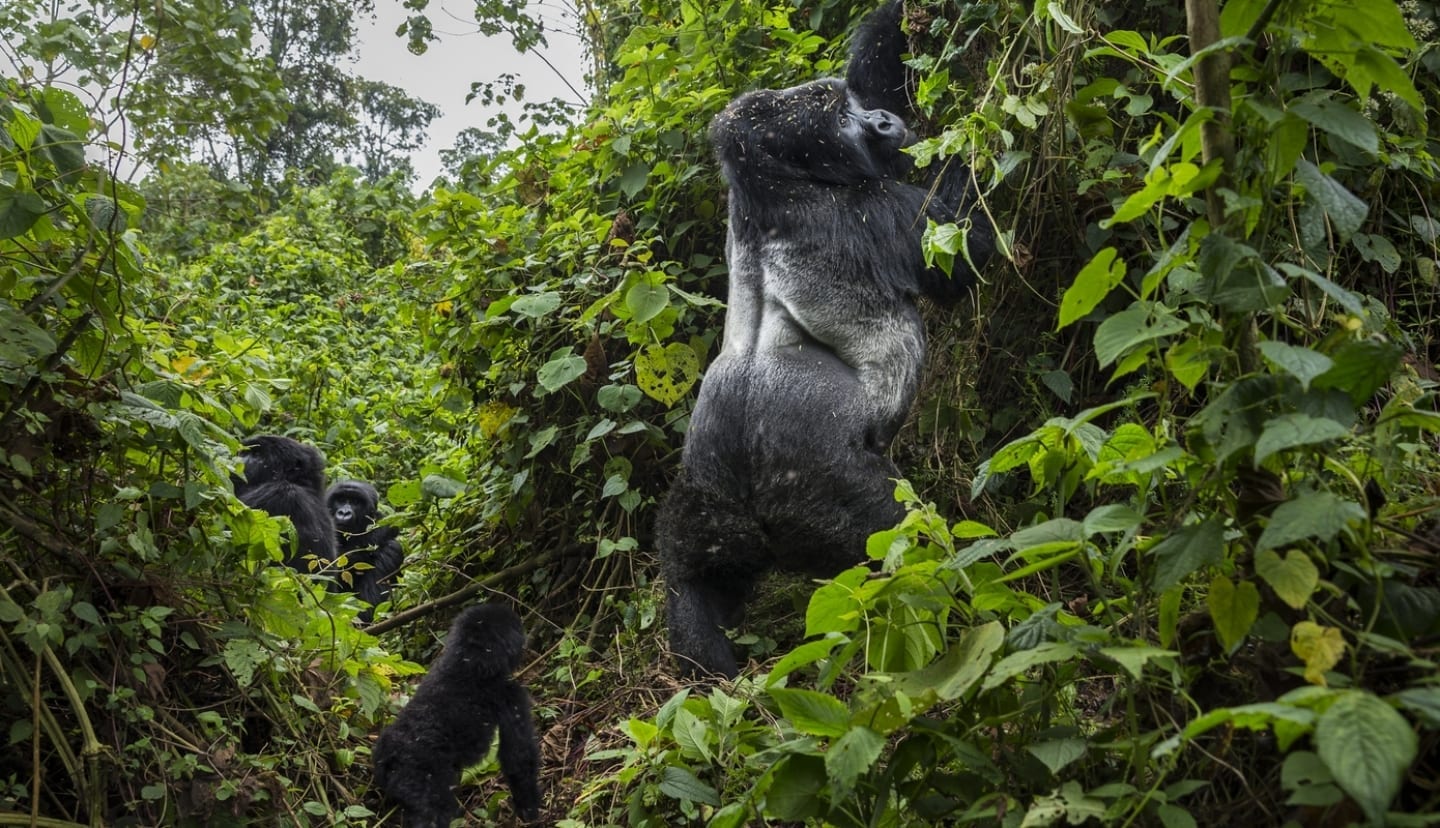
Top Gorilla Conservation Organisations Making a Real Impact
The success of gorilla conservation over the past three decades is largely due to the tireless work of a handful of highly credible organisations operating on the ground and at policy level.
These gorilla conservation organisations have helped stabilize and even increase some gorilla populations through science-based protection, community engagement, and sustainable funding models.
Below are the most impactful organisations recognised globally for their measurable results.
International Gorilla Conservation Programme (IGCP)
Mission:
To secure the long-term survival of mountain gorillas and their habitats through collaborative, transboundary conservation.
Countries of Operation:
-
Uganda
-
Rwanda
-
Democratic Republic of Congo (Virunga Massif & Bwindi)
Impact:
IGCP is widely credited as a cornerstone of the mountain gorilla population recovery, which has grown from fewer than 700 individuals in the 1980s to over 1,000 today.
The programme works directly with government wildlife authorities to:
-
Strengthen ranger protection and monitoring
-
Promote cross-border cooperation between countries
-
Support community livelihood projects linked to conservation
IGCP’s approach proves that regional collaboration, rather than isolated efforts, is essential for protecting gorillas that move freely across national borders.
Dian Fossey Gorilla Fund International
Legacy & Mission:
Founded from the groundbreaking work of Dr. Dian Fossey, this organisation is one of the most respected names in gorilla conservation.
Its mission is to protect gorillas and their habitats through long-term research, daily protection, and community engagement.
Research & Protection:
-
Operates one of the world’s longest-running gorilla research programs
-
Employs and trains local rangers and trackers
-
Uses advanced technology to monitor gorilla health and movements
Impact:
The Dian Fossey Gorilla Fund has been instrumental in developing modern gorilla protection methods and inspiring global awareness.
Its evidence-based research directly informs conservation policy and park management across Central and East Africa.
Gorilla Doctors
Mission:
To provide lifesaving veterinary care to endangered mountain and eastern lowland gorillas.
Veterinary Care & Disease Prevention:
Gorilla Doctors is the only organisation solely dedicated to the medical health of wild gorillas.
Their work includes:
-
Emergency medical interventions for injured or snared gorillas
-
Disease surveillance and outbreak response
-
Training wildlife veterinarians in Africa
Impact:
By preventing disease transmission—especially respiratory infections linked to humans—Gorilla Doctors has saved hundreds of gorillas that would otherwise have died.
Their rapid-response veterinary model is now considered a global standard in great ape conservation.
World Wide Fund for Nature (WWF)
Mission:
To conserve nature and reduce the most pressing threats to biodiversity worldwide.
Policy, Funding & Habitat Protection:
WWF supports gorilla conservation across Central and East Africa by:
-
Funding anti-poaching initiatives
-
Advocating for stronger wildlife protection laws
-
Protecting vast forest landscapes critical to gorilla survival
Impact:
WWF’s strength lies in its global influence and funding capacity, allowing it to address large-scale threats such as deforestation, climate change, and illegal wildlife trade. Its policy-driven conservation work ensures gorillas are protected not only in parks, but also across entire ecosystems.
Conservation Through Public Health (CTPH – Uganda)
Mission:
To improve human and wildlife health while conserving ecosystems.
Community-Based Conservation Success:
CTPH is a leading example of community-centered gorilla conservation in Uganda, particularly around Bwindi Impenetrable National Park.
The organisation:
-
Integrates public health and conservation
-
Provides healthcare services to local communities
-
Reduces disease transmission between humans and gorillas
Impact:
CTPH has demonstrated that addressing human needs—healthcare, sanitation, education—directly improves conservation outcomes.
Communities that benefit from CTPH programs show stronger support for gorilla protection, significantly reducing conflict and disease risk.
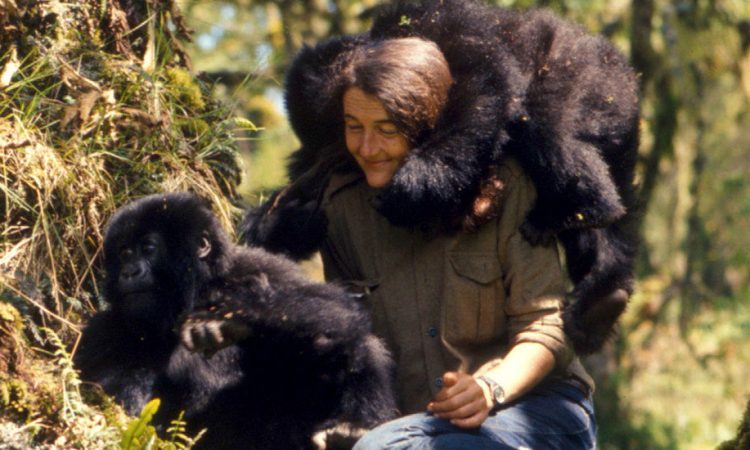
Comparison Table: Leading Gorilla Conservation Organisations
| Organisation | Location | Primary Focus | Key Impact | How to Support |
|---|---|---|---|---|
| IGCP | Uganda, Rwanda, DRC | Transboundary conservation | Mountain gorilla population recovery | Donations, partnerships |
| Dian Fossey Gorilla Fund | Rwanda, DRC | Research & protection | Long-term gorilla monitoring | Donate, adopt a gorilla |
| Gorilla Doctors | East & Central Africa | Veterinary care | Lives saved through medical intervention | Donate, awareness |
| WWF | Global | Policy & habitat protection | Large-scale ecosystem conservation | Donate, advocacy |
| CTPH | Uganda | Community-based conservation | Reduced disease & conflict | Donate, responsible tourism |
Why These Organisations Matter
Together, these organisations demonstrate that gorilla conservation works when science, communities, governments, and global support align.
Their combined efforts have prevented extinction, restored trust between people and wildlife, and created a model for conserving endangered species worldwide.
Supporting these trusted gorilla conservation organisations—through donations, advocacy, or responsible tourism—is one of the most effective ways individuals and businesses can help secure a future for gorillas.
Gorilla Conservation in Uganda, Rwanda & DR Congo
Uganda, Rwanda, and the Democratic Republic of Congo form the heart of global mountain gorilla conservation.
Together, these three countries protect the only remaining habitats of mountain gorillas on Earth, making their leadership essential to the survival of the species.
Through strong policies, cross-border collaboration, and community engagement, the region has become a global model for successful wildlife conservation.
Uganda – Bwindi & Mgahinga Conservation Efforts
Uganda is home to more than half of the world’s remaining mountain gorillas, primarily protected within Bwindi Impenetrable National Park and Mgahinga Gorilla National Park.
Uganda’s conservation success is driven by:
-
Strong management by the Uganda Wildlife Authority (UWA)
-
Long-term partnerships with conservation NGOs
-
Revenue-sharing programs that return tourism income to local communities
One of Uganda’s greatest success stories is the stabilization and steady growth of gorilla families in Bwindi, supported by continuous monitoring and veterinary care.
Community initiatives—such as healthcare, education, and alternative livelihoods—have reduced poaching and forest encroachment.
Uganda’s balanced approach proves that conservation and community development can thrive together.
Rwanda – Volcanoes National Park Protection
Rwanda has become a global conservation leader through its high-value, low-impact tourism model centered on Volcanoes National Park.
By limiting visitor numbers and maintaining strict gorilla trekking regulations, Rwanda ensures:
-
Minimal disturbance to gorilla families
-
High conservation revenue per visitor
-
Strong funding for park protection and research
Rwanda’s investment in ranger training, technology, and habitat restoration has helped mountain gorilla populations rebound significantly.
The country’s clear political commitment and international partnerships have positioned Rwanda as a benchmark for sustainable gorilla conservation and responsible eco-tourism.
DR Congo – Virunga National Park Challenges
The Democratic Republic of Congo (DRC) protects a vital portion of the mountain gorilla population within Virunga National Park, Africa’s oldest national park.
Conservation here faces immense challenges, including:
-
Armed conflict and political instability
-
Illegal mining and charcoal production
-
Threats to ranger safety
Despite these obstacles, Virunga stands as one of conservation’s most powerful success stories.
Dedicated rangers, supported by international organisations, risk their lives daily to protect gorillas and ecosystems.
Against all odds, gorilla numbers in Virunga have remained stable—an extraordinary achievement in such a volatile environment.
Regional Leadership in Gorilla Conservation
What makes this region exceptional is its cross-border cooperation. Gorilla populations move freely between countries, and conservation efforts are coordinated through shared monitoring, research, and emergency response.
This collaborative leadership has transformed mountain gorillas from a symbol of near-extinction into a global conservation success story.
Uganda, Rwanda, and DR Congo now stand as proof that with commitment, cooperation, and community involvement, even the most endangered species can be saved.
Role of Local Communities in Gorilla Conservation
Local communities are the backbone of successful gorilla conservation.
Without their active participation, even the best-funded and most well-managed programs would struggle to protect gorillas from poaching, habitat destruction, and human-wildlife conflict.
Empowering communities ensures that conservation is both sustainable and mutually beneficial.
Revenue Sharing
One of the most effective strategies is sharing tourism revenue with communities living near gorilla habitats.
A portion of gorilla trekking permit fees and park revenues is reinvested in local schools, health clinics, and infrastructure.
This financial incentive gives communities a direct stake in protecting gorillas and reduces illegal activities such as poaching or logging.
Employment & Education
Conservation organisations often employ local people as rangers, trackers, guides, and research assistants, providing stable incomes and skills training.
Education programs teach children and adults about the importance of gorillas and ecosystems, creating a conservation-minded generation.
When locals understand the ecological and economic value of gorillas, they become active advocates for their protection.
Community Tourism Projects
Community-based tourism projects offer additional benefits by promoting cultural experiences, handicrafts, and eco-lodges.
These initiatives generate sustainable income while minimizing environmental impact.
Communities that profit from tourism are far more likely to support anti-poaching efforts and forest conservation.
Why Conservation Fails Without Locals
When communities are excluded from conservation benefits, resentment grows.
Poaching, illegal logging, and habitat encroachment often increase, undermining even well-funded conservation projects.
Studies have shown that community involvement is the single most significant predictor of long-term success in gorilla protection programs.
In short, gorilla conservation is inseparable from community well-being.
By sharing revenue, providing jobs, offering education, and involving locals in tourism initiatives, conservation organisations create a win-win scenario—protecting gorillas while improving human livelihoods, ensuring lasting impact for generations to come.
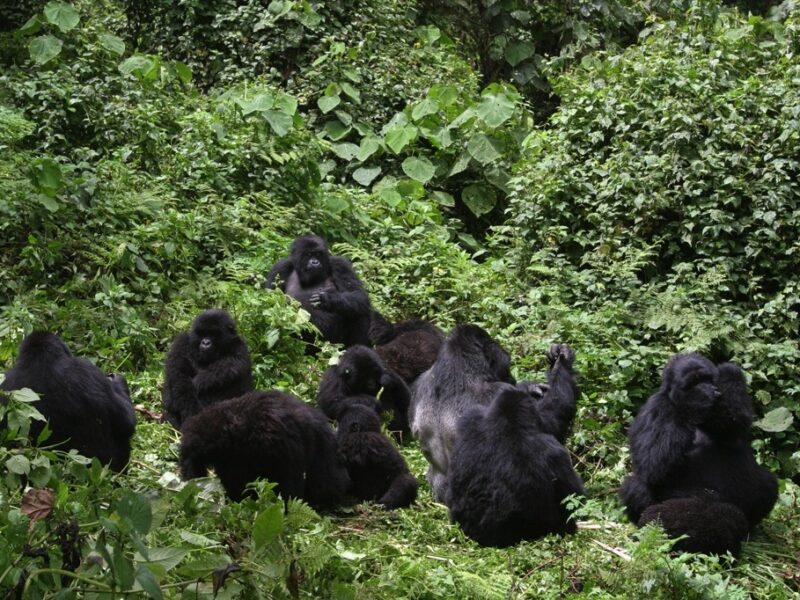
How Responsible Gorilla Tourism Supports Conservation
Responsible gorilla tourism is one of the most effective tools for protecting these endangered primates.
By linking tourism with conservation, local communities, governments, and NGOs create a sustainable model that funds protection efforts while promoting ethical wildlife experiences.
Gorilla Trekking Permit Fees
Gorilla trekking permits are a major source of funding for conservation.
In Uganda, Rwanda, and DR Congo, fees from permits contribute directly to:
-
Ranger salaries and anti-poaching patrols
-
Habitat restoration and forest protection
-
Veterinary care and gorilla monitoring programs
These fees ensure that tourism dollars have a direct, measurable impact on gorilla survival.
Higher fees also limit the number of daily visitors, reducing stress on the gorillas and their habitat.
Eco-Tourism vs Mass Tourism
Eco-tourism emphasizes low-impact, sustainable travel that benefits local communities and wildlife.
In contrast, mass tourism can lead to habitat degradation, pollution, and increased human-wildlife conflict.
Responsible gorilla tourism:
-
Limits visitor numbers per trek
-
Follows strict hygiene and safety protocols
-
Encourages educational experiences rather than entertainment
This approach balances economic benefit with conservation needs, ensuring gorilla populations thrive alongside tourism growth.
Conservation-Focused Safari Operators
Booking with conservation-minded safari operators amplifies the positive impact.
These companies often:
-
Partner with local NGOs and park authorities
-
Donate a portion of profits to conservation projects
-
Train local guides and employ community members
By choosing operators committed to sustainable practices, tourists become part of the solution rather than contributing to threats.
Ethical Travel Guidelines
Tourists play a crucial role in gorilla protection. Ethical practices include:
-
Maintaining safe distances from gorillas
-
Wearing masks to prevent disease transmission
-
Avoiding flash photography and loud noises
-
Respecting park rules and local customs
Following these guidelines ensures minimal disruption to gorillas and promotes long-term conservation success.
For travelers eager to support gorilla conservation while experiencing a once-in-a-lifetime adventure, booking through responsible safari operators not only provides unforgettable memories but also directly funds the survival of these iconic primates.
Choose eco-conscious gorilla trekking packages in Uganda, Rwanda, or DR Congo to make your visit truly meaningful.
How You Can Support Gorilla Conservation Organisations
Supporting gorilla conservation organisations is not only a moral responsibility but also an opportunity to make a tangible impact on the survival of these magnificent primates.
Whether through donations, responsible tourism, or advocacy, every action counts.
Donate to Verified Organisations
Financial contributions are one of the most direct ways to help gorillas.
By donating to verified and reputable organisations—such as the Dian Fossey Gorilla Fund, IGCP, Gorilla Doctors, WWF, or CTPH—you ensure that funds are used effectively for habitat protection, ranger patrols, veterinary care, and community programs.
💡 Tip: Many organisations offer recurring donation options, which provide sustainable funding for long-term conservation.
Book Responsible Gorilla Trekking Tours
Tourism can be a powerful conservation tool when done responsibly.
By booking gorilla trekking tours with eco-conscious safari operators, you help fund national parks, anti-poaching units, and community development programs.
Responsible tourism also educates visitors about gorilla behaviour, threats, and the importance of conservation.
Adopt a Gorilla Programmes
Several organisations offer adopt-a-gorilla schemes, allowing individuals to symbolically “adopt” a gorilla.
Your contribution supports food security, healthcare, and monitoring for specific gorilla families.
Many programs provide updates, photos, and certificates, making this a meaningful and educational gift.
Spread Awareness & Advocacy
Awareness is critical for global conservation success. You can:
-
Share educational content on social media
-
Support conservation campaigns and petitions
-
Participate in local or international fundraising events
Advocacy amplifies the voices of organisations working tirelessly to save gorillas and inspires others to take action.
By combining financial support, responsible tourism, symbolic adoption, and advocacy, you can play a direct role in securing a future for gorillas.
Every action contributes to a sustainable ecosystem where gorillas and communities thrive together.
Success Stories in Gorilla Conservation (2025 Update)
Gorilla conservation has witnessed remarkable success over the past few decades, proving that targeted, collaborative efforts can reverse even the gravest threats to endangered species.
Mountain Gorilla Population Recovery
One of the most inspiring success stories is the recovery of mountain gorilla populations in East and Central Africa.
In the 1980s, fewer than 700 mountain gorillas remained.
Thanks to intensive protection, habitat preservation, and scientific monitoring, their numbers have grown to over 1,060 individuals by 2025.
This recovery demonstrates that even species once on the brink of extinction can rebound with sustained conservation efforts.
Community-Driven Wins
Local communities have become crucial partners in conservation.
In Uganda’s Bwindi Impenetrable National Park and Rwanda’s Volcanoes National Park, community-based programs have provided education, healthcare, and employment.
By linking gorilla protection to tangible community benefits, poaching and habitat encroachment have declined sharply.
These programs have proven that when people see the direct value of conservation, they become its strongest advocates.
Rangers’ Heroic Efforts
Behind every gorilla success story are the rangers who risk their lives daily to protect these primates.
From patrolling rugged terrain to dismantling snares and responding to medical emergencies, their dedication is extraordinary.
Rangers in Virunga, Bwindi, and Mgahinga have saved countless gorillas from poachers and disease outbreaks, often under extremely dangerous conditions.
These successes show that with scientific research, community engagement, and courageous frontline protection, the future for gorillas is brighter than ever.
While challenges remain, the 2025 updates highlight a conservation model that works—one where collaboration, commitment, and courage lead to measurable and lasting results.

Challenges & Future of Gorilla Conservation
Despite remarkable successes, gorilla conservation faces ongoing challenges that threaten long-term progress.
Funding Gaps
Sustaining protection efforts requires significant resources.
Many conservation programs depend on donations, tourism revenues, and grants, which can fluctuate due to global economic conditions.
Insufficient funding limits ranger patrols, veterinary care, and habitat restoration, leaving gorillas vulnerable to poaching and environmental degradation.
Political Instability
Regions like the Democratic Republic of Congo face conflict and instability, which directly affects park management and ranger safety.
Armed groups, illegal mining, and law enforcement gaps pose ongoing risks to both gorillas and conservation staff, making security a persistent challenge.
Climate Change Risks
Climate change is altering gorilla habitats, affecting food availability, water sources, and forest health.
Unpredictable rainfall, rising temperatures, and forest degradation threaten ecosystems critical to gorilla survival, adding an urgent layer of complexity to conservation planning.
Why Continued Support Matters
The future of gorillas depends on sustained global commitment.
Donations, responsible tourism, advocacy, and community engagement ensure that protection programs continue to thrive despite challenges.
By supporting conservation today, we safeguard the world’s most iconic primates for generations to come, proving that collective action can overcome threats and secure a sustainable future for gorillas.
Frequently Asked Questions About Gorilla Conservation Organisations
What is the best gorilla conservation organisation to donate to?
Some of the most reputable organisations include the Dian Fossey Gorilla Fund, International Gorilla Conservation Programme (IGCP), Gorilla Doctors, WWF, and Conservation Through Public Health (CTPH – Uganda).
These groups have proven track records in habitat protection, research, veterinary care, and community engagement.
Choosing a verified organisation ensures that your donation directly supports gorilla survival and conservation efforts.
How much does gorilla conservation cost?
The cost of gorilla conservation varies depending on the region and program scale.
Annual budgets for major parks like Bwindi, Volcanoes, and Virunga can range from hundreds of thousands to several million USD.
Expenses include ranger salaries, anti-poaching patrols, veterinary care, habitat restoration, research, and community development.
Even small individual contributions can significantly support specific projects, such as adopting a gorilla or funding ranger equipment.
Are gorillas still endangered in 2025?
Yes. All gorilla species remain endangered or critically endangered as of 2025.
Mountain gorillas have seen population growth thanks to conservation, but eastern lowland and western gorillas continue to face steep declines from poaching, habitat loss, and disease.
Ongoing conservation efforts are crucial to prevent further population losses and ensure long-term survival.
How does tourism help protect gorillas?
Responsible gorilla tourism generates vital revenue for national parks and conservation organisations.
Trekking permit fees fund ranger patrols, veterinary care, and habitat protection.
Eco-tourism also promotes community benefits, which reduce poaching and human-wildlife conflict.
By visiting ethically, tourists directly contribute to gorilla protection while supporting local livelihoods.
Can individuals make a real impact?
Absolutely. Individuals can make a significant difference by donating, adopting a gorilla, volunteering, booking responsible tours, and raising awareness.
Even small actions, when multiplied by many people, provide essential funding, strengthen conservation programs, and inspire global support for gorilla survival.
Supporting gorilla conservation may seem small at an individual level, but collectively, these efforts are transforming the future for some of the planet’s most endangered primates.
Conclusion: Why Supporting Gorilla Conservation Organisations Matters
Gorillas are more than just iconic wildlife—they are symbolic of the delicate balance between nature and humanity.
Their survival is a testament to the power of collaboration between scientists, rangers, local communities, governments, and global supporters.
Every mountain gorilla protected, every forest preserved, and every poacher deterred is a victory for biodiversity, climate stability, and the future of our planet.
Despite notable successes, gorillas remain critically endangered. Habitat loss, poaching, disease, and climate change continue to threaten their existence.
Without sustained action, decades of conservation achievements could be undone.
The urgency to act has never been greater. Supporting conservation organisations, engaging in responsible tourism, and advocating for gorilla protection are not optional—they are essential for ensuring these magnificent creatures continue to thrive in the wild.
Your involvement—whether through donations, eco-tourism, adopting a gorilla, or spreading awareness—can make a tangible difference.
Every effort counts, and collective action creates lasting impact.
Support conservation. Travel responsibly. Protect gorillas for future generations.
By acting today, you help secure a future where gorillas roam freely in thriving forests, inspiring awe and wonder for generations to come.