Golden Monkey Trekking Uganda & Rwanda 2026: Ultimate Guide, Costs, Tips & How to Book
Golden monkey trekking in Uganda & Rwanda remains one of the most rewarding and affordable primate adventures in East Africa.
Unlike the high-demand gorilla trekking experience that can cost $800 per person in Uganda and in Rwanda it cost $1,500, golden monkey tracking offers an intimate encounter with these vibrant, endangered primates in the misty bamboo forests of Mgahinga Gorilla National Park at a fraction of the price.
As a Kampala-based safari specialist who has guided dozens of groups through these trails, I can tell you firsthand: few wildlife moments match the thrill of watching a troop of golden monkeys leap through the undergrowth, their bright orange-gold fur flashing against the green bamboo.
In 2026, with UWA conservation tariffs still valid through June, this is the perfect time to plan your trip—permits are easier to secure, crowds are lighter than gorilla groups, and the experience delivers incredible value for families, photographers, and adventure seekers alike.
If you’re searching for golden monkey tracking Uganda & Rwanda, golden monkey trekking Mgahinga, or golden monkey permit cost 2026, you’ve come to the right place.
This comprehensive guide covers everything from primate biology and park details to preparation tips, day-by-day expectations, and booking advice.
Whether you’re combining it with gorilla trekking or seeking a standalone safari highlight, golden monkey trekking delivers magic without the long waits or sky-high fees.
Ready to make it happen? Contact us here in Kampala to secure your spot and custom itinerary today!

What Are Golden Monkeys?
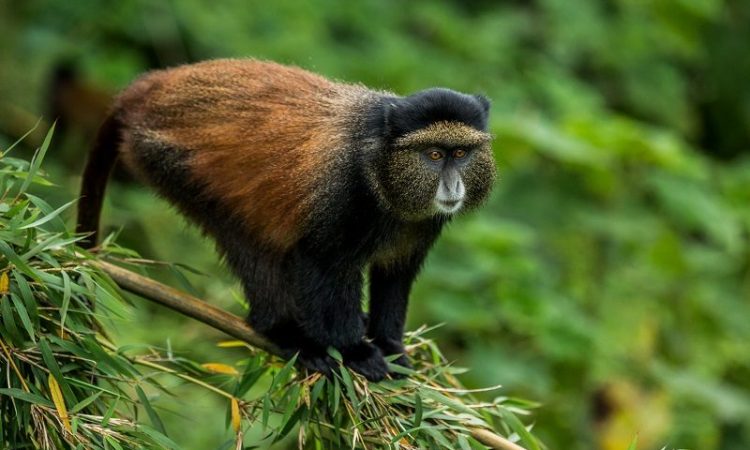
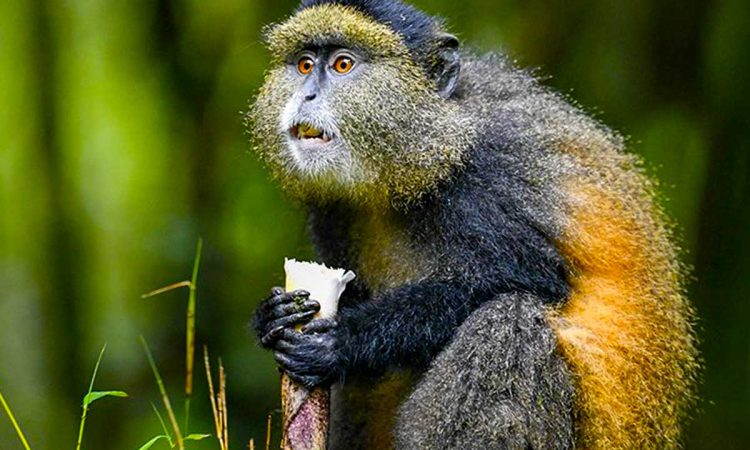
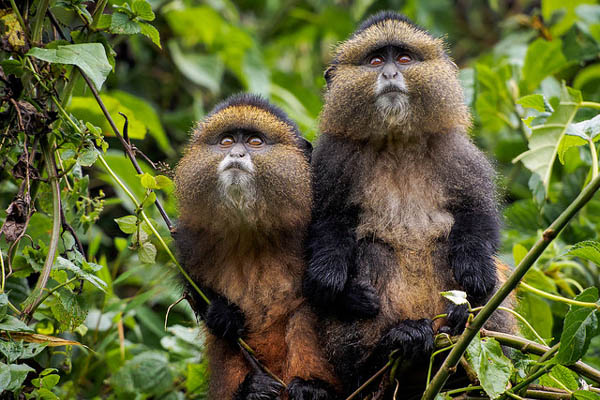
Golden monkeys (scientific name: Cercopithecus mitis kandti) are one of Africa’s most striking primates, instantly recognizable by their brilliant golden-orange fur that glows like sunlight on their backs, contrasted sharply with black limbs, faces, and tails.
Adults weigh between 3-6 kg, with males slightly larger than females, and their long tails help them balance as they navigate the dense bamboo thickets.
These monkeys are subspecies of the Sykes’ monkey, adapted specifically to high-altitude montane forests.
Their diet is primarily vegetarian, focusing on young bamboo shoots, leaves, fruits, flowers, and occasionally invertebrates like insects or small vertebrates when available.
This bamboo-heavy menu keeps them in constant motion, foraging in large troops that can number 60-120 individuals.
Social structure revolves around a dominant alpha male who leads the group, supported by several adult females and their young.
Playful juveniles often chase each other in acrobatic displays, while adults groom one another to strengthen bonds—behaviors you’ll witness up close during tracking.
Golden monkeys are endemic to the Virunga Volcanoes massif, a transboundary ecosystem shared by Uganda (Mgahinga Gorilla National Park), Rwanda (Volcanoes National Park), and the Democratic Republic of Congo.
Their global population is estimated at just 2,000–4,000 individuals, classifying them as Endangered on the IUCN Red List due to habitat loss from agriculture, illegal logging, and human encroachment.
Tourism plays a vital role in conservation here: permit fees directly fund park patrols, community projects, and reforestation efforts that protect their bamboo habitat.
Fun facts include their impressive jumping ability—they can leap up to 6 meters between bamboo stems—and their vocalizations, which range from soft contact calls to alarm barks when predators like leopards or eagles are near.
As someone who’s spent countless mornings in Mgahinga, I still get chills hearing a troop announce their presence before bursting into view.
These monkeys are not only beautiful but also key indicators of forest health in the Virungas.

Best Places for Golden Monkey Tracking in Uganda
Mgahinga Gorilla National Park stands out as Uganda’s premier—and essentially only—destination for golden monkey tracking.
Located in southwestern Uganda near Kisoro town, the park covers just 33.7 square kilometers but packs incredible biodiversity into its bamboo and montane forest zones.
It’s part of the larger Virunga chain, sitting at altitudes of 2,200–4,500 meters, which means cooler temperatures and dramatic misty mornings perfect for photography.
Access from Kampala is straightforward: a scenic 8–10 hour drive via the Kampala-Kabale-Kisoro route, or a quick 1-hour domestic flight to Kisoro Airstrip followed by a short transfer.
Many visitors combine it with Bwindi Impenetrable National Park (gorilla trekking) just 2–3 hours away, making it an ideal multi-primate safari hub.
Why choose Mgahinga over Rwanda’s Volcanoes National Park?
Here’s a quick comparison:
- Permit Cost (2026): Uganda – $60 (tracking) / $100 (habituation); Rwanda – often higher and more competitive.
- Crowd Levels: Mgahinga sees far fewer visitors—groups are small (max 8–10 per troop), ensuring intimate encounters.
- Accessibility: Easier trails in Mgahinga (less steep than some gorilla sectors), with habituation experience available for deeper insights.
- Extras: Shared habitat means possible gorilla or bird sightings; Rwanda focuses more on gorillas.
Mgahinga wins for budget-conscious travelers seeking golden monkey trekking without long booking waits.
The park also boasts over 180 bird species and stunning views of the Virunga volcanoes, making it a complete nature escape.
Best Time to Go Golden Monkey Tracking
Golden monkey tracking is possible year-round in Mgahinga, thanks to the park’s equatorial location and the monkeys’ non-migratory habits.
However, timing impacts comfort and success rates.
Dry seasons (June–September and December–February/March) offer the best conditions: clear skies, drier trails, and excellent visibility for spotting troops quickly.
Trails are less muddy, hikes are more enjoyable, and photography shines in the golden morning light.
These months align with peak tourist seasons, but golden monkey permits remain easier to obtain than gorilla ones.
Rainy seasons (March–May and October–November) bring lush, greener forests and fewer crowds, but expect slippery, muddy paths and occasional heavy downpours.
The bamboo grows faster, making tracking slightly harder as monkeys disappear into thick undergrowth.
Altitude means temperatures drop to 10–15°C even in rain, so pack layers.
For 2026, avoid Christmas/New Year and Easter holidays if you prefer smaller groups.
As a local guide, I recommend June–August or December–February for first-timers—ideal weather and high chances of 90%+ success.

Golden Monkey Trckking Permits & Costs 2026
Golden monkey tracking remains one of the most affordable primate permits in Uganda.
According to the Uganda Wildlife Authority (UWA) Conservation Tariff July 2024–June 2026:
- Golden Monkey Trekking: $60 USD (foreign non-residents), $50 USD (foreign residents), 40,000 UGX (East African citizens).
- Golden Monkey Habituation Experience: $100 USD (foreign non-residents), $80 USD (foreign residents), 100,000 UGX (East Africans).
These fees include park entry, a trained ranger/guide, and one full hour with the monkeys once located.
- Book through the UWA website (ugandawildlife.org), by email, or directly at Ntebeko Visitor Centre in Mgahinga.
- Permits are allocated daily and rarely sell out, unlike gorilla permits.
- Inclusions: Ranger escort, armed ranger for safety, 1-hour observation time.
Comparisons:
- Gorilla tracking: $800 USD (much more strenuous and limited).
- Chimpanzee tracking: $150–$200 USD in other parks.
Hidden costs include transport from Kampala (~$200–$400 round-trip private), accommodation (budget lodges $80–$150/night), meals, and tips (~$10–$20 per ranger).
Total for a solo traveler: around $400–$700 including everything.
For habituation: This allows longer observation and research insights—perfect for photographers or repeat visitors.
What to Expect on a Golden Monkey Trekking Day
Your golden monkey tracking day starts early.
Arrive at Ntebeko Visitor Centre by 7:30 AM for registration and briefing. Rangers share park rules, monkey behavior tips, and safety info.
At 8:00 AM, groups depart with a guide and armed ranger.
The hike typically lasts 2–4 hours round-trip, depending on the troop’s location.
Unlike gorilla tracking (which can take 6+ hours over steep terrain), golden monkey paths are more moderate—bamboo trails with some inclines but less elevation gain.
You’ll walk through misty forests, cross small streams, and listen for monkey calls to locate the group.
Once found, you get one magical hour observing from 7 meters away.
Watch them feed on bamboo, groom, play, and leap between stems.
Juveniles tumble in playful chases, adults scan for threats, and the alpha male keeps order.
Photography is allowed (no flash), and the light filtering through bamboo creates stunning shots.
Rules are strict: wear masks for disease prevention, stay on trails, no eating/smoking, and speak quietly. Success rate exceeds 95% year-round.
Variations:
- Standard Trekking: 1-hour viewing, ideal for most.
- Habituation Experience: Deeper access, more time, educational focus.
I’ve led groups where we spotted a troop within 45 minutes and spent the hour watching a mother nurse her infant—unforgettable moments.

How to Prepare: Packing List & Tips for Golden Monkey Tracking in Uganda
Preparing properly for golden monkey trekking in Mgahinga Gorilla National Park makes all the difference between an enjoyable adventure and a challenging one.
At altitudes around 2,200–3,000 meters, the terrain features steep, often muddy bamboo trails, unpredictable weather with sudden rain showers, strong winds, and cooler temperatures (typically 10–20°C).
The hike is moderate—usually 2–4 hours round-trip, less strenuous than gorilla trekking—but it demands good footing and protection from nettles, insects, and wet conditions.
As a Kampala-based safari expert who’s accompanied many groups through these misty forests, I always emphasize: pack smart, stay comfortable, and respect the environment to maximize your chances of an unforgettable encounter with these playful golden monkeys.
Essential Packing List Focus on waterproof, durable, and layered items to handle the variable climate and rough paths.
Here’s a comprehensive checklist tailored for golden monkey trekking:
- Footwear: Waterproof hiking boots with excellent ankle support and deep treads for grip on slippery, muddy slopes. Avoid new boots—break them in beforehand to prevent blisters. Gaiters or high socks help keep mud out.
- Clothing: Long-sleeved shirts and long trousers (quick-dry, breathable fabrics) to protect against nettles, scratches from bamboo, and insects. Pack layers: a moisture-wicking base layer, fleece mid-layer for cold mornings, and a lightweight waterproof jacket/poncho. Dark or neutral colors blend better in the forest and attract fewer insects.
- Rain & Weather Gear: A high-quality rain jacket (preferably with hood) and rain pants—rain can start suddenly and make trails treacherous. A waterproof daypack cover or dry bag protects your valuables, camera, and snacks.
- Sun & Insect Protection: Wide-brimmed hat or cap for sun (when it breaks through the mist), high-SPF sunscreen (apply generously—UV is strong at altitude), and strong insect repellent (DEET-based for mosquitoes and tsetse flies).
- Hydration & Energy: Reusable water bottle (at least 1–2 liters) and energy snacks like nuts, energy bars, or fruit—rangers don’t stop often, and you’ll burn calories on inclines.
- Support Items: A sturdy walking stick (rentable at the park for ~$5–10) for balance on steep/muddy sections. Garden gloves protect hands from nettles and thorns.
- Photography & Extras: Camera or smartphone with zoom lens and extra batteries (cold drains them fast), binoculars for birdwatching (Mgahinga has over 180 species), and a small backpack (10–20L) for hands-free carrying.
- Health & Safety: Face masks (mandatory near primates to prevent disease transmission), hand sanitizer, basic first-aid (band-aids, painkillers, blister plasters), and any personal medications.
Fitness Considerations The trek suits most people with moderate fitness—no extreme endurance needed like gorilla tracking. Expect some steep ascents, uneven bamboo roots, and potential mud that slows you down.
If you’re not used to hiking, practice with daily walks or stairs in the weeks before.
Altitude can cause mild breathlessness, so arrive a day early in Kisoro to acclimatize. The pace is steady, set by your ranger, with breaks as needed.
Health & Safety Tips Masks are required during close observation (7m distance rule) to protect the golden monkeys from human respiratory illnesses.
Stay hydrated to avoid altitude-related headaches. If you have mobility concerns, discuss with your guide—porters can assist.
The park is safe with armed rangers, but follow instructions to avoid wildlife surprises (e.g., buffalo or elephants occasionally present).
Local Tips from a Kampala Guide
- Hire a porter ($15–$25/day)—they carry your gear, provide stability on tricky spots, and directly support Kisoro communities. It’s ethical tourism at its best.
- Respect rangers—they’re experts; listen to their calls about monkey locations and rules.
- Photography etiquette—no flash (disturbs primates), move slowly, and keep quiet to avoid startling the troop. Capture natural behaviors like playful leaps or grooming sessions.
- Extra advice: Pack light but smart—overpacking tires you out. Bring cash for tips (generous for rangers/porters builds goodwill). If combining with gorilla trekking, reuse most items but add warmer layers for higher elevations.
With this preparation, you’ll focus on the magic: watching golden monkeys swing through bamboo, their golden fur catching the light.
It’s rewarding and accessible—get ready, and you’ll leave with incredible stories and photos. Need help customizing your packing for a full primate safari?
Contact us in Kampala for personalized advice!
Top Golden Monkey Tracking Tours & Itineraries in Uganda
Opting for organized golden monkey tracking tours in Mgahinga Gorilla National Park ensures hassle-free logistics, expert guidance, and seamless integration with other primate experiences—especially since the park’s remote location in southwestern Uganda (near Kisoro) requires reliable transport and permits.
As a Kampala-based safari specialist, I’ve curated these golden monkey trekking packages for 2026, drawing from real UWA experiences and client feedback.
These itineraries minimize travel stress, maximize wildlife encounters, and often combine golden monkey tracking with gorilla trekking for an unbeatable primate safari value.
Permits rarely sell out for monkeys (unlike gorillas), but booking early secures your dates and avoids peak-season surcharges.
Recommended Packages for Golden Monkey Tracking
Here are top options tailored to different budgets and durations:
- 1-Day Golden Monkey Trek (Standalone Adventure): Ideal for fly-in visitors or quick add-ons. Depart Kampala/Entebbe early (or fly to Kisoro Airstrip), track golden monkeys in the bamboo forests (2–4 hour hike, 1-hour observation), and return same day. Perfect for photographers or those short on time. Includes permit, guide, lunch, and transfers. ~$350–$500 per person (sharing).
- 3–4 Day Combined Primate Safari (Golden Monkeys + Gorillas): The most popular—Day 1: Transfer to Mgahinga; Day 2: Gorilla trekking (Nyakagezi family, $800 permit); Day 3: Golden monkey tracking or habituation ($60–$100); Day 4: Return or extend with Batwa cultural walk/volcano hike. This pairs the playful golden monkeys with majestic gorillas in one compact trip, saving on logistics. ~$1,200–$2,500 per person (depending on lodge level).
These draw from established operators like those offering Mgahinga-focused safaris, with habituation options for deeper research insights (4+ hours with monkeys).
Our Kampala-Based Golden Monkey Tracking Offerings
We specialize in personalized golden monkey tracking Uganda tours with a focus on small groups (max 6–8 guests) for intimate, ethical experiences.
All packages use 4×4 vehicles, English-speaking local guides (UWA-certified), and eco-friendly lodges with volcano views.
- 1-Day Golden Monkey Trek: Starting at $450 USD per person (sharing; solo supplements apply). Inclusions: Private round-trip transport from Kampala/Entebbe, golden monkey permit, ranger/guide, bottled water, lunch, park fees. Unique Perks: Early briefing, flexible timing, optional Batwa community visit.
- 4-Day Gorilla & Golden Monkey Safari: From $1,650 USD per person (mid-range, sharing; budget from $1,200, luxury $2,200+). Inclusions: All transfers from Kampala, 3 nights accommodation (e.g., Mount Gahinga Lodge or Travelers Rest), all meals, gorilla permit ($800), golden monkey permit ($60), habituation upgrade ($100), drinking water, guide, Batwa experience. Unique Perks: Small-group focus for better photos, personalized itineraries (add lake Mutanda boat rides), community support (porters from Kisoro), and post-trek debriefs with tips on responsible tourism.
Prices valid for 2026 (UWA tariffs through June); excludes international flights, visas (~$50), tips (~$20–50/day), and insurance.
We handle permit bookings directly with UWA for guaranteed availability.
Booking CTA: Ready for your golden monkey tracking adventure? Contact us in Kampala today for a free custom quote, availability check, and secure booking.
Conservation & Responsible Tourism in Golden Monkey Tracking
Golden monkey tracking in Mgahinga Gorilla National Park isn’t just an exciting wildlife adventure—it’s a direct contribution to preserving one of Africa’s most endangered primates.
The Uganda Wildlife Authority (UWA) enforces strict rules during treks to minimize human impact on these endangered golden monkeys (Cercopithecus mitis kandti), whose global population hovers between 2,000–4,000 individuals, all confined to the Virunga massif shared by Uganda, Rwanda, and the Democratic Republic of Congo.
Rules like maintaining a 7-meter distance, limiting group sizes (typically 8–10 people), mandatory face masks to prevent disease transmission, no flash photography, and quiet behavior protect the monkeys from stress, respiratory illnesses, and behavioral changes that could threaten their survival.
Tourism revenue plays a pivotal role in funding conservation.
UWA permit fees—$60 for standard golden monkey tracking and $100 for the habituation experience—directly support ranger patrols, anti-poaching efforts, habitat monitoring, and reforestation in the bamboo forests these primates depend on.
A portion of park entry fees flows into community revenue-sharing programs, benefiting local Kisoro residents through infrastructure projects, education, and alternative livelihoods like porter jobs or eco-tourism enterprises.
This model reduces pressure on the forest by providing economic incentives to protect it rather than exploit it for firewood, agriculture, or illegal logging.
Similar successes in nearby gorilla conservation demonstrate how tourism can turn local communities into active stewards, lowering poaching and human-wildlife conflict.
The Virungas face significant challenges: rapid habitat loss from surrounding high human population densities (up to 1,000 people/km²), deforestation for farming and settlement expansion, climate change impacts on bamboo regeneration, and occasional snares or diseases.
Transboundary threats like regional instability and resource extraction add complexity, but collaborative efforts through the Greater Virunga Transboundary Collaboration and organizations like the Dian Fossey Gorilla Fund help coordinate protection across borders.
Low-Impact Tips for Responsible Visitors To ensure your golden monkey tracking experience supports conservation rather than harms it:
- Strictly follow ranger instructions—no approaching closer than 7 meters, no eating/smoking near primates.
- Avoid flash photography to prevent startling the troop; use natural light for shots of their playful leaps and grooming sessions.
- Stay on designated trails to avoid trampling vegetation or disrupting habitats.
- Hire local porters and guides—their income directly aids community buy-in for protection.
- Choose ethical operators partnering with UWA and supporting revenue-sharing.
- Offset your carbon footprint and educate others about the threats these monkeys face.
By traveling responsibly, your visit helps secure a future for golden monkeys in their misty Virunga home.
As a Kampala-based guide, I’ve seen how mindful tourism transforms challenges into hope—join us to make a positive difference!
Is golden monkey trekking worth it?
Yes—golden monkey trekking is absolutely worth it, especially if you’re already visiting gorilla parks.
Golden monkeys are playful, fast-moving, and very photogenic, offering a lighter, more energetic experience compared to gorilla trekking. The trek is less strenuous, more affordable, and ideal for families, first-time visitors, and travelers with limited time. It also directly supports conservation in the Virunga ecosystem.
Where can you see golden monkeys in Uganda?
Golden monkeys in Uganda are found only in Mgahinga Gorilla National Park, located in the southwestern corner of the country near Rwanda and DR Congo. Mgahinga is part of the Virunga Conservation Area, one of the most biodiverse regions in Africa and also home to mountain gorillas.
How long is golden monkey tracking?
Golden monkey tracking usually lasts 2 to 4 hours, including briefing, trekking, and observation time. Once the monkeys are located, visitors spend up to 1 hour watching them feed, jump through bamboo forests, and interact naturally.
Which month is best for gorilla trekking in Uganda?
The best months for gorilla trekking in Uganda are June to September and December to February. These dry seasons offer better trail conditions, easier hiking, and clearer forest views, making the trekking experience more comfortable and enjoyable.
Frequently Asked Questions
What is the age limit for golden monkey tracking?
There is no strict minimum age set by UWA, but children must be at least 5 years old to participate due to the altitude, moderate hiking, and need to follow rules quietly. Most families bring kids 6+ successfully.
How difficult is the golden monkey trek?
Moderate difficulty—easier and shorter than gorilla trekking. Expect 2–4 hours total walking on bamboo trails with some steep and muddy sections. No extreme fitness required, but good balance and moderate stamina help. Porters can assist if needed.
What happens if it rains during the trek?
Tracking proceeds rain or shine—golden monkeys are active regardless. Trails can get muddy and slippery, so waterproof gear is essential. Rangers adjust routes for safety, and most groups complete the experience successfully even in wet weather.
How does golden monkey tracking compare to gorilla trekking?
Much more affordable ($60 vs $800 permit), shorter and less strenuous hike, smaller groups (8–10 people max), and playful monkey behavior vs the slower, more majestic gorillas. Gorillas offer deeper emotional impact, but golden monkeys provide better value and easier access.
How does it compare to chimpanzee tracking?
Golden monkey treks are shorter (2–4 hours vs 3–6+ for chimps), cheaper ($60 vs $150–$200), and take place in open bamboo forests rather than dense rainforest. Chimps are more elusive and vocal; golden monkeys are easier to spot and more acrobatic.
Can I take photos during golden monkey tracking?
Yes—photography is encouraged! No flash allowed (to avoid startling the primates). Bring a camera with zoom; the golden fur and bamboo backdrop create stunning natural-light shots.
Is the habituation experience worth the extra cost?
Absolutely, if you want more time (up to several hours) and deeper insights into research and behavior. Standard tracking gives 1 hour; habituation is ideal for photographers, repeat visitors, or those wanting an educational focus ($100 vs $60).
What is the best time of year for golden monkey tracking in 2026?
Dry seasons (June–September and December–February) offer the best weather, drier trails, and clearer visibility. Rainy seasons (March–May, October–November) are greener but muddier—still very doable with proper gear.
Do I need to wear a face mask?
Yes—masks are mandatory when within 7 meters of the primates to prevent transmitting human respiratory diseases. Rangers provide guidance and enforce this rule strictly.
How far in advance should I book my permit?
1–3 months is ideal for peace of mind, but golden monkey permits rarely sell out (unlike gorilla ones). Last-minute bookings are often possible—contact UWA or your operator directly.
Is golden monkey tracking safe?
Very safe—armed rangers accompany every group, wildlife risks are low, and the park has excellent safety protocols. Follow ranger instructions to stay secure.
What other wildlife might I see during the trek?
Besides golden monkeys, look for forest birds (over 180 species in Mgahinga), duikers, bushbucks, and occasionally the Nyakagezi gorilla family if they’re nearby.
Can I combine golden monkey tracking with other activities?
Yes—most visitors pair it with gorilla trekking in nearby Bwindi, Batwa cultural experiences, or volcano hikes. It’s an easy add-on to multi-day primate safaris.
What currency should I bring for permits and tips?
USD cash in good condition is preferred for UWA permits. Bring small bills for tips (rangers $10–20, porters $15–25) and park extras.
Are there restrooms or facilities on the trail?
Basic restrooms are available at Ntebeko Visitor Centre before and after the trek. No facilities during the hike itself, so plan accordingly.
Conclusion & Next Steps
Golden monkey tracking in Uganda stands out as one of the most accessible, affordable, and rewarding primate experiences in East Africa.
For just $60 (foreign non-residents) in 2026, you can spend an unforgettable hour observing these vibrant, endangered golden monkeys leaping through the misty bamboo forests of Mgahinga Gorilla National Park.
Unlike the high-cost, high-demand gorilla trekking ($800 permit), golden monkey tracking offers smaller groups, shorter hikes (2–4 hours), easier terrain, and playful, acrobatic behaviors that make for incredible close-up photography and family-friendly adventure.
The benefits are clear:
- Exceptional value with high success rates (>95%) year-round
- Intimate encounters with troops of 60–120 golden-furred primates in a stunning transboundary Virunga setting
- Direct contribution to conservation through UWA fees that fund habitat protection, anti-poaching, and community projects
- Perfect as a standalone day trip or combined with gorilla trekking in nearby Bwindi for a complete primate safari
- Less crowded trails, easier permits, and the chance to witness unique behaviors like grooming, playful chases, and bamboo foraging
Whether you’re a wildlife photographer seeking golden-fur shots in soft morning light, a family wanting an affordable primate highlight, or a repeat Uganda visitor adding variety to your safari, golden monkey tracking delivers magic without the long waits or premium price tags.
Don’t leave your 2026 Uganda adventure to chance—permits are easy to secure, but ideal dates in dry seasons (June–September, December–February) fill up with group bookings.
Contact us at GoSilverback Safaris in Kampala today to book your golden monkey adventure! We’ll handle permits, transport, accommodation, and personalized itineraries with small groups, local expert guides, and responsible tourism at the core.
Email info@gosilverbacksafaris.com, call/WhatsApp +256-755-295561, or visit our website to request a free quote and secure your spot.
Let’s make your Virunga experience extraordinary—reach out now and start planning!.