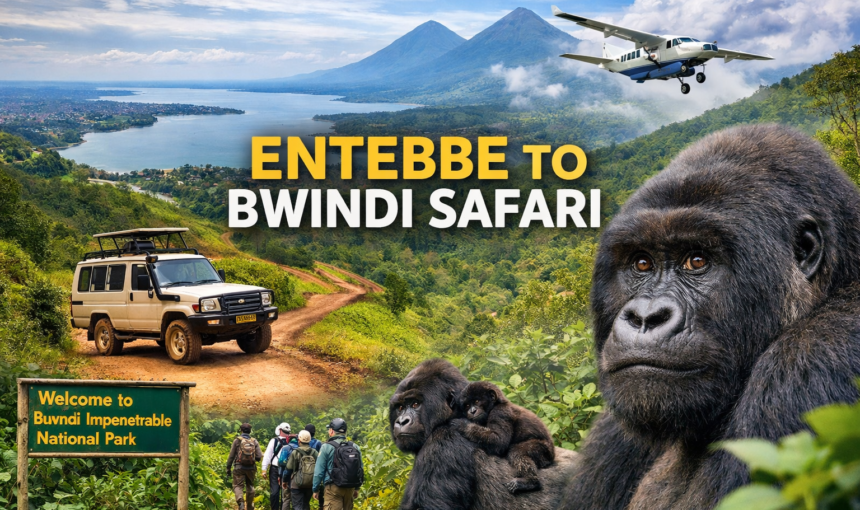
Entebbe to Bwindi Safari Ultimate Guide: Routes, Cost & Tips 2026
Entebbe to Bwindi Safari: The journey from Entebbe to Bwindi Impenetrable National Park is one of the most rewarding travel experiences in Uganda, leading adventurers from the shores of Lake Victoria to the misty, ancient rainforests of southwestern Uganda.
Entebbe International Airport serves as the primary gateway for most international visitors arriving in the country. From here, the trip to Bwindi covers a distance of approximately 460–530 km, depending on the specific sector of the park (such as Buhoma in the north, Ruhija in the east, or Rushaga/Nkuringo in the south).
By road, the drive typically takes 8–10 hours, winding through Uganda’s diverse landscapes. The route often passes through lively towns like Masaka and Mbarara, offering opportunities to stop at the Equator crossing near Kayabwe for photos and souvenirs, enjoy local cuisine, or spot rural life along the way.
The journey transitions from flat savannas and farmlands to the rolling hills of the Kigezi Highlands—often called the “Switzerland of Africa”—before descending into the lush, dense forest of Bwindi.
While scenic and culturally immersive, the drive involves some bumpy sections, especially on the final approaches, making a 4×4 vehicle and an experienced driver highly recommended.
For those seeking comfort and efficiency, domestic flights from Entebbe (or nearby Kajjansi) to airstrips like Kihihi or Kisoro are available, cutting the travel time to about 1 hour in the air, followed by a short road transfer to your lodge or the park trailheads.
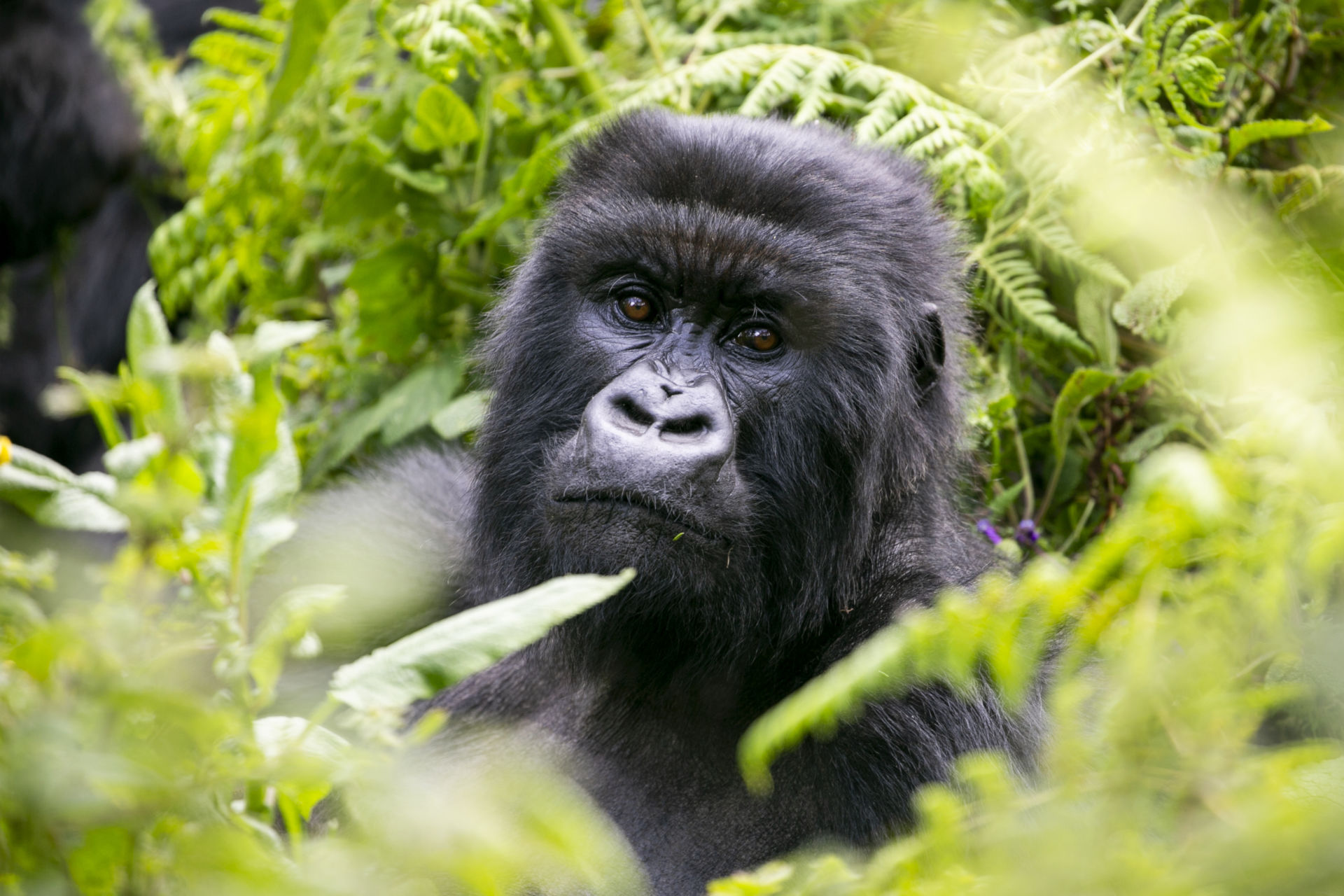
Bwindi Impenetrable National Park is world-famous as one of the last strongholds of the endangered mountain gorillas, harboring roughly half of the world’s remaining population (over 400 individuals).
This UNESCO World Heritage Site offers the unforgettable experience of gorilla trekking, where visitors spend one magical hour observing these gentle giants in their natural habitat.
The park’s dense “impenetrable” forest also supports incredible biodiversity, including rare birds, butterflies, primates, and more, making it a premier destination for wildlife enthusiasts and nature lovers.
This guide is tailored for local and international travelers from the USA, UK, Europe, Canada, Asia, and the Middle East planning a bucket-list safari to Uganda.
Whether you’re combining gorilla trekking with other highlights like Queen Elizabeth National Park or seeking a focused fly-in experience, the information here helps you plan logistics, understand options, and prepare for an ethical, rewarding adventure.
Quick Summary Box
- Distance: 460–530 km (varies by Bwindi sector)
- Drive Time: 8–10 hours
- Flight Time: 1 hour (plus short ground transfer)
- Best Time: June–September & December–February (drier trails, easier trekking)
- Permit Cost: USD 800 (standard gorilla trekking permit for foreign non-residents)
Where is Bwindi Impenetrable National Park?
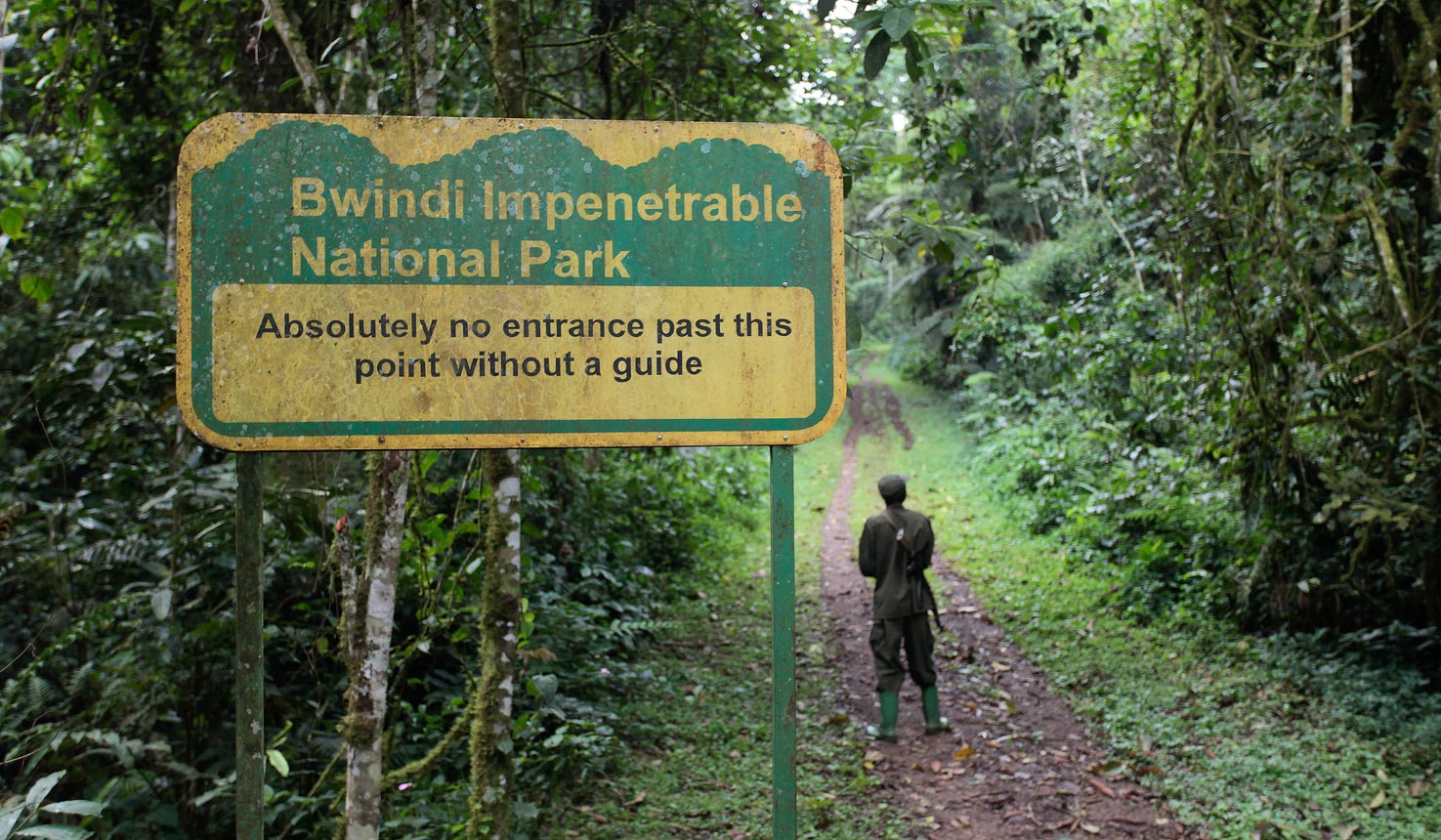
Bwindi Impenetrable National Park is nestled in the southwestern corner of Uganda, in the Kigezi Highlands near the border with the Democratic Republic of Congo (DRC).
This ancient rainforest lies on the edge of the Albertine Rift Valley, transitioning between lowland and montane forest zones, and covers approximately 321 km² (32,000 hectares) of steep, mist-shrouded hills and deep valleys.
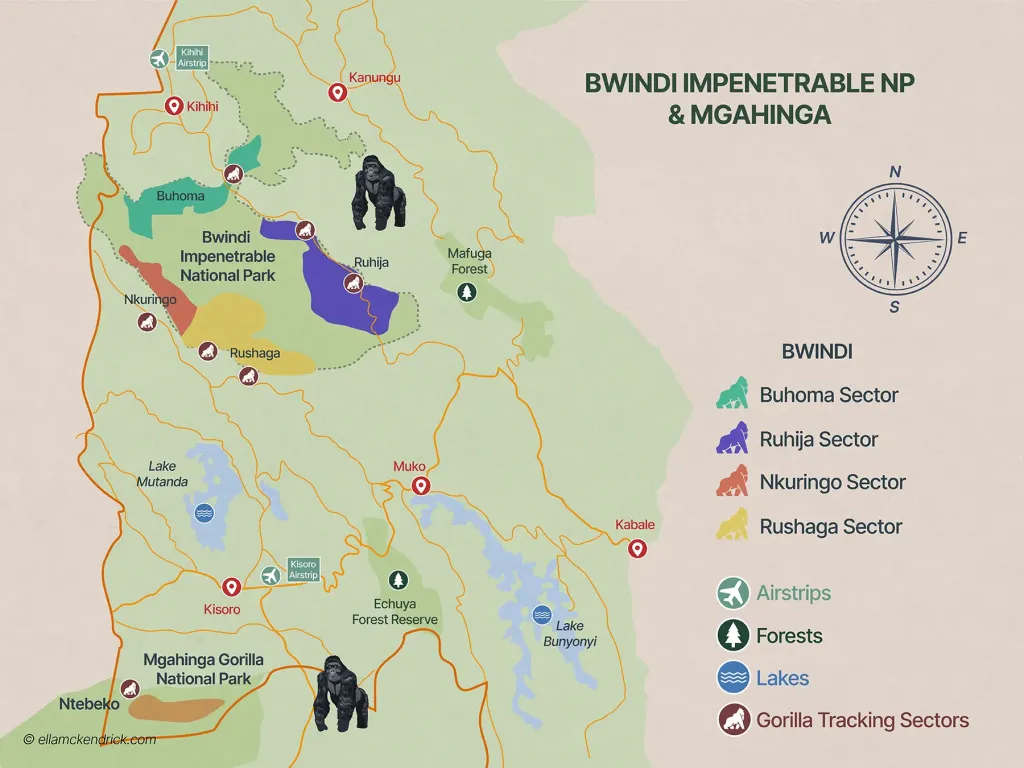
The park spans parts of Kanungu, Kabale, and Kisoro districts, with its western boundary close to the border and nearby Mgahinga Gorilla National Park to the south.
Its remote, rugged location—often described as one of East Africa’s most biodiverse yet challenging forests—contributes to its “impenetrable” nickname, thanks to dense undergrowth, vines, and tangled vegetation.
In 1994, Bwindi was designated a UNESCO World Heritage Site for its outstanding universal value, particularly its exceptional biodiversity and as a critical habitat for endangered species.
Recognized under criteria (vii) for its superlative natural phenomena and (x) for containing threatened species of outstanding universal significance, the park protects one of the planet’s richest ecosystems, including over 200 tree species, more than 100 fern species, 347+ forest birds, and extraordinary primate diversity.
Bwindi is globally renowned as home to roughly half of the world’s remaining mountain gorillas (Gorilla beringei beringei).
Recent estimates place the global mountain gorilla population at around 1,063–1,080 individuals (as of 2024–2025 data), with Bwindi (combined with the adjacent Sarambwe Reserve in DRC) harboring approximately 459 gorillas from the 2018 census.
A new census launched in 2025 is underway, with results expected in 2026, but the population has shown steady growth due to dedicated conservation efforts.
This makes Bwindi one of only two places on Earth (alongside the Virunga Massif) where these critically endangered primates can be observed in the wild.
The park is divided into four main sectors for gorilla trekking and management, each offering access to habituated gorilla groups:
- Buhoma (northern sector): The most developed and accessible, with many lodges and the longest history of tourism.
- Ruhija (eastern sector): Known for higher-altitude trekking and excellent birdwatching.
- Rushaga (southern sector): Popular for its concentration of habituated groups and family-friendly options.
- Nkuringo (southern sector): Features steeper terrain and stunning views, often with fewer crowds.
These sectors allow visitors to choose based on preferences for trek difficulty, accommodation, and group availability, all managed by the Uganda Wildlife Authority (UWA).
Whether arriving by road from Kampala or flying into nearby airstrips, Bwindi’s isolated yet protected location ensures an immersive encounter with one of Africa’s greatest wildlife treasures.
Distance from Entebbe to Bwindi
The road journey from Entebbe International Airport to Bwindi Impenetrable National Park spans approximately 460–540 km, depending on the specific sector (Buhoma, Ruhija, Rushaga, or Nkuringo) and the chosen route.
Most travelers follow the main southern Uganda highway via Kampala, offering a mix of smooth tarmac and challenging murram (gravel/dirt) sections toward the end.
This drive immerses you in Uganda’s landscapes—from Lake Victoria’s shores through fertile farmlands, rolling hills, and terraced highlands—while passing cultural stops like the Equator crossing.
Breakdown by Route The most common and reliable route is: Entebbe → Kampala → Masaka → Mbarara → Ntungamo → Kabale → Bwindi sector
- Start with the Entebbe–Kampala Expressway (smooth, fast tarmac).
- Continue southwest on the well-paved Kampala–Masaka–Mbarara highway (good condition, passing banana plantations and small towns).
- From Mbarara, head to Ntungamo and Kabale (tarmac continues, with scenic views of Ankole cattle and hills).
- From Kabale (or sometimes Ntungamo/Rukungiri for northern access), transition to murram roads into the park’s sectors.
Total km per sector (approximate, from Entebbe):
- Buhoma (northern sector): 480–520 km (via Kabale–Kanungu–Butogota–Buhoma or alternative Rukungiri–Kihihi route).
- Ruhija (eastern sector): 450–500 km (via Kabale–Ruhija).
- Rushaga (southern sector): 500–530 km (via Kabale–Kisoro direction, then to Rushaga).
- Nkuringo (southern sector): 520–540 km (via Kabale–Kisoro–Nkuringo).
Road Condition Analysis The first ~70–80% (Entebbe to Kabale or Rukungiri) is mostly tarmac—paved, relatively smooth, and well-maintained, though watch for traffic, potholes in older sections, and occasional roadworks.
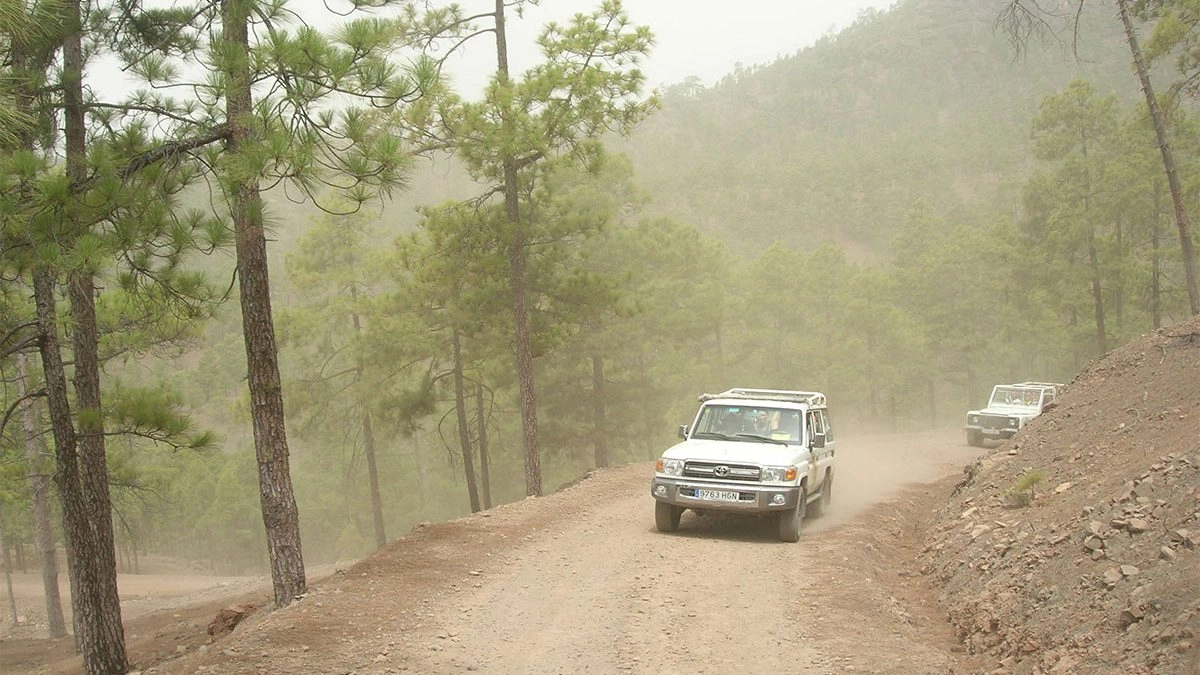
The final stretch to the sectors is murram/dirt: winding, bumpy, steep in places, and dusty in dry weather. A 4×4 vehicle with high clearance is strongly recommended, especially for Ruhija, Rushaga, or Nkuringo, where roads are rougher and narrower. Experienced local drivers handle these sections best.
Dry vs. Rainy Season Travel Time
- Dry season (June–September, December–February): 8–10 hours total (faster on firmer murram roads, fewer delays).
- Rainy season (March–May, October–November): 10–12+ hours (muddy, slippery murram sections slow progress; some routes may become challenging or require detours). Always start early to avoid driving in the dark, as night travel increases risks.
Fuel Stops & Rest Stops Fuel is readily available in major towns: Entebbe/Kampala, Masaka, Mbarara (multiple stations), Ntungamo, and Kabale.
Top up in Mbarara or Kabale, as options thin out closer to Bwindi.
Popular rest stops include:
- Equator crossing at Kayabwe (~2 hours from Entebbe): Souvenirs, photos, snacks.
- Mbarara: Lunch at hotels or Igongo Cultural Centre.
- Kabale: Quick breaks for tea/coffee before the final rugged leg.
This overland adventure adds cultural depth to your gorilla trek, but for comfort (especially in rain), many opt for a 1-hour domestic flight to nearby airstrips like Kihihi (for Buhoma) or Kisoro (for southern sectors), followed by a short 1–2 hour transfer.
Best Ways to Travel from Entebbe to Bwindi
Traveling from Entebbe International Airport to Bwindi Impenetrable National Park offers two primary options: a scenic but lengthy road journey or a quick domestic flight.
The choice depends on your budget, time, comfort preferences, and whether you want to experience Uganda’s landscapes and culture en route.
Most international travelers (from the USA, UK, Europe, Canada, Asia, or Middle East) opt for guided safaris combining transport with expert guidance, gorilla permit coordination, and wildlife insights.
By Road (Most Popular Option)
The road trip is the most common and immersive way to reach Bwindi, covering 460–540 km in 8–12 hours depending on the sector, traffic, and weather.
It allows stops at highlights like the Equator crossing, local markets, and rolling hills of the Ankole region.
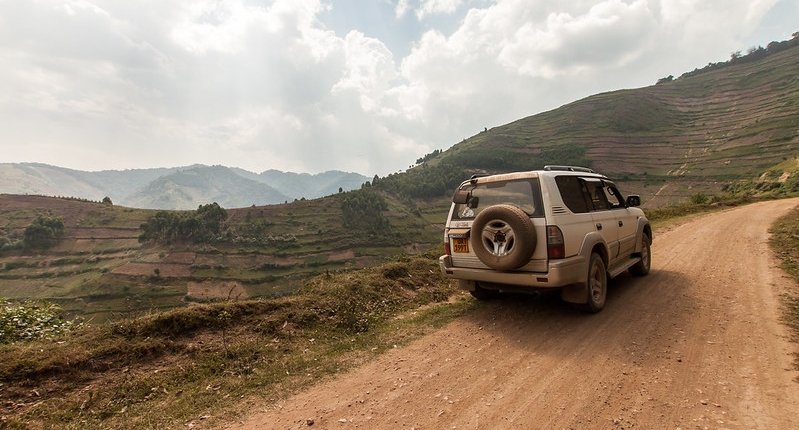
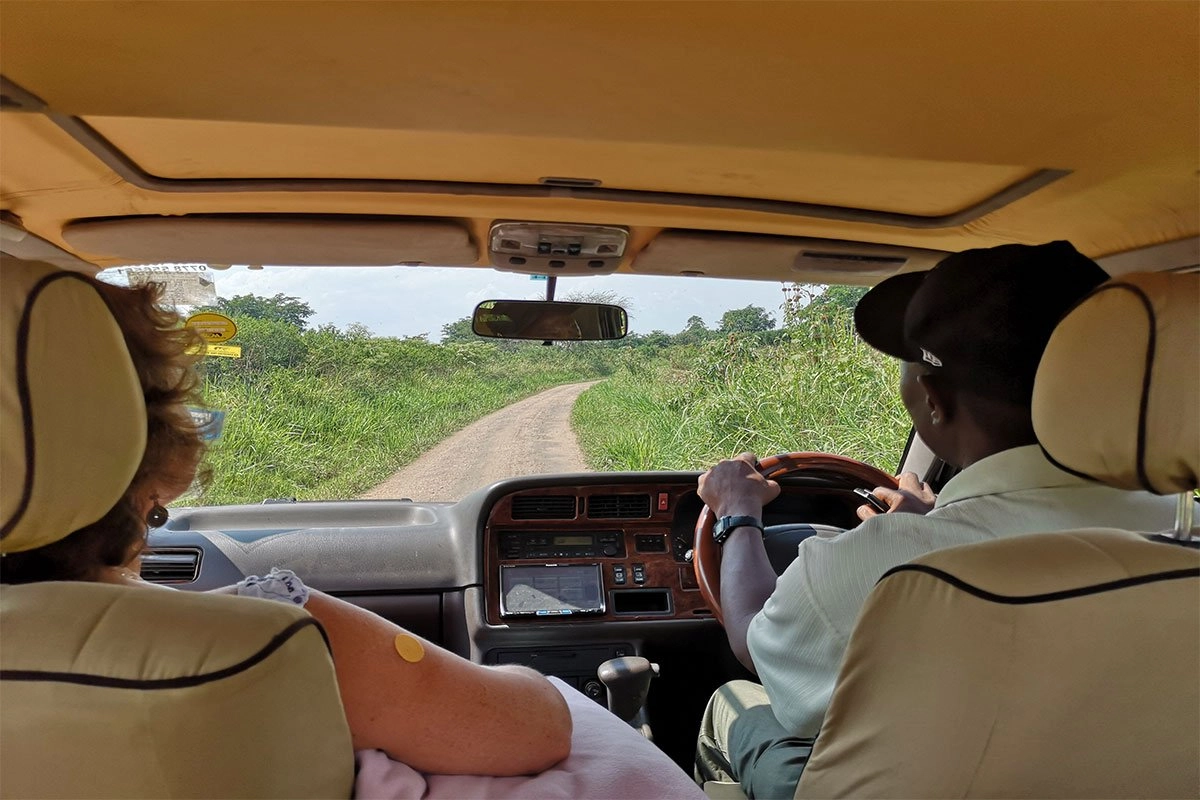
A 4×4 safari vehicle is essential for the final murram (gravel) sections, which are bumpy, steep, and can be muddy in rain. Reliable operators use well-maintained Land Cruisers or similar with pop-up roofs for game viewing if combining with other parks.
- Private vs. group tour: Private tours offer flexibility, personalized stops, and a dedicated driver-guide (ideal for families or those wanting comfort). Group tours (shared with 4–8 people) are more affordable and social, often departing on fixed dates.
- Cost range (per person, approximate for transport only, excluding accommodation/permits; based on 2025–2026 estimates): Private: USD 300–600 one-way (or USD 150–300/day vehicle hire with driver). Group: USD 150–300 one-way (shared in multi-day packages from USD 1,500–3,500 total for short gorilla trips). Full gorilla trekking packages often bundle this in.
Scenic highlights include banana plantations near Masaka, vast savannas around Mbarara, the dramatic climb into the Kigezi Highlands (“Switzerland of Africa”) with terraced fields, and misty forest edges approaching Bwindi.
Start early to enjoy daylight views and avoid night driving.
By Domestic Flight (Fastest Option)
For those prioritizing time and comfort—especially after long international flights—the domestic flight cuts travel to about 1 hour in the air, plus a short ground transfer.
Aerolink Uganda is the leading operator, with reliable scheduled flights from Entebbe (or nearby Kajjansi) to airstrips near Bwindi.
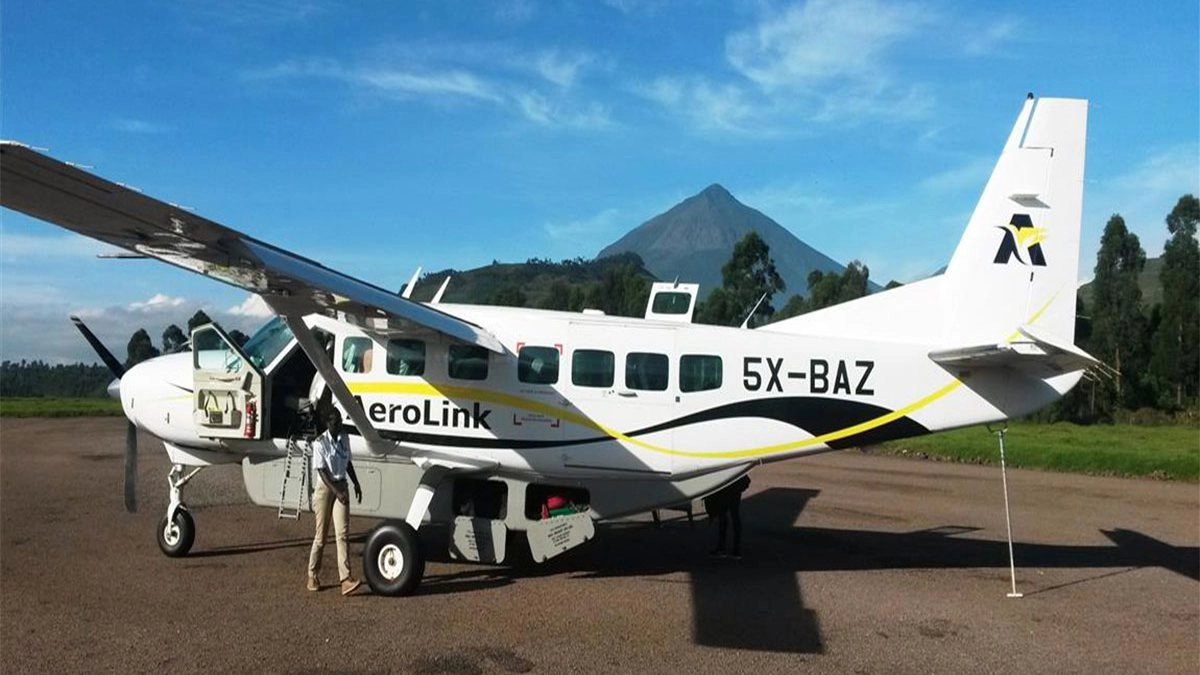
- Flight duration: Approximately 45–75 minutes (typically 1 hour). Multiple daily departures (e.g., early morning 07:00, mid-morning 10:30, afternoon options), weather permitting.
- Airstrips near Bwindi: Kihihi (for northern sectors like Buhoma and Ruhija; ~1–1.5-hour transfer to lodges/gates). Kisoro (for southern sectors like Rushaga and Nkuringo; ~1–2-hour transfer).
- Baggage limits: Strict 15 kg total per person (checked + hand luggage), preferably in soft-sided bags/duffels (no hard suitcases). Hand luggage max ~5 kg; excess charged (around USD 3–5/kg). Pack light for small aircraft.
- Transfer to lodge: Pre-arranged 4×4 transfers from the airstrip (included in many packages or bookable separately) handle the short, scenic drive over murram roads to your lodge or trailhead.
This option saves energy for gorilla trekking and avoids long drives, though it’s pricier (flights ~USD 200–400 round-trip) and weather-dependent (rare delays/cancellations).
Self-Drive vs Guided Safari
While self-drive is possible in Uganda, it’s less common for Bwindi due to challenges.
Guided safari (private or group) is recommended for most visitors:
- Safety: Experienced drivers/guides handle rough roads, wildlife encounters, and emergencies; they know safe distances from animals and local conditions.
- Navigation: Poor signage on final murram sections and complex routes; guides prevent getting lost.
- Road signage: Limited beyond main highways; rural areas lack clear markers.
- Wildlife knowledge: Guides spot animals, explain behaviors, and enhance the experience (e.g., birds, primates en route).
- Permit coordination: Guides/UWA handle gorilla permits (booked months ahead), briefing, and logistics seamlessly.
Self-drive suits adventurous, experienced drivers with 4×4 rentals: cheaper vehicle costs but higher risk of breakdowns, navigation issues, or fatigue.
Not ideal for first-timers or those focused on gorilla trekking—guided options provide peace of mind and richer insights.
Whichever way you choose, book in advance (especially flights/permits) and consider combining with Queen Elizabeth National Park for a fuller safari.
3 Sample Entebbe to Bwindi Safari Itineraries
These sample itineraries are designed for international travelers arriving at Entebbe International Airport, focusing on the iconic mountain gorilla trekking in Bwindi Impenetrable National Park.
They assume a road transfer (most popular and scenic) using a 4×4 safari vehicle with a driver-guide, though flights can shorten drives. All include gorilla permits (USD 800 for non-residents), early starts, and ethical wildlife viewing.
Accommodation tiers are budget (basic lodges/tented camps), mid-range (comfortable lodges with good views), and luxury (high-end eco-lodges with premium amenities). Drive times are approximate for dry season (June–Sept, Dec–Feb); add 1–2 hours in rain.
3 Days Gorilla Trek
This compact itinerary suits time-constrained travelers seeking the core gorilla experience with minimal extras.
Focus: Buhoma or Rushaga sector for easier access.
Day 1: Arrival in Entebbe → Transfer to Bwindi
Arrive Entebbe, meet your driver-guide, and depart for Bwindi (460–530 km, 8–10 hours drive). Stop at the Equator crossing for photos and lunch in Mbarara. Scenic highlights: farmlands, rolling hills, Kigezi Highlands.
Arrive late afternoon; relax and prepare for trekking.
- Wildlife highlights: Roadside birds, possible vervet monkeys or baboons.
- Accommodation: Mid-range (e.g., Buhoma Lodge or similar in sector); budget/luxury options available.
Day 2: Gorilla Trekking in Bwindi
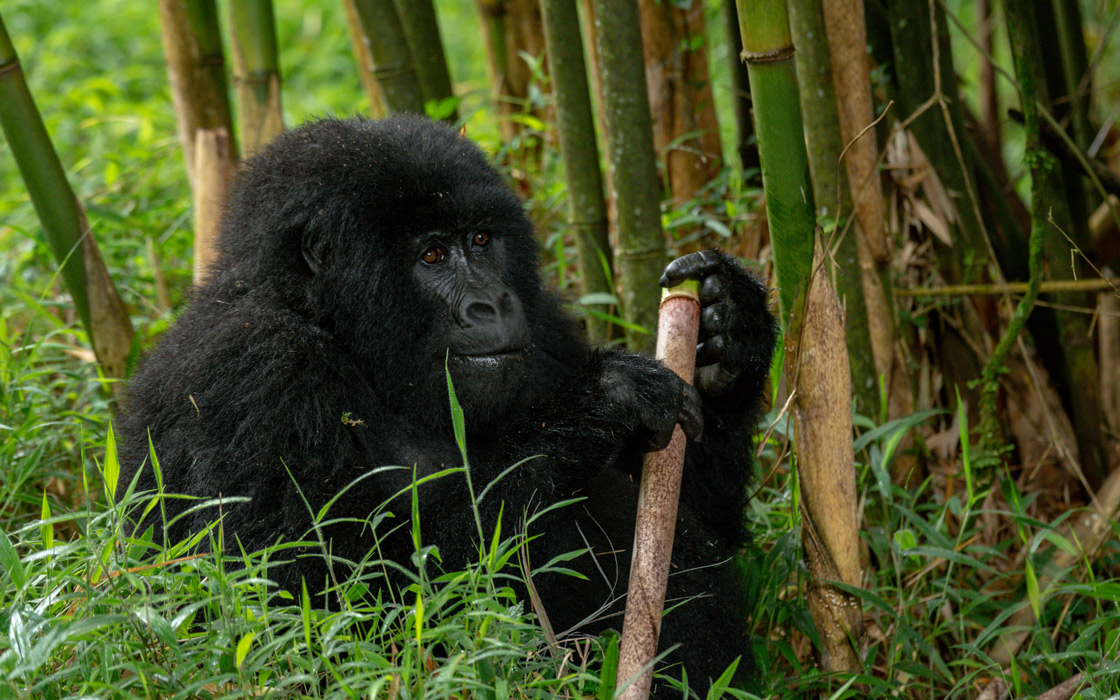
Early breakfast, then to park headquarters for briefing and porter assignment. Trek (2–8 hours depending on group location) through dense forest to spend 1 magical hour with mountain gorillas—observing feeding, playing, and family dynamics.
Return to lodge for lunch and afternoon at leisure (optional community walk or birding).
- Wildlife highlights: Mountain gorillas (up to 400+ in park), black-and-white colobus monkeys, forest birds.
- Drive time: Short transfers to trailhead (~30–60 min).
- Accommodation: Same lodge.
Day 3: Return to Entebbe/Departure
Morning departure back to Entebbe (8–10 hours drive), with optional stops for souvenirs or lunch. Arrive afternoon/evening for international flight or extra night.
- Wildlife highlights: En route scenery and birds.
- Accommodation: N/A (or Entebbe hotel if needed).
4 Days Gorilla + Lake Bunyonyi
Extend the gorilla trip with relaxation at stunning Lake Bunyonyi (near Kabale, ~2 hours from southern Bwindi sectors like Rushaga/Nkuringo).
The lake is Africa’s second-deepest, bilharzia-free, with 29 islands, terraced hills, and serene vibes—perfect for post-trek recovery.
Day 1: Entebbe → Bwindi
As above: 8–10 hours drive to Bwindi (Rushaga sector recommended). Accommodation: Mid-range lodge near Rushaga.
Day 2: Gorilla Trekking
Full-day gorilla trek in Bwindi—immersive forest experience with the endangered primates.
- Wildlife highlights: Mountain gorillas, primates, butterflies.
- Accommodation: Same lodge.
Day 3: Transfer to Lake Bunyonyi + Relaxation
Morning transfer to Lake Bunyonyi (~2–3 hours drive via Kabale). Afternoon activities: boat cruise or dugout canoeing among islands, birdwatching (over 200 species), swimming, or short nature walk/hike to viewpoints.
Optional cultural visit to local villages or Batwa community.
- Wildlife highlights: Waterbirds (herons, kingfishers), possible otters; scenic volcanoes in distance.
- Accommodation: Mid-range lakeside lodge (e.g., Birdnest Resort or similar).
Day 4: Lake Bunyonyi → Entebbe/Departure
Morning free for ziplining, more boating, or relaxation. Afternoon/evening drive back to Entebbe (~7–9 hours via Kabale-Mbarara route).
- Wildlife highlights: Lakeside birds and serene views.
- Accommodation: N/A.
5 Days Gorilla + Queen Elizabeth Safari
Combine gorilla trekking with classic savanna safari in Queen Elizabeth National Park (famous for tree-climbing lions, vast wildlife, and Kazinga Channel). Ideal for a fuller Uganda experience; drive from Bwindi to Queen (via southern sectors, ~3–5 hours).
Day 1: Entebbe → Bwindi
8–10 hours scenic drive to Bwindi (e.g., Rushaga). Accommodation: Mid-range lodge.
Day 2: Gorilla Trekking
Gorilla trek in Bwindi—highlight of the trip.
- Wildlife highlights: Mountain gorillas, forest species.
- Accommodation: Same lodge.
Day 3: Transfer to Queen Elizabeth National Park
Morning drive to Queen Elizabeth (~3–5 hours via Ishasha sector for tree-climbing lions en route). Afternoon game drive in Kasenyi Plains.
- Wildlife highlights: Lions (including tree-climbers in Ishasha), elephants, buffaloes, Uganda kob, warthogs.
- Accommodation: Mid-range lodge (e.g., Mweya or similar).
Day 4: Full Day in Queen Elizabeth
Early morning game drive (Kasenyi or Ishasha), then boat safari on Kazinga Channel (hippos, crocodiles, birds). Optional chimp tracking in Kyambura Gorge (extra fee) or evening drive.
- Wildlife highlights: Hippos, elephants, waterbirds, possible leopards, tree-climbing lions, diverse antelopes.
- Accommodation: Same lodge.
Day 5: Queen Elizabeth → Entebbe/Departure
Morning game drive or optional hot air balloon safari, then drive back to Entebbe (~6–8 hours via Mbarara).
- Wildlife highlights: Final savanna sightings.
- Accommodation: N/A.
These itineraries can be customized (e.g., fly-in for speed, private/group tours). Book gorilla permits early (limited availability) and pack for variable weather—layers, rain gear, sturdy boots.
Contact GoSilverback Safaris for current pricing and sector assignments.
Gorilla Trekking in Bwindi – What to Expect
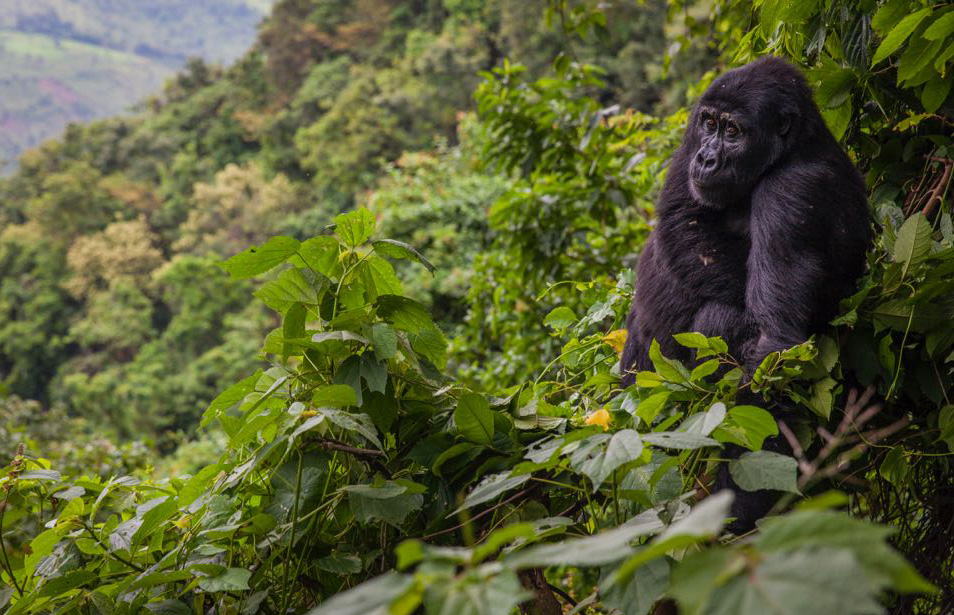
Gorilla trekking in Bwindi Impenetrable National Park is often described as a once-in-a-lifetime encounter—one that blends raw adventure, profound quiet, and an overwhelming sense of privilege.
Imagine stepping into an ancient rainforest where mist clings to towering trees, the air thick with the scent of damp earth and foliage. Your heart races as trackers ahead signal the family is close.
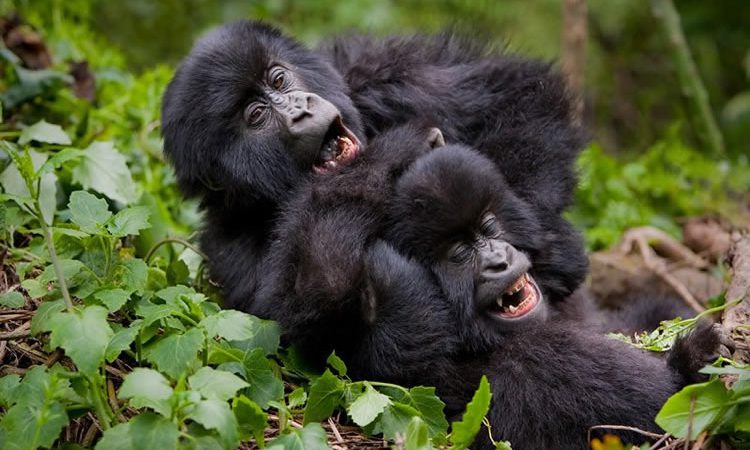
Then, suddenly, there they are: a silverback lounging against a trunk, a mother cradling her infant, juveniles tumbling playfully. In that hushed moment, time slows.
You feel small yet connected to something ancient and gentle. Many trekkers leave in tears, forever changed by the quiet power of these endangered giants.
The day begins early at the sector’s park headquarters (Buhoma, Ruhija, Rushaga, or Nkuringo). After registration, you join a briefing process around 7–8 AM.
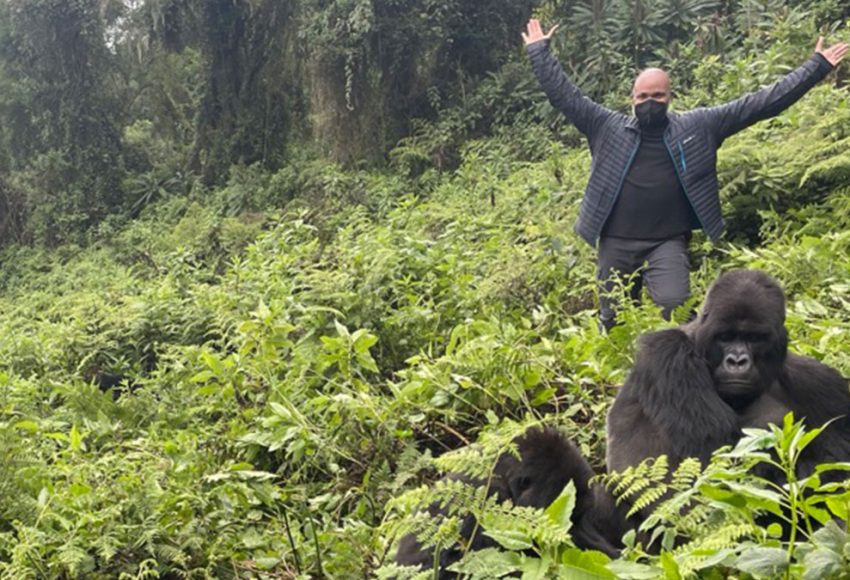
A knowledgeable ranger explains gorilla behavior, safety protocols (keep 7 meters distance, no flash photography, speak quietly, move slowly), etiquette, and what to do if a gorilla approaches.
You’ll learn about the specific family assigned to your group—often based on fitness level and preferences—and receive a walking stick if needed. Porters (highly recommended, ~USD 15–20) can carry your daypack, easing the load.
Trekking starts shortly after, with duration typically 2–6 hours one way (sometimes up to 8 hours round-trip), depending on the gorillas’ overnight location.
The trail winds through dense, muddy vegetation—steep climbs, slippery descents, tangled vines, and roots. It’s physically demanding but rewarding; the “impenetrable” forest lives up to its name.
Groups are strictly limited to 8 people per gorilla family to minimize stress and impact. This small size ensures an intimate, uncrowded experience.
Once located, you get exactly 60 minutes with the gorillas—one magical hour to observe, photograph (no flash), and absorb their world. Watch a dominant silverback chest-beat, infants play, or the family forage. Rangers enforce rules to protect both you and the animals.
The minimum age is 15 years, strictly enforced by the Uganda Wildlife Authority (UWA) for safety, maturity, and to reduce disease transmission risks (gorillas are highly susceptible to human illnesses like colds or flu).
Fitness expectations are moderate to high: good cardiovascular endurance and leg strength help with uneven, hilly terrain at altitudes of 1,160–2,607 meters.
It’s not technical climbing, but prepare for sweat, mud, and effort—regular walkers or hikers fare best. Trekking poles, sturdy boots, rain gear, and layers are essential.
Conservation facts add depth to the emotion: Mountain gorillas remain endangered, but dedicated efforts have turned the tide. The global population exceeds 1,060 (with Bwindi-Sarambwe holding ~459 from the 2018 census, plus growth since; a 2025 census is updating figures).
Tourism revenue funds rangers, anti-poaching, community projects, and habitat protection—your permit directly supports this success story. Trekking is conservation in action: low-impact, high-reward visits help ensure these gentle apes thrive for generations.
Bwindi’s gorilla encounter isn’t just a safari—it’s a humbling reminder of our shared planet and the fragile beauty worth protecting.
Gorilla Permit Cost & Booking Process
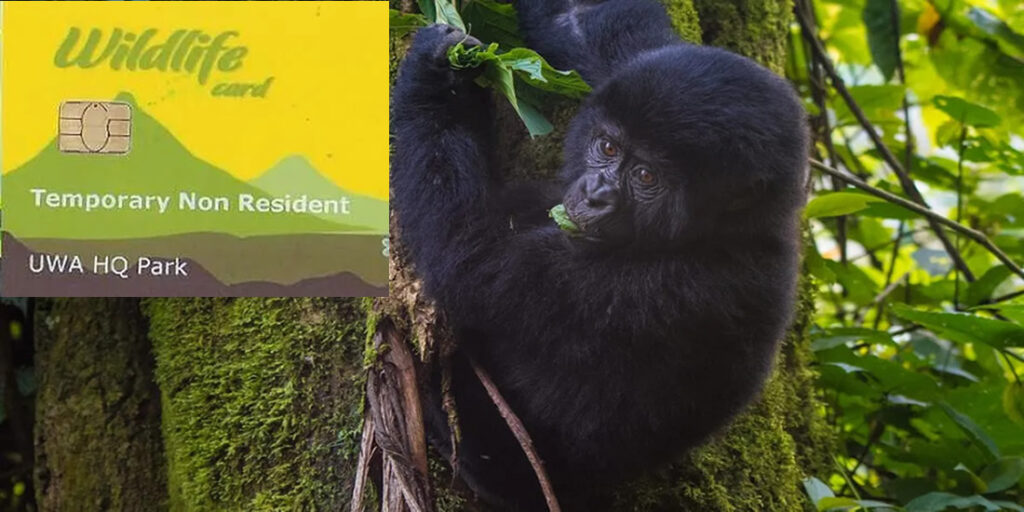
Gorilla permits are the essential ticket to one of the world’s most exclusive wildlife experiences: spending one magical hour with endangered mountain gorillas in Bwindi Impenetrable National Park or Mgahinga Gorilla National Park.
Issued by the Uganda Wildlife Authority (UWA), these permits fund conservation, ranger patrols, anti-poaching efforts, and community projects—directly contributing to the steady growth of the mountain gorilla population (now over 1,000 globally, with Bwindi holding a significant share).
Featured snippet opportunity: “Gorilla permits in Uganda cost USD 800 per person for foreign non-residents.”
For foreign non-residents (most international travelers from the USA, UK, Europe, Canada, Asia, and Middle East), the standard gorilla trekking permit costs USD 800 per person. This covers:
- Guided trek and one hour with a habituated gorilla family.
- Park entrance fees for the day.
- Ranger/guide services.
- A community development contribution.
(Note: Gorilla habituation experience permits, allowing up to 4 hours with semi-habituated groups, cost USD 1,500 for non-residents.
Lower rates apply for foreign residents in Uganda—USD 700—and East African citizens—UGX 300,000. These prices are current under the UWA Conservation Tariff for July 2024–June 2026, with no low-season discounts.)
How early to book Permits are limited to 8 people per gorilla family daily, and demand far exceeds supply—especially in peak dry seasons (June–September and December–February).
Book 3–6 months in advance for the best chance of securing your preferred dates and sector (Buhoma, Ruhija, Rushaga, or Nkuringo).
High-demand months often sell out 6+ months ahead; last-minute availability is rare and risky. Many operators recommend booking 6–12 months out for peak periods to avoid disappointment.
Peak season sell-out risk Peak seasons see rapid sell-outs due to ideal weather (drier trails, easier trekking) and school holidays. Popular sectors like Buhoma and Rushaga fill fastest.
If your dates are inflexible, monitor availability through a licensed operator or UWA’s system—some permits may open up from cancellations, but don’t rely on it.
Refund policies UWA’s cancellation policy is strict to manage high demand:
- Cancellations more than 60 days before the trek may qualify for partial refunds (e.g., 50% in some cases).
- Closer to the date (e.g., 0–45 days), refunds are typically not available, though rescheduling to another available date is often possible (subject to availability and sometimes free if far enough in advance).
- Exceptional circumstances (e.g., serious illness certified by the warden) may allow partial refunds (e.g., 50%), or full refunds in rare cases like gorilla groups crossing borders (Mgahinga-specific).
- If you trek but fail to locate the group (very uncommon), a percentage refund (e.g., 75%) may apply. Always confirm current policy with UWA or your operator, as it can vary.
Licensed operator importance Booking directly through UWA is possible but cumbersome (via their Kampala office or online system).
Most travelers use licensed tour operators (members of AUTO—Association of Uganda Tour Operators) for seamless handling.
Benefits include:
- Real-time availability checks and sector assignments.
- Bundling with transport, accommodation, and full safari logistics.
- Handling payments, briefings, and any issues.
- Avoiding scams or inflated “convenience” fees (reputable operators charge minimal markups, e.g., USD 15–50 per permit).
Never book through unlicensed agents—stick to verified operators to ensure your permit is legitimate and your trek protected.
Securing a permit early locks in your spot for this transformative, conservation-supported adventure.
Best Time to Travel from Entebbe to Bwindi
The journey from Entebbe to Bwindi Impenetrable National Park (460–530 km) is rewarding year-round, but timing significantly impacts road conditions, trekking ease, photography opportunities, and costs.
Uganda has two distinct dry seasons and two rainy seasons, with the forest remaining humid overall—expect possible showers even in drier months.
Gorilla trekking is available daily, but conditions vary.
Dry Seasons (Best Overall)
- June–September (long dry season, peak tourism): Trails in Bwindi are firmer and less slippery, making gorilla trekking easier and more enjoyable. Roads to the park (especially the final murram sections) are drier, reducing mud, dust, and delays—drive times closer to 8–9 hours.
- December–February (shorter dry season): Similar advantages with drier trails and reliable road access, often with slightly fewer crowds than mid-year. These periods offer the highest chance of clear, comfortable conditions for the trek and drive.
Rainy Seasons (Shoulder/Off-Season)
- March–May (long rains, peak in April): Heavier downpours make forest trails muddy and challenging; final road stretches to sectors like Ruhija or Nkuringo become slippery and slower (10–12+ hours drive possible).
- October–November (short rains): Similar issues with wetter conditions, though often less intense than March–May. Roads can be bumpy and require caution, but the journey remains doable with a 4×4.
Road Conditions Dry seasons provide the smoothest travel—tarmac from Entebbe to Kabale stays reliable, and murram roads are firmer with less risk of getting stuck.
In rainy seasons, the last 80–120 km turn muddy and rutted, increasing drive time, vehicle strain, and potential delays. A 4×4 with experienced driver is essential year-round, but critical during rains. Start early and monitor weather.
Photography Dry seasons shine for photography: clearer skies, less haze, and drier foliage allow better light and sharper shots during the trek and en route (e.g., Kigezi Highlands terracing, misty forests without heavy rain).
Gorillas are often more visible in open clearings. Rainy seasons offer lush, vibrant green landscapes, blooming flowers, and dramatic mist—ideal for moody, atmospheric images—but expect rain interruptions, fog, and challenges keeping gear dry.
Lodge Rates Peak dry seasons (June–September, December–February) see higher demand, with lodge rates 20–50%+ above off-season (e.g., luxury options like Sanctuary Gorilla Forest Camp or Bwindi Lodge can jump from ~USD 480–700 low season to USD 1,000+ per person/night).
Permits remain fixed at USD 800, but availability tightens. Rainy seasons bring lower lodge rates, easier permit booking, and fewer crowds—great for budget travelers—though some lodges offer shoulder discounts (late May/early June, late September/early October).
For most international travelers prioritizing comfort and success, aim for June–September or December–February. If budget or crowds matter more, consider shoulder rainy months with proper preparation (rain gear, trekking poles).
Book permits and lodges early regardless—peak seasons fill fast.
Accommodation Options in Bwindi
Staying in Bwindi Impenetrable National Park enhances your gorilla trekking adventure, with options spread across sectors (Buhoma, Ruhija, Rushaga, Nkuringo).
Lodges range from ultra-exclusive eco-retreats immersed in the forest to simple community-run spots. Prices are approximate per person per night (sharing double/twin room, full board unless noted; 2025–2026 rates, subject to season, availability, and inclusions like meals/drinks).
Peak dry seasons (June–Sept, Dec–Feb) often see higher rates; book early via licensed operators. All support conservation and local communities.
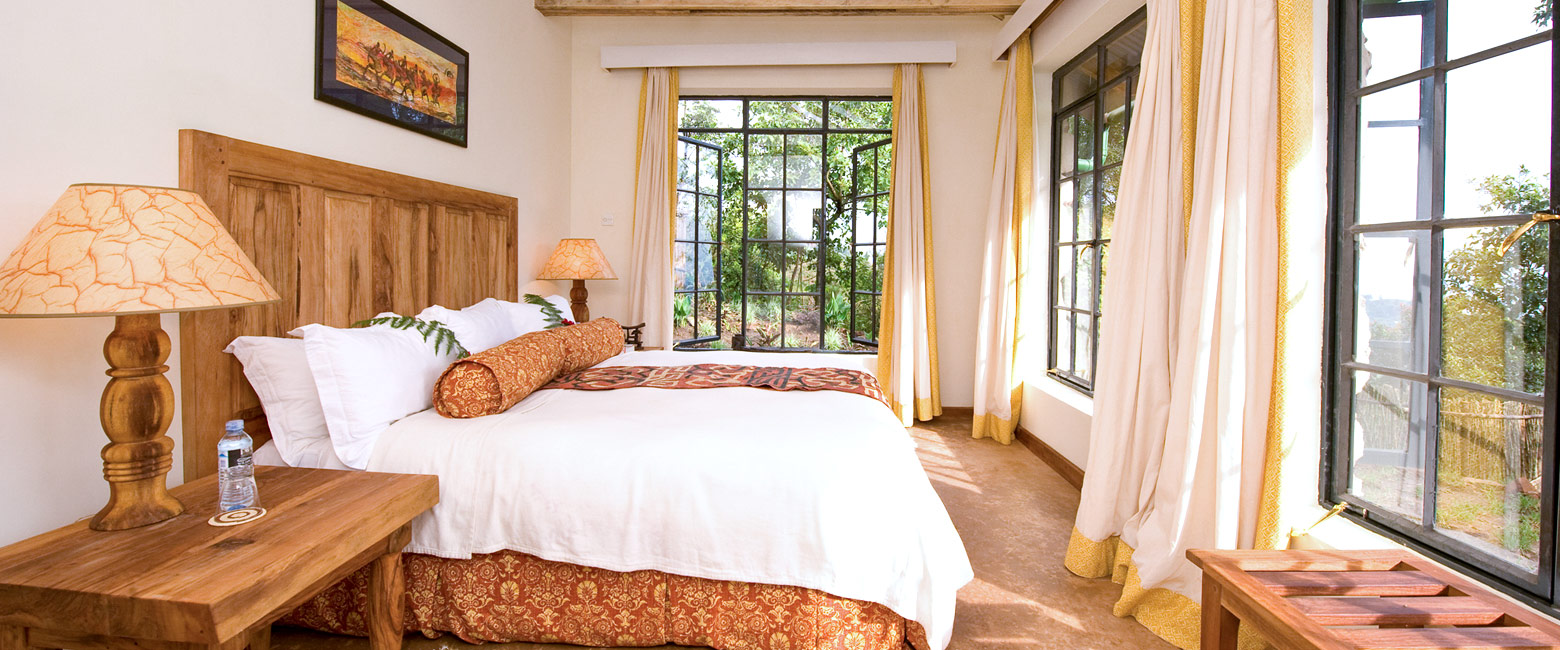
Luxury Lodges High-end eco-lodges offer unparalleled immersion, sustainability, and pampering—perfect for celebrating this bucket-list experience.
Expect spacious forest-view cottages or tents, private verandas, fireplaces, spa services, gourmet meals, and personalized attention like butler service in some.
Many are perched for stunning views of the rainforest canopy or Virunga volcanoes.
Examples include:
- Clouds Mountain Gorilla Lodge (Nkuringo): Hilltop luxury with spa and panoramic vistas.
- Sanctuary Gorilla Forest Camp (Buhoma): Tented luxury inside the park boundaries.
- Bwindi Lodge (Rushaga/Nkuringo area): Spacious cottages with fireplaces and forest immersion.
- Buhoma Lodge (Buhoma): Elevated chalets within the park, with honeymoon/family options.
- Mahogany Springs (Buhoma): Elegant cottages with forest views.
Pricing ranges: USD 400–1,200+ per night (often USD 500–900 average; top-tier like Sanctuary or Clouds can reach USD 700–1,500 in peak season).
Mid-Range Lodges These provide comfortable ensuite rooms, great value, and proximity to trekking trailheads—ideal for most travelers seeking balance between comfort and cost. Expect cozy cottages or tents, hot showers, communal dining, and scenic settings with helpful staff.
Examples include:
- Mahogany Springs or Ichumbi Gorilla Lodge (Rushaga): Stylish and close to treks.
- Gorilla Mist Camp or Silverback Lodge (various sectors): Peaceful with good amenities.
- Four Gorillas Lodge (Rushaga): Modern comfort near the park edge.
Pricing ranges: USD 150–350 per night (commonly USD 200–300; excellent value with meals often included).
Budget Lodges Community-run camps and backpacker options offer basic but authentic stays—tents or simple rooms, shared facilities in some, and a focus on local involvement. Great for adventurers prioritizing the trek over luxury, with warm hospitality and cultural touches.
Examples include:
- Bwindi Backpackers or Gorilla Valley Lodge (various sectors): Affordable tents/rooms.
- Ruhija Gorilla Friends or community camps: Basic en-suites near gates.
- Nshongi Camp or similar: Eco-friendly, low-key options.
Pricing ranges: USD 50–150 per night (often USD 80–120; some as low as USD 30–100 for very basic setups).
Choose based on your sector (to minimize transfer time), group size, and priorities—luxury for indulgence, mid-range for comfort-value, budget for affordability. Many packages bundle accommodation with permits and transport for seamless planning.
What to Pack for Entebbe to Bwindi Safari
Preparing for the journey from Entebbe to Bwindi Impenetrable National Park—and especially the gorilla trekking—requires gear suited to variable weather, dense rainforest terrain, muddy trails, thorny vegetation, insects, and altitudes up to ~2,600 meters.
The forest is humid and unpredictable: rain can fall anytime, even in dry seasons, while mornings/evenings turn chilly. Pack light (soft-sided bags/duffels for flights; 15 kg limit), focus on layers, and prioritize comfort, protection, and low-impact items.
Hire a porter (~USD 15–20) for the trek to carry your daypack.
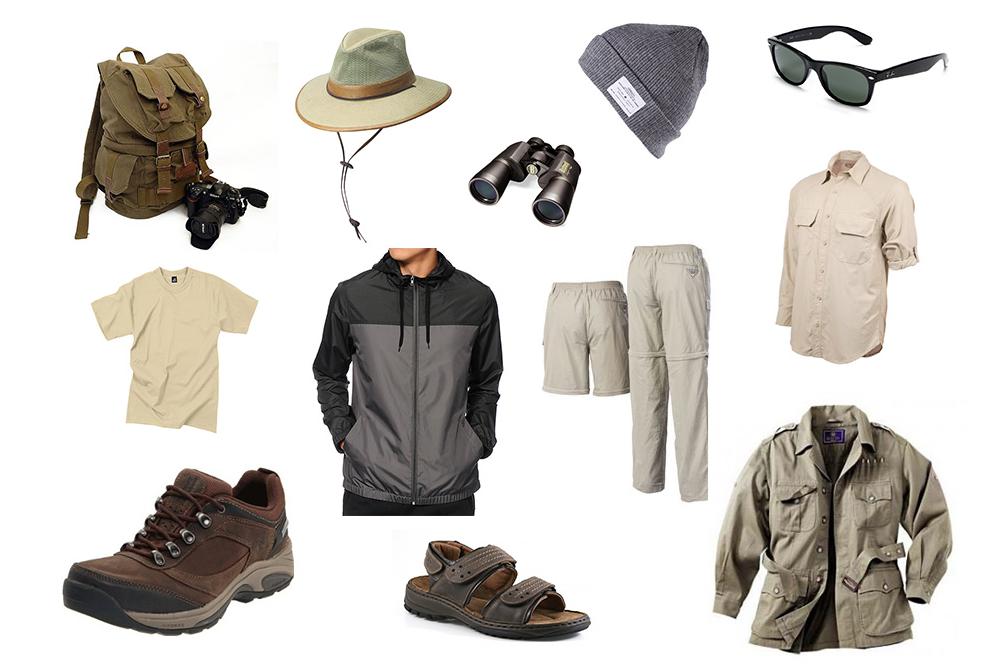
Key essentials include:
1. Hiking boots:
Sturdy, waterproof, ankle-supporting boots with good grip are crucial for slippery, uneven, steep trails and mud. Break them in before travel—avoid new pairs to prevent blisters.
2. Rain jacket:
A lightweight, breathable, waterproof jacket (or poncho) is non-negotiable. Sudden showers are common; opt for one with a hood for full coverage during the trek.
3. Garden gloves:
Thick, durable gardening-style gloves (leather or heavy canvas) protect hands from thorns, stinging nettles, vines, and insects when grabbing vegetation for balance.
4. Insect repellent:
Strong DEET-based repellent (30–50%) for mosquitoes, tsetse flies, and other bugs in the humid forest. Apply liberally; long-sleeved clothing helps too.
5. Reusable water bottle:
A sturdy, insulated bottle (1–2 liters) keeps you hydrated—refill at lodges or with purified water. Carry extra for the trek; energy snacks (nuts, bars) are smart additions.
6. Camera (no flash):
A good camera or smartphone with zoom lens for capturing gorillas and scenery. No flash allowed (disturbs animals); pack extra batteries/memory cards in a waterproof bag. Binoculars enhance birding/primate spotting.
Additional must-haves:
- Long-sleeved shirts and pants (neutral/earth tones; avoid bright colors that startle gorillas or attract flies).
- Quick-dry layers, fleece/sweater for cool mornings/evenings.
- Hat/cap, sunglasses, sunscreen (high SPF).
- Small daypack, headlamp/flashlight, personal first-aid (blister plasters, painkillers, any meds).
- Passport copy, gorilla permit confirmation, cash (USD for tips/park fees).
Quick Checklist Box
- Sturdy hiking boots (waterproof, broken-in)
- Lightweight rain jacket/poncho with hood
- Thick garden gloves (for thorns/nettles)
- DEET insect repellent (high strength)
- Reusable water bottle (1–2L)
- Camera/smartphone (no flash, extra batteries)
- Long-sleeved shirts & pants (neutral colors)
- Fleece/sweater & layers
- Hat, sunglasses, sunscreen
- Small daypack & porter-ready soft bag
- Energy snacks, personal meds, headlamp
Pack versatile, eco-friendly items—your preparation ensures comfort, safety, and respect for this fragile habitat. Focus on the essentials; lodges often provide laundry.
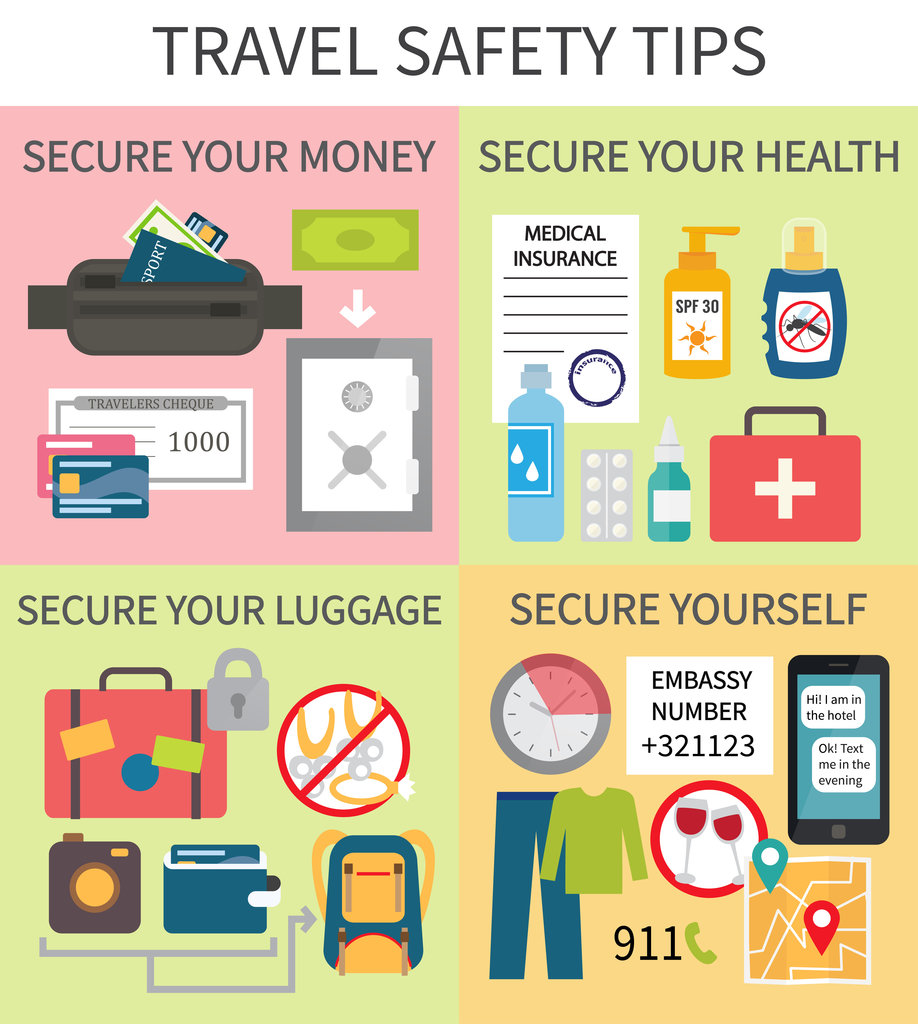
Safety & Travel Requirements
Traveling from Entebbe to Bwindi Impenetrable National Park for gorilla trekking is generally safe and well-managed, especially in protected wildlife areas. Uganda remains a stable destination for tourism, with dedicated ranger protection ensuring secure gorilla encounters.
Recent national elections in January 2026 concluded peacefully in most reports, and tourist zones like national parks experience minimal disruption from political events.
Overall political stability supports safe travel, though visitors should stay informed via official advisories (e.g., U.S. Level 3: Reconsider Travel due to crime, terrorism risks, and unrest in urban areas—avoid protests and large gatherings). Focus on safari regions, where risks are low.
Uganda visa Most international travelers (from USA, UK, Europe, Canada, Asia, Middle East) require a visa. Apply online in advance via the official Uganda e-Visa portal (visas.immigration.go.ug) for a tourist visa (single-entry, up to 90 days, ~USD 50–100 depending on nationality; East Africa Tourist Visa for Uganda/Rwanda/Kenya available for some).
Requirements include: passport valid 6+ months, recent photo, travel itinerary, accommodation proof, and yellow fever certificate upload.
Approval typically takes days; print and present on arrival. Airlines may deny boarding without it. Check for updates, as requirements can change.
Yellow fever certificate Proof of yellow fever vaccination is mandatory for all travelers aged 1 year and older entering Uganda (required regardless of origin in many cases, per Uganda government and CDC/WHO guidelines as of 2025–2026).
Get vaccinated at least 10 days before travel at an approved clinic; receive an International Certificate of Vaccination or Prophylaxis (ICVP/yellow card).
Present it during visa application and at immigration. Failure can result in denial of entry or quarantine. CDC recommends it for all ≥9 months; it’s lifelong valid.
Travel insurance Comprehensive travel insurance is strongly recommended (often required by tour operators). Cover medical emergencies, evacuation (gorilla treks involve remote areas), trip cancellation, and adventure activities like trekking.
Policies should include high medical coverage (e.g., USD 100,000+), repatriation, and COVID-related issues if applicable. Check for wildlife-related clauses.
Border health regulations Beyond yellow fever, no major additional border health requirements (e.g., no routine COVID tests as of 2026), but stay updated via official sources. Malaria is present—use prophylaxis, repellents, nets.
Other recommended vaccines: hepatitis A/B, typhoid, rabies (for animal contact), routine shots. Consult a travel clinic 4–6 weeks before departure.
Road safety standards Road travel (Entebbe to Bwindi) involves good tarmac initially but rough murram later—use a 4×4 with experienced driver. Avoid self-driving at night due to poor lighting, potholes, animals, and traffic risks.
Uganda’s 2021–2026 Road Safety Strategy aims to improve conditions, with ongoing enforcement (e.g., “Arrive Alive” operations), but accidents remain a concern—stick to reputable operators, start early, and follow no-night-driving advice in rural areas.
Ranger protection in Bwindi Gorilla trekking is highly secure: armed rangers and experienced guides accompany every group, maintain radio contact, enforce strict rules (e.g., 7m distance, no illness if trekking), and protect both visitors and gorillas. Incidents are extremely rare; the focus on conservation ensures professional oversight.
Prepare with common-sense precautions: use licensed operators, avoid flashing valuables, follow guides, and monitor advisories. Uganda’s tourism infrastructure prioritizes visitor safety in wildlife areas—your gorilla adventure should be rewarding and secure.
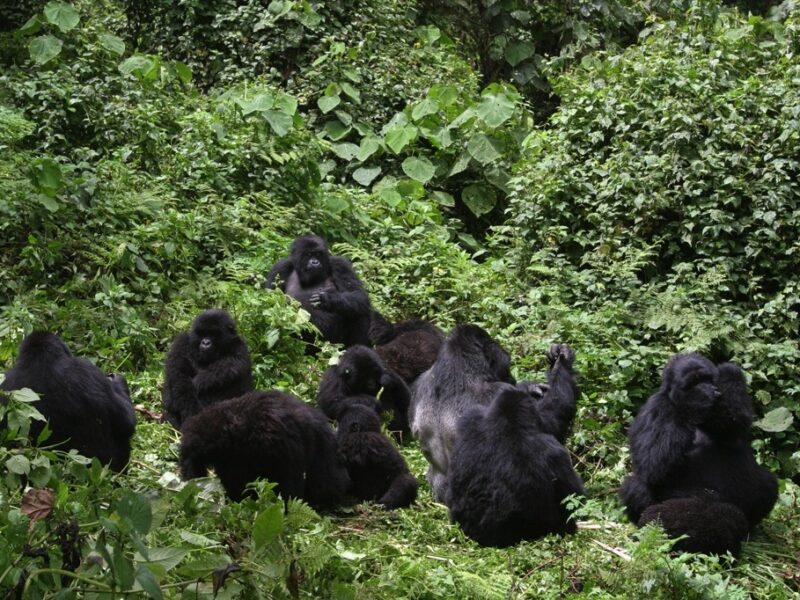
Conservation Impact of Gorilla Tourism
Gorilla tourism in Bwindi Impenetrable National Park stands as one of the most successful models of conservation-through-tourism worldwide.
Revenue from gorilla trekking permits—USD 800 per foreign non-resident—directly fuels protection efforts, community development, and habitat security under the Uganda Wildlife Authority (UWA).
This high-value, low-impact activity has transformed mountain gorillas from the brink of extinction to a rare conservation success story, with the species now classified as Endangered by the IUCN (downgraded from Critically Endangered in 2018 due to steady growth).
Gorilla population recovery Mountain gorillas represent the only great ape subspecies with a documented increasing population, thanks to intensive protection and tourism funding.
The global population stands at approximately 1,063 individuals (as of the latest comprehensive estimates from 2018–2024 data, with ongoing growth projected into 2025–2026).
In the Bwindi-Sarambwe ecosystem, the 2018 census recorded a minimum of 459 gorillas (in 36 social groups plus solitaries), while the Virunga Massif held 604—together confirming the upward trend.
A major 2025 Bwindi-Sarambwe census (led by the International Gorilla Conservation Programme, WWF, Conservation International, and partners under the Greater Virunga Transboundary Collaboration) is underway, with results expected in 2026 to provide updated figures.
This recovery—from fewer than 400 in the early 1980s—reflects decades of dedicated anti-poaching, veterinary interventions, and habitat safeguarding, all bolstered by tourism income.
Revenue sharing with communities UWA’s Revenue Sharing Policy (established 1994) allocates 20% of annual park entry fees to communities bordering protected areas, funding infrastructure like schools, health clinics, clean water projects, and roads.
At Bwindi, an additional USD 10 per gorilla permit (increased from USD 5 in 2015) goes directly to local parishes and sub-counties.
In the 2024/2025 financial year, UWA distributed over UGX 10 billion (~USD 2.7 million) in revenue sharing across parks, including significant portions to Bwindi-adjacent districts (e.g., over UGX 2 billion to Bwindi Impenetrable National Park communities).
This model incentivizes locals to protect gorillas rather than exploit resources—turning former poachers into community conservation rangers and reducing habitat encroachment and illegal activities.
Anti-poaching patrols Tourism revenue enables robust, year-round anti-poaching operations. Funds support ranger patrols, surveillance, equipment (radios, GPS, night-vision), and intelligence networks involving local communities.
Poaching incidents in Bwindi have become rare, as communities benefit economically and collaborate with authorities. Armed rangers and community scouts monitor the forest daily, deterring snares, illegal logging, and charcoal burning—threats that once devastated populations.
This protection has been pivotal in allowing natural reproduction and minimizing human-gorilla conflict.
Ranger employment Gorilla tourism sustains hundreds of jobs within UWA and related sectors. Rangers, trackers, guides, and porters—many recruited from neighboring communities—receive training, steady employment, and tips from trekkers.
This creates economic alternatives to poaching or farming in sensitive areas, while ranger presence deters threats. UWA’s ranger corps, bolstered by tourism funds, ensures professional oversight of habituated groups and park boundaries.
In summary, every gorilla permit purchased contributes tangibly to these outcomes. Gorilla tourism is not merely observation—it’s a proven, data-backed mechanism driving population growth, community empowerment, and long-term habitat security for one of our closest relatives.
Estimated Cost of Entebbe to Bwindi Safari
Planning a safari from Entebbe to Bwindi Impenetrable National Park involves several key expenses, with the gorilla trekking permit being the single largest fixed cost.
Prices below are approximate for 2025–2026, based on current Uganda Wildlife Authority tariffs, operator quotes, and market rates for international travelers (non-residents from USA, UK, Europe, Canada, Asia, Middle East).
Costs are per person sharing double/twin accommodation, assuming a 3-day gorilla-focused trip (the most popular duration).
Full packages typically include: airport transfers, 4×4 transport with driver-guide, accommodation (full board), gorilla permit, park fees, meals, bottled water, and basic activities. Flights, tips, visas, insurance, and personal expenses are extra.
Breakdown
- Gorilla Permit: $800 per person (standard non-resident fee, fixed by UWA; includes 1-hour viewing, ranger/guide, and contribution to conservation). This is non-negotiable and must be paid in advance.
- 3-Day Budget Tour: $1,300–$1,800 per person Basic community-run or simple lodges (e.g., Bwindi Backpackers, Nshongi Camp), shared transport in a group, basic meals, and road transfer. Ideal for backpackers or cost-conscious travelers. Total includes permit.
- Mid-Range Tour: $1,900–$2,800 per person Comfortable lodges (e.g., Silverback Lodge, Gorilla Mist Camp, Ichumbi Gorilla Lodge), private or small-group 4×4, better meals, and reliable service. Great value for most visitors seeking comfort without extravagance. Permit included.
- Luxury Tour: $3,500+ per person (often $4,000–$6,000+) Premium eco-lodges (e.g., Sanctuary Gorilla Forest Camp, Clouds Mountain Gorilla Lodge, Bwindi Lodge), butler service, spa, gourmet dining, private transfers, and extras like community walks or birding. High-end options can exceed $5,000–$7,000 in peak season. Permit included.
Additional Common Costs (not always bundled):
- Domestic flight (Entebbe to Kihihi/Kisoro): $200–$400 round-trip (saves 7–9 hours driving).
- Tips (driver/guide, porters, rangers): $100–$300 total.
- Travel insurance: $50–$150.
- Visa: $50–$100 (e-Visa).
- Single supplement (if traveling solo): 30–50% extra on accommodation.
- Optional add-ons (e.g., Lake Bunyonyi extension, Queen Elizabeth combo): $300–$1,000+.
Transparent pricing builds trust. Gorilla permits are fixed and non-refundable in most cases, but reputable licensed operators (AUTO members) provide clear, itemized quotes with no hidden fees.
Prices fluctuate with season (higher in June–Sept/Dec–Feb), group size (private vs. shared), sector (Buhoma often pricier), and exchange rates.
Always request a detailed breakdown and confirm inclusions when booking—many operators offer flexible payment plans.
Gorilla tourism remains premium due to limited permits and high conservation value, but it delivers an unmatched, life-changing experience.
Common Mistakes to Avoid
Gorilla trekking in Bwindi Impenetrable National Park is a bucket-list experience, but small oversights can turn it into frustration or added stress.
International travelers from the USA, UK, Europe, Canada, Asia, and Middle East often make these common mistakes—here’s how to sidestep them for a smooth, memorable safari from Entebbe.
1. Booking permits too late
Gorilla permits are strictly limited to 8 people per family per day, and high-demand sectors (Buhoma, Rushaga) sell out 6–12 months in advance during peak dry seasons (June–September, December–February).
Waiting until 1–3 months before travel is risky—availability drops dramatically, forcing changes to dates, sectors, or even cancellation of the trip.
Avoid by: Booking 6+ months ahead (ideally 9–12 for peak periods) through a licensed operator or directly via UWA’s system. Monitor cancellations for last-minute openings, but don’t rely on them.
2. Underestimating travel time
The road from Entebbe to Bwindi (460–530 km) takes 8–10 hours in dry season, but 10–12+ hours in rain due to muddy murram sections, traffic, or stops.
Many assume a quick drive and plan tight connections—leading to late arrivals, missed briefings, or exhaustion before trekking.
Avoid by: Starting early (pre-dawn departure), allowing buffer time, and considering a domestic flight (1 hour + transfer) if time is tight. Never schedule same-day international departures after a long drive.
3. Ignoring fitness preparation
Trekking lasts 2–6 hours (sometimes longer) over steep, muddy, high-altitude trails (up to 2,600 m). Underestimating the physical demand—especially if you’re not a regular hiker—can lead to fatigue, injury, or turning back.
The minimum age is 15, and good leg strength/cardio is essential.
Avoid by: Train 4–8 weeks prior with hill walks, stairs, or hikes carrying a daypack. Bring trekking poles, sturdy boots, and gloves; consider a porter to lighten your load.
4. Choosing the cheapest unlicensed operator
Low-cost “deals” often come from unlicensed agents who overpromise, deliver subpar vehicles/drivers, or fail to secure legitimate permits (leading to wasted money or denied entry).
Scams exist, especially online.
Avoid by: Use only AUTO-registered (Association of Uganda Tour Operators) or highly reviewed licensed operators. Request itemized quotes, read recent reviews, and confirm permit booking proof.
A slightly higher price ensures reliability, safety, and ethical practices.
5. Not carrying cash for tips
Tips are customary and expected for drivers/guides (~USD 10–20/day), porters (~USD 15–20), rangers (~USD 10–15), lodge staff, and trackers.
Many lodges and rural areas have limited or no card facilities; ATMs are scarce near Bwindi.
Avoid by: Bring small USD notes (or UGX) in denominations of $5, $10, $20. Budget $100–$300 total for tips on a 3–5 day trip. Tipping directly rewards excellent service and supports local livelihoods.
By dodging these pitfalls, you maximize comfort, safety, and the magic of meeting mountain gorillas. Plan ahead, choose reputable partners, and prepare physically—your Bwindi adventure will be unforgettable for the right reasons.
Frequently Asked Questions
How far is Entebbe from Bwindi?
Entebbe International Airport to Bwindi Impenetrable National Park is approximately 460–530 km, depending on the sector (Buhoma, Ruhija, Rushaga, or Nkuringo). The drive typically takes 8–10 hours in dry season via the main southern route through Kampala, Masaka, Mbarara, and Kabale. (52 words)
Can I fly instead of driving?
Yes, domestic flights are the fastest option. Aerolink Uganda and similar operators offer scheduled flights from Entebbe (or Kajjansi) to airstrips like Kihihi (for Buhoma/Ruhija) or Kisoro (for Rushaga/Nkuringo). Flight time is about 1 hour, followed by a 1–2 hour 4×4 transfer to your lodge or trailhead. (58 words)
Is the road safe?
The road from Entebbe to Bwindi is generally safe for tourists when using a reputable operator with a 4×4 vehicle and experienced driver. The first ~80% is paved tarmac; the final murram sections are bumpy and rough but well-traveled. Avoid self-driving at night; stick to daylight hours and licensed guides. (56 words)
What is the best sector for gorilla trekking?
There is no single “best” sector—it depends on your preferences. Buhoma offers the most lodges and easiest access; Rushaga has many habituated groups and family-friendly options; Ruhija excels in birdwatching and higher-altitude views; Nkuringo provides stunning scenery but steeper treks. Book based on permit availability and fitness level. (59 words)
How difficult is the hike?
Gorilla trekking difficulty varies from moderate to challenging. Expect 2–6 hours (sometimes longer) of steep, muddy, uneven trails with roots, vines, and altitude (up to 2,600 m). Good fitness, sturdy boots, and trekking poles help. It’s not technical climbing, but preparation is key—most fit adults manage it with effort.
Why Book Your Entebbe to Bwindi Safari With GoSilverback Safaris?
When planning your dream gorilla trekking adventure from Entebbe to Bwindi Impenetrable National Park, choosing the right operator makes all the difference.
GoSilverback Safaris stands out as a trusted, Uganda-based specialist dedicated to seamless, ethical, and unforgettable experiences for international travelers from the USA, UK, Europe, Canada, Asia, and Middle East.
With a focus on personalized service, conservation alignment, and proven reliability, we turn your bucket-list trip into reality—backed by strong client feedback, licensed expertise, and deep local knowledge.
1. Permit Security
Gorilla permits are highly limited and competitive. GoSilverback Safaris secures your USD 800 non-resident permit months in advance through direct, official channels with the Uganda Wildlife Authority (UWA).
We eliminate the risk of fake bookings or last-minute disappointments—your spot is confirmed early, with transparent documentation and no hidden markups.
2. 24/7 On-Ground Support
From the moment you land at Entebbe International Airport, our dedicated team provides round-the-clock assistance.
Live updates via WhatsApp, airport meet-and-greet, real-time road/weather monitoring, and emergency response ensure peace of mind throughout your journey—whether driving the scenic 8–10 hours or opting for a quick domestic flight.
3. Professional Guides
Our certified, English-speaking guides are UWA-trained experts with years of gorilla trekking experience.
They enhance your encounter with in-depth knowledge of primate behavior, forest ecology, and cultural insights—while prioritizing safety, low-impact viewing, and your comfort.
Many clients praise their patience, spotting skills, and passion for conservation.
4. Cross-Sector Logistics
Bwindi’s four sectors (Buhoma, Ruhija, Rushaga, Nkuringo) vary in access and group availability. We expertly navigate logistics across sectors, securing the best-matched gorilla family based on your fitness, dates, and preferences.
Smooth transfers, vehicle maintenance, and flexible itineraries (including add-ons like Queen Elizabeth or Lake Bunyonyi) make multi-sector or extended trips effortless.
5. Emergency Handling
Remote travel demands preparedness. GoSilverback Safaris maintains comprehensive emergency protocols: 24/7 medical evacuation partnerships, first-aid-equipped vehicles, ranger coordination, and contingency plans for weather delays or health issues.
Our responsive team handles unforeseen situations swiftly—ensuring your safety and focus remain on the magic of the trek.
Trust Signals
- Fully licensed and insured Uganda tour operator (AUTO member standards).
- High client satisfaction from repeat travelers and glowing testimonials.
- Strong emphasis on ethical tourism, community support, and gorilla conservation.
- Transparent pricing with no surprise fees—detailed quotes and secure payments.
- Personalized service tailored to your group size, budget, and interests.
Booking with GoSilverback Safaris isn’t just convenient—it’s confident, caring, and committed to delivering the transformative gorilla experience you deserve. Contact us today to secure your permits and start planning your Entebbe to Bwindi adventure.
Final Travel Planning Checklist
This concise, actionable checklist ensures your Entebbe to Bwindi gorilla safari is stress-free and fully prepared.
Follow these steps in order—ideally starting 6–12 months before your trip for peak seasons (June–September, December–February).
Clear preparation maximizes your chances of a seamless, unforgettable experience with mountain gorillas.
1. Book gorilla permit
Secure your USD 800 non-resident permit first—limited to 8 people per family daily. Book 6–12 months in advance (especially for peak months) via a licensed operator or directly through Uganda Wildlife Authority (UWA).
Confirm sector (Buhoma, Ruhija, Rushaga, Nkuringo) and dates early; receive confirmation and tracking number.
2. Confirm lodge accommodation
Book your preferred lodge based on sector, budget, and style (luxury: USD 400–1,200+/night; mid-range: USD 150–350; budget: USD 50–150).
Choose properties close to your assigned trailhead to minimize transfers. Request full-board options and single supplements if needed. Secure cancellation policies.
3. Arrange transfers
Decide on road (8–10 hours, 4×4 safari vehicle) or domestic flight (1 hour + 1–2 hour transfer). Book private/group transport with a reputable operator—including airport meet-and-greet at Entebbe.
Confirm pickup time, vehicle type, and any stops (Equator, lunch). If flying, reserve Aerolink or similar flights and airstrip transfers.
4. Secure Uganda visa
Apply online for an e-Visa (visas.immigration.go.ug) at least 2–4 weeks before travel (~USD 50–100, single-entry 90 days). Upload passport photo, itinerary, yellow fever certificate, and accommodation proof.
Print approval for arrival. Check nationality-specific requirements or East Africa Tourist Visa eligibility.
5. Pack properly
Prepare for rainforest conditions: sturdy waterproof hiking boots, rain jacket/poncho, thick garden gloves, DEET insect repellent, reusable water bottle, no-flash camera, long-sleeved neutral clothing, fleece layers, hat/sunscreen, daypack, and personal meds.
Use soft-sided luggage for flights (15 kg limit). Pack small USD notes for tips.
6. Confirm travel insurance
Purchase comprehensive coverage including medical emergencies, evacuation (remote areas), trip cancellation/interruption, and adventure activities (trekking).
Ensure high limits (USD 100,000+ medical) and check for wildlife/existing condition clauses. Carry policy details and emergency contacts.
Bonus final checks
- Verify yellow fever vaccination certificate (mandatory, valid lifelong).
- Get malaria prophylaxis and consult travel clinic for vaccines.
- Monitor weather/road conditions closer to departure.
- Double-check all confirmations (permit, lodge, transfers) 1–2 weeks out.
- Notify your bank of travel to avoid card blocks.
Completing this checklist builds confidence and minimizes last-minute issues. With everything in place, focus on the magic of meeting mountain gorillas in their ancient forest home. Safe travels—your Bwindi adventure awaits!