Climate Change Effects On Gorillas: Real Impacts, Threats & How Tourism Helps (2026 Update)
Discover how climate change effects on mountain gorillas in Bwindi & Virunga: rising heat, habitat loss & disease risk. Learn solutions & how your gorilla trek supports conservation.”
Climate change effects on mountain gorillas now rank among the most urgent threats facing these Endangered great apes. With only 1,063 individuals left in the wild as of the latest confirmed data, mountain gorillas (Gorilla beringei beringei) inhabit two tiny, isolated pockets: the Virunga Massif (spanning Rwanda, Uganda, and DRC) and Bwindi Impenetrable National Park in Uganda.
While dedicated conservation has quadrupled their numbers since the 1980s, rising temperatures, erratic rainfall, and extreme weather are rapidly reshaping their high-altitude forests.
As expert African safari tour operators and conservation partners at GoSilverback Safaris, we see this reality daily while guiding responsible gorilla trekking tourism travelers from the USA, UK, Europe, Canada, Asia, and the Middle East.
This 2026 guide examines every dimension of climate change effects on mountain gorillas—from direct physiological stress to amplified human conflict—and shows how your ethical gorilla trek actively funds adaptation.
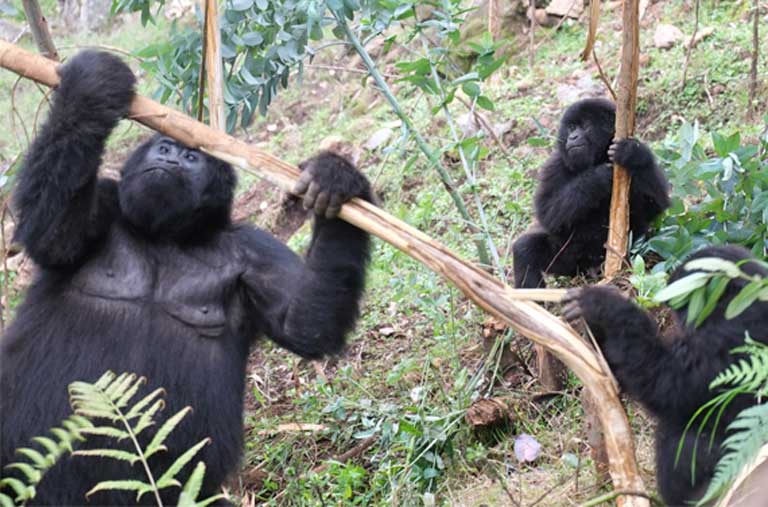
Understanding Climate Change in the Albertine Rift
The Albertine Rift, home to all remaining mountain gorillas, is warming faster than many equatorial zones. Studies document a +2.1°C rise over the past 50 years in the Virunga landscape, with projections of +1–2.5°C by 2050.
Rainfall patterns have become less predictable: longer dry spells interrupt former wet-dry cycles, while intense storms increase flash flooding and soil erosion.
These shifts directly alter the afro-montane and bamboo forests gorillas depend on. Bamboo, a staple food for many groups, flowers and dies on irregular cycles.
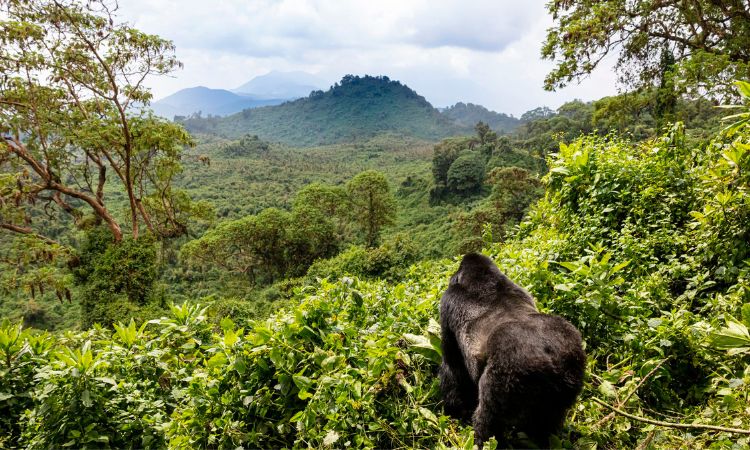
Fruiting trees produce fewer viable seeds. Higher elevations, once cool refuges, now experience heat spikes that push vegetation zones upward—yet the mountains have finite summits, leaving gorillas with nowhere to climb.
Local communities feel the same pressures. Farmers face crop failures from drought or floods, increasing pressure on park boundaries. This shared vulnerability creates both risk and opportunity: when tourism revenue supports climate-smart livelihoods, entire ecosystems benefit.
GoSilverback Safaris works exclusively with operators who channel 20% of gorilla permit fees into community adaptation projects, turning potential conflict into coexistence.
5 Direct Climate Change Effects on Gorillas
1. Rising Temperatures and Increased Drinking Behavior
Hotter days force gorillas to seek water more frequently. In 2025 field observations across Bwindi Impenetrable National Park and Volcanoes National Park, researchers recorded clear links between temperature spikes and elevated drinking rates.
Gorillas now spend more time traveling to streams rather than foraging, draining energy reserves critical for reproduction and infant care. Silverbacks and lactating females show the highest stress.
2. Disrupted Food Sources and Nutritional Stress
Erratic rainfall reduces successful fruiting and bamboo regeneration. In Bwindi, young fruits wither before maturity at higher rates. Mountain gorillas, almost 100% vegetarian, consume up to 30 kg of vegetation daily.
Reduced nutritional quality leads to lower body condition, delayed reproduction, and higher infant mortality. Long-term models predict up to 75% habitat unsuitability for current food plants by 2090 if trends continue unchecked.
3. Habitat Compression and Limited Upward Migration
Gorillas already live near the upper limits of their range. Warming pushes suitable vegetation higher, but steep volcanic slopes and human settlements block dispersal.
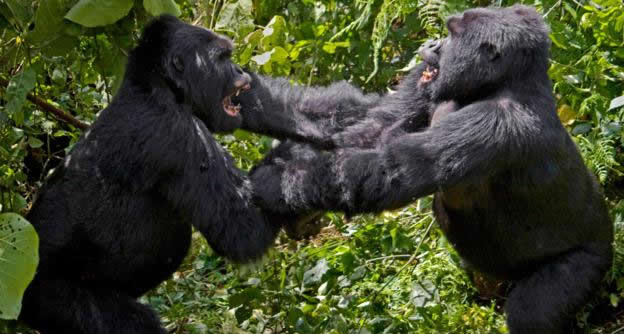
Groups crowd into smaller core areas, increasing inter-group aggression and infanticide risk. The 2025 Bwindi census (results due 2026) will quantify whether population growth is now constrained by space.
4. Heightened Disease Transmission Risk
Warmer, wetter conditions expand vectors for respiratory illnesses and parasites. Gorillas share 98% of DNA with humans, making them highly susceptible to our diseases.
Climate-driven human encroachment—farmers entering forests for water or fodder—raises bidirectional transmission. Respiratory outbreaks have historically killed up to 25% of habituated groups; climate change amplifies this vulnerability.
5. Extreme Weather Events and Direct Mortality
Lightning strikes, once rare at high altitudes, now kill gorillas. Rangers in Virunga report fatal thunderstorms never documented before recent decades.
Prolonged droughts weaken immune systems, while flash floods erode nesting sites and isolate groups. These events compound stress hormones (measured via fecal glucocorticoids), altering natural ranging and social behavior.
Each effect compounds the others, creating feedback loops that threaten the hard-won population recovery.
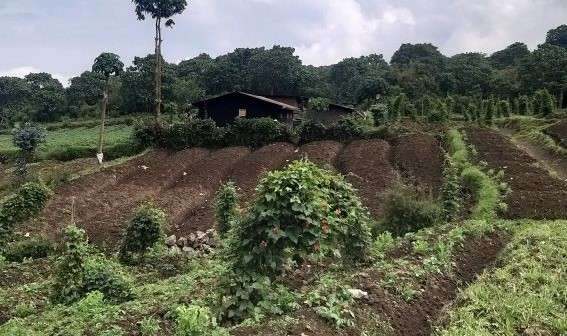
How Climate Change Amplifies Human–Gorilla Conflict
Climate change effects on mountain gorillas extend beyond biology into human landscapes. Droughts reduce wild food inside parks, pushing gorillas toward farmland for bananas, maize, and sweet potatoes.
Farmers, facing their own crop losses, plant closer to boundaries and set more snares—often intended for bushmeat but injuring gorillas.
In the Virunga region, where over 700 people per km² live adjacent to parks, water scarcity drives communities deeper into forests.
This overlap increases crop raiding (reported 20–40% losses in high-conflict zones) and retaliatory actions. Snare injuries rise, forcing injured gorillas into erratic ranging that heightens encounters.
The HuGo (Human-Gorilla Conflict Resolution) program now records more incidents during prolonged dry spells. Without intervention, climate-amplified conflict could erode community tolerance built over decades.
Yet the same data shows hope: parishes receiving tourism revenue report 60–70% higher tolerance even during bad seasons.
Real Case Studies from Bwindi & Virunga (2024–2025)
Bwindi Impenetrable National Park – Heat-Stress Observations (2025)
Researchers documented gorillas retreating deeper into dense undergrowth on days exceeding historical temperature highs.
Drinking frequency rose sharply. One habituated group shifted ranging patterns by 200–300 m higher in elevation, spending less time foraging.
Energy budgets tightened, with lactating females showing visible weight loss. Rangers noted increased resting periods, reducing overall group fitness.
Virunga Massif – Lightning Fatalities and Fruiting Decline
In 2024–2025, rangers recorded multiple direct lightning strikes on gorillas—events previously unheard of. One young silverback in occupied sectors of Virunga National Park died instantly during a thunderstorm.
Concurrently, fruiting success in key food trees dropped dramatically due to irregular rainfall. Groups spent more time searching for alternative forage, increasing energy expenditure and border crossings into community land.
Cross-Border Buffer Zone Pilot (Rwanda/Uganda 2024–2025)
Rwanda expanded Volcanoes National Park through private-land purchases, creating 500–1,000 m vegetative buffers planted with non-palatable species.
Gorilla incursions fell by an estimated 30% in pilot areas despite drought stress. Combined with IGCP-supported beehive fences, the initiative turned former raiding hotspots into corridors.
Community cooperatives using tourism funds planted climate-resilient crops, reducing reliance on park-edge farming.
These cases prove climate impacts are measurable today. The ongoing 2025 Bwindi-Sarambwe census will provide updated baselines for future adaptation planning.
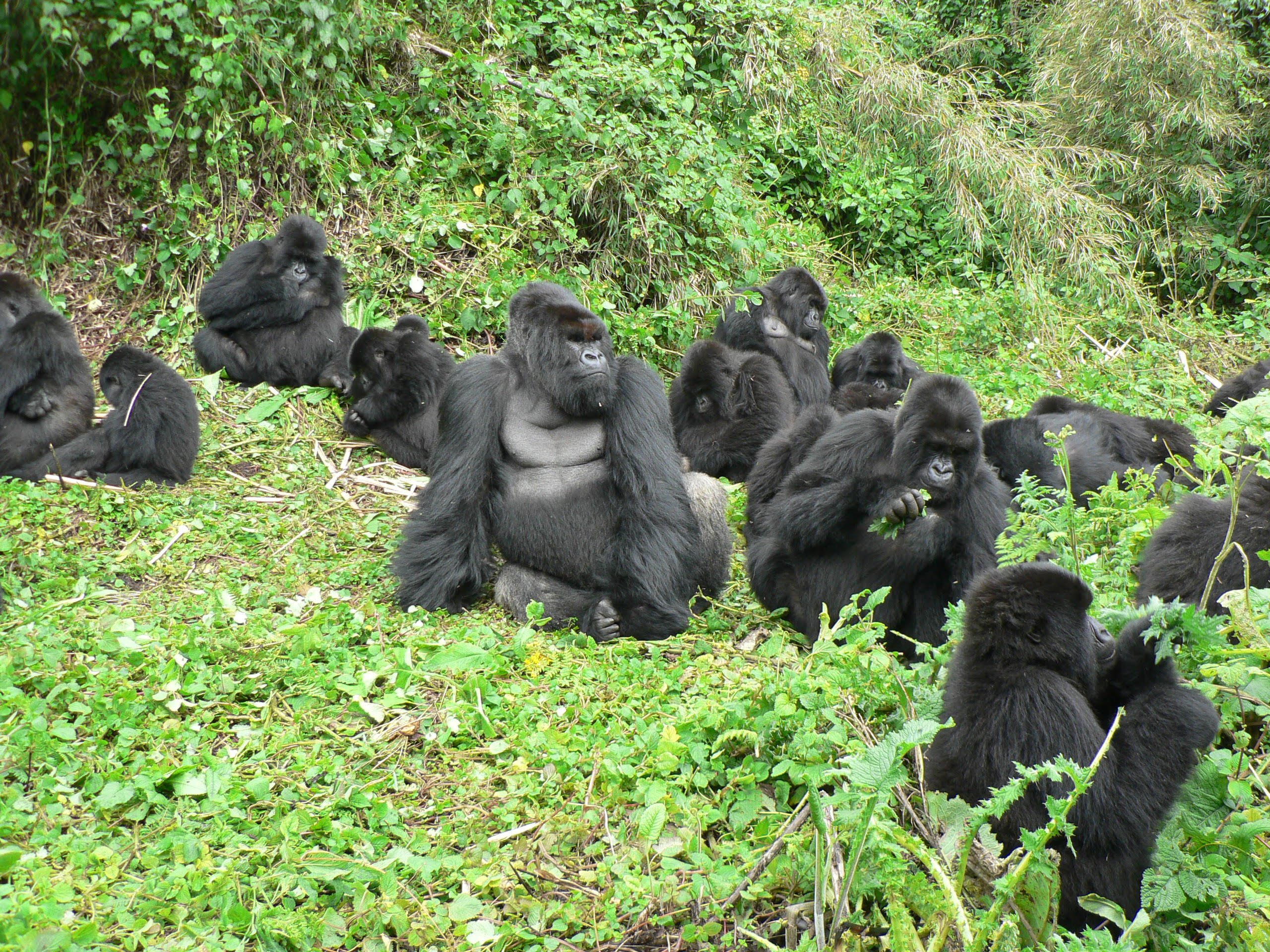
The Role of Responsible Gorilla Tourism in Climate Adaptation
Responsible gorilla tourism generates the financial backbone for climate resilience. Each $800 gorilla permit in Uganda or Rwanda channels direct funds into conservation and communities.
Uganda allocates 20% to adjacent parishes for schools, health clinics, and climate-smart agriculture. Rwanda invests in buffer zones and water-harvesting tanks that keep farmers out of gorilla habitat.
Tourism employs thousands as guides, trackers, porters, and lodge staff—reducing poverty-driven encroachment. Households near trekking trails earn 3–5 times more than those farther away, correlating with stronger support for protected areas.
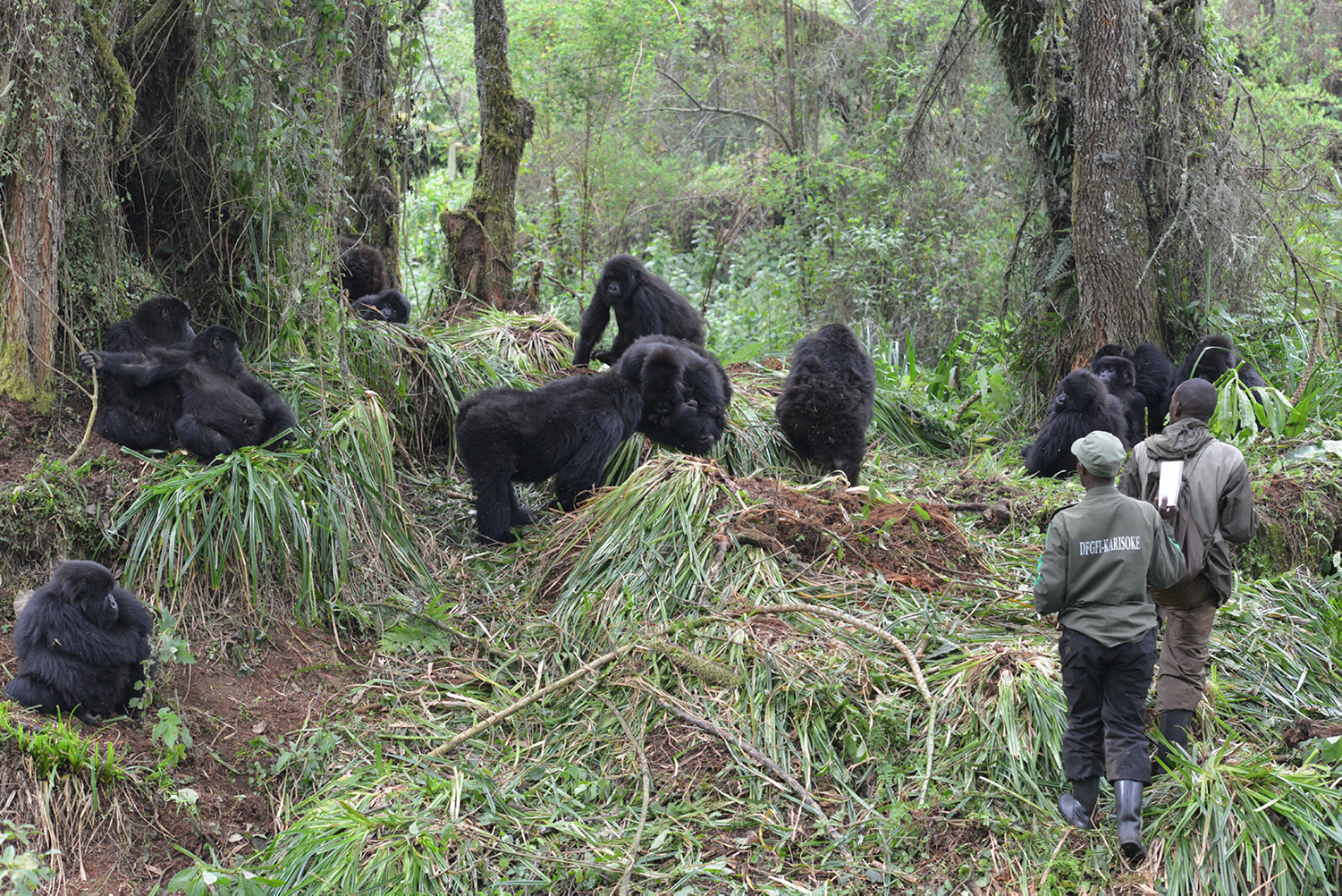
Strict rules (7-meter distance, mandatory masks, health screening) minimize disease risk while habituation enables easier monitoring during climate-stressed periods.
GoSilverback Safaris books only with operators certified under IGCP standards. Your trek directly funds climate-monitoring stations installed in all four gorilla parks since 2020, veterinary rapid-response units, and reforestation of buffer zones.
Tourism revenue has already enabled the Greater Virunga Transboundary Collaboration to install weather stations and develop adaptive management plans.
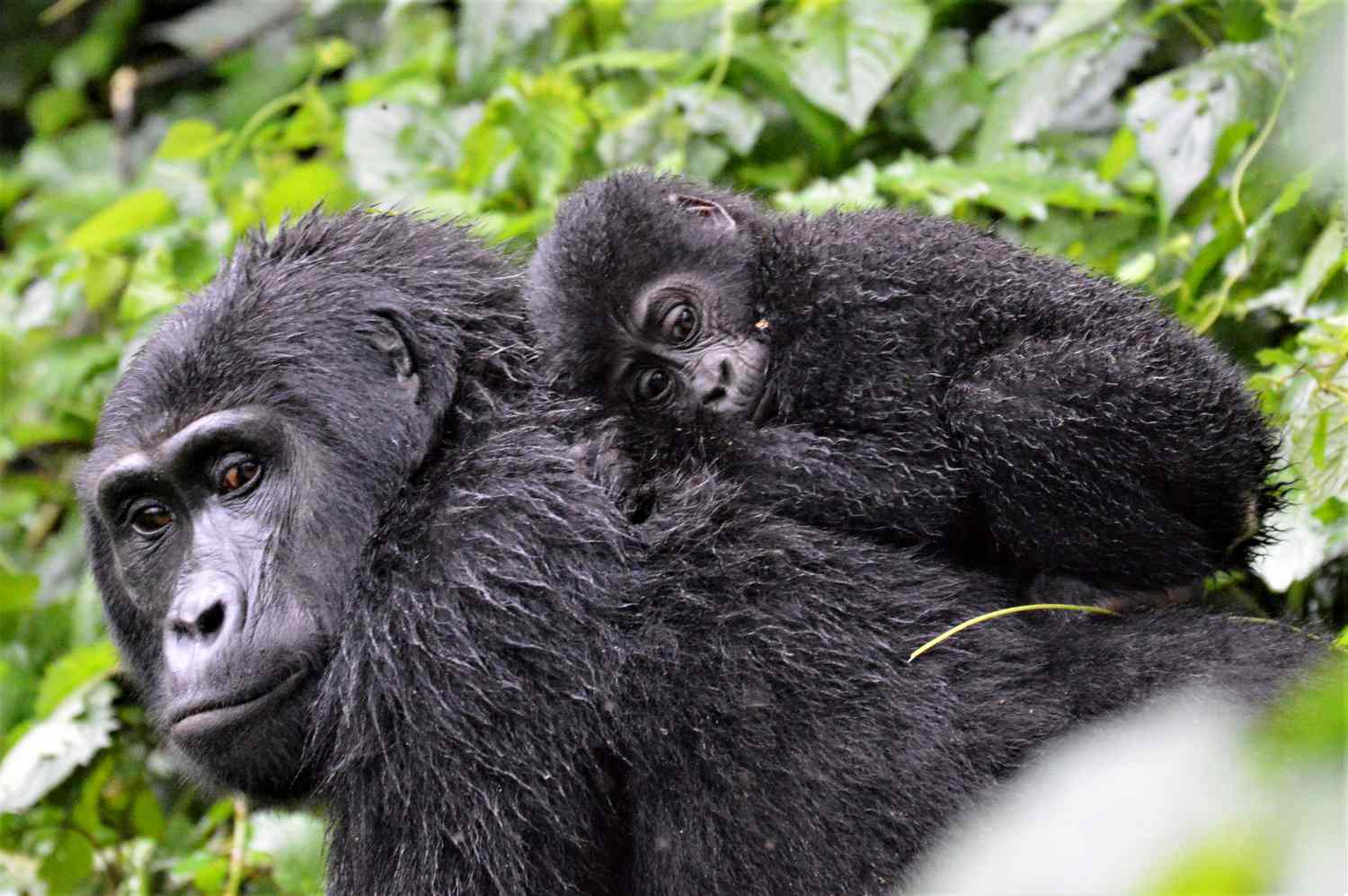
Proven Solutions & What Conservation Organizations Are Doing
Conservation organizations lead with science-based, community-driven actions:
- Habitat Expansion and Buffers — Rwanda’s ongoing land purchases and reforestation create escape corridors and reduce edge effects.
- Climate Monitoring and Early Warning — IGCP and WWF have installed automated weather stations across Bwindi and Virunga to track micro-climate shifts and predict food shortages.
- Alternative Livelihoods — Beekeeping, chili fences, and fast-maturing, gorilla-resistant crops provide income while deterring raiding. Rainwater tanks reduce forest incursions for water.
- Veterinary and Health Programs — Gorilla Doctors maintain rapid-response teams treating climate-exacerbated injuries and diseases.
- Transboundary Collaboration — The Greater Virunga Transboundary Collaboration coordinates data sharing and joint patrols across borders.
- Education and Revenue Sharing — School programs and direct community payments from tourism build long-term stewardship.
These solutions scale when funded by consistent tourism income. IGCP’s 30-year model proves collaboration works: the mountain gorilla population has grown despite mounting pressures.
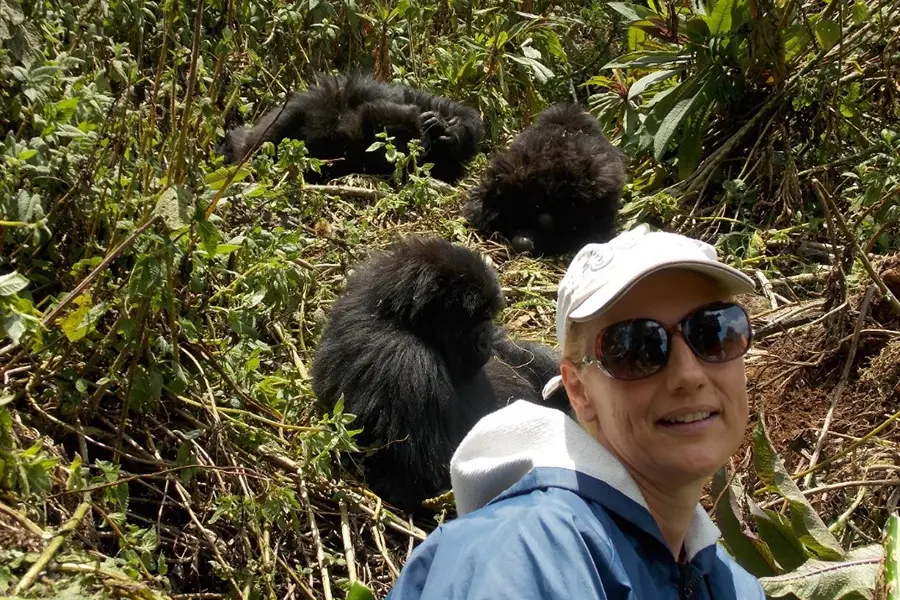
What Travelers Can Do: Your Gorilla Trek Makes a Difference
You can turn curiosity into conservation impact with three simple steps:
- Book with ethical operators like GoSilverback Safaris that partner directly with IGCP and HuGo programs.
- Follow trekking rules rigorously — masks, distance, and health screening protect gorillas from human diseases amplified by climate stress.
- Support community projects on-site — purchase crafts or join optional village walks that channel funds to climate adaptation.
Your gorilla permit literally plants trees, installs water tanks, and pays rangers who monitor climate impacts. Travelers from the USA, UK, Europe, Canada, Asia, and the Middle East who choose responsible tours become active partners in the solution.
Frequently Asked Questions
How is climate change affecting mountain gorillas?
Climate change effects on mountain gorillas include higher temperatures causing more frequent drinking, disrupted food plants, and increased disease risk. Warming of +2.1°C in Virunga already alters behavior and habitat suitability.
Will mountain gorillas go extinct because of climate change?
Not if action continues. The population has reached 1,063 thanks to conservation, but without habitat expansion and community support, limited dispersal and low genetic variation make them vulnerable. Responsible tourism provides the funding lifeline.
How does gorilla trekking help fight climate change?
Gorilla permit revenue funds buffer zones, reforestation, and climate monitoring. 20% of fees in Uganda supports community adaptation projects that reduce pressure on gorilla forests.
Can gorillas adapt to rising temperatures?
Gorillas tolerate wide temperature ranges but cannot easily migrate upward due to human settlements. Behavioral shifts like increased drinking help short-term, yet long-term food and space limits remain critical.
What are the main food plants threatened by climate change?
Bamboo and fruiting trees are most affected. Erratic rainfall reduces fruiting success, forcing gorillas to expend more energy searching for alternatives.
Does climate change increase human-gorilla conflict?
Yes. Droughts push gorillas onto farmland and farmers into parks for resources, raising crop raiding and snare incidents. HuGo teams respond more frequently during dry seasons.
Are there new extreme weather threats to gorillas?
Lightning strikes, previously rare, now cause documented fatalities in Virunga. Flash floods and prolonged droughts further stress populations.
How are conservation groups addressing climate impacts?
IGCP, WWF, and national authorities install weather stations, expand buffers, promote alternative livelihoods, and run the HuGo conflict-resolution program with tourism funds.
Is it still safe and ethical to trek gorillas amid climate change?
Yes. Strict health protocols and limited group sizes minimize disease risk. Your visit funds the very adaptation measures gorillas need.
What should I pack or prepare for a climate-aware gorilla trek?
Layers for variable weather, sturdy boots for muddy trails, binoculars, and a reusable water bottle. Choose operators that demonstrate carbon-offset and community support.
How much of my gorilla permit goes to conservation?
Directly, park fees and 20% revenue sharing support anti-poaching, habitat protection, and climate projects. GoSilverback Safaris ensures full transparency.
When will the next gorilla census results be released?
The 2025 Bwindi-Sarambwe census results are expected in 2026, providing updated data on population trends under climate pressure.
Conclusion
Climate change effects on mountain gorillas represent a clear and present danger, yet the story remains one of hope. From 1,063 resilient individuals to expanding buffers and community partnerships, the species has survived greater odds before.
Responsible tourism stands as the most powerful, sustainable tool we possess—turning every traveler into a stakeholder in the gorillas’ future.
At GoSilverback Safaris, we do not simply sell safaris; we deliver experiences that protect the Mountains of the Moon and the mist-shrouded slopes of Bwindi.
Your journey funds climate monitoring, conflict resolution, and livelihoods that secure habitat for generations.
Secure your gorilla permit today through GoSilverback Safaris. Limited permits sell out months in advance, and every booking directly counters the threats these magnificent apes face.
Contact our team now to customize your private gorilla trekking safari—whether a 7-day Uganda primate adventure or a multi-country Virunga experience. The gorillas cannot wait.
Book with confidence, trek with purpose, and become part of the solution the Mountains of the Moon so urgently need.