
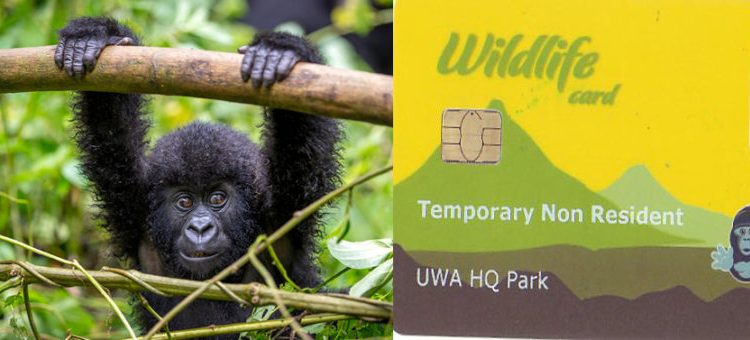
Booking Gorilla Permits in Uganda and Rwanda Safely in 2026: The Ultimate Guide
How to Book Gorilla Permits in Uganda and Rwanda to secure access to one of Africa’s most exclusive wildlife experiences. Gorilla permits are mandatory and limited, allowing only eight visitors per gorilla family per day.
Uganda offers more affordable permits in Bwindi and Mgahinga, while Rwanda provides premium trekking in Volcanoes National Park.
Booking in advance through licensed safari operators ensures availability, correct trekking sectors, and a smooth, conservation-focused gorilla trekking safari.
Mountain gorilla trekking remains one of the world’s most exclusive wildlife experiences. With fewer than 1,100 mountain gorillas left in the wild, all confined to the Virunga Massif (spanning Uganda, Rwanda, and the Democratic Republic of Congo) and Uganda’s Bwindi Impenetrable National Park, strict controls protect the species while funding conservation.
Gorilla permits are the mandatory entry ticket to habituated gorilla families. Without one, trekking is impossible.
Why Gorilla Permits Are Mandatory and Strictly Limited
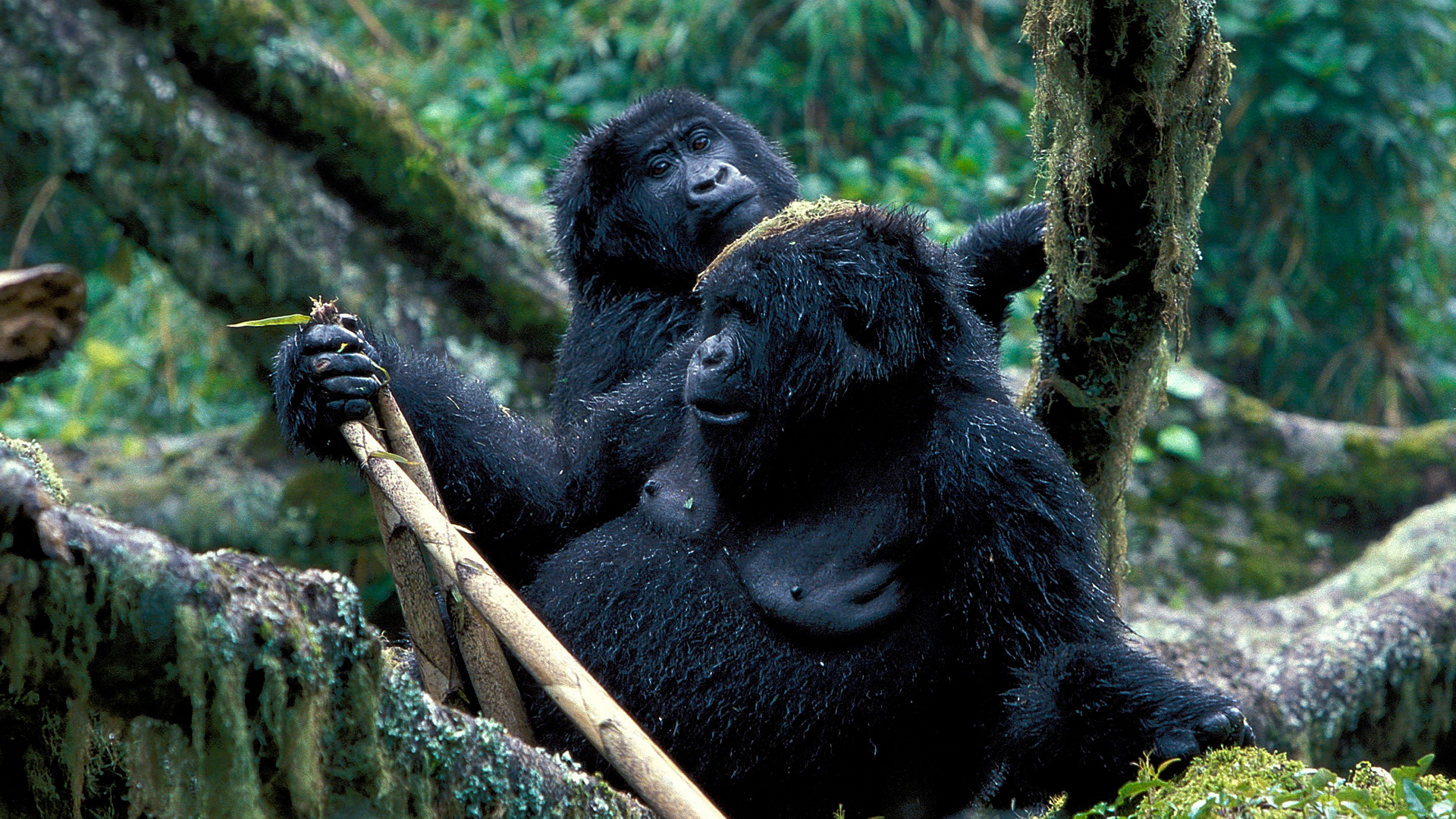
Permits exist to enforce sustainable tourism and minimize human impact on endangered gorillas.
Each habituated gorilla group can receive only one visit per day, limited to eight visitors plus guides and trackers. This cap prevents stress, disease transmission, and habitat degradation.
The number of permits issued is tied directly to the number of habituated groups—currently around 30 in Bwindi and 15 in Volcanoes National Park (Rwanda).
Habituation takes years and is done cautiously to avoid over-exposure. Governments deliberately keep supply low to prioritize conservation over volume.
As a result, permits are among the most sought-after in wildlife tourism, often selling out 12–18 months ahead during peak seasons (June–September and December–February).
The Importance of Booking Gorilla Permits Well in Advance
Availability is the biggest challenge. Popular trekking dates in high season disappear quickly, even for habituation experiences (longer four-hour encounters).
Delaying booking risks finding no permits left for your travel window, forcing itinerary changes or cancellations.
Advance booking also secures better lodge availability and flight options to Entebbe (for Uganda) or Kigali (for Rwanda). Last-minute attempts rarely succeed, especially for independent travelers.
The safest rule: book at least 6–12 months ahead for standard permits and 12–24 months for habituation slots.
Current Gorilla Permit Prices in Uganda and Rwanda (2026)
Prices are set by government authorities and remain stable within tariff periods.
Uganda (valid through June 2026, per Uganda Wildlife Authority tariff):
- Standard gorilla trekking permit (1 hour with gorillas): $800 per person for foreign non-residents.
- Gorilla habituation experience (4 hours): $1,500 per person.
Rwanda (current rates, per Rwanda Development Board):
- Standard gorilla trekking permit (1 hour with gorillas): $1,500 per person for foreigners.
These fees cover park entry, a trained ranger guide, community contributions, and conservation funding. Prices for residents or East Africans are lower but require proof of status.
How to Book Gorilla Permits in Uganda
Booking Directly with UWA (Limited Options)
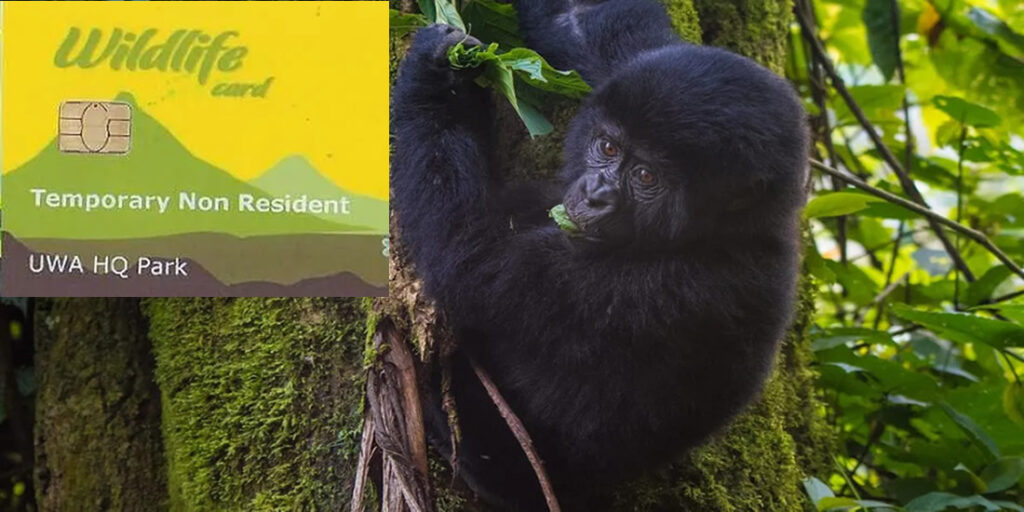
Foreign non-residents and rest-of-Africa nationals cannot book directly with the Uganda Wildlife Authority (UWA). Permits for these categories are allocated exclusively to licensed tour operators.
East African citizens may contact UWA offices in Kampala directly, but even then, availability is channeled through operators in practice.
Booking Through a Licensed Tour Operator (Recommended)
- Choose a reputable, UWA-licensed operator with proven track record.
- Provide preferred travel dates, number of trekkers, and any special requests (e.g., habituation experience).
- The operator checks real-time availability across gorilla families and books on your behalf, often paying a deposit.
- Pay the permit fee ($800 standard) plus any operator service fee (typically $25–$100 per permit).
- Receive confirmation and tracking assignment (which gorilla family) closer to the date.
Operators secure permits months ahead, bundle them with full safaris, and handle logistics, making this the most reliable path.
How to Book Gorilla Permits in Rwanda
Booking Directly with RDB (Online System Available)
Rwanda offers a straightforward online portal through the Rwanda Development Board (RDB).
- Visit the official booking site: visitrwandabookings.rdb.rw.
- Select “Mountain Gorilla Tracking” and choose your preferred date and sector in Volcanoes National Park.
- Fill in personal details (full name, passport number, email, phone) for each participant.
- Upload required documents (passport copy, proof of residency if claiming discounted rates).
- Pay the full $1,500 fee per person at checkout (credit card accepted).
- Receive an automatic e-permit upon successful payment.
Bookings are first-come, first-served. Payment is required upfront, and permits are non-transferable.
Booking Through a Tour Operator
Many travelers prefer operators who:
- Monitor availability daily.
- Secure slots early.
- Arrange transport, accommodation, and transfers.
- Provide backup options if gorillas move to harder-to-reach locations.
This approach is especially useful for combining Rwanda trekking with Uganda or other regional safaris.
Advantages of Booking Through Licensed Local Tour Operators
While direct booking is possible in Rwanda, licensed operators offer significant benefits:
- Guaranteed availability — Operators reserve blocks of permits far in advance.
- Expert tracking assignments — They match you to families based on fitness level, trek difficulty, and location.
- Full itinerary support — Seamless logistics, including airport transfers, lodges near trailheads, and contingency plans.
- Risk mitigation — Operators handle refunds, rescheduling, and health declarations.
- Value-added services — Guides, porters, and cultural add-ons enhance the experience.
- Conservation alignment — Reputable operators contribute directly to community projects.
For international travelers, the convenience and security outweigh any small service fee.
Key Permit Rules, Restrictions, and Trekking Limits
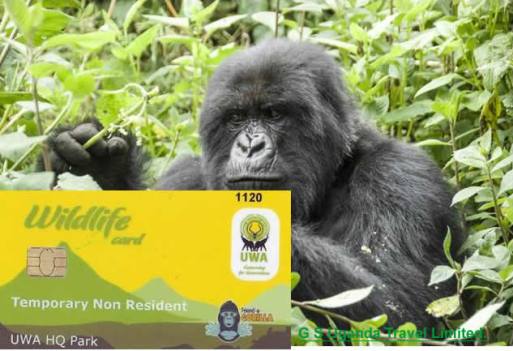
Both countries enforce strict protocols to safeguard gorillas and visitors.
- Minimum age: 15 years (enforced strictly; no exceptions).
- Group size: Maximum eight visitors per gorilla family per day.
- Viewing time: Strictly one hour once gorillas are located (four hours for habituation).
- Health requirements: No trekking if you have a cold, flu, or contagious illness. Masks may be required in some cases.
- Behavioral rules:
- Maintain 7 meters (22 feet) distance from gorillas.
- No flash photography; speak quietly.
- No eating, drinking, smoking, or spitting near gorillas.
- If a gorilla charges, crouch down, look away, and follow guide instructions.
- Fitness: Treks can be strenuous (steep, muddy trails, 2–8 hours). Good physical condition is essential.
- Porter use: Highly recommended for carrying daypacks (tip $10–20).
Violations can result in permit revocation and fines.
The Conservation Impact of Gorilla Permit Fees
Permit revenue directly funds mountain gorilla protection. In Uganda and Rwanda, fees support:
- Anti-poaching patrols and ranger salaries.
- Veterinary care and habitat monitoring.
- Community development projects (schools, health clinics, revenue-sharing with villages).
- Gorilla habituation and research programs.
Over 90% of fees stay in conservation and local communities, making gorilla tourism one of Africa’s most effective conservation models.
Each trek you take helps ensure the survival of this critically endangered species.
Practical Tips and Common Mistakes to Avoid
- Book early — Start inquiries 12+ months ahead, especially for June–September or December–February.
- Confirm health — Get travel insurance covering medical evacuation; disclose any conditions.
- Pack properly — Waterproof gear, sturdy boots, gloves, hat, insect repellent, layered clothing.
- Choose the right season — Dry seasons (June–September, December–February) offer easier trekking; wet seasons are cheaper and greener but muddier.
- Avoid common pitfalls:
- Waiting too long to book.
- Assuming permits are refundable for personal reasons (they rarely are).
- Underestimating trek difficulty.
- Booking unverified operators (always check UWA/RDB licensing).
- Prepare for unpredictability — Gorillas move daily; treks vary in length and terrain.
By planning carefully, your gorilla encounter will be safe, ethical, and unforgettable.
Ready to secure your gorilla permits and embark on this life-changing adventure? Contact our experienced team at GoSilverback Safaris today.
As fully licensed operators in Uganda and Rwanda, we guarantee permit availability, personalized itineraries, and seamless logistics for travelers from the USA, UK, Europe, Canada, Asia, and the Middle East.
Let us handle the details so you can focus on the magic of meeting mountain gorillas in the wild. Reach out now to start planning your 2026 or 2027 trek.