
Bigodi Wetland Sanctuary Uganda: Birds, Monkeys & Nature Experience 2026
Bigodi Wetland Sanctuary stands as a shining example of community-driven conservation success, offering visitors an unparalleled opportunity to immerse themselves in a vibrant ecosystem teeming with biodiversity.
Often hailed as a birding paradise, this hidden gem provides an affordable and enriching add-on to any itinerary that includes the nearby Kibale National Park, where chimpanzee trekking draws crowds from around the world.
Imagine strolling along elevated boardwalks through lush papyrus swamps, spotting elusive primates swinging through the canopy, and listening to the symphony of over 200 bird species calling out in the misty morning air—all while knowing your visit directly supports local livelihoods and environmental protection.
The Bigodi Wetland Sanctuary Uganda is not just a destination; it’s a testament to how eco-tourism can harmonize human needs with nature’s preservation, making it a must-visit for nature enthusiasts, birdwatchers, and cultural explorers alike.
Located in the Magombe swamp, approximately 6 kilometers from the Kanyanchu entrance of Kibale National Park and near the bustling town of Fort Portal, the sanctuary spans about 4.5 square kilometers of protected wetland.
This strategic position makes it easily accessible for day trips or extended stays, blending seamlessly with broader Uganda safari adventures.
In 2026, the sanctuary continues to evolve with ongoing regenerative projects, including enhanced wetland restoration initiatives funded by international partnerships and local cooperatives.
These efforts focus on combating climate change impacts, such as erratic rainfall patterns, by planting native vegetation and implementing sustainable water management practices.
Visitors in 2026 can expect even more interactive experiences, like guided tours highlighting carbon sequestration in swamps and community-led reforestation programs that have already restored over 50 hectares of degraded land.
What sets Bigodi Wetland Sanctuary apart is its grassroots origins and ongoing commitment to sustainability. Unlike larger national parks, Bigodi offers intimate, low-impact encounters with wildlife, where the focus is on quality over quantity.
Whether you’re a seasoned traveler seeking off-the-beaten-path experiences or a first-time visitor to Uganda, this sanctuary promises memories that linger long after you leave.
From the thrill of spotting the iconic Great Blue Turaco to participating in traditional cultural dances, every aspect is designed to educate and inspire.
As Uganda’s tourism sector rebounds and innovates post-global challenges, Bigodi remains a beacon of resilience, attracting eco-conscious travelers who value authentic connections.
This ultimate guide to Bigodi Wetland Sanctuary covers everything you need to plan your visit, from practical logistics and wildlife highlights to cultural immersions and sustainability tips.
We’ll delve into the sanctuary’s history, biodiversity, activities, and more, ensuring you’re equipped with the latest 2026 insights. By the end, you’ll be ready to book your adventure and contribute to this remarkable conservation story.
So, let’s embark on this journey through one of Uganda’s most enchanting wetlands, where nature and community thrive hand in hand.

Location & How to Get There
Understanding the precise location of Bigodi Wetland Sanctuary Uganda is key to seamless travel planning, especially given its proximity to major attractions like Kibale National Park.
Situated in the Kamwenge District, the sanctuary envelops the Magombe swamp, a vital wetland ecosystem that feeds into the larger Albertine Rift Valley.
From Kampala, Uganda’s capital—where many international visitors begin their journeys—the drive to Bigodi typically takes 4 to 5 hours, covering approximately 300 kilometers via the well-maintained Kampala-Fort Portal road.
This route winds through rolling hills, tea plantations, and rural villages, offering glimpses of everyday Ugandan life en route.
For those basing themselves in Fort Portal, the regional hub known for its colonial architecture and crater lakes, Bigodi is just a short 30-minute drive southeast, about 35 kilometers away.
Closer still is Kanyanchu, the main gate for Kibale National Park chimp trekking, only 6 kilometers north, making Bigodi an ideal half-day extension.
Travel options abound to suit various budgets and preferences. Self-drive enthusiasts can rent vehicles in Kampala from reputable companies like GoSilverback Safaris, navigating with GPS apps like Google Maps, which now include updated 2026 road conditions and real-time traffic alerts for rural areas.
Be mindful of occasional potholes on secondary roads, and ensure your vehicle has good ground clearance for the final unpaved stretch to the sanctuary entrance.
Public transport via matatus (shared minibuses) is economical but adventurous; catch one from Kampala’s New Bus Park to Fort Portal (around UGX 20,000 or $5 in 2026 rates), then transfer to a boda-boda motorcycle taxi for the last leg to Bigodi, costing about UGX 5,000.
For comfort and convenience, private transfers arranged through tour operators like GoSilverback Safaris, provide air-conditioned vans with knowledgeable drivers, often including stops at scenic viewpoints.
Organized tours from Kampala are increasingly popular, especially for group travelers or those combining Bigodi Wetland Sanctuary with Kibale chimp tracking.
These packages, starting at $150 per person, include round-trip transport, meals, and guided activities, minimizing hassle.
International arrivals at Entebbe Airport can opt for domestic flights to Kasese Airstrip (about 1 hour), followed by a 1.5-hour drive to Bigodi, though this is pricier at $200+ one-way.
Upon arrival, ample parking is available at the visitor center, with secure spots for cars and bikes. Accessibility notes for 2026: The boardwalks are wheelchair-friendly in dry seasons, with ramps and widened paths thanks to recent upgrades funded by the Uganda Wildlife Authority.
However, during heavy rains, some sections may be slippery, so inquire about adaptive equipment like all-terrain wheelchairs available on request.
Overall, reaching Bigodi Wetland Sanctuary is straightforward, rewarding you with immediate immersion in its serene landscapes.
History & Community Conservation
The story of Bigodi Wetland Sanctuary is one of triumph over adversity, rooted in the 1990s when local communities faced the threat of wetland drainage for agricultural expansion.
Founded by the Kibale Association for Rural and Environmental Development (KAFRED) in 1992, the sanctuary emerged as a proactive response to protect the Magombe swamp from being converted into farmland, which would have devastated the region’s biodiversity and water resources.
KAFRED, a community-based organization, mobilized villagers to recognize the swamp’s ecological value—not just as a habitat for wildlife but as a natural filter for clean water and a buffer against floods.
Initial efforts involved lobbying government officials and partnering with international NGOs like the World Wildlife Fund, leading to the official designation of the area as a protected wetland.
By the early 2000s, eco-tourism infrastructure, including boardwalks and guiding programs, was established, transforming potential destruction into a sustainable revenue source.
At its core, the Bigodi Wetland Sanctuary Uganda embodies a community-led conservation model that benefits locals through eco-tourism.
Revenue from visitor fees—over 80% of which stays within the community—funds essential services like schools, health clinics, and infrastructure improvements.
For instance, the Bigodi Secondary School, built with tourism proceeds, now educates over 300 students annually, emphasizing environmental stewardship in its curriculum.
Women’s empowerment is a hallmark; groups like the Bigodi Women’s Group produce handicrafts sold to tourists, generating independent income while preserving traditional skills.
In 2026, regenerative agriculture projects have taken center stage, with initiatives such as permaculture farms transitioning from monoculture to diverse, sustainable cropping systems that integrate wetland-friendly practices like agroforestry.
These projects, supported by grants from the Global Environment Facility, have restored degraded buffer zones, planting over 10,000 native trees to enhance soil health and biodiversity.
The impact of these efforts is profound: Wetland restoration has revived water tables, reducing drought vulnerability in surrounding villages, while job creation—over 100 direct positions in guiding, hospitality, and maintenance—has curbed poaching and illegal logging.
Community members, once reliant on subsistence farming, now thrive as entrepreneurs, offering homestays and cultural experiences.
Challenges persist, such as climate-induced flooding, but adaptive strategies like elevated pathways and community monitoring programs ensure resilience.
KAFRED’s model has inspired similar initiatives across Uganda, proving that conservation can be economically viable.
Visitors to Bigodi Wetland Sanctuary in 2026 witness this legacy firsthand, participating in tours that highlight success stories, fostering a deeper appreciation for how grassroots action can safeguard ecosystems for generations.
Biodiversity & Wildlife Highlights
The Bigodi Wetland Sanctuary boasts an astonishing array of biodiversity, making it a premier destination for wildlife enthusiasts in Uganda.
With over 200 bird species documented, the sanctuary is a veritable avian hotspot, where the vibrant plumage and calls of feathered residents create an immersive sensory experience.
The iconic Great Blue Turaco, with its striking turquoise feathers and crested head, is the star attraction, often spotted perched on high branches or gliding through the canopy.
Other notable birds include various hornbills, such as the black-and-white casqued hornbill with its massive bill; kingfishers darting along water edges for fish; majestic grey crowned cranes, Uganda’s national bird, strutting in open marshes; and colorful parrots like the Meyer’s parrot chattering in flocks.
For spotting swamp endemics, tips include visiting during dawn or dusk when activity peaks—use binoculars to scan papyrus reeds for elusive species like the papyrus gonolek or shoebill stork, though the latter is rarer.
Birding checklists available at the visitor center help track sightings, and guided tours enhance identification with expert insights into behaviors and habitats.
Beyond birds, the sanctuary harbors eight primate species, showcasing the primate-rich Albertine Rift. The black-and-white colobus monkeys are frequently seen in family groups, their long white mantles contrasting against dark fur as they leap between trees.
Equally captivating are the red colobus monkeys, endemic to the region, with their reddish coats and social troops that can number up to 50 individuals.
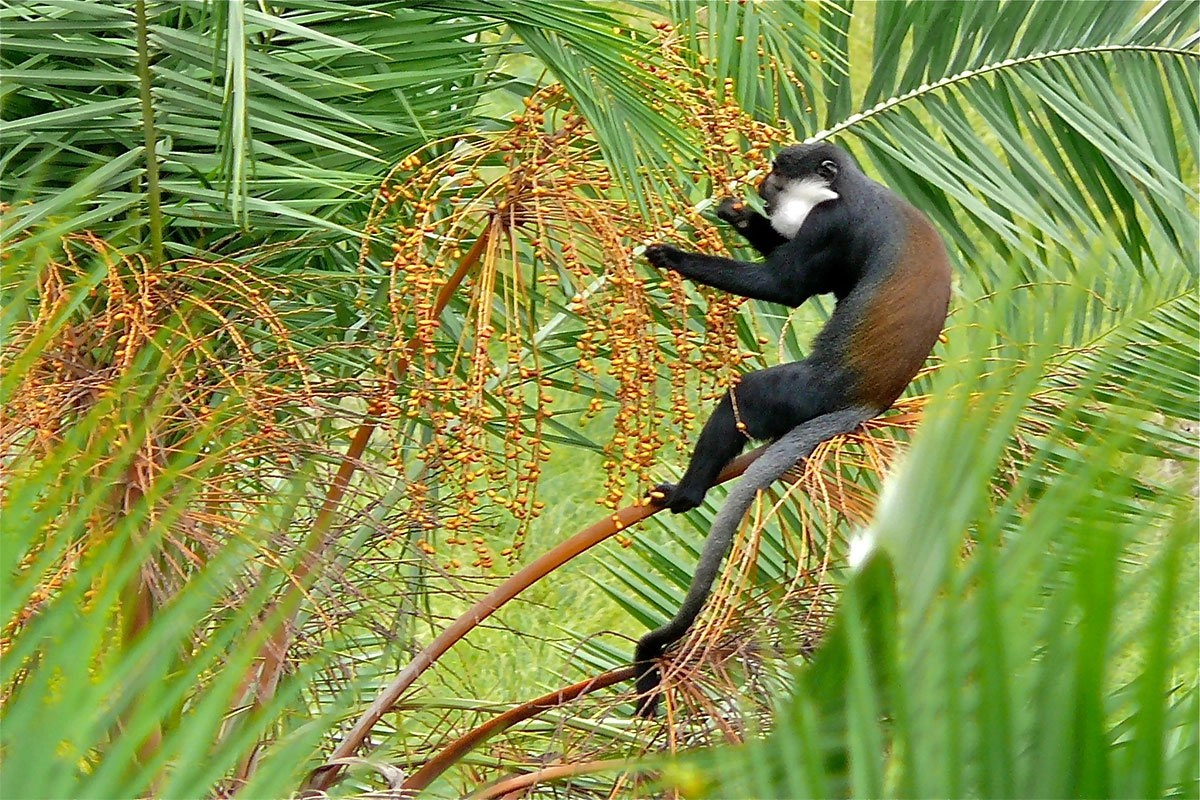
Red-tailed monkeys, known for their agility and curiosity, often approach trails, while the rarer L’Hoest’s monkeys prefer denser undergrowth, offering glimpses of their blue faces and white beards.
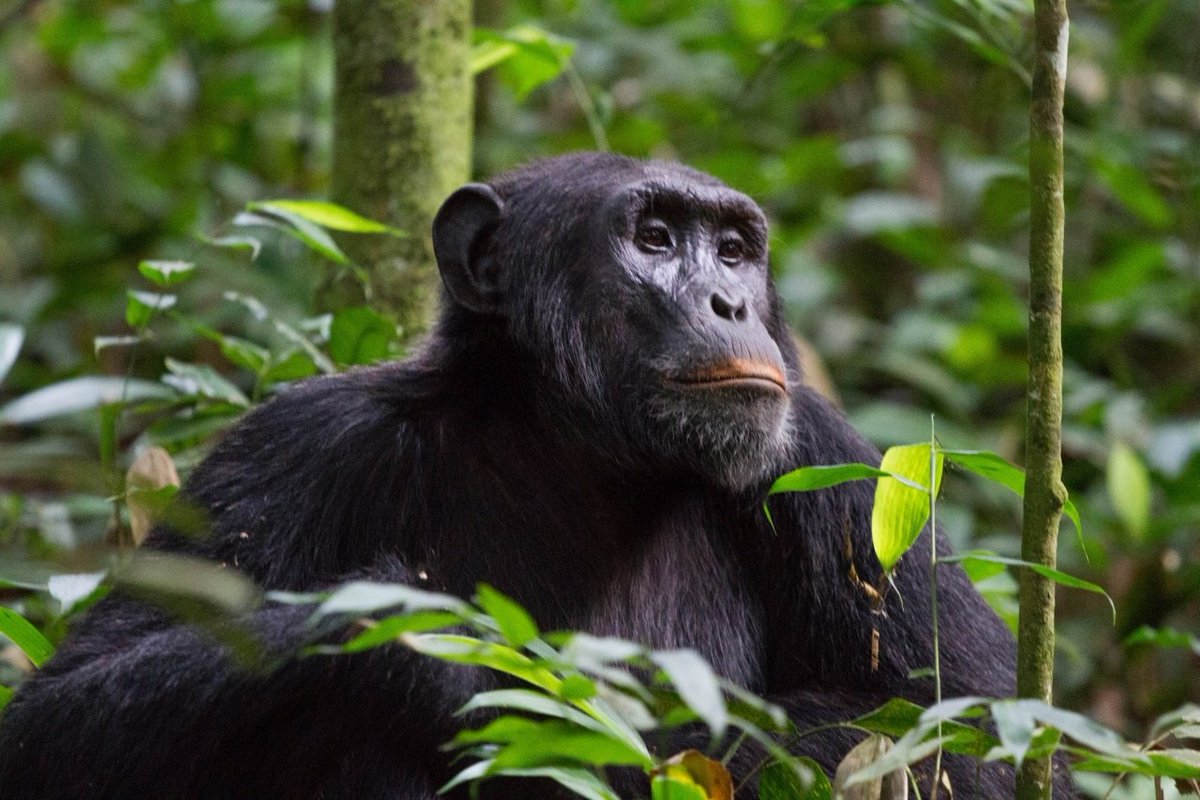
Other primates include olive baboons, vervet monkeys, and occasional sightings of chimpanzees venturing from Kibale.
These encounters emphasize Bigodi’s role as a corridor for primate movement, supporting genetic diversity.
Mammal diversity extends to semi-aquatic species adapted to wetland life, such as the elusive sitatunga antelope, with its splayed hooves for navigating mud; bushbucks grazing on fringes; and playful otters frolicking in streams.
While not as abundant as in savanna parks, these sightings add thrill to walks.
Flora-wise, over 20 tree species dominate, including fig trees providing primate food sources and lush swamp vegetation like papyrus and ferns creating a verdant backdrop.
Realistic expectations are crucial: Bigodi Wetland Sanctuary Uganda is not a big-game safari; it’s an intimate haven focused on birds and primates in their natural, undisturbed habitat.
Patience rewards visitors with authentic observations, far from crowded game drives.
In 2026, ongoing monitoring via camera traps has revealed population increases, underscoring conservation success.
To maximize experiences, join specialized birding tours or primate-focused hikes, where guides share ecological interconnections, from pollination roles of birds to seed dispersal by monkeys, painting a holistic picture of this thriving ecosystem.

Activities & Experiences
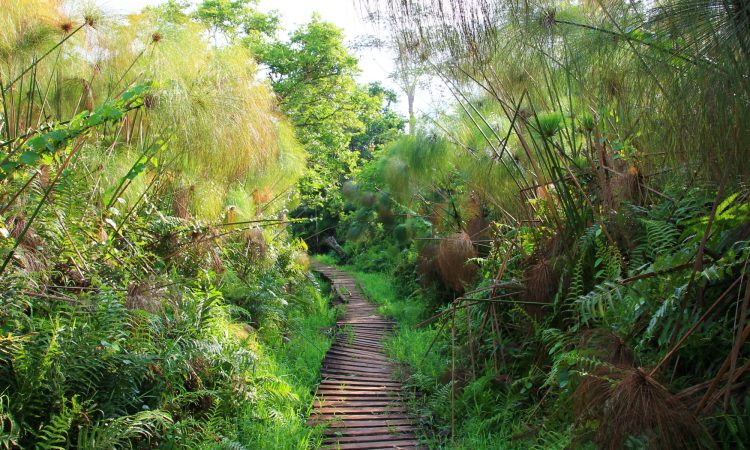
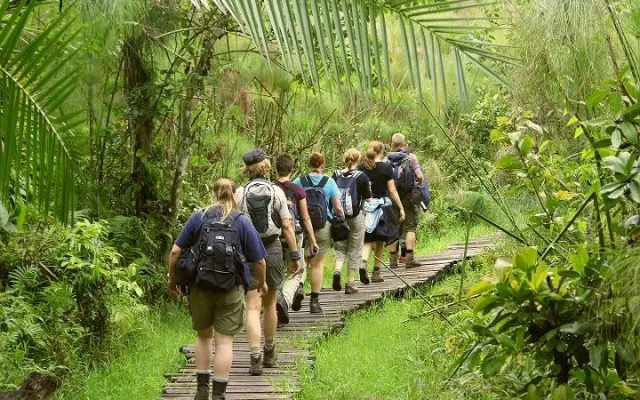
At the heart of a visit to Bigodi Wetland Sanctuary lies the flagship Guided Nature Walk, a 4.5-kilometer trail that winds through the swamp’s intricate network of boardwalks, elevated platforms, and forest paths, typically lasting 2 to 3 hours.
This interpretive tour, led by knowledgeable local guides trained in ecology and storytelling, immerses participants in the wetland’s wonders, from identifying bird calls to explaining medicinal plant uses.
Expect to traverse raised wooden walkways that keep feet dry while offering unobstructed views of the papyrus-choked channels below, where bubbles from hidden hippos might surface.
A highlight is the tree house viewpoint, a sturdy platform 20 meters up, providing panoramic vistas of the canopy and distant Kibale hills—perfect for photography or quiet reflection.
Guides share anecdotes about wildlife behaviors, like how red colobus monkeys form alliances against predators, enhancing the educational value.
Complementing the walk are add-on cultural experiences that deepen connections to the local Bakiga and Batooro communities. Participate in coffee roasting sessions, where beans from nearby farms are hand-roasted over open fires, followed by tastings that reveal nuances of Ugandan arabica.
For a spirited twist, try banana gin or beer tasting, traditional brews made from fermented plantains, offering insights into indigenous fermentation techniques passed down generations.
Basket weaving workshops empower visitors to craft their own souvenirs using sustainable reeds, supporting women’s cooperatives.
Evening dances around bonfires feature rhythmic drumming and vibrant costumes, narrating folktales of the swamp’s spirits. These activities, often bundled with the walk, foster cultural exchange and economic empowerment.
Pricing in 2026 remains accessible: Non-residents pay approximately $30 for the standard walk (including guide), with add-ons like cultural experiences adding $5-10 each.
East African residents enjoy discounted rates at $10, encouraging regional tourism.
Best times are early morning (7-9 AM) for active birdlife or late afternoon (4-6 PM) for primate sightings and golden-hour lighting.
Customized options include private family tours with child-friendly pacing or photography-focused hikes with extended stops. Safety is prioritized with small group sizes (max 8) and guides carrying first-aid kits.
In 2026, new enhancements like audio guides via apps provide self-paced exploration, while virtual reality previews on the official site build anticipation.
Combining activities creates full-day itineraries, such as morning walk followed by lunch at a community eatery serving fresh tilapia and matooke.
Ultimately, these experiences at Bigodi Wetland Sanctuary Uganda blend adventure, education, and culture, leaving visitors with profound appreciation for this eco-oasis.

Best Time to Visit & Weather
Choosing the optimal time for your Bigodi Wetland Sanctuary adventure hinges on weather patterns, which influence trail conditions and wildlife activity. Uganda’s equatorial climate means year-round mild temperatures (20-28°C), but rainfall defines the seasons.
Dry periods—December to February and June to August—offer the easiest access, with minimal mud on paths and clearer skies for unobstructed views.
During these months, wildlife is more concentrated around water sources, boosting sighting chances; birds flock to drying pools, and primates are active in the sun-dappled canopy.
Trails remain firm, ideal for families or those with mobility concerns, and fewer insects enhance comfort.
Conversely, wet seasons—March to May and September to November—bring lush greenery and vibrant blooms, transforming the swamp into a photographer’s dream with misty atmospheres and fuller waterways.
Birding thrives as migratory species arrive, and the landscape’s verdancy amplifies primate visibility against emerald backdrops. However, heavy downpours (up to 200mm monthly) can make boardwalks slippery and some sections impassable, so pack accordingly.
Avoid peak rainy days by checking 2026 forecasts via apps like AccuWeather, which incorporate local microclimate data.
Overall, dry seasons suit first-timers, while wet periods appeal to seasoned nature lovers seeking solitude and dramatic scenery.
Bigodi Wetland Sanctuary Location
Bigodi Wetland Sanctuary is located in western Uganda, just outside Kibale Forest National Park, approximately 6 kilometers from Kanyanchu Visitor Centre.
The sanctuary sits near Bigodi village in Kamwenge District, along the Fort Portal–Kasese road, making it easily accessible for travelers visiting Kibale for chimpanzee trekking.
This community-managed wetland lies within the Magombe Swamp, a rich ecosystem known for its high biodiversity.
Bigodi Wetland Sanctuary is strategically positioned between tropical rainforest and farmland, allowing visitors to explore a unique mix of habitats.
Its location makes it an ideal stop for nature walks, birdwatching, and primate viewing while supporting community-based conservation initiatives.
What to Pack & Visitor Tips
Preparing for Bigodi Wetland Sanctuary Uganda requires thoughtful packing to ensure comfort and safety amid variable conditions.
Essential footwear includes sturdy, waterproof walking shoes or boots with good grip to navigate potentially muddy trails—avoid open-toed sandals due to insects and uneven terrain.
Hydration is critical; carry at least 2 liters of water per person, supplemented by reusable bottles to minimize plastic waste.
A lightweight rain jacket or poncho is indispensable, as sudden showers are common even in dry seasons.
For wildlife observation, pack high-quality binoculars (8×42 recommended for low light) and a camera with zoom lens to capture distant birds or monkeys without disturbance.
Additional must-haves: Insect repellent with DEET to ward off mosquitoes, especially at dawn/dusk; sunscreen and a wide-brimmed hat for sun exposure on open sections; and a small backpack for essentials like snacks (nuts or fruit for energy).
Personal medications, including anti-malarials if advised, plus a basic first-aid kit round out health preparations.
Visitor tips emphasize safety: Stick to guided paths to avoid disorientation in dense vegetation, and heed warnings about slippery boardwalks—use handrails and walk slowly.
Etiquette is key; respect locals by asking permission before photographing people, and maintain quiet to not scare wildlife.
Realistic sightings: While abundant, animals aren’t guaranteed—patience and silence yield the best results.
In 2026, download the sanctuary’s app for real-time trail updates and species alerts.
For an enhanced experience, book in advance during peak seasons, and consider tipping guides generously for their expertise.
Bigodi Wetland Sanctuary Walk
Bigodi Wetland Sanctuary Walk is one of the most rewarding nature and community-based experiences in western Uganda, located just outside Kibale Forest National Park.
This guided walk takes visitors through a rich wetland ecosystem managed by the local community, making it a perfect blend of eco-tourism, wildlife viewing, and conservation support.
The sanctuary is famous for its high primate diversity, with regular sightings of black-and-white colobus monkeys, red-tailed monkeys, L’Hoest’s monkeys, and olive baboons.
Bird lovers are especially drawn to Bigodi, as it hosts over 200 bird species, including the iconic Great Blue Turaco, papyrus gonolek, hornbills, and kingfishers.
The walk is conducted along well-maintained boardwalks and forest trails, making it accessible to travelers of all fitness levels.
Beyond wildlife, the Bigodi Wetland Sanctuary Walk plays a vital role in community conservation.
Revenue from tourism directly supports local livelihoods through education, healthcare, and sustainable development projects.
Knowledgeable local guides share insights into medicinal plants, wetland ecology, and traditional practices, enriching the visitor experience.
Ideal as a post–chimpanzee trekking activity in Kibale Forest, the Bigodi Wetland Sanctuary Walk offers a peaceful, educational, and impactful way to explore Uganda’s biodiversity while supporting conservation and local communities.
Bigodi Wetland Sanctuary Entrance fee 2026
The Bigodi Wetland Sanctuary entrance fee is affordable and directly supports community-based conservation near Kibale Forest National Park.
As of 2026, visitors pay different rates depending on residency status. The guided Bigodi nature walk lasts approximately 2–3 hours and is led by experienced local guides who provide insights into the area’s ecology and wildlife.
Entrance fees contribute to wetland protection, local livelihoods, and conservation education projects, making your visit both meaningful and sustainable.
Bigodi Wetland Sanctuary is famous for its rich biodiversity, including red colobus monkeys, black-and-white colobus, vervet monkeys, and over 200 bird species.
Advance booking is recommended, especially during peak safari seasons.
Bigodi Wetland Sanctuary Entrance Fees (2026)
| Visitor Category | Entrance Fee (Approx.) |
|---|---|
| Foreign Non-Residents | USD 30–per person |
| Foreign Residents / EAC Citizens | USD 20–per person |
| East African Citizens | UGX 30,000 per person |
| Local Ugandans / Students | UGX 15,000–20,000 per person |
Accommodation & Nearby Attractions
Staying near Bigodi Wetland Sanctuary enhances immersion, with options ranging from luxury lodges to budget campsites in the Kibale area.
Mid-range choices like Kibale Forest Camp offer en-suite tents with verandas overlooking the forest, starting at $150 per night, including meals.
For upscale indulgence, Primate Lodge provides chalets with private decks, spa services, and guided walks, around $300.
Budget travelers favor Bigodi homestays, where local families host for $20-50, including home-cooked meals and cultural insights.
Campsites at the sanctuary edge allow tent pitching for $10, with basic facilities.
Pair your visit with nearby attractions: Kibale National Park’s chimp trekking (permits $250 in 2026) is a natural complement, just 6km away.
Fort Portal’s activities include crater lake hikes and Tooro Palace tours, while Bigodi homestays extend cultural stays.
Community Impact & Sustainability
Tourism at Bigodi Wetland Sanctuary Uganda serves as a powerful engine for local development, channeling visitor fees directly into community upliftment and environmental protection through the dedicated efforts of the Kibale Association for Rural and Environmental Development (KAFRED).
Established in 1992, KAFRED manages the sanctuary as a community-based initiative, ensuring that a significant portion of tourism revenue—often cited as over $150,000 annually in peak years—flows back to the surrounding villages in Bigodi and Busiriba sub-county.
This model has transformed the once-threatened Magombe swamp into a thriving example of sustainable eco-tourism, where conservation and human well-being reinforce each other.
A cornerstone of this impact is education: Tourism proceeds have funded the construction and ongoing support of Bigodi Secondary School and a nursery school, providing scholarships, reduced fees, teacher salaries, and infrastructure improvements that benefit hundreds of students annually.
Beyond schools, revenue supports health initiatives, including clinic enhancements and housing for medical staff, improving access to healthcare in rural areas.
Infrastructure projects, such as bridges over streams, water holes, fuel-efficient stoves, and road improvements, enhance daily life and reduce environmental strain.
Women’s empowerment shines through groups like the Bigodi Women’s Group, where over 40 members craft sustainable handicrafts—beads from recycled paper, baskets from raffia and palm leaves—sold to tourists and exported internationally, generating independent income and preserving cultural traditions.
Conservation benefits are equally profound. By employing former poachers as guides and reducing wetland encroachment, the sanctuary has boosted biodiversity, restored water tables, and minimized human-wildlife conflicts.
In recent years, KAFRED has expanded into regenerative agriculture projects, funded by partners like the Buckminster Fuller
Institute, promoting soil health, waterway protection, and alternatives to tourism-dependent livelihoods through beekeeping, aquaculture, and sustainable farming.
These initiatives combat climate change, enhance carbon sequestration in the wetland, and build resilience against erratic weather.
Ethical visits amplify this positive cycle.
By choosing guided walks at Bigodi Wetland Sanctuary, purchasing local crafts, staying in community homestays, and tipping guides generously, travelers directly contribute to poverty reduction, biodiversity preservation, and grassroots empowerment.
Opt for low-impact practices—stay on boardwalks, avoid single-use plastics, and engage respectfully with locals—to ensure your presence strengthens rather than strains this harmonious model.
In 2026, supporting Bigodi means investing in a future where nature and communities thrive together, proving that responsible tourism can create lasting, equitable change.
Frequently Asked Questions
What are the entry fees for Bigodi Wetland Sanctuary?
The standard Guided Nature Walk (the main entrance fee) costs 30 USD (or equivalent 50,000 UGX) per person for international tourists/non-residents. Expats/residents pay 20 USD (40,000 UGX), while Ugandan locals pay 5 USD (10,000 UGX). These fees include a knowledgeable local guide, access to the 4.5km boardwalk trail, and support for community projects. Add-ons like cultural experiences (e.g., coffee roasting, basket weaving, or village walks) cost extra, typically 5–10 USD. Payments are accepted in cash (USD or UGX) at the visitor center; book in advance via bigoditourism.com for guaranteed spots during peak seasons.
How long does a visit last?
The core guided nature walk takes 2–3 hours, covering the scenic 4.5km loop through swamps, boardwalks, and forest edges. Start times are usually 7:30 AM or 3:00 PM for optimal wildlife activity. You can extend your time with optional cultural add-ons, turning it into a half-day experience (4–6 hours total).
Is Bigodi Wetland Sanctuary best for families?
Yes, it’s highly family-friendly, especially for children who enjoy nature and light adventure. The elevated boardwalks are safe and easy to navigate (even stroller-accessible in dry conditions), with no steep climbs. Kids love spotting playful primates, colorful birds like the Great Blue Turaco, and learning fun facts from guides. Educational elements teach about conservation and community life, making it engaging for all ages. Avoid very young toddlers during wet seasons due to slippery paths—check conditions ahead.
Are wildlife sightings guaranteed?
No sightings are ever 100% guaranteed, as this is a natural wetland habitat, not a controlled game drive. However, the sanctuary’s rich biodiversity—over 200 bird species, 8 primates, and mammals like sitatunga—offers excellent chances, especially with expert guides. Primates and birds are frequently seen, but patience and early/late timing boost success. Guides maximize opportunities and share tracking tips.
Conclusion & Call to Action
In a world where mass tourism often overshadows genuine connection, Bigodi Wetland Sanctuary Uganda stands out as a rare and inspiring success story.
This compact 4.5-square-kilometer community-managed wetland, just 6 km from the famous Kibale National Park, delivers an intimate, low-impact experience that larger parks simply cannot match.
Here, you walk elevated boardwalks through lush Magombe swamp, surrounded by over 200 bird species—including the dazzling Great Blue Turaco—and eight primate species swinging through the canopy, all while knowing your presence directly funds real change.
Unlike typical safari drives, Bigodi offers quiet, educational immersion: local guides share stories of wetland restoration, regenerative agriculture, and cultural heritage, turning a simple nature walk into a meaningful encounter with both wildlife and people.
What truly sets Bigodi Wetland Sanctuary apart is its proven community-led model. Since the 1990s, tourism revenue has built schools, supported women’s cooperatives, improved healthcare, and restored biodiversity—proving that conservation and economic empowerment can thrive together.
In 2026, with enhanced regenerative projects and resilient infrastructure, the sanctuary remains a shining example of ethical eco-tourism in Uganda: authentic, affordable, and deeply impactful.
Whether you’re extending a chimpanzee trek in Kibale, seeking a peaceful birding escape, or simply wanting to travel responsibly, Bigodi delivers unforgettable memories and tangible good. Don’t miss this hidden gem that blends nature, culture, and community in perfect harmony.
Book your guided walk today via bigoditourism.com or contact GoSilverBack Safaris. for personalized packages, seamless transport from Kampala or Fort Portal, and expert guidance. Plan your Uganda adventure today—your visit helps protect this wetland paradise for future generations.
Let’s make your trip meaningful—start planning now!