Best Time To Visit Gorillas in Uganda and Rwanda: Best Time & Seasons You Must Know 2026
Mountain gorilla trekking is a bucket-list experience, but timing your trip dramatically affects trail conditions, crowds, costs, and overall enjoyment. Uganda and Rwanda share an equatorial climate with two dry seasons and two rainy seasons each year.
The best time to visit gorillas in both countries is generally the dry seasons—June to September (long dry) and December to February (short dry)—when trails are firmest and weather most predictable.
However, the rainy seasons—March to May (long rains) and October to November (short rains)—offer compelling advantages for certain travelers.
The choice depends on your priorities: comfort and reliability versus exclusivity and value. Below, we break down the pros and cons of each season with real-world insights for international visitors from the USA, UK, Europe, Canada, Asia, and the Middle East.
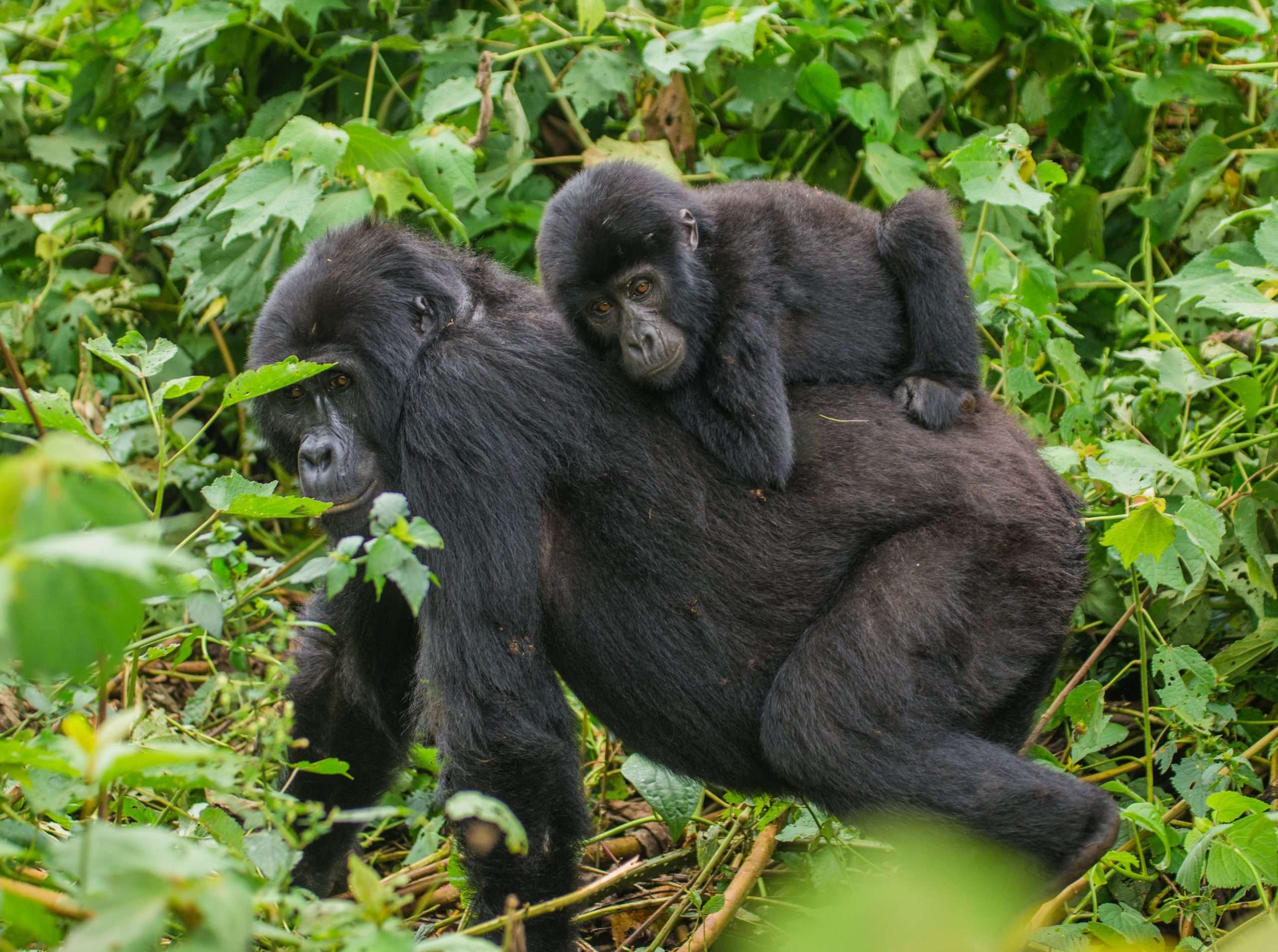
The Dry Seasons (Peak Season)
The dry seasons deliver the most favorable conditions for gorilla trekking. June to September is the longest dry period, with minimal rainfall, clear skies, and temperatures averaging 18–25°C (64–77°F). December to February is warmer and sunnier, often preferred for shorter treks and birdwatching add-ons.
Pros of the Dry Season
- Easier trekking: Trails stay dry and stable, reducing slip risks and mud. Treks that might take 6–8 hours in wet conditions often shorten to 2–4 hours, making the experience accessible to a wider range of fitness levels.
- Reliable gorilla sightings: Gorillas move less in dry weather, staying higher on slopes where habituated groups are easier to locate. Visibility is excellent for photography.
- Comfortable conditions: Lower humidity, fewer insects, and pleasant weather enhance enjoyment during the one-hour observation period.
- Better overall safari flow: Combine gorilla trekking with dry-season game drives in Queen Elizabeth National Park (Uganda) or Akagera National Park (Rwanda) without rain interruptions.
Cons of the Dry Season
- High demand and crowds: Permits sell out 12–18 months in advance, especially for popular families like Mubare or Susa.
- Elevated costs: Accommodation near trailheads (e.g., Buhoma or Kinigi) and internal flights spike 20–50% higher than low season.
- Busier trails: You may share viewpoints with other groups of eight trekkers, though strict rules keep encounters intimate.

The Rainy Seasons (Low Season)
The rainy seasons bring heavier downpours—often short, intense afternoon showers—but also lush landscapes and quieter parks. March to May sees the longest rains; October to November is shorter and less intense.
Pros of the Rainy Season
- Fewer crowds: Trails and lodges feel exclusive, with fewer groups competing for the same gorilla families.
- Lower costs: Accommodation rates drop 20–40%, and some operators offer bundled deals. Gorilla permits remain fixed ($800 Uganda, $1,500 Rwanda), but overall trip savings add up.
- Vibrant scenery: Forests turn emerald green, waterfalls swell, and birdlife peaks. Gorillas sometimes descend to lower elevations, shortening hikes.
- More flexible permits: Easier to secure last-minute or preferred family assignments, ideal for spontaneous travelers.
Cons of the Rainy Season
- Challenging trails: Muddy, slippery paths require good fitness, sturdy boots, and gaiters. Treks can extend several hours longer due to slow progress.
- Weather interruptions: Sudden rain can delay starts or force early finishes, though gorillas are still trackable.
- Higher physical demand: Steep, slick ascents in Bwindi or Volcanoes test endurance more than dry conditions.
- Insect activity: Mosquitoes and leeches increase, requiring strong repellents and long sleeves.

Country-Specific Information
Uganda and Rwanda share similar equatorial patterns, but terrain and access differ slightly.
Uganda: Bwindi Impenetrable National Park’s dense, hilly forest makes dry-season trekking preferable for most visitors. Sectors like Buhoma and Rushaga benefit most from firm trails, while Ruhija and Nkuringo can become very challenging in rain.
Mgahinga Gorilla National Park sees similar patterns but has fewer habituated groups. Fly into Entebbe, then connect domestically—dry months ensure smoother transfers.
Rwanda: Volcanoes National Park offers more consistent access from Kigali (short drive to Kinigi). Trails are steep but shorter on average, and dry seasons minimize mud on the volcanic slopes.
Rainy-season trekking remains popular here because gorillas often stay at lower altitudes, and the park’s infrastructure handles wet conditions better.
Rwanda’s compact size makes combining gorilla trekking with golden monkey visits or Dian Fossey sites more seamless year-round.
In both countries, dry seasons remain the top choice for first-timers or those prioritizing ease, while rainy seasons suit experienced hikers, photographers seeking dramatic light, or budget-conscious travelers.
The best time to visit gorillas in Uganda and Rwanda ultimately aligns with your tolerance for weather and crowds. Dry seasons deliver reliability; rainy seasons deliver value and solitude.
Ready to time your gorilla trek perfectly? Our licensed team at GoSilverback Safaris monitors real-time permit availability, trail conditions, and weather forecasts to secure your spot in the season that suits you best.
We handle everything—permits, transfers, expert guides, and contingency plans—for travelers from the USA, UK, Europe, Canada, Asia, and the Middle East.
Contact us today to plan your 2026 or 2027 adventure and experience mountain gorillas in the wild. Spaces in peak seasons fill quickly—reach out now.