
African Gorilla Safari: Ultimate Guide to African Gorilla Trekking in 2026
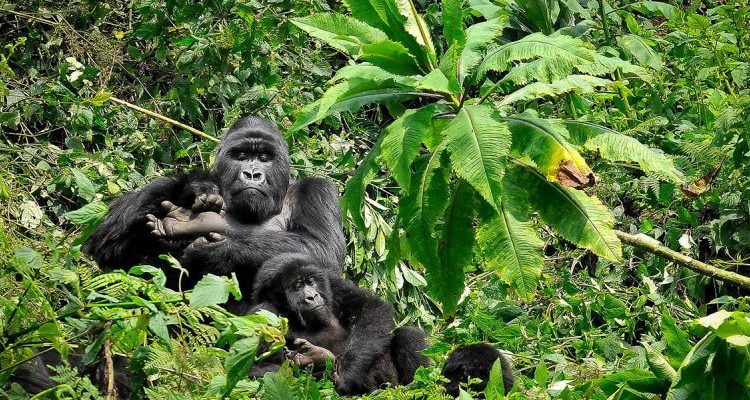
African gorilla safari is one of the most extraordinary wildlife experiences, offering travelers the rare chance to encounter endangered Mountain Gorilla in their natural habitat.
Top destinations include Bwindi Impenetrable National Park and Volcanoes National Park, where guided treks lead you through dense rainforest to observe gorilla families up close.
This once-in-a-lifetime adventure combines conservation, culture, and breathtaking scenery. With limited permits and strict rules, gorilla trekking ensures sustainability while delivering unforgettable encounters, making it a must-do safari for nature lovers and wildlife enthusiasts visiting Africa.
African gorilla safari remains the pinnacle of primate tourism in East Africa. For travelers from the USA, UK, Europe, Canada, Asia, and the Middle East — and for local East African visitors — nothing compares to standing metres from a wild mountain gorilla in its misty forest home.
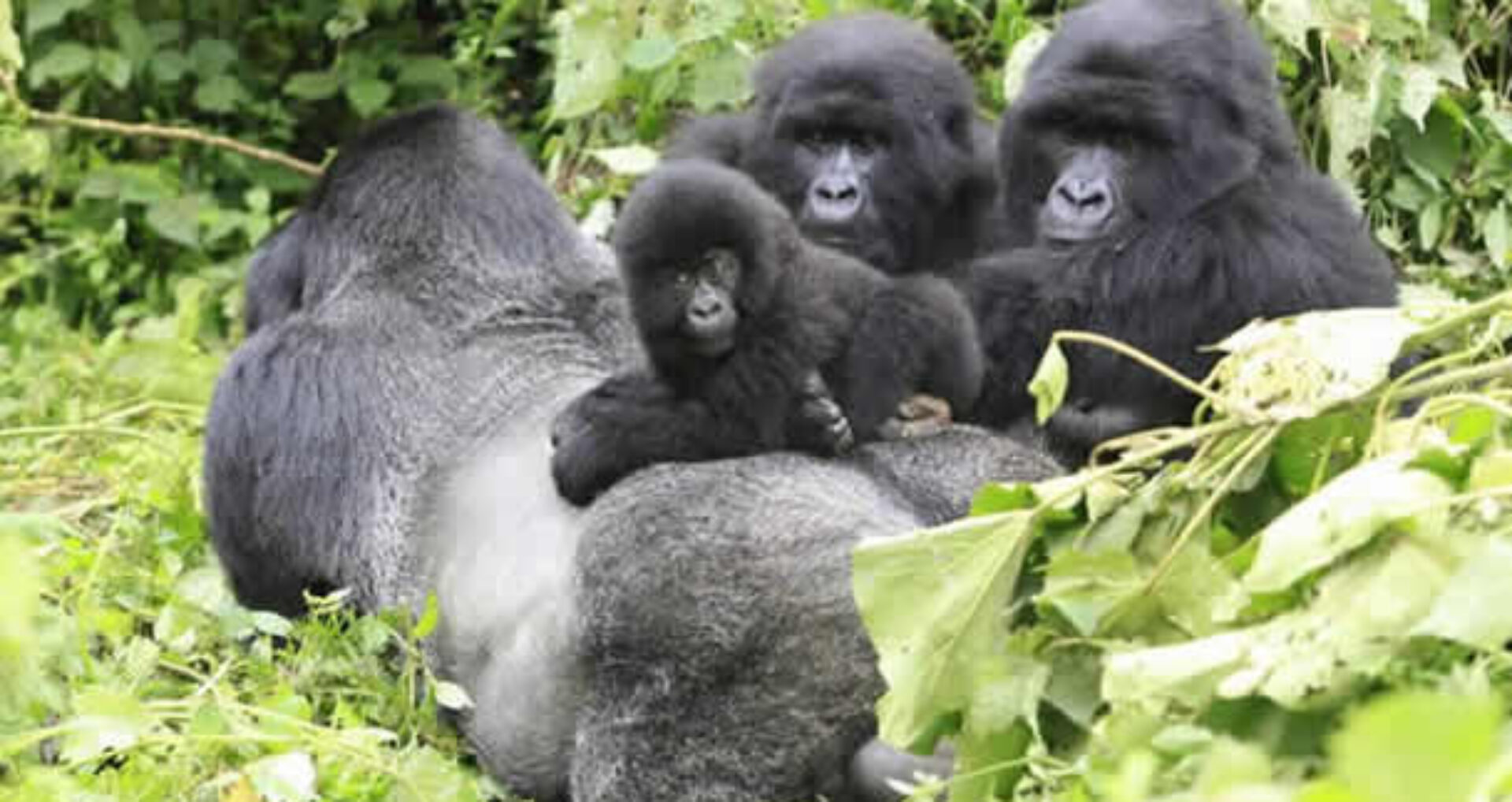
With the global mountain gorilla population now at 1,063 individuals (2025 census), these gentle giants have staged one of conservation’s greatest success stories, rising from fewer than 250 in the 1980s.
An African gorilla safari combines raw wilderness adventure, profound cultural exchange, and direct contribution to species survival. Whether you trek in Bwindi Impenetrable National Park or Volcanoes National Park, every gorilla permit you purchase funds anti-poaching patrols, community livelihoods, and habitat protection.
This comprehensive 2026 guide answers every question serious travelers ask: where to go, what to expect, how much it costs, when to travel, and how to choose responsibly.
Written from two decades of guiding thousands of clients, it delivers the clarity and authority you need to plan your once-in-a-lifetime gorilla trekking safari.
Where to Go for an African Gorilla Safari
Mountain gorillas survive in only three countries: Uganda, Rwanda, and the Democratic Republic of Congo. Responsible operators focus on the two safest and best-developed destinations — Uganda and Rwanda.
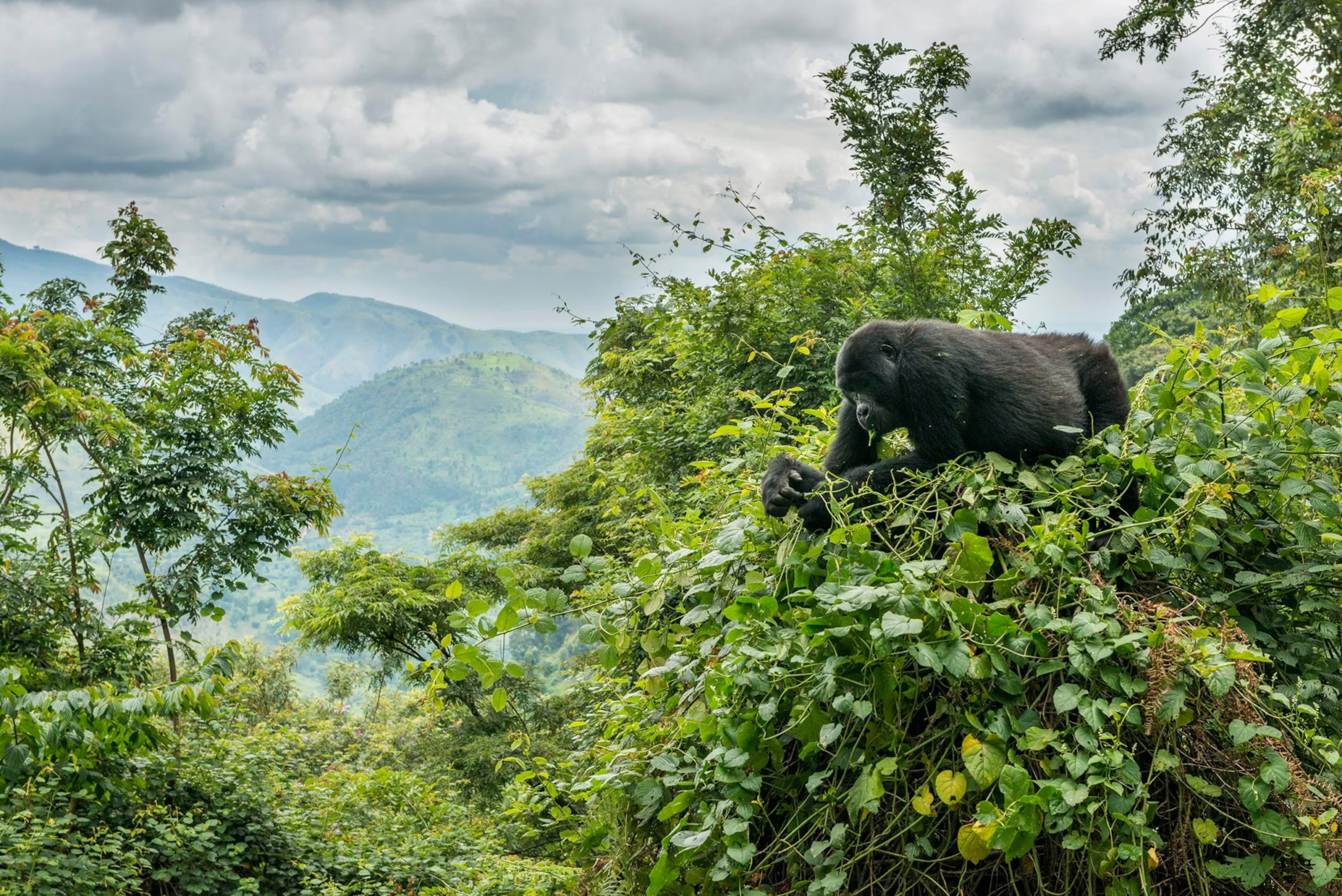
Bwindi Impenetrable National Park, Uganda protects roughly half the world’s mountain gorillas (over 400 individuals). Its 331 km² of steep, ancient rainforest offers 16 habituated groups across four sectors: Buhoma, Ruhija, Rushaga, and Nkuringo.
Bwindi’s size and varied altitude create the richest gorilla trekking experience, with excellent chances of seeing silverbacks, infants, and multi-generational families. Nearby Mgahinga Gorilla National Park adds a smaller, more intimate option on the Virunga Volcanoes.
Volcanoes National Park, Rwanda sits on the northern slopes of the Virunga Massif and hosts 10 habituated groups. The park’s dramatic volcanic landscape and luxury lodges make it the premium choice for travelers seeking comfort and shorter transfers from Kigali (2–3 hours). Rwanda’s $1,500 gorilla permit reflects higher infrastructure and lower daily trekker numbers.
The Virunga National Park in DRC remains off-limits for most international visitors due to security concerns, despite housing significant gorilla families.
Both Uganda and Rwanda deliver world-class African gorilla safari experiences, but each offers distinct advantages in accessibility, cost, and additional wildlife. Your choice depends on budget, time, and preferred trekking style.
What Happens on a Gorilla Trekking Safari
A typical gorilla trekking safari day begins early with a lodge breakfast and transfer to the park headquarters. Rangers brief groups of maximum 8 trekkers (minimum age 15) on etiquette, safety, and gorilla behavior. You receive a walking stick, and porters are available to carry daypacks for a modest fee.
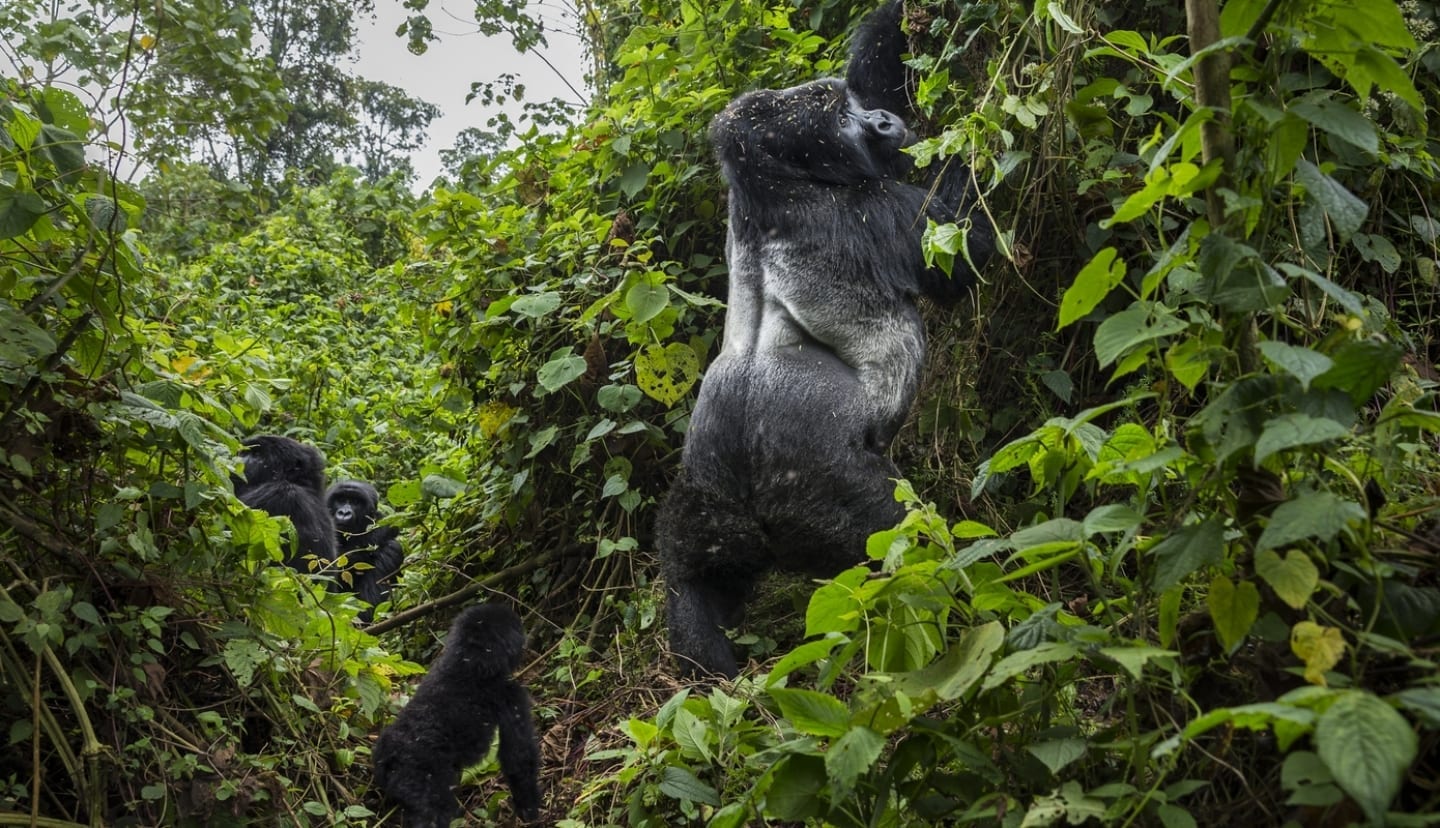
Trackers locate the assigned gorilla family using overnight nest sites and fresh signs. Trekking time ranges from 30 minutes to 7 hours, depending on where the group fed overnight. The terrain is steep, muddy in wet season, and thick with vegetation — exactly why these forests remained “impenetrable.”
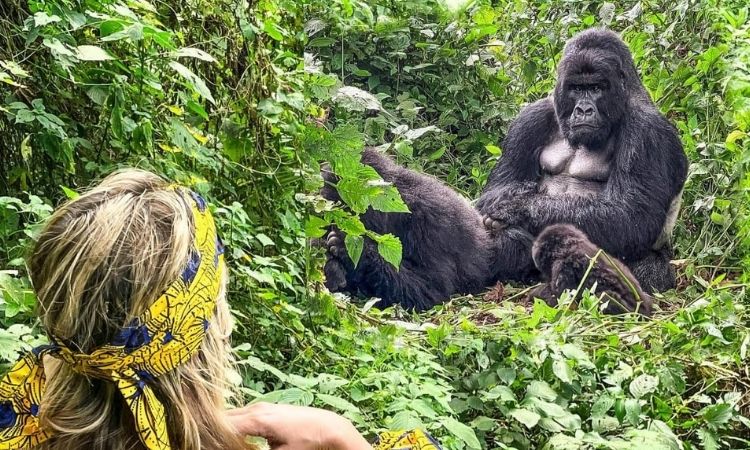
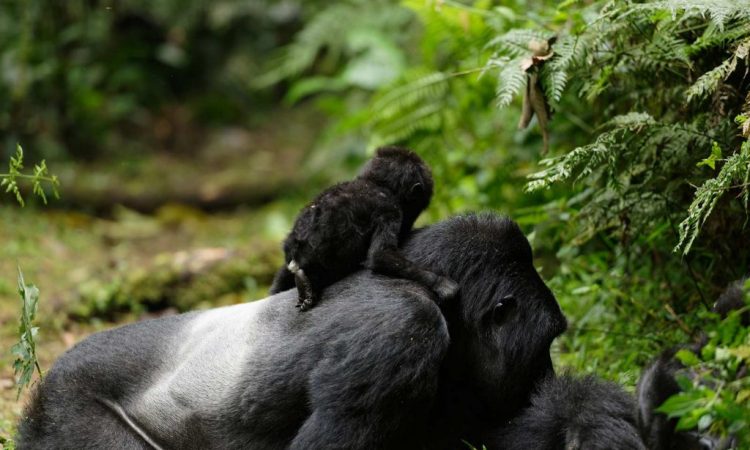
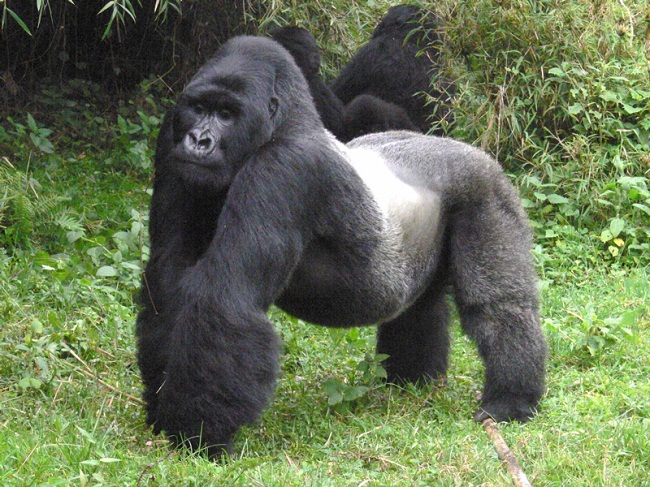
When you reach the gorillas, rangers enforce the 7-metre rule. You spend exactly one hour observing the family. A silverback may chest-beat or charge (a bluff display), mothers nurse infants, and juveniles play. The experience is silent, respectful, and deeply emotional.
After the hour ends, you return to the lodge for lunch and reflection. Most clients describe the encounter as life-changing — the closest humans come to another intelligent species in the wild.
Gorilla Safari Cost Breakdown
Gorilla safari cost varies by country, season, and accommodation level. In Uganda 2026, the gorilla permit is $800 (non-resident). In Rwanda, it is $1,500. These fees represent the largest single expense but directly support conservation.
A realistic 3-day Bwindi gorilla safari from Entebbe or Kigali costs $2,800–$4,200 per person (mid-range).
This includes:
- Gorilla permit ($700 Uganda / $1,500 Rwanda)
- 4×4 transfers and park fees ($300–$450)
- Mid-range lodge accommodation on full board ($800–$1,200)
- Professional guide, porters, and bottled water ($200–$300)
Luxury packages in Rwanda reach $6,000–$8,500 for 4–5 days, while budget-conscious travelers can join shared-group departures from $2,200 in Uganda.
Additional costs include international flights, visas ($50–$100), tips ($10–$15/day for guide/driver), and travel insurance. Combining gorilla trekking with chimpanzee trekking in Kibale or game drives in Queen Elizabeth or Akagera adds $800–$1,500 but delivers far greater value.
Explore our African Gorilla Safari packages and discover the incredible world of African gorillas through immersive, guided trekking experiences in their natural rainforest habitat.
Best Time for Gorilla Safari in Africa
The best time for gorilla safari aligns with the two dry seasons: June to September and December to February. Trails are firmer, visibility is clearer, and gorillas remain active throughout the day.
Shoulder months (March, October–November) offer lower rates and fewer trekkers, though afternoon rains are common. True rainy seasons (April–May and late October) bring lush greenery and excellent birding but muddy, slippery trails that extend trekking times.
Gorilla trekking operates year-round. The animals do not migrate, and habituated groups remain in their core ranges. Wildlife viewing in surrounding parks (Queen Elizabeth, Akagera) improves dramatically in the dry season as animals concentrate around water sources.
Gorilla Trekking Rules & Regulations
Strict gorilla trekking rules protect both visitors and the critically endangered apes. Uganda Wildlife Authority and Rwanda Development Board enforce these globally respected protocols:
- Maximum 8 trekkers per gorilla group per day.
- Minimum age 15 years; pregnant women are not permitted.
- Exactly one hour with the gorillas at a 7-metre minimum distance.
- No eating, drinking, or smoking near gorillas.
- No flash photography; speak quietly.
- If you feel unwell (cold, flu, diarrhoea), you must withdraw — gorillas share 98.4% of human DNA and are highly susceptible to our diseases.
- Maintain a calm demeanour; sudden movements or direct eye contact with silverbacks can be interpreted as threats.
- Porters and rangers carry masks for use if required.
These rules, developed over 30 years, have kept disease transmission low and habituation successful. Violations result in immediate removal from the trek.
Gorilla Safari Packages & Itineraries
GoSilverback Safaris offers flexible African gorilla safari packages tailored to every schedule and budget.
The 3-Day Bwindi Gorilla Express (from Entebbe or Kigali) focuses purely on trekking and is ideal for short visits. The 5-Day Uganda Gorilla & Wildlife Safari adds Queen Elizabeth National Park game drives and Kazinga Channel boat safaris.
Our flagship 7-Day Uganda Primate Safari combines Bwindi gorillas with chimpanzee trekking in Kibale National Park.
For Rwanda, the 4-Day Volcanoes Gorilla & Kigali itinerary pairs trekking with city history and Akagera wildlife. Longer 10–14 day Uganda-Rwanda combos allow you to experience both countries’ gorilla populations and additional parks.
All packages include private or shared 4×4 transport, English-speaking guides, full-board accommodation, and direct conservation contributions. Custom itineraries for families, photographers, or honeymooners are standard.
Explore our African Gorilla Safari experiences in detail and discover the perfect itinerary—browse all our expertly crafted safari packages designed for unforgettable gorilla trekking and wildlife adventures across East Africa.
Wildlife & Experiences Beyond Gorillas
An African gorilla safari delivers far more than gorillas. In Bwindi you encounter 13 primate species including chimpanzees, colobus monkeys, and L’Hoest’s monkeys. Birdlife exceeds 350 species, with Albertine Rift endemics such as the Rwenzori turaco.
Nearby Queen Elizabeth and Akagera offer classic savanna game: elephant, lion (including tree-climbing lions), leopard, buffalo, and hippo. Cultural visits with Batwa pygmy communities reveal traditional forest knowledge passed down for generations.
These layered experiences turn a gorilla safari into a complete East African wildlife and cultural journey.
Explore our African Gorilla Safari packages and discover the incredible world of African gorillas through immersive, guided trekking experiences in their natural rainforest habitat.
Why Choose Uganda vs Rwanda Gorilla Safari
Uganda offers the best value. Permits cost $800, Bwindi holds nearly half the world’s mountain gorillas, and you can combine gorilla trekking with chimpanzees and classic game drives in one trip.
Lodges range from community camps to luxury forest retreats, and the larger number of habituated groups provides more flexibility.
Rwanda delivers a more luxurious, easier-access experience. Permits cost $1,500, transfers from Kigali are short, and lodges rank among Africa’s finest. The volcanic scenery is dramatic, and lower daily trekker numbers create a more exclusive atmosphere.
Choose Uganda for value, multi-activity depth, and larger gorilla population. Choose Rwanda for comfort, convenience, and premium service. Many clients now combine both countries for the ultimate comparative African gorilla safari.
Conservation & Responsible Tourism
Responsible tourism is the financial lifeline for mountain gorilla conservation. Every gorilla permit generates revenue that funds 20% community projects, ranger salaries, and veterinary programmes.
The International Gorilla Conservation Programme (IGCP) and national authorities have used these funds to quadruple the gorilla population while expanding buffer zones and reducing poaching.
By choosing authorised operators, you ensure your money reaches local communities and anti-poaching teams rather than black-market resellers. GoSilverback Safaris plants trees, supports the HuGo conflict-resolution teams, and maintains carbon-neutral operations.
Explore our African Gorilla Safari packages and discover the incredible world of African gorillas through immersive, guided trekking experiences in their natural rainforest habitat.
How to Book an African Gorilla Safari
Booking is straightforward in four steps:
- Choose dates and country — gorilla permits are released monthly.
- Confirm fitness and health — yellow-fever vaccination required; malaria prophylaxis recommended.
- Select package and accommodation level — we match your budget and interests.
- Secure permits — we handle all paperwork and guarantee availability or full refund.
Book 6–12 months ahead for peak dry-season dates. Last-minute availability is possible but limited.
Frequently Asked Questions About African Gorilla Safari
How much does it cost to go to gorilla safari in Uganda?
A 3–5 day gorilla safari in Uganda costs $2,800 – $4,500 per person (mid-range). This includes the $700 gorilla permit, 4×4 transfers, full-board accommodation, park fees, and professional guide. Luxury packages range from $5,000 – $7,500. Budget shared-group options start from $2,200. Prices are for 2026. (60 words)
Which is better for gorillas, Uganda or Rwanda?
Uganda is better for most travelers seeking value and variety. It offers cheaper $700 gorilla permits, more habituated groups in Bwindi, and the chance to combine gorillas with chimpanzees and game drives. Rwanda provides a more luxurious experience with $1,500 permits and easier access from Kigali, but at a higher cost. (60 words)
Where is the best place to see gorillas in Africa?
Bwindi Impenetrable National Park in Uganda is the best place to see gorillas in Africa. It protects nearly half the world’s mountain gorillas (over 400 individuals) across 16 habituated groups. The dense rainforest offers intimate, varied trekking experiences. Volcanoes National Park in Rwanda is a close second for luxury and convenience. (60 words)
How much does it cost to see a gorilla in Rwanda?
Seeing a gorilla in Rwanda costs $1,500 for the gorilla permit alone (2026 rate). A full 3–4 day safari including permit, transfers, accommodation, and meals typically ranges from $4,500 – $7,500 per person. Rwanda offers a premium, exclusive experience with shorter transfers from Kigali.
How many mountain gorillas are left in the wild?
1,063 mountain gorillas remain as of the 2025 census — a remarkable recovery from fewer than 250 in the 1980s.
What is the cost of a gorilla permit in 2026?
Uganda: $700; Rwanda: $1,500 per person. These fees fund conservation and community development.
How difficult is gorilla trekking?
Moderate to strenuous. Treks last 1–7 hours on steep, muddy trails. Porters are available; good fitness is essential.
Can I see gorillas in both Uganda and Rwanda?
Yes. Many clients combine Bwindi and Volcanoes National Park in a 10–14 day safari for the ultimate experience.
What is the minimum age for gorilla trekking?
15 years in both Uganda and Rwanda. Children under 15 cannot participate due to health and safety rules.
Is gorilla trekking safe?
Extremely safe when rules are followed. Serious incidents are rare over 30 years of tourism.
Do I need a visa for Uganda or Rwanda?
Most nationalities receive a visa on arrival or e-visa. Rwanda offers a single East Africa visa covering Uganda and Rwanda.
What should I pack for a gorilla safari?
Waterproof hiking boots, rain gear, long sleeves/trousers, binoculars, insect repellent, and a daypack. Lodges provide rain ponchos.
How close do you get to the gorillas?
Exactly 7 metres minimum. Rangers enforce this distance to protect both gorillas and visitors.
Can I photograph the gorillas?
Yes, without flash. Professional cameras are welcome; guides help capture ethical shots.
What happens if the gorillas are not found?
This is extremely rare with habituated groups. If it occurs, you may re-trek the following day at no extra permit cost.
How does gorilla tourism help conservation?
Permit revenue funds anti-poaching, habitat expansion, veterinary care, and community projects that reduce human–gorilla conflict.
Conclusion
An African gorilla safari is far more than a wildlife encounter — it is a journey into one of humanity’s closest living relatives and a direct investment in their survival.
From the misty slopes of Bwindi to the volcanic peaks of the Virungas, every trek reinforces the remarkable story of a species pulled back from the brink.
The time to act is now. With only 1,063 mountain gorillas left, your visit matters.
Secure your gorilla permit today through GoSilverback Safaris and experience the magic of an African gorilla safari responsibly. Our expert team guarantees permits, seamless logistics, and genuine conservation impact.
Contact GoSilverback Safaris now to book your private or group gorilla trekking safari. Limited permits are released monthly — do not miss your chance to stand before a silverback and become part of the solution.
The gorillas are waiting. Will you answer their call?, Trek Explore and Meet the African Gorillas.