
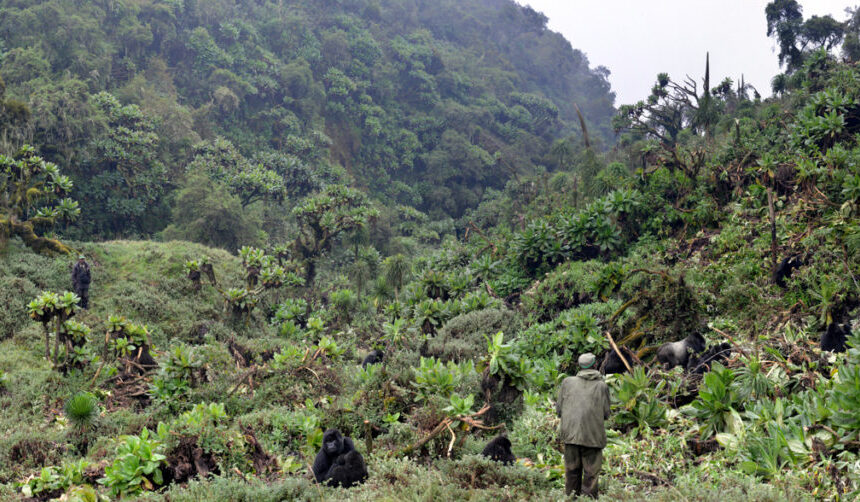
Gorilla Habitat Destruction: Causes, Effects & What You Can Do to Help
Gorilla habitat destruction refers to the loss, degradation, or fragmentation of natural forests where gorillas live, feed, and breed. This process is primarily driven by human activities such as deforestation, agricultural expansion, illegal logging, and settlement growth.
As forests disappear, gorillas lose not only their homes but also their food sources and safe breeding grounds, pushing them closer to extinction.
The endangered Mountain Gorilla is one of the most affected species, found only in limited high-altitude forests in East Africa. With a population of just over 1,000 individuals remaining, their survival depends entirely on the protection of these fragile ecosystems.
The urgency of addressing gorilla habitat loss cannot be overstated. Habitat destruction leads to increased human–gorilla conflict, disease exposure, and declining populations. Every acre of forest lost directly impacts their ability to survive.
At its core, this is a story of human impact versus wildlife survival. However, with strong conservation efforts and responsible tourism, there is still hope to protect gorilla habitats for future generations.
Gorilla habitat destruction has emerged as the single greatest long-term threat to the survival of all four gorilla subspecies — the mountain gorilla, the eastern lowland gorilla, the western lowland gorilla, and the Cross River gorilla.
Each subspecies is listed as either Endangered or Critically Endangered on the IUCN Red List, and habitat loss sits at the core of every conservation challenge they face.
Gorillas are not simply animals that live in forests. They are the forest. As ecosystem engineers and seed dispersers, gorillas play an irreplaceable role in maintaining the health of Central and East African rainforests — some of the most biodiverse habitats on Earth.
When those forests are cleared, burned, logged, or fragmented, gorillas lose more than shelter. They lose their food sources, their social corridors, their protection from poachers, and ultimately their ability to survive as a species.
For travelers planning a gorilla trekking safari in Uganda, Rwanda, or the Democratic Republic of Congo, understanding the reality of gorilla habitat loss is not just background reading — it is the foundation of responsible, conservation-driven travel.
At GoSilverback Safaris, we believe that every visitor who treks to see gorillas in the wild becomes part of the solution. This article provides a comprehensive, expert-level guide to gorilla habitat destruction: its causes, effects, real-world case studies, and what every traveler can do to help reverse it.
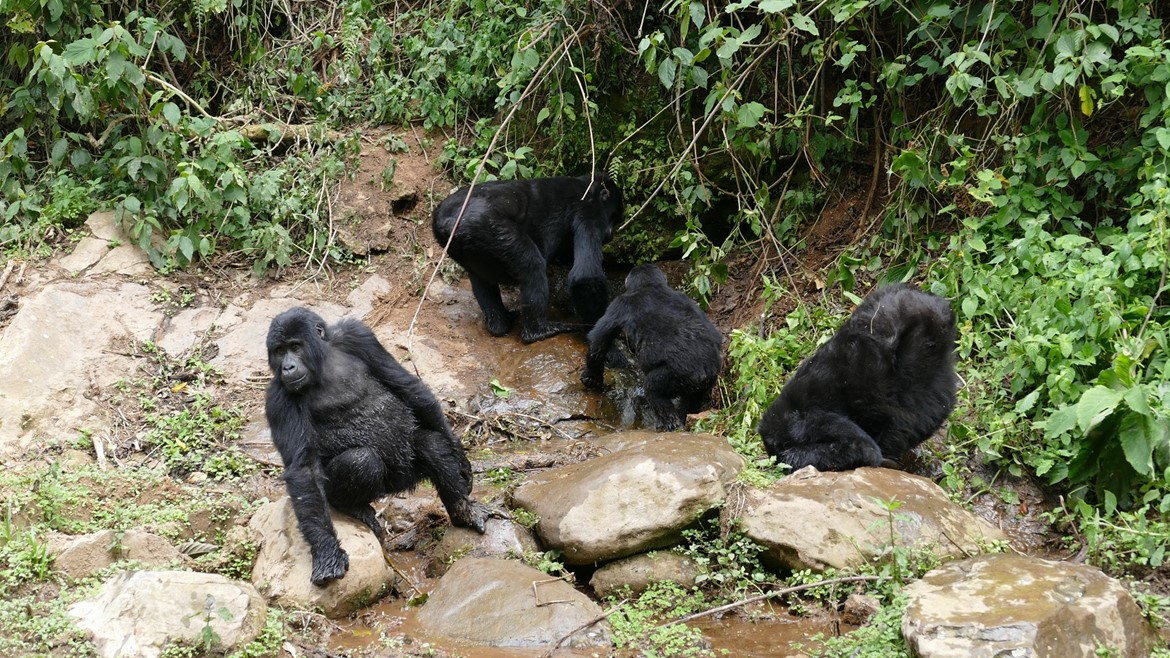
Where Gorilla Habitats Are Located
To understand gorilla habitat destruction, you must first understand where gorillas live — and why those locations make them so vulnerable to human pressure.
Mountain gorillas occupy one of the world’s most precisely defined ranges. They are found exclusively in two locations: the Virunga Massif, a chain of eight volcanoes straddling the borders of Uganda, Rwanda, and the Democratic Republic of Congo (DRC); and Bwindi Impenetrable National Park in southwestern Uganda.
Together, these two sites shelter the entire global population of mountain gorillas — currently estimated at just over 1,000 individuals.
These forests sit at elevations between 1,500 and 4,000 metres above sea level, where mist-shrouded valleys and bamboo thickets create the cool, dense habitat gorillas require.
Eastern lowland gorillas, also known as Grauer’s gorillas, are confined to the tropical forests of eastern DRC, including Kahuzi-Biega National Park and the lowland forests surrounding Maiko National Park.
With a population estimated at fewer than 3,800 individuals — down from over 17,000 in the 1990s — this subspecies has suffered the steepest population collapse of any great ape.
Western lowland gorillas are distributed across a much larger range, spanning the tropical forests of Cameroon, the Central African Republic, the Republic of Congo, Equatorial Guinea, Gabon, and the DRC.
Despite their wider range, western lowland gorilla habitat destruction driven by industrial logging, oil palm expansion, and mining has pushed their population into sharp decline.
The Cross River gorilla, the most endangered of all subspecies, survives only in small forest patches on the Nigeria-Cameroon border, with a total population of fewer than 300 individuals.
What unites all these habitats is their position at the intersection of extraordinary biodiversity and extreme human population pressure.
Every gorilla habitat borders densely settled agricultural communities where land is scarce, poverty is prevalent, and the forest edge retreats a little further with each passing year.
What Is Gorilla Habitat Destruction?
Gorilla habitat destruction refers to the degradation, fragmentation, or outright elimination of the forest ecosystems that gorillas depend on for food, shelter, movement, breeding, and survival.
It is a broad term that encompasses a spectrum of damaging processes, from the clear-cutting of primary rainforest to the gradual encroachment of smallholder farms along a park boundary.
At its most severe, habitat destruction means the complete removal of forest cover — trees felled, undergrowth burned, and land converted to fields, pasture, or settlements.
This is known as deforestation, and it is the most visible and measurable form of gorilla habitat loss. Satellite data from Global Forest Watch shows that the Congo Basin — home to the world’s second-largest tropical rainforest — lost approximately 600,000 hectares of tree cover per year between 2001 and 2022.
But habitat destruction also occurs in subtler forms that are equally dangerous over time.
- Forest fragmentation — the breaking of continuous forest into isolated patches — cuts off gorilla family groups from each other, reducing genetic diversity and making individual groups more vulnerable to disease and local extinction.
- Forest degradation from selective logging, charcoal production, and illegal hunting reduces the quality of remaining habitat even when tree cover technically persists.
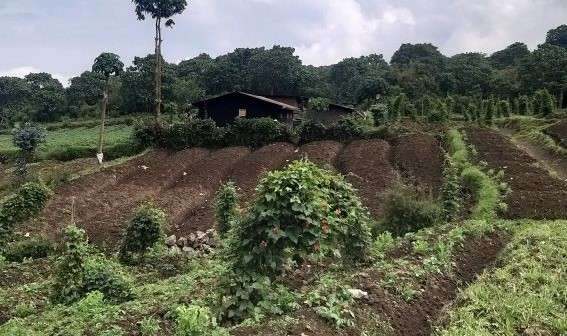
- habitat encroachment — the gradual pushing of the forest boundary inward by expanding farms and human settlements — steadily shrinks the effective range available to gorillas.
Understanding this spectrum of destruction is essential because conservation strategies must address all of it — not just headline deforestation, but the quieter, incremental losses that compound into catastrophe over decades.
Major Causes of Gorilla Habitat Destruction
The drivers of gorilla habitat loss are complex, interlinked, and deeply rooted in the economic and political realities of Central and East Africa. Conservation without understanding these drivers is impossible.
Here is a detailed analysis of the primary causes.
1. Agricultural Expansion and Slash-and-Burn Farming
Agriculture is the leading cause of deforestation across gorilla range states.
Subsistence farming and slash-and-burn agriculture — locally known as shifting cultivation — account for the majority of forest conversion in Uganda, DRC, and Cameroon.
Farmers clear forest plots, burn the vegetation to release nutrients, cultivate for a few years until soils are exhausted, and then move deeper into the forest to repeat the cycle.
In regions surrounding Bwindi Impenetrable Forest and the Virunga volcanoes, population densities exceed 200 people per square kilometre, placing enormous pressure on protected forest boundaries.
Rwanda’s population density — the highest in mainland Africa at over 500 people per km² — makes agricultural encroachment an existential pressure on the Volcanoes National Park.
2. Illegal Logging and Timber Extraction
Industrial and artisanal logging removes not only trees but the entire structure of the forest ecosystem. Illegal logging in gorilla habitats is rampant across the Congo Basin, where governance is weak and enforcement capacity is limited.
Even when logging is technically legal, the roads created to access timber concessions open previously inaccessible forest to settlers, hunters, and miners.
Research published in the journal Conservation Biology found that logging roads increase hunting pressure by up to 300% in adjacent forest areas, compounding the direct habitat damage with a secondary wave of wildlife exploitation.
3. Charcoal Production
Charcoal is the primary cooking fuel for millions of households across Central and East Africa, and its production is devastating gorilla habitats.
In eastern DRC, Virunga National Park — Africa’s oldest national park and a critical mountain gorilla stronghold — has lost significant sections of forest to charcoal producers who operate with the protection of armed militia groups.
A 2010 investigation by WWF found that the charcoal trade in the Virunga region generated over USD $30 million per year, much of it flowing to armed groups that simultaneously drove conservation staff out of the park.
The Albertine Rift forests have been particularly devastated, with charcoal burners clearing primary forest and replacing it with secondary regrowth incapable of supporting viable gorilla populations.
4. Mining and Extractive Industries
The DRC is estimated to hold over USD $24 trillion in untapped mineral wealth, including coltan, gold, cassiterite, and diamonds.
The mining of these resources — much of it artisanal and informal — brings tens of thousands of workers into remote forest areas, creating instant demand for bushmeat, fuel wood, and land.
Mining-driven deforestation in gorilla habitats is particularly severe in the eastern DRC, where Kahuzi-Biega National Park, home to the eastern lowland gorilla, has been invaded by as many as 15,000 miners during peak extraction periods.
The combination of deforestation, hunting, and lawlessness associated with mining has contributed directly to the 77% population decline of Grauer’s gorillas since 1994.
5. Human Population Growth and Settlement Expansion
Sub-Saharan Africa has the world’s fastest-growing human population.
The countries that host gorilla habitats — Uganda, DRC, Rwanda, Cameroon, and the Republic of Congo — are all experiencing rapid population growth that increases demand for agricultural land, firewood, and construction materials.
Human encroachment into gorilla habitat is not primarily a story of corporate greed or government negligence, though both play a role.
It is largely a story of millions of rural families trying to survive on the margins of protected areas without adequate economic alternatives. Without addressing poverty and population dynamics, habitat protection remains partial and fragile.
6. Climate Change
While climate change is often discussed separately from habitat destruction, its effects increasingly interact with and amplify direct threats.
Rising temperatures and altered rainfall patterns are shifting the elevational range of vegetation zones in the Virunga Massif and Bwindi, with bamboo — a critical food source for mountain gorillas — showing reduced productivity at some altitudes.
Climate-driven habitat degradation may also increase disease risk in gorilla populations already stressed by habitat loss, creating a compounding threat that conservationists are only beginning to quantify.
Effects of Habitat Destruction on Gorillas
The consequences of gorilla habitat destruction cascade through every aspect of gorilla biology, behavior, and survival. Understanding these effects reveals why habitat protection is not merely an environmental preference but a biological necessity.
1. Population Decline and Extinction Risk
The most direct effect of habitat loss is population decline. When forest is removed, gorillas lose access to the food sources — leaves, shoots, bark, fruit, and invertebrates — that sustain their nutritionally demanding diets.
A single silverback mountain gorilla needs to consume up to 34 kilograms of vegetation per day. As forest cover shrinks, competition for remaining food increases, group home ranges overlap, and inter-group conflicts escalate, leading to injuries and deaths.
The eastern lowland gorilla provides the starkest example of habitat-driven decline: the species lost an estimated 77% of its population between 1994 and 2015, almost entirely due to habitat destruction and hunting in the DRC.
2. Increased Human-Wildlife Conflict
As gorilla habitats shrink, gorillas are forced closer to human settlements, increasing the frequency of crop raids and the resulting conflicts.
Human-gorilla conflict is a growing problem in communities bordering Bwindi and the Virunga volcanoes, where gorillas raid maize, banana, and sweet potato crops, provoking retaliatory killings.
Beyond the direct loss of gorilla lives, these conflicts harden community attitudes toward conservation, making it harder for park rangers and NGOs to build the local support that long-term protection requires.
3. Disease Vulnerability
Habitat fragmentation forces gorilla groups into smaller, more isolated territories with less genetic diversity — a situation that increases vulnerability to both infectious disease and genetic disorders.
Proximity to human settlements, which increases with habitat loss, also increases gorilla disease transmission risk, as gorillas share approximately 98.3% of their DNA with humans and are highly susceptible to human respiratory viruses, measles, and other pathogens.
The COVID-19 pandemic brought this risk into sharp relief when mountain gorillas in Rwanda tested positive for SARS-CoV-2 in 2021, demonstrating the direct infection pathway that habitat destruction opens between human communities and gorilla populations.
4. Disrupted Social Structures and Breeding
Gorillas live in complex social groups led by dominant silverbacks, and their social structure depends on sufficient space and resources. Habitat destruction forces unnatural group mergers or isolates small groups unable to sustain viable breeding populations.
Gorilla reproductive rates are naturally slow — females give birth to a single infant approximately every four to five years — meaning that even small increases in mortality rates can push populations into decline faster than they can recover.
The disruption of normal social behavior by habitat stress compounds these biological constraints and can reduce breeding success further.
Impact on Ecosystems and Biodiversity
The destruction of gorilla habitats does not affect gorillas alone. These forests are among the most biodiverse on the planet, and the loss of forest that harms gorillas simultaneously devastates thousands of other species and disrupts ecosystem services on which human communities depend.
The forests of the Albertine Rift — the mountain range that runs through Uganda, Rwanda, Burundi, and the DRC — are recognized as one of Africa’s most important biodiversity hotspots.
They contain over 600 bird species, more than 200 mammal species, and extraordinary concentrations of endemic plants and reptiles found nowhere else on Earth. When gorilla habitat is destroyed, the loss of this biodiversity fabric is irreversible.
Gorillas themselves are critical to forest regeneration. As seed dispersers, they consume large quantities of fruit and excrete seeds across wide areas, facilitating the regeneration of tree species that depend on gorillas for their reproduction.
Studies in the Congo Basin have shown that removing gorillas from a forest — whether through hunting or displacement — measurably reduces tree species diversity over time. The loss of gorillas, in other words, accelerates the degradation of the very forests we are trying to protect.
Gorilla forests also provide essential ecosystem services to human communities: watershed regulation, carbon sequestration, soil stability, and rainfall generation.
The forests surrounding Bwindi and the Virunga volcanoes are the primary water catchments for millions of people in southwestern Uganda and northern Rwanda.
Their destruction would threaten regional water security and agricultural productivity — a fact that frames gorilla conservation not as a luxury but as a matter of human survival.
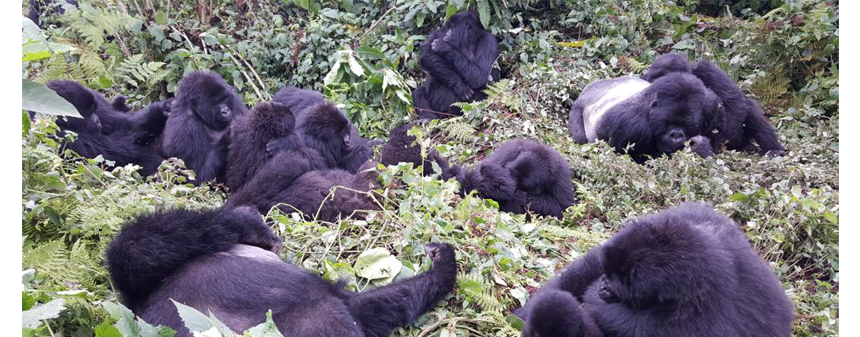
Real Case Studies in East Africa
Case Study 1: Bwindi Impenetrable Forest, Uganda
Bwindi Impenetrable National Park in southwestern Uganda is home to almost half the world’s mountain gorilla population. Gazetted as a national park in 1991, Bwindi covers just 331 square kilometres — an island of forest surrounded by one of the most densely populated rural landscapes in Africa.
Throughout the 1990s and 2000s, illegal encroachment, pit-saw logging, and agricultural expansion along the park boundary steadily reduced effective habitat.
Local communities historically dependent on the forest for honey, bamboo, and medicinal plants found themselves excluded by park regulations, creating resentment that sometimes translated into deliberate habitat damage.
The response — combining strict law enforcement with community benefit-sharing programs, including the allocation of 20% of gorilla permit revenues to surrounding communities — has been one of conservation’s great success stories.
Mountain gorilla numbers in Bwindi have grown from approximately 300 in the 1990s to over 460 today, demonstrating that community-inclusive conservation can reverse habitat destruction trends when properly resourced and enforced.
Case Study 2: Virunga National Park, Democratic Republic of Congo
Virunga National Park, Africa’s oldest protected area, has become the most emblematic example of how armed conflict amplifies gorilla habitat destruction.
Since the late 1990s, the park has been repeatedly invaded by armed militia groups who drive out rangers, allow large-scale charcoal production, and hunt gorillas and other wildlife for bushmeat.
Between 2004 and 2007, seven mountain gorillas were killed in Virunga in apparent retaliation for ranger anti-poaching operations. Park rangers — over 200 of whom have been killed in the line of duty — represent the frontline of a conservation effort operating in an active conflict zone.
The park’s gorilla population has nonetheless slowly recovered, demonstrating the extraordinary resilience of mountain gorillas when even minimal protection is maintained.
Case Study 3: Kahuzi-Biega National Park, DRC
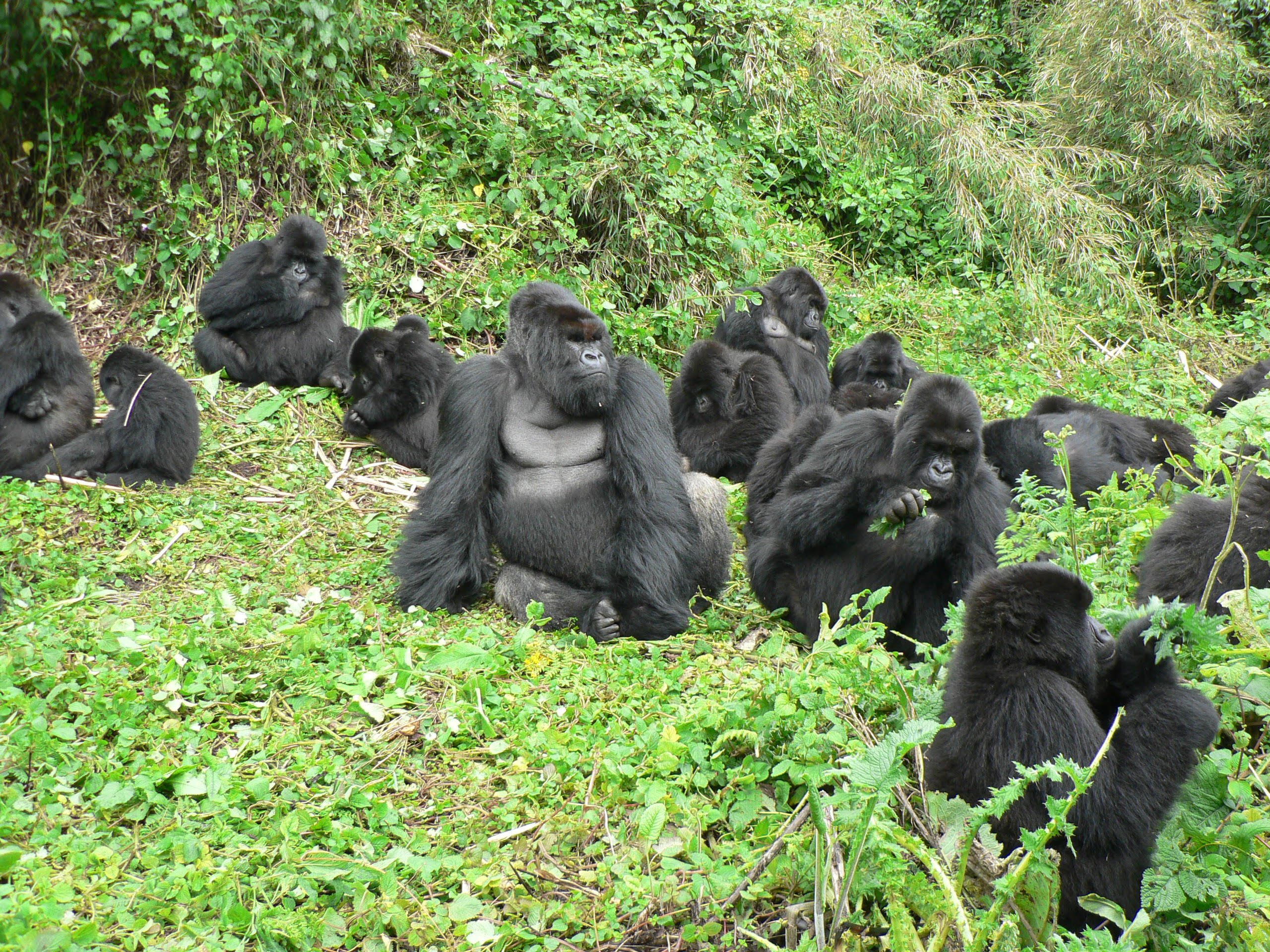
Kahuzi-Biega is the primary stronghold of the eastern lowland gorilla and a UNESCO World Heritage Site. It has also been one of the most comprehensively destroyed gorilla habitats in the world.
The invasion of the park by artisanal miners and the armed groups protecting them caused the lowland sector of the park to lose over 50% of its effective habitat between 1996 and 2004.
The gorilla population collapsed from an estimated 17,000 in the early 1990s to fewer than 3,800 today. Kahuzi-Biega represents the worst-case scenario for gorilla habitat destruction and serves as a warning of what can happen when conservation infrastructure collapses in conflict-affected areas.
Role of Conservation Organizations
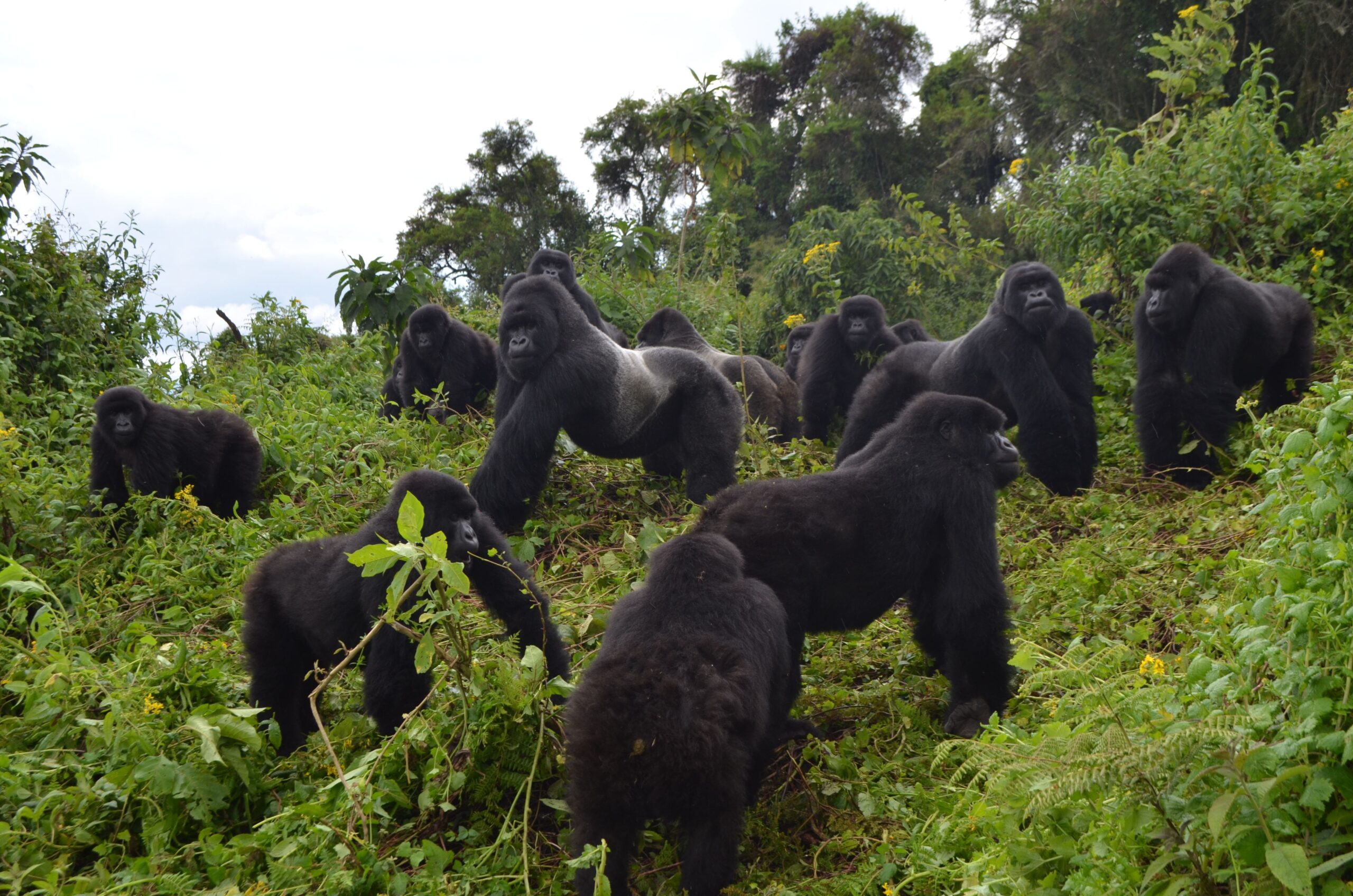
A network of dedicated conservation organizations works tirelessly to counter gorilla habitat destruction across Central and East Africa. Their interventions span law enforcement, community development, scientific research, and political advocacy.
The International Gorilla Conservation Programme (IGCP), a coalition of WWF, Fauna and Flora International, and the African Wildlife Foundation, has coordinated transboundary mountain gorilla conservation across Uganda, Rwanda, and the DRC since 1991.
The Dian Fossey Gorilla Fund maintains daily monitoring of gorilla groups in the Virunga region and Bwindi, providing the long-term behavioral and health data that underpins conservation planning.
Wildlife Conservation Society (WCS) and WWF both support anti-poaching operations, habitat monitoring, and community livelihood programs in gorilla range states.
The Gorilla Doctors program, operated by the Mountain Gorilla Veterinary Project, provides veterinary intervention for habituated gorilla groups, treating injuries and disease that would otherwise cause fatal losses in small populations.
Since its founding, Gorilla Doctors has directly saved dozens of gorilla lives through field veterinary intervention.
National park authorities — the Uganda Wildlife Authority (UWA), Rwanda Development Board (RDB), and Institut Congolais pour la Conservation de la Nature (ICCN) — are the primary institutional guardians of gorilla habitats, operating ranger patrols, managing park boundaries, and controlling access through the gorilla permit system.
A significant portion of their operational funding comes directly from gorilla trekking permit revenues.
How Gorilla Trekking Tourism Helps Protect Habitats
One of the most powerful and consistently underappreciated tools against gorilla habitat destruction is responsible, well-regulated gorilla trekking tourism.
The connection between tourist dollars and forest protection is direct, quantifiable, and proven — and it is why GoSilverback Safaris places conservation impact at the centre of every safari we design.
1. Permit Revenue Funds Conservation
Every gorilla trekking permit generates direct conservation revenue. In Uganda, a gorilla permit costs USD $800 per person. In Rwanda, the Volcanoes National Park gorilla permit costs USD $1,500.
A percentage of this revenue flows directly to national park authorities, funding ranger salaries, patrol equipment, veterinary services, and habitat monitoring infrastructure.
The Uganda Wildlife Authority allocates 20% of gate revenue to community development projects in parishes bordering national parks, creating a financial incentive for local communities to support rather than undermine conservation.
2. Economic Alternatives Reduce Forest Pressure
Tourism creates jobs and economic opportunities for communities that would otherwise depend on forest resources for income.
Gorilla tourism employment — as guides, porters, lodge staff, artisan vendors, and cultural performers — provides sustainable livelihoods that reduce the economic pressure to clear forest for agriculture or harvest timber for fuel.
Studies conducted in communities surrounding Bwindi have shown that households with a member employed in tourism are significantly less likely to engage in illegal forest extraction, demonstrating tourism’s preventive role in habitat destruction.
3. Tourism Raises the Political Stakes of Protection
When gorilla forests generate significant national revenue, governments have a powerful political incentive to protect them. Rwanda’s gorilla tourism generated over USD $18 million in 2019 before the COVID-19 pandemic.
Uganda’s wildlife sector, led by gorilla tourism, contributes substantially to national export earnings.
This economic significance elevates gorilla habitat protection from a niche conservation concern to a national economic priority, improving government commitment to anti-encroachment enforcement and habitat restoration programs.
4. Habituation and Monitoring Protect Individual Groups
The process of habituating gorilla groups to human presence for tourism purposes creates a secondary conservation benefit: daily monitoring by experienced guides and trackers.
Habituated gorilla groups are checked on every single day by tourism and research teams, providing the earliest possible detection of injuries, disease, poaching activity, or encroachment.
This continuous monitoring has enabled rapid veterinary intervention that has saved multiple gorilla lives and has provided irreplaceable data on gorilla population dynamics.
Sustainable Solutions to Gorilla Habitat Destruction
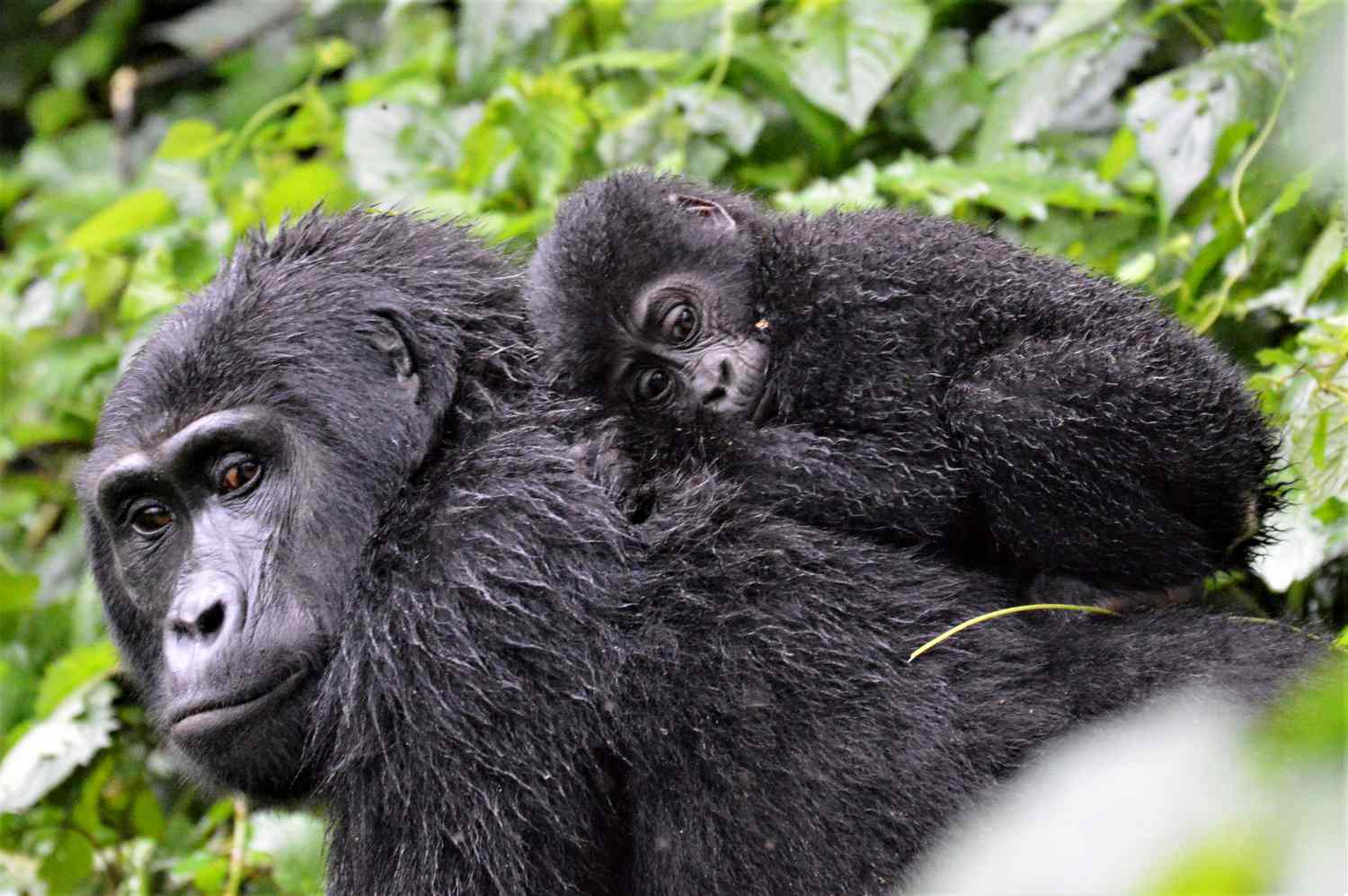
Halting and reversing gorilla habitat destruction requires a portfolio of integrated solutions addressing the economic, political, and ecological dimensions of the problem simultaneously.
The most effective conservation models in gorilla range states combine the following approaches:
1. Community-Based Conservation
Conservation that excludes local communities from benefit-sharing is conservation that ultimately fails.
The most durable habitat protection programs in gorilla range states — including the Bwindi community revenue sharing model and Rwanda’s Iby’iwacu Cultural Village program near Volcanoes National Park — demonstrate that when communities have a financial stake in the forest’s survival, they become its most effective defenders.
2. Payment for Ecosystem Services (PES)
PES programs compensate farmers and communities for maintaining forest cover on their land, providing direct financial incentives for habitat conservation.
Programs in Uganda and Cameroon have successfully used PES mechanisms to establish forest buffers around protected areas, reducing encroachment and creating habitat corridors between fragmented forest patches.
3. Reforestation and Corridor Creation
Restoring connectivity between fragmented gorilla habitats is essential for long-term population viability.
The Mgahinga-Bwindi corridor rehabilitation effort in Uganda and the Virunga corridor restoration program in Rwanda aim to recreate movement pathways between currently isolated gorilla populations, allowing gene flow and range expansion that are critical for long-term genetic health.
4. Alternative Energy Programs
Since charcoal production is a major driver of habitat destruction, distributing fuel-efficient cookstoves and promoting solar energy adoption in communities bordering gorilla forests directly reduces deforestation pressure.
Organizations including the Wildlife Conservation Society have distributed tens of thousands of improved cookstoves in DRC communities near Virunga, measurably reducing charcoal consumption and the associated deforestation.
5. Strengthening Protected Area Management
Adequately staffed, well-equipped, and properly paid ranger forces are the final line of defense against habitat encroachment.
Investments in anti-poaching technology — including drone surveillance, GPS tracking, and SMART patrol systems — have significantly increased the effectiveness of ranger patrols in Bwindi, Volcanoes National Park, and Virunga, deterring both illegal logging and agricultural encroachment.
How Travelers Can Help Protect Gorilla Habitats
Every decision a traveler makes — from which company to book with to how much to tip a porter — either contributes to or detracts from gorilla habitat protection.
Here are the most impactful actions international visitors can take:
- Book your gorilla permit through a reputable conservation-focused tour operator like GoSilverback Safaris, which ensures your spend supports licensed, habitat-protecting operations.
- Choose lodges and camps committed to environmental sustainability, employing local staff, sourcing local food, and operating with minimal ecological footprint within gorilla habitat zones.
- Hire a local porter for your gorilla trek. Porter fees provide direct income to community members living alongside gorilla habitats, making the forest economically valuable in its intact state.
- Follow all gorilla trekking regulations without exception: maintain the 7-metre distance rule, wear a face mask, wash hands at all entry points, and never trek if you are unwell.
- Purchase crafts and souvenirs from community cooperatives near gorilla parks, directing tourist spending into local economies and reinforcing the link between gorilla conservation and community prosperity.
- Make a voluntary donation to a trusted gorilla conservation organization such as the Dian Fossey Gorilla Fund, IGCP, or Gorilla Doctors. Even modest contributions fund field operations that make a measurable difference.
- Share your gorilla experience responsibly on social media. Conservation communication that inspires others to visit and support gorilla habitats multiplies the impact of individual visits through awareness generation.
Future of Gorilla Habitats
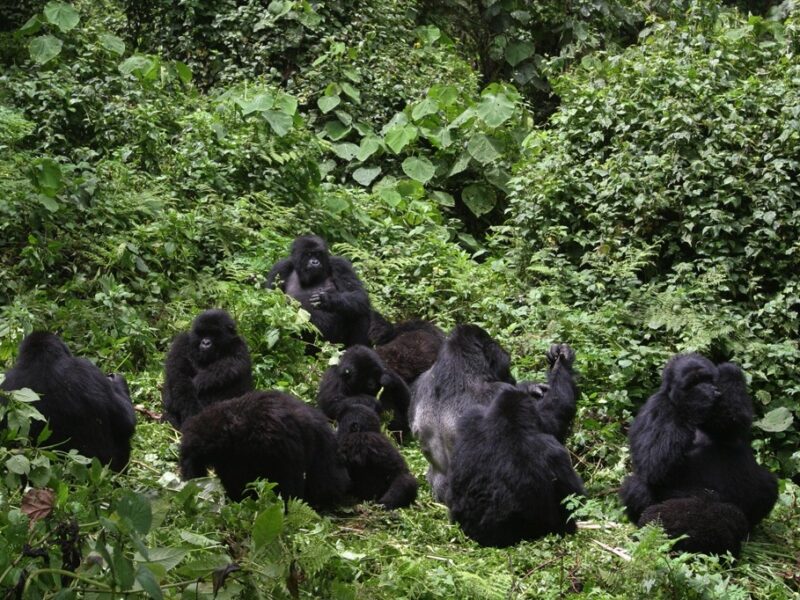
The future of gorilla habitats is neither assured nor hopeless. It is, more accurately, a race — between the forces of destruction and the forces of conservation, with the outcome still very much in the balance.
The mountain gorilla offers a rare and genuine success story. It is one of the only large mammals whose conservation status was upgraded from Critically Endangered to Endangered by the IUCN in 2018, reflecting a population that has grown despite enormous surrounding pressures.
This success is directly attributable to sustained international conservation investment, effective community partnerships, and the economic engine of gorilla trekking tourism. It proves that gorilla habitat protection works when it is properly funded and properly managed.
The outlook for eastern lowland gorillas and Cross River gorillas is considerably more precarious. Both populations occupy habitats subject to ongoing conflict, political instability, and extreme poverty — conditions that make sustained conservation difficult.
Without a major escalation of international support, political will, and community development investment in the DRC and Nigeria-Cameroon border regions, these subspecies face a trajectory toward functional extinction within decades.
Technology offers new hope. Advances in eDNA monitoring, satellite deforestation tracking, camera trap networks, and AI-powered patrol planning are transforming conservation effectiveness.
International policy frameworks — including the Kunming-Montreal Global Biodiversity Framework’s target of protecting 30% of land and oceans by 2030 — create political opportunities for expanded gorilla habitat protection if they are implemented with the resources and urgency they require.
The future of gorilla habitats ultimately depends on whether humanity chooses to treat their survival as the priority it must become.
Frequently Asked Questions About Gorilla Habitat Destruction
Q1: What is the main cause of gorilla habitat destruction?
The main cause is agricultural expansion, including slash-and-burn farming by growing rural communities bordering protected areas. This is compounded by illegal logging, charcoal production, mining, and human settlement expansion. In the DRC specifically, armed conflict has severely amplified all these destructive processes.
Q2: How much gorilla habitat has been lost?
Estimates vary by subspecies and region, but eastern lowland gorillas have lost over 77% of their population due primarily to habitat destruction since the 1990s. The Congo Basin loses approximately 600,000 hectares of forest annually. Western lowland gorilla habitat has declined by an estimated 60% over three generations.
Q3: Are mountain gorillas still endangered?
Mountain gorillas were reclassified from Critically Endangered to Endangered by the IUCN in 2018, reflecting population growth to over 1,000 individuals. This is a conservation success story, but the species remains deeply vulnerable. Continued habitat protection, anti-poaching enforcement, and community conservation programs are essential to sustaining this progress.
Q4: What countries have the most gorilla habitat destruction?
The Democratic Republic of Congo faces the most severe gorilla habitat destruction, due to a combination of armed conflict, artisanal mining, and charcoal production. Uganda and Rwanda have been more successful in controlling encroachment through strong national park management and community benefit-sharing programs linked to gorilla tourism revenue.
Q5: Does gorilla trekking tourism help prevent habitat destruction?
Yes, significantly. Gorilla trekking permits generate direct revenue for national park authorities, fund anti-poaching operations, and create economic incentives for communities to support forest conservation. Uganda allocates 20% of park revenue to surrounding communities. Rwanda’s gorilla tourism generated over USD $18 million annually before the pandemic.
Q6: How does deforestation affect gorilla behavior?
Deforestation forces gorillas to range more widely to find food, increasing exposure to humans and resulting in more frequent crop raids and conflict. It fragments social groups, reduces breeding success, increases disease risk through greater proximity to human settlements, and elevates stress levels that compromise immune function and reproductive health.
Q7: What is being done to stop gorilla habitat destruction?
Conservation strategies include anti-poaching patrols, community benefit-sharing programs, reforestation and corridor restoration, alternative energy distribution to reduce charcoal demand, Payment for Ecosystem Services programs, and technology-enhanced ranger operations. Gorilla trekking tourism revenue is a critical funding mechanism for all these interventions.
Q8: Can gorillas survive outside their natural habitat?
Gorillas are highly specialized species that cannot survive outside their forest ecosystems. They depend on specific plant foods, forest microclimates, and complex social environments that cannot be replicated in captivity or in degraded habitats. Protecting and restoring their natural forest habitat is the only viable long-term conservation strategy.
Q9: How does mining affect gorilla habitats?
Mining brings large influxes of workers into remote forest areas, creating instant demand for bushmeat, fuel wood, and cleared land. It destroys forest cover, creates access roads that enable further encroachment, and introduces armed conflict dynamics that drive out rangers and enable illegal logging. The DRC’s Kahuzi-Biega National Park has been devastated by artisanal mining.
Q10: What is the difference between deforestation and habitat fragmentation for gorillas?
Deforestation is the outright removal of forest cover. Habitat fragmentation is the breaking of continuous forest into isolated patches by roads, farms, or settlements. Both are harmful, but fragmentation can be more insidious — forest cover may technically persist while gorilla populations become isolated, inbred, and unable to sustain viable numbers without connectivity.
Q11: Is climate change worsening gorilla habitat destruction?
Yes. Climate change is altering rainfall patterns and vegetation zones in mountain gorilla habitats, reducing bamboo productivity at some altitudes. It amplifies existing threats by increasing human migration pressures from drought-affected areas, reducing food availability, and potentially increasing disease risk in already stressed gorilla populations.
Q12: When is the best time to go gorilla trekking?
The best times for gorilla trekking in Uganda and Rwanda are during the dry seasons: June to September and December to February. Trails are drier, gorillas are easier to track, and the forest is at its most accessible. However, gorilla trekking is excellent year-round, and visiting in the green season offers lush scenery and fewer crowds.
Conclusion: Conservation Starts With Your Decision to Trek
Gorilla habitat destruction is one of the defining conservation challenges of our time. It is driven by poverty, population pressure, conflict, and the relentless demand for land and resources in some of the world’s most fragile ecosystems.
Yet, as the mountain gorilla’s recovery proves, it is a challenge that can be met — when science, policy, community partnership, and conservation-driven tourism work together.
The most powerful thing most people will ever do for gorilla conservation is to book a gorilla trekking permit and experience these magnificent animals in their natural habitat.
Every permit purchased, every porter hired, every community lodge booked sends a clear signal that the living forest is worth more than cleared land.
It funds rangers, supports families, and sustains the political will to protect habitats that gorillas — and countless other species — cannot survive without.
At GoSilverback Safaris, we have built our entire operation around this principle. We are not simply a booking agent for gorilla permits.
We are conservation partners, community supporters, and storytellers for the forests and wildlife that make East Africa’s natural heritage irreplaceable. Every safari we design is built to maximize both the quality of your experience and the conservation impact of your visit.
Ready to protect gorilla habitats by experiencing them first-hand?
Contact GoSilverback Safaris today to book your gorilla trekking permit in Uganda, Rwanda, or the DRC. Our expert team will design a bespoke safari that connects you with the wild, funds conservation on the ground, and creates memories that last a lifetime.
GoSilverback Safaris | Expert Gorilla Trekking Safaris in Uganda, Rwanda & DRC | Conservation-Driven Wildlife Travel.