Gorilla Communication Sounds: Calls, Signals & Meaning Ultimate Guide
Gorilla communication sounds are vocalizations and physical signals used to express emotion, maintain hierarchy, warn of danger, and strengthen social bonds. Gorillas use more than 25 distinct calls, including grunts, hoots, roars, and chest beats, each with specific social meaning.
Understanding Gorilla Communication Sounds transforms a gorilla trek from simple wildlife viewing into a profound encounter with one of the most sophisticated social systems in the natural world.
When you stand quietly in the rainforest and hear a deep chest rumble, a soft feeding grunt, or the explosive echo of a silverback’s display, you are witnessing a structured language system refined over millions of years.
For international travelers visiting Africa for gorilla trekking in Uganda, Rwanda, or Congo, learning how gorillas communicate adds depth, safety awareness, and conservation insight to your journey.
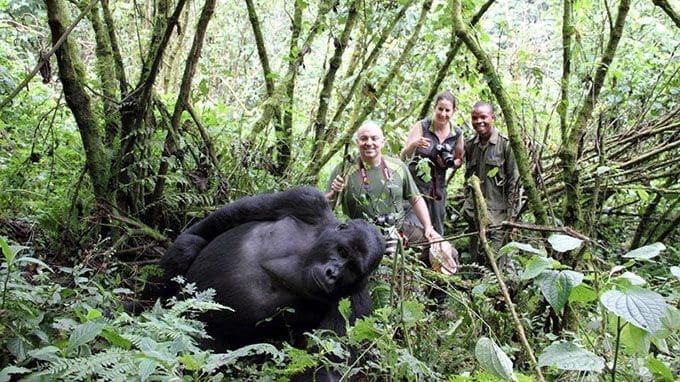
As leading African safari tour operators at GoSilverback Safaris, we’ve guided countless local and international travelers from the USA, UK, Europe, Canada, Asia, and the Middle East through Rwanda’s Volcanoes National Park and Uganda’s Bwindi Impenetrable Forest, where the echoes of gorilla communication sounds reveal the intricate social world of these magnificent primates.
Understanding gorilla vocalizations and non-vocal signals not only enriches your gorilla trekking experience but also underscores the importance of conservation.
This authoritative guide explores gorilla communication sounds in depth, blending scientific insights with real-world observations from our expert-led safaris.
Whether you’re planning a Rwanda gorilla trek or a Uganda safari, grasping these behaviors enhances safety, respect, and appreciation for endangered mountain gorillas.
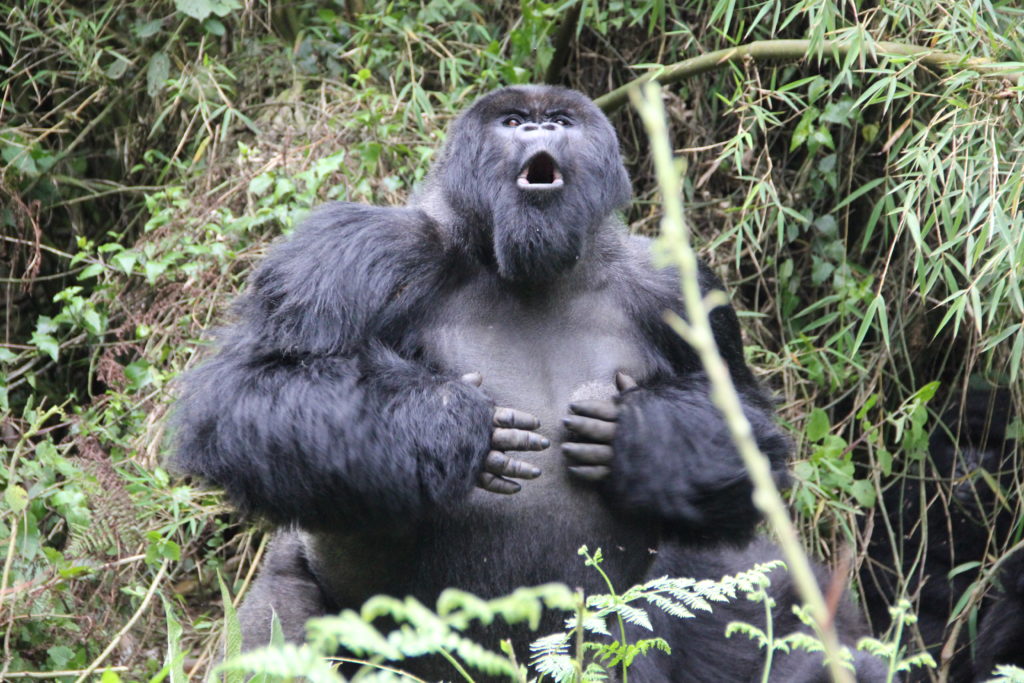
What Are Gorilla Communication Sounds? (Definition + Overview)
Gorilla communication sounds encompass a rich array of vocalizations, gestures, and body language that allow these great apes to convey emotions, coordinate group activities, maintain hierarchies, and respond to threats.
Defined as auditory signals produced by the vocal tract—ranging from soft grunts to resounding roars—these sounds form part of a multimodal system where vocals often pair with visual cues like chest-beating or facial expressions.
Researchers, including those from the Dian Fossey Gorilla Fund, have identified over 22 distinct gorilla vocalizations, with some estimates reaching 25+ when including variations across subspecies.
These sounds serve critical functions: alerting to danger, expressing contentment, signaling submission, or facilitating mating.
In an overview, gorilla communication is context-dependent and audience-specific, meaning a single sound like a grunt can vary in pitch and duration to convey different messages based on the situation.
For instance, a low-pitched belch vocalization promotes group cohesion during rest, while sharp barks indicate alarm. This complexity mirrors human language precursors, with gorillas using sounds to navigate dense forests where visibility is limited.
On our safaris, travelers often hear these during treks: a silverback’s deep growl might signal “back off” to the group, ensuring safe distances are maintained.
Unlike humans, gorillas lack complex syntax, but their system is highly effective for survival, evolved over millions of years to support tight-knit family troops averaging 5-30 members.
Transitioning to species variations, note that while core sounds are shared, environmental adaptations influence nuances in gorilla vocalizations.
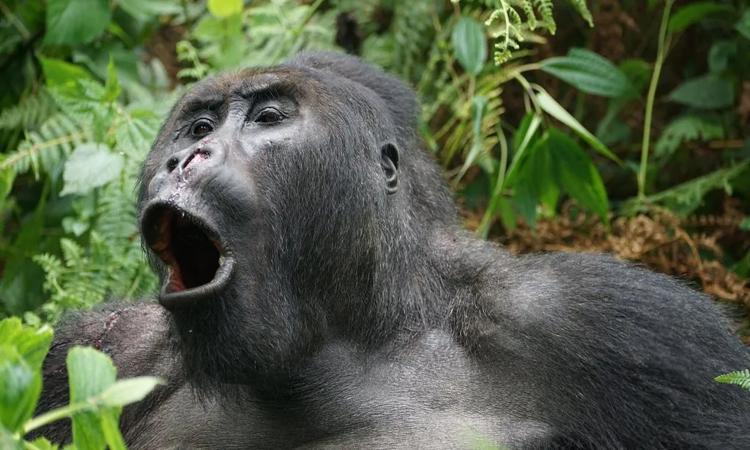
Gorilla Species & Communication Differences
Gorillas comprise two species—eastern (Gorilla beringei) and western (Gorilla gorilla)—each with subspecies exhibiting subtle differences in gorilla communication sounds and behaviors, shaped by habitat and social structures.
Eastern gorillas, including mountain (Gorilla beringei beringei) and eastern lowland (Grauer’s, Gorilla beringei graueri), inhabit higher-altitude forests with denser vegetation, leading to more frequent close-range vocalizations like grunts for coordination.
Mountain gorillas, found in Rwanda’s Volcanoes and Uganda’s Bwindi, use belch vocalizations more prominently during foraging in bamboo-rich areas, fostering group unity in multi-male troops where up to 8 silverbacks may coexist.
Western gorillas, such as western lowland (Gorilla gorilla gorilla) and Cross River (Gorilla gorilla diehli), roam lowland swamps and forests with sparser groups (3-11 members), relying on louder, far-carrying sounds like hoots for inter-group signaling amid greater isolation.
Studies, including a 2012 comparison of audible communication between western lowland and Virunga mountain gorillas, reveal western subspecies produce more varied alarm calls due to higher predation risks from leopards, while mountain gorillas emphasize submissive whines in hierarchical interactions.
Gestural differences also exist: western lowland gorillas display “accents” in gestures, adapting forms based on group location, per a 2024 Scientific Reports study, reflecting cultural variations.
These differences highlight evolutionary adaptations—mountain gorillas‘ stable hierarchies favor nuanced vocals for mediation, whereas western gorillas’ fluid structures prioritize threat detection.
For travelers on our Rwanda gorilla tours, mountain gorilla sounds feel more “conversational,” while Congo expeditions might reveal western lowland’s emphatic roars. Understanding these aids in interpreting behaviors during treks, ensuring respectful observations.
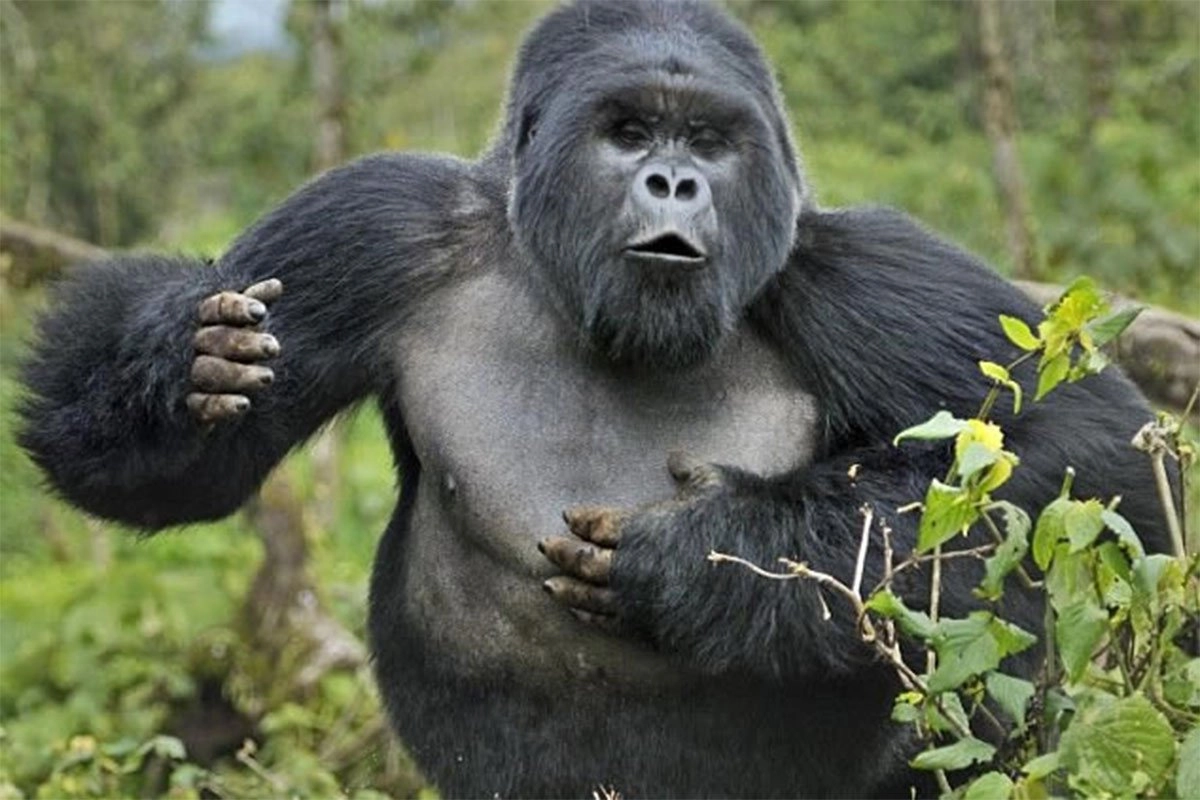
The 25+ Gorilla Vocalizations Explained
Gorillas employ over 25 gorilla vocalizations, categorized by function, to navigate their social world. Below, we explain key ones with meanings, drawing from Dian Fossey’s classifications and modern research, using a numbered list for clarity:
- Belch Vocalization: A low, rumbling “burp” signaling contentment and group cohesion; often heard during rest or feeding, lasting 2-5 seconds.
- Grunt: Short, throaty “uh-uh” for positive affirmation, like food excitement; variations indicate location sharing.
- Grumble: Extended grunt with tonal shifts, expressing mild interest or mating desire.
- Hum or Sing: Melodic, group-wide vocal during preferred food finds, promoting bonding.
- Pig Grunt: Nasal, pig-like snort for minimal disturbance coordination, like during travel.
- Hoot Bark: Sharp, hooting call for inter-group alerts or mild alarms.
- Question Bark: Inquisitive “woof” probing unknown sounds.
- Hiccup Bark: Rapid, hiccup-like series signaling curiosity or mild threat.
- Roar: Deep, aggressive bellow for dominance displays or charges.
- Growl: Low, rumbling threat to subordinates or rivals.
- Pant Series: Breathless pants during aggression or play escalation.
- Scream: High-pitched fear response to sudden dangers.
- Wraagh (Alarm Bark): Explosive bark warning of predators.
- Cry: Infant distress call, whimper-like, summoning mothers.
- Whine: Pleading sound for submission or food begging.
- Chuckle (Laughter): Playful, giggling during wrestling.
- Purr: Contented rumble like a cat, during grooming.
- Hoot: Long-distance call for group location or mating.
- Bark: General alarm or discomfort signal.
- Raging Bark: Intense version for high-threat scenarios.
- Copulatory Pant: Breathless sounds during mating.
- Huff: Exhaled breath expressing annoyance.
- Blow: Forceful air expulsion, novel in captives for emphasis.
- Silence: Intentional quiet indicating caution.
- Chest Beat Sound: Acoustic from beating, signaling strength (non-vocal but sound-producing).
- Copulatory Grunt: Post-mating affirmation.
These gorilla vocalizations vary by context, with silverbacks using lower pitches for authority. On safaris, hearing them immerses you in their world.
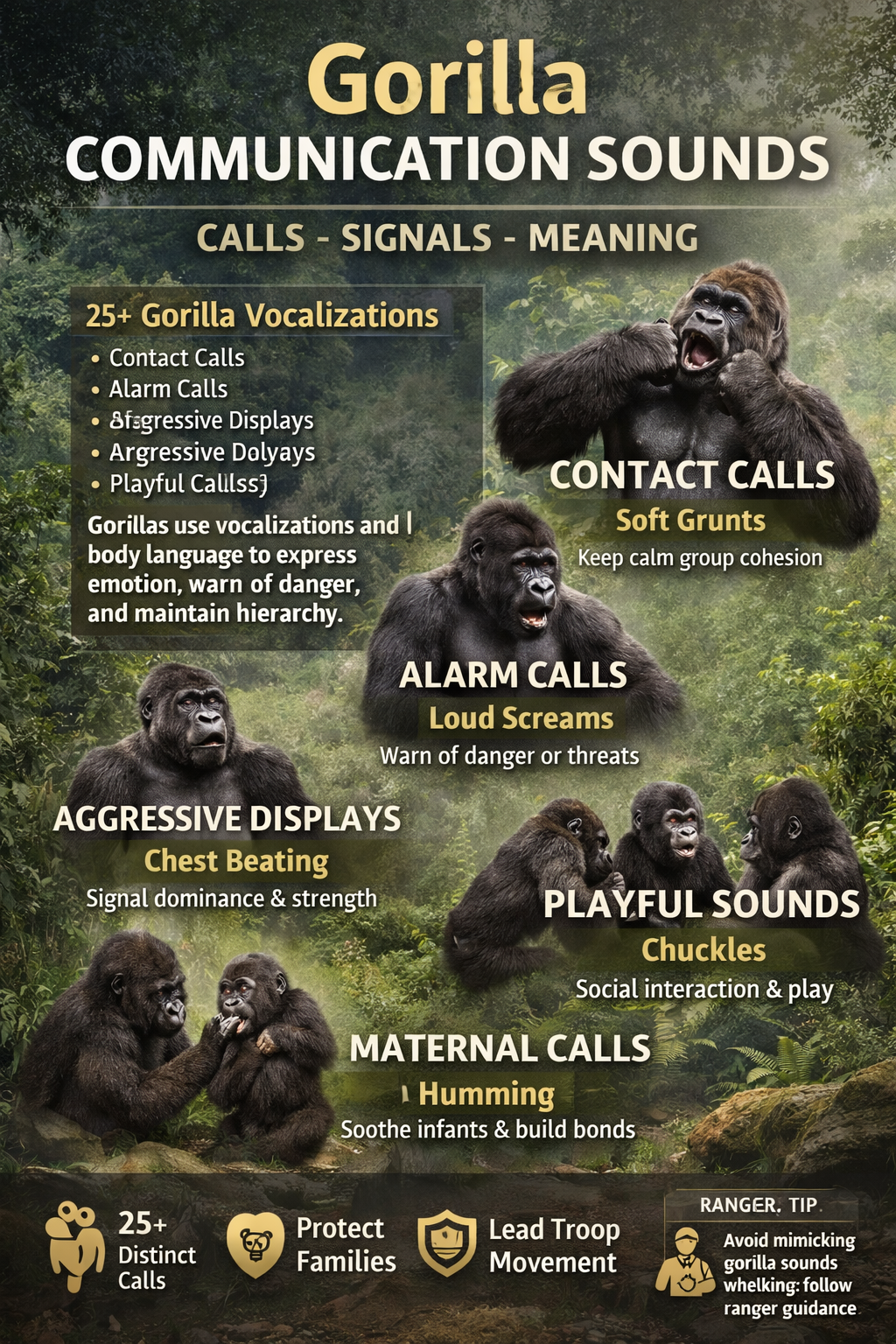
Silverback Gorilla Communication Signals
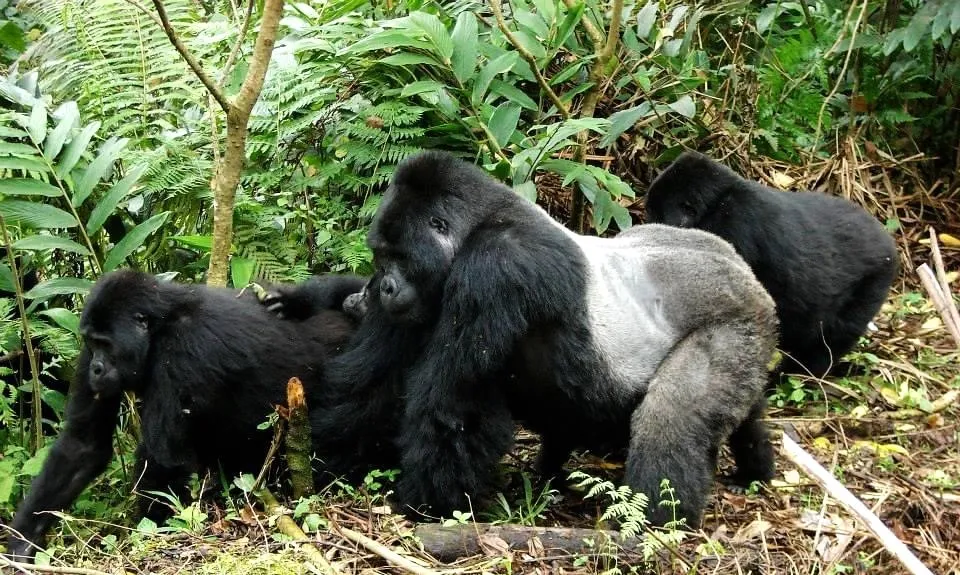
Silverback gorilla communication revolves around authoritative signals maintaining order. As troop leaders, silverbacks use deep roars and growls to assert dominance, often paired with charges.
Their chest beats produce resonant pops, deterring rivals without contact. In multi-male groups, subtle grunts mediate alliances.
Gorilla Body Language & Non-Vocal Communication
Beyond sounds, gorilla body language includes gestures like arm slaps for play or stiff postures for threats. Facial expressions—bared teeth for aggression, play faces for fun—complement vocals. In treks, observing averted gazes signals respect.
How Gorilla Sounds Maintain Hierarchy
Gorilla communication sounds reinforce hierarchy: silverbacks’ roars enforce ranks, while subordinates’ whines show submission. Belches during grooming strengthen bonds, reducing conflicts.
What Tourists Hear During Gorilla Trekking
During gorilla trekking, expect belches and grunts signaling calm. Alarms like barks mean maintain distance. Our guides interpret these for safe encounters.
Evolutionary Roots of Gorilla Communication
Gorilla communication evolved from gestural origins 8-10 million years ago, with vocals as supplements. Shared with humans, gestures like baby talk hint at language precursors.
Can Gorillas Understand Human Sounds?
Gorillas can distinguish human voices, associating them with positive/negative experiences per UGA studies. Captives like Koko understood 2,000+ spoken words, but wild ones respond to tones.
Threats to Gorilla Communication Systems
Human encroachment disrupts gorilla communication: noise pollution masks sounds, habitat loss fragments groups, altering signals. Poaching and disease further destabilize hierarchies.
Gorilla Communication with Humans
Gorilla communication with humans is limited but observable, especially during regulated gorilla trekking experiences in Central and East Africa. Wild gorillas do not understand human language, but habituated groups can recognize tone, body posture, and familiar ranger voices.
They respond more to non-verbal cues than spoken words. Calm movements, lowered gaze, and quiet behavior signal that humans are not a threat.
Sudden gestures or loud sounds may trigger alert calls or defensive displays. Research shows gorillas rely on emotional tone and body language rather than vocabulary. Responsible tourism guidelines protect this delicate interaction and help maintain natural gorilla behavior in the wild.
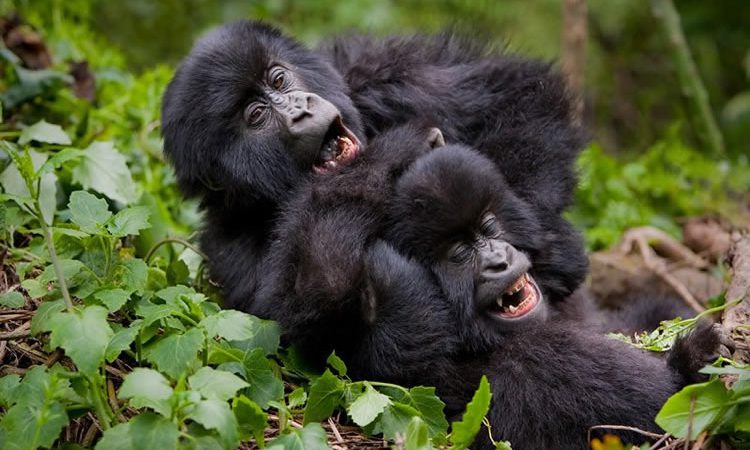
What Noise Does a Gorilla Make?
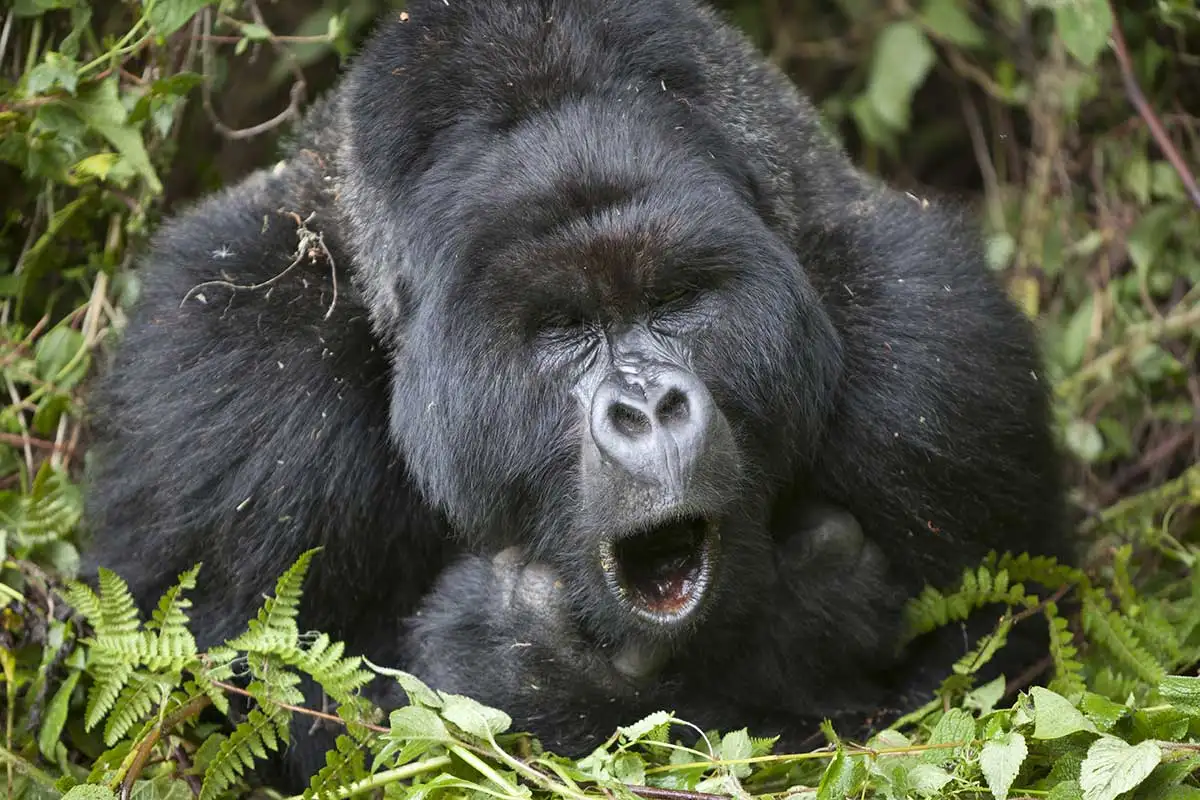
Gorillas make a wide range of vocal sounds used for communication, warning, bonding, and dominance. The most common gorilla noises include soft grunts and hums during feeding, which signal calm and group cohesion. When alarmed, gorillas produce sharp barks, loud screams, or deep roars to warn others of danger.
A dominant silverback may perform chest beating, often combined with powerful hoots, to display strength and authority. Young gorillas make playful chuckles and squeals, while infants use whines and distress cries to call their mothers. In total, scientists have identified 25+ distinct gorilla vocalizations in the wild.
FAQs About Gorilla Communication Sounds
What are the main gorilla communication sounds?
Over 22 vocalizations, including grunts and roars.
How many gorilla vocalizations are there?
At least 25+.
Do silverbacks have unique sounds?
Yes, deeper roars.
What sounds do gorillas make during trekking?
Belches, grunts.
How do gorillas use body language?
Gestures complement vocals.
Are there species differences?
Yes, western use louder calls.
What’s the evolutionary root?
Gestural, like human language.
Can gorillas understand humans?
They recognize voices.
How do sounds maintain hierarchy?
Through dominance/submission cues.
Why study gorilla sounds?
Aids conservation.
Why Understanding Gorilla Communication Matters for Conservation
Comprehending gorilla communication sounds informs eco-tourism, reducing disturbances and supporting protections that preserve social structures.
Ready to hear gorilla communication sounds firsthand? Book your gorilla permit through GoSilverback Safaris—expert guides, sustainable treks, and tailored packages for travelers from the USA, UK, Europe, Canada, Asia, and the Middle East. Contact us today!