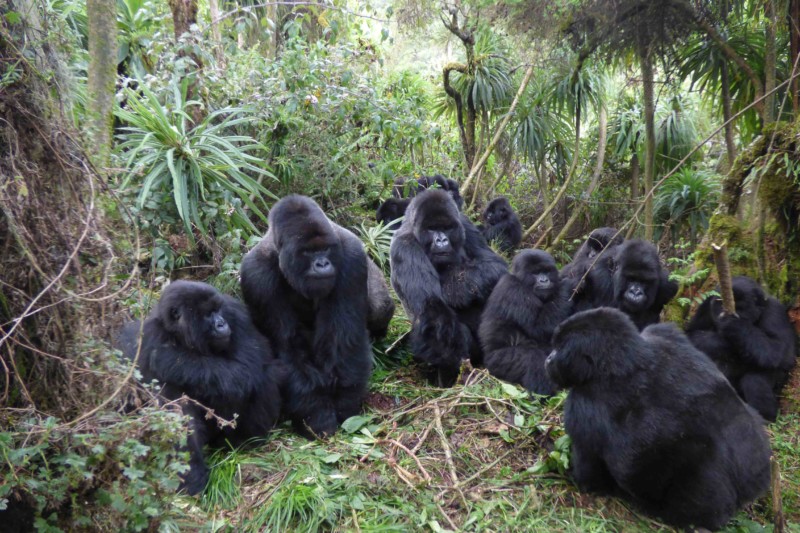
Why Silverbacks Lead Gorilla Families: Power, Protection, and Survival Explained 2026
Silverbacks lead gorilla families because they provide protection, stability, and reproductive leadership. As the dominant adult male, a silverback defends the troop from threats such as rival males, leopards, and human disturbance.
His presence reduces conflict, prevents infanticide, and maintains group cohesion. Stable silverback-led troops show significantly higher infant survival rates.
Beyond defense, he makes daily decisions about feeding routes, nesting sites, and movement patterns. Females choose strong, experienced silverbacks because leadership directly impacts offspring survival.
In short, silverbacks lead gorilla families because their strength, experience, and authority ensure safety, unity, and long-term population survival.
As expert African safari tour operators at GoSilverback Safaris, we’ve guided countless local and international travelers from the USA, UK, Europe, Canada, Asia, and the Middle East through the misty highlands of Rwanda’s Volcanoes National Park and Uganda’s Bwindi Impenetrable Forest.
Here, the raw power of silverback gorillas unfolds in real time—commanding family troops with a presence that echoes ancient leadership.
But why do silverbacks lead families? This question drives our in-depth exploration, blending conservation insights with primate sociology to reveal the evolutionary, physical, and social forces at play.
Understanding silverback gorilla leadership not only enriches your safari experience but highlights the urgent need for gorilla conservation amid habitat threats.
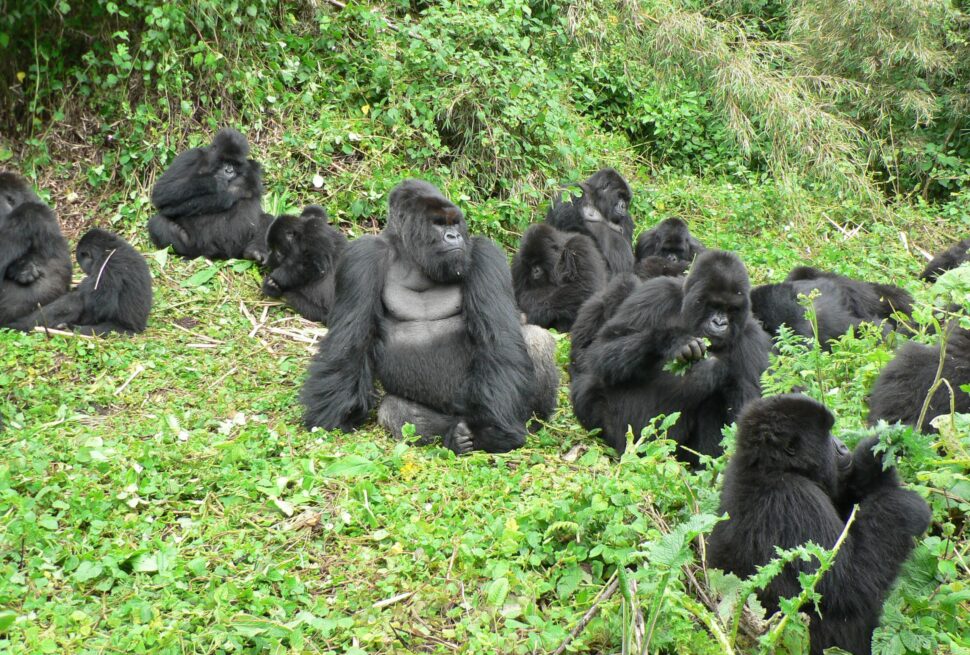
In Rwanda’s misty Volcanoes National Park, a 400-pound silverback charges through dense bamboo thickets, chest-beating echoes across the slopes as his family—females, juveniles, and infants—clusters behind him in perfect synchrony.
This dramatic scene captures the essence of gorilla society: a dominant male, known as the silverback, commands unwavering authority.
But why does this single individual dictate the movements, safety, and daily rhythm of an entire troop? The answer lies in a finely tuned combination of evolutionary pressures, physical superiority, social intelligence, and ecological necessities that have shaped gorilla leadership over millions of years.
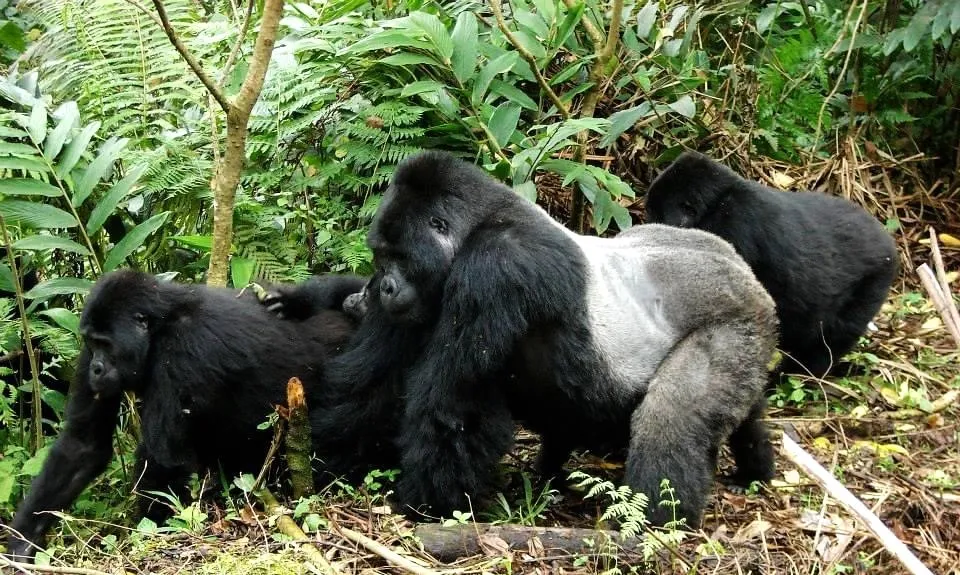
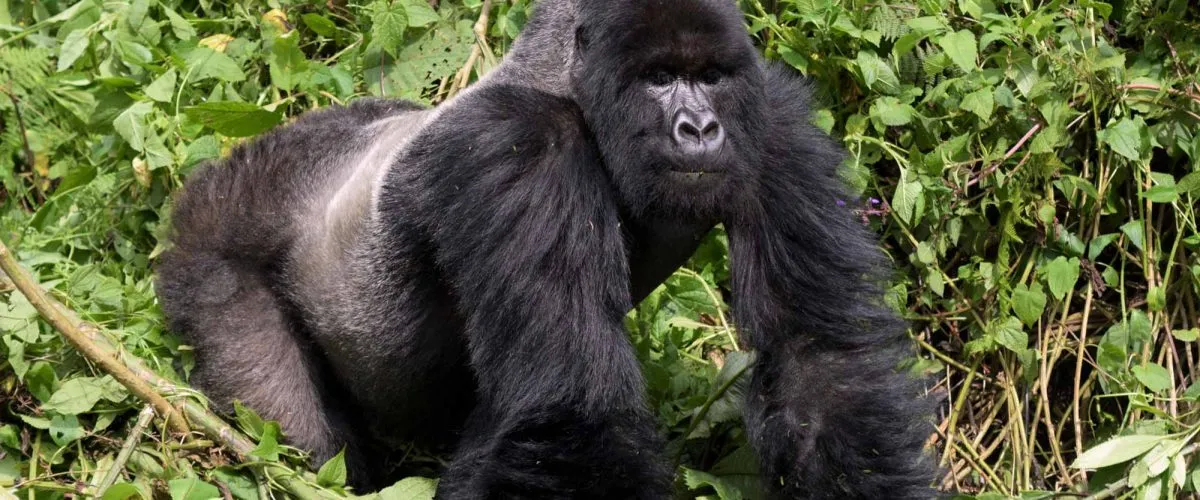
A silverback is a mature adult male gorilla, typically reaching this status between 12 and 15 years of age. The name derives from the distinctive swath of silver-gray hair that develops across the back and hips as males mature, signaling reproductive readiness and social dominance.
Physically, silverbacks are imposing: adult males stand 5.5 to 6 feet tall when upright, weigh 300 to 440 pounds (with mountain gorillas often at the higher end), and possess an arm span up to 8.5 feet, along with massive canines and powerful musculature.
This transformation from blackback (younger males aged 8–12) to silverback marks not just physical change but the assumption of leadership over a family group, or troop, usually consisting of 5 to 30 members (though record groups have reached 65).
Silverbacks lead gorilla families primarily due to evolutionary, physical, social, and ecological factors. Evolutionarily, polygynous mating systems favor males who can protect offspring and secure breeding rights, reducing infanticide risks from rival males.
Physically, their size and strength enable effective defense against predators like leopards or intruding silverbacks, while displays conserve energy compared to constant fighting.
Socially, silverbacks mediate conflicts, guide foraging, and foster bonds that maintain group cohesion—often through nurturing behaviors like grooming infants or playing with juveniles.
Ecologically, leadership ensures efficient resource use in variable habitats, from bamboo-rich mountain forests to fruit-scarce lowlands.
Real-world examples illustrate this leadership in action. Cantsbee, a legendary mountain gorilla monitored by the Dian Fossey Gorilla Fund, led the Pablo group for over 22 years—the longest recorded tenure—growing it to a record 65 members and siring at least 28 offspring.
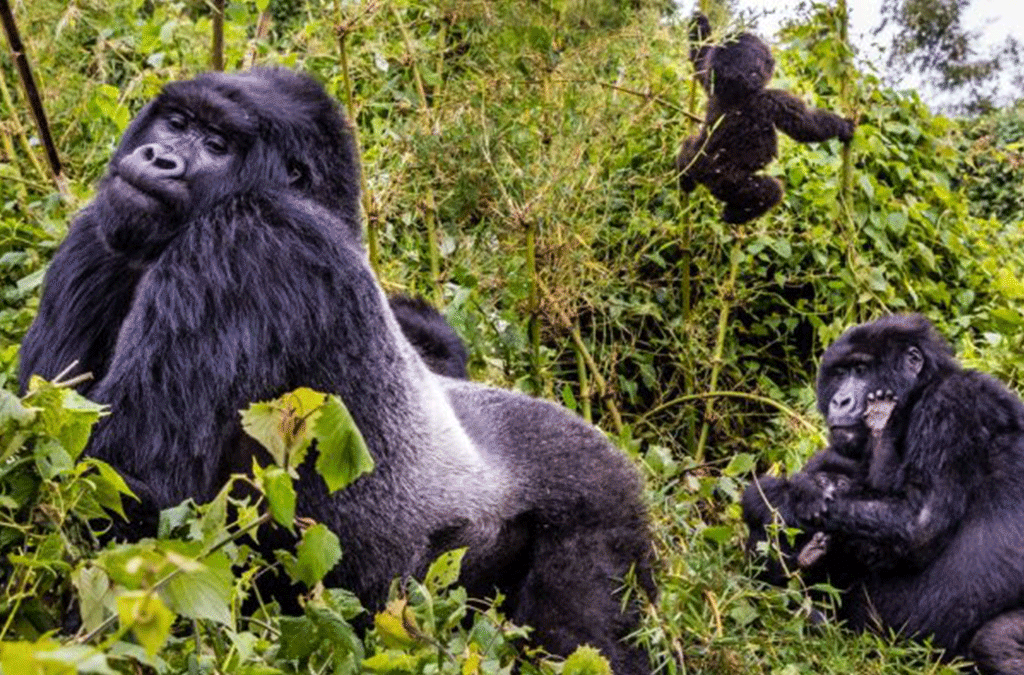
Known for authoritative yet peaceful rule, he rarely initiated fights but swiftly protected his family, demonstrating how calm confidence sustains large, stable troops.
Similarly, Titus, another Fossey Fund icon, overcame an orphaned childhood to lead with exceptional gentleness for nearly two decades until his death in 2009. His tolerant style attracted loyal females and minimized conflict, allowing his group to thrive amid challenges.
These cases highlight striking parallels to human leadership: strength combined with emotional intelligence, protection balanced by mediation, and legacy secured through bonds rather than force alone.
As we explore gorilla family dynamics, this article delves deeper into the evolutionary origins of silverback dominance, their physical advantages, protective roles, breeding imperatives, social mediation skills, interactions with females and offspring, challenges to power, and broader conservation implications.
Table of Contents
- Evolutionary Origins of Silverback Leadership
- Physical Advantages: Why Strength Makes Leaders
- Protection and Defense: The Guardian Role
- Breeding and Reproduction: Ensuring Legacy
- Social Mediation and Decision-Making
- Female and Offspring Dynamics in Leadership
- Challenges to Silverback Leadership
- Human Parallels and Conservation Insights
- Conclusion + Key Takeaways
- FAQ: Why Silverbacks Lead Gorilla Families
Evolutionary Origins of Silverback Leadership
The leadership role of silverbacks in gorilla families traces its roots deep into primate evolutionary history, shaped by millions of years of natural selection favoring traits that maximize reproductive success in polygynous systems.
Gorillas diverged from the lineage leading to chimpanzees, bonobos, and humans approximately 8–10 million years ago during the late Miocene, a period marked by environmental shifts including the contraction of tropical forests.
This split positioned gorillas as one of the great apes, with social structures adapted to their herbivorous, terrestrial lifestyle in forested habitats across Central Africa.
Gorillas exhibit a polygynous mating system, where a dominant male (the silverback) monopolizes breeding access to multiple females within a stable group.
This contrasts with the promiscuous, fission-fusion societies of chimpanzees or the female-centered, egalitarian dynamics of bonobos.
In chimpanzees, social structures are more fluid, with coalitions of males competing for dominance and females dispersing widely, leading to higher aggression and less stable family units.
Bonobos, by contrast, show female-led hierarchies with reduced male aggression, where bonds among females maintain group cohesion and males hold lower status.
Gorillas’ one-male (or occasionally multi-male) family groups represent an evolutionary strategy optimized for resource distribution and offspring protection in environments where food is abundant but predation and infanticide risks persist.
Natural selection strongly favors silverback leadership because it directly enhances gene survival. In polygynous primates, males face intense competition for mates, and the risk of infanticide—where invading males kill unrelated infants to bring females back into estrus—is a major selective pressure.
Studies show infanticide accounts for a significant portion of infant mortality in gorillas when groups destabilize, such as after the dominant silverback’s death or during takeovers.
A stable silverback’s presence dramatically reduces this risk: infants in well-protected groups have higher survival rates, as the leader aggressively defends against intruders.
This protection extends to predators like leopards, where the silverback’s vigilance and displays deter attacks. By ensuring offspring reach maturity, silverbacks propagate their genes more effectively than non-dominant males, driving selection for traits like large body size, strength, and behavioral dominance.
Key evolutionary adaptations reinforce this system. Larger males win confrontations more often, securing leadership and breeding rights.
Long dominance tenures—sometimes exceeding 20 years—allow silverbacks to sire multiple offspring across generations, amplifying fitness benefits.
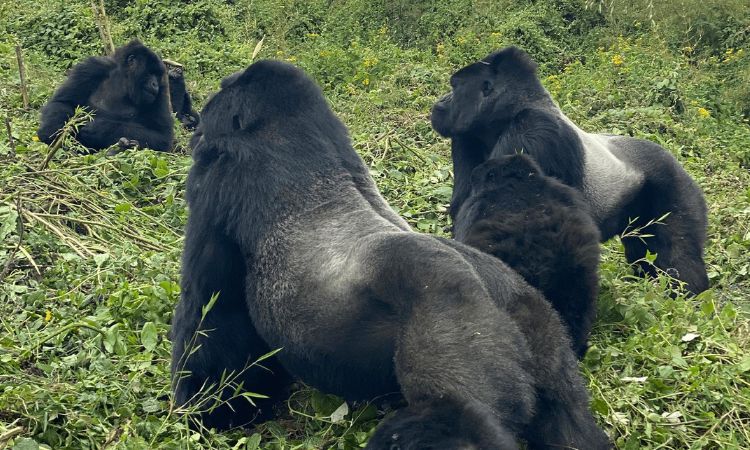
Female choice plays a role too: dispersing females preferentially join groups with strong, protective silverbacks, avoiding infanticide and securing better survival for future young. This creates a feedback loop where leadership correlates with reproductive success.
A landmark study by Robbins and Robbins (2018) in Evolutionary Anthropology examines variation in gorilla social organization, highlighting how ecological constraints, life history patterns, and infanticide risk explain differences between one-male and multi-male groups across subspecies.
While western gorillas are predominantly one-male due to female dispersal and resource distribution, mountain gorillas show higher multi-male proportions (up to 40%), linked to male philopatry and cooperative defense.
These patterns underscore that silverback dominance is not rigid but adaptive, evolving to balance competition and cooperation.
The following table summarizes key evolutionary traits favoring silverback dominance:
| Trait | Description | Selective Advantage |
|---|---|---|
| Large Body Size | Males reach 300–440 lbs, towering over females | Wins physical contests; deters rivals and predators |
| Polygynous Mating | One dominant male breeds with multiple females | Maximizes offspring per male; high reproductive skew |
| Infanticide Risk Reduction | Stable leadership lowers infant mortality from rivals | Higher offspring survival; females prefer protective males |
| Long Dominance Tenure | Leaders maintain control 10–20+ years | More siring opportunities across generations |
| Sexual Dimorphism | Pronounced size difference (males 1.5–2× female weight) | Signals maturity and fighting ability |
Physical Advantages: Why Strength Makes Leaders
The physical prowess of silverbacks forms the cornerstone of their leadership in gorilla families, providing an undeniable evolutionary edge in a world where dominance is often decided by raw power and intimidation rather than constant combat.
Adult male gorillas, particularly mountain gorillas, are the largest living primates, with mature silverbacks standing up to 6 feet (1.8 m) tall when upright, weighing between 300 and 440 pounds (136–200 kg) on average, and reaching extremes of over 480 pounds in exceptional wild cases.
Their arm span can extend to 8.5 feet (2.6 m), equipped with immense muscular mass across the chest, shoulders, and arms. Their canines grow to about 2 inches (5 cm) long—sharp, dagger-like tools used in threat displays or rare fights—combined with a bite force capable of crushing vegetation or deterring rivals.
This extreme sexual dimorphism—males often twice the size and weight of females—evolved precisely because larger body size correlates strongly with winning confrontations, securing leadership, and gaining reproductive access.
One of the most iconic physical displays is chest-beating, a rhythmic pounding on the inflated chest that produces a deep, resonant sound audible over 1 km through dense forest.
Far from mere bravado, chest-beats serve as an honest signal of body size and condition, with larger males emitting lower-frequency beats that reliably advertise greater mass and fighting ability.
Research published in Scientific Reports (2021) confirmed that peak frequency of chest-beats inversely correlates with body size—the bigger the silverback, the deeper and more intimidating the sound—allowing rivals to assess threats from afar without engaging in costly fights.
This energy-conserving strategy is crucial in gorilla ecology: actual physical battles are rare and risky, often resulting in severe injury or death.
By bluffing less and signaling honestly, silverbacks minimize energy expenditure while maximizing deterrence, preserving strength for essential tasks like foraging (up to 75 pounds of vegetation daily) and protection.
The silver hair itself is a powerful health and maturity marker. Developing around 12–15 years of age, this distinctive saddle across the back and hips results from hormonal shifts, particularly peaks in testosterone, which drive secondary sexual characteristics and aggressive behaviors.
The silvering acts as a visual badge of full maturity and peak condition—females and subordinate males recognize it as a sign of a capable leader, while rivals understand it signals a battle-hardened male unlikely to yield easily. Testosterone surges reinforce dominance, correlating with higher mating success and social rank in multi-male groups.
Real cases vividly demonstrate how physical advantages translate to leadership. Cantsbee, one of the most legendary silverbacks documented by the Dian Fossey Gorilla Fund, led the Pablo group for over 22 years—the longest recorded tenure—growing it to a record 65 members and siring at least 28 offspring.
His imposing size and authoritative presence allowed him to maintain control with minimal aggression; he rarely initiated fights but responded decisively when needed, using his physical stature to deter challengers and expand the group through female attraction. Cantsbee’s success underscores how sheer physicality, combined with strategic displays, sustains long-term rule.
Data from the Dian Fossey Gorilla Fund and long-term monitoring reinforce this evolutionary edge: larger males achieve higher dominance ranks and enjoy greater reproductive success, winning the vast majority of takeovers and maintaining leadership longer.
In multi-male groups, size often determines queuing order for eventual dominance, as bigger silverbacks outcompete smaller ones in subtle displacements or outright challenges.
These physical traits—size, displays, hormonal signals—create a self-reinforcing system where strength not only wins power but sustains it, ensuring silverbacks remain the unchallenged heart of gorilla family hierarchy.
Protection and Defense: The Guardian Role
At the core of why silverbacks lead gorilla families lies their indispensable role as guardians—vigilant protectors whose presence dramatically improves the survival odds of every group member, especially vulnerable infants.
In the wild forests of Central Africa, silverbacks face a constant array of threats that demand unwavering alertness and decisive action.
Primary natural predators include leopards, stealthy ambush hunters capable of targeting juveniles or even adult females when the silverback is absent or distracted.
Although leopards rarely succeed against a healthy, alert silverback, documented cases show that groups without a dominant male suffer significantly higher predation rates.
Human encroachment represents an escalating modern threat: habitat fragmentation from agriculture, illegal logging, and poaching in regions like the Virunga Massif and Bwindi Impenetrable Forest forces gorillas into closer contact with people, increasing risks of snares, disease transmission, and retaliatory killing after crop raiding.
The most persistent and lethal danger, however, comes from rival silverbacks. In gorilla society, males disperse at maturity and often attempt to take over existing groups by challenging or killing the resident leader.
If successful, the new silverback frequently commits infanticide, killing dependent infants sired by the previous male to bring females back into estrus sooner and sire his own offspring.
This behavior, while brutal, is a well-documented reproductive strategy in many polygynous mammals. Long-term studies by the Dian Fossey Gorilla Fund International reveal that infanticide accounts for a substantial portion of infant mortality when leadership changes abruptly.
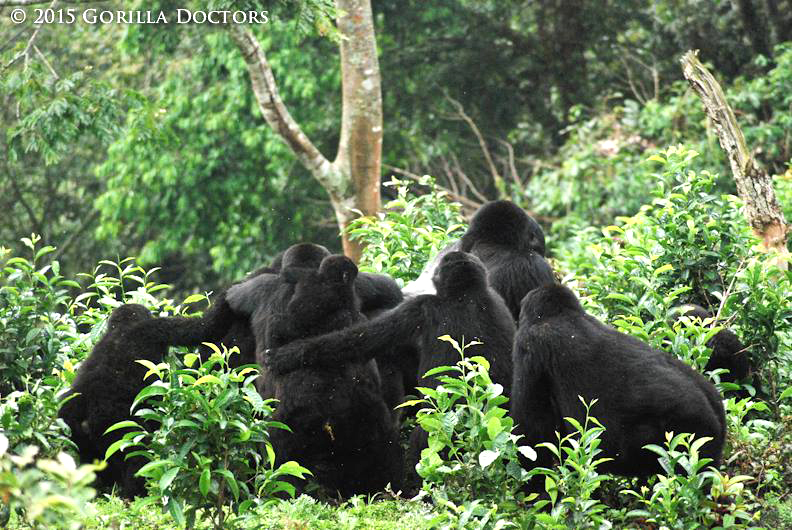
In stable, silverback-led troops, however, the risk drops sharply—estimates indicate infant mortality from infanticide can be reduced by approximately 50% or more when a strong, resident silverback maintains control.
The guardian’s mere presence acts as a powerful deterrent: rivals assess the defending male’s size, vigor, and group cohesion before risking a costly fight. Silverbacks employ a sophisticated suite of defensive tactics honed by evolution to protect without unnecessary energy expenditure.
Vigilance is constant—the leader frequently scans the surroundings, stands bipedally to gain better views over vegetation, and positions himself at the rear or periphery of the group during travel.
When a threat is detected, silverbacks issue low grunts or alarm calls to rally the family, then escalate to dramatic displays: rapid charges covering ground at speeds up to 25 mph (40 km/h) over short distances, ground-slapping, branch-breaking, and full chest-beating sequences.
These bluff charges rarely culminate in contact; most intruders retreat upon witnessing the intensity. In extreme cases, actual fights occur—biting, grappling, and canine slashing—often leaving both combatants scarred or mortally wounded.
By prioritizing displays over combat, silverbacks conserve energy for daily demands while still achieving high deterrence success.
In multi-male mountain gorilla groups, which can include 2–8 silverbacks, defense becomes a cooperative effort. Subordinate silverbacks and blackbacks (younger males) act as auxiliary guards, patrolling the group’s perimeter, responding to alarms, and assisting in charges against intruders.
This shared responsibility lowers the physical burden on the dominant silverback and further reduces infanticide risk, as multiple capable defenders make takeovers far more dangerous.
Research in Volcanoes National Park shows that multi-male groups experience fewer successful challenges and higher infant survival compared to one-male units when the dominant is aging or absent.
Real-world examples from the Virunga region illustrate the sacrificial dimension of this guardian role. In several documented incidents, silverbacks have been fatally wounded while defending their families against poachers or rival males.
One poignant case involved a silverback in the Sabinyio group who sustained severe injuries from gunshots while shielding his troop during a poaching attempt in the 1990s; despite his wounds, he continued to lead until succumbing days later, allowing the group to escape.
Another well-known instance occurred in the 2007–2008 period when several habituated silverbacks in Mikeno sector were killed or injured confronting armed militias encroaching on park boundaries—acts of defense that bought time for females and infants to flee to safer zones.
These sacrifices underscore that silverback leadership is not merely about dominance but about selfless protection, ensuring the continuity of the family unit.
Through constant vigilance, intimidating displays, cooperative defense in multi-male troops, and, when necessary, putting their own lives at risk, silverbacks fulfill the guardian role that evolution has made central to their leadership.
This protective imperative not only safeguards the group’s immediate survival but directly enhances the silverback’s reproductive success by preserving his offspring and attracting loyal females—reinforcing why strength and courage remain essential qualifications for leading gorilla families.
Breeding and Reproduction: Ensuring Legacy
Silverback leadership in gorilla families extends profoundly into breeding and reproduction, where their dominance secures genetic legacy through exclusive mating rights and strategic protection of offspring.
In polygynous gorilla societies, the dominant silverback typically holds primary or exclusive access to adult females in his troop, a system that maximizes his reproductive output while minimizing competition.
This role begins with courtship, where silverbacks use subtle signals like prolonged eye contact, grooming, and protective behaviors to attract and retain females.
Females, reaching sexual maturity at 10–12 years, often transfer between groups to join stronger leaders, avoiding inbreeding and seeking better protection for future young.
In single-male groups, common among western lowland gorillas, the silverback sires nearly all offspring, with DNA studies confirming paternity rates of 85% or higher in stable troops.
Reproduction occurs year-round, with no fixed breeding season, allowing silverbacks to capitalize on female estrus cycles that last 1–2 days monthly.
Gestation lasts approximately 8.5 months, resulting in a single infant (twins are rare but documented across subspecies). The silverback’s involvement post-birth is crucial: he ensures infants are integrated into the group, protecting them from bullying by other members and providing a secure environment for maternal care.
Females nurse for 2–3 years, spacing births every 4–5 years to recover energy, which limits a silverback’s lifetime siring potential to 8–12 offspring on average, though legends like Cantsbee exceeded this with over 28. This spacing strategy enhances infant survival, as silverbacks defend against infanticide during vulnerable periods.
In multi-male mountain gorilla groups, breeding dynamics are more shared: the dominant silverback sires about 85% of offspring, while subordinates claim the rest through opportunistic matings or alliances.
This tolerance reduces group instability and aids defense, but the alpha maintains priority through displacements and displays. Female choice influences outcomes—loyal females prefer the dominant for his proven protection, fostering bonds via grooming and proximity that elevate their rank and offspring safety.
The silverback’s nurturing side bolsters reproduction: he plays with juveniles, carries orphans, and grooms infants, behaviors that strengthen family ties and teach social norms.
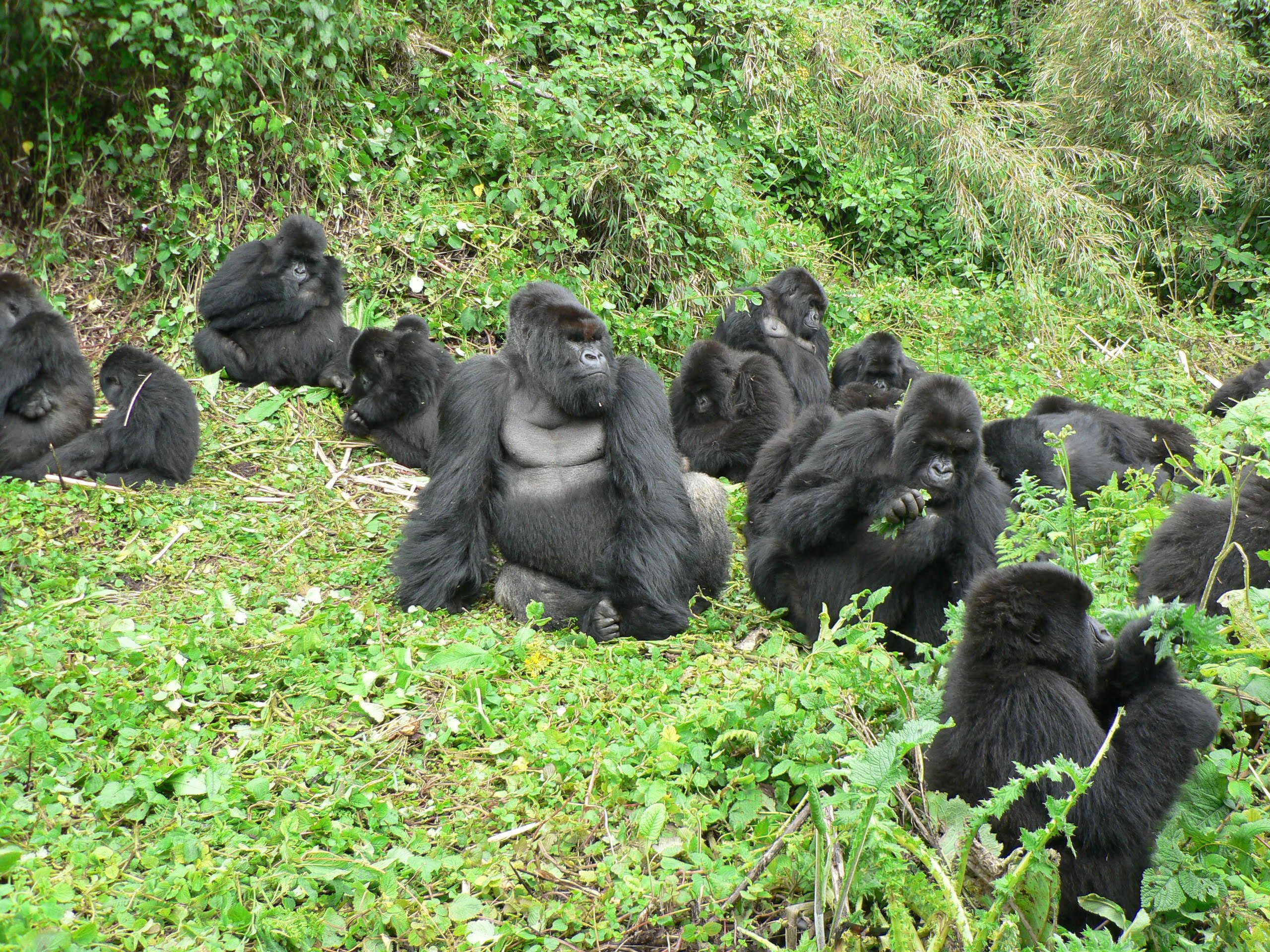
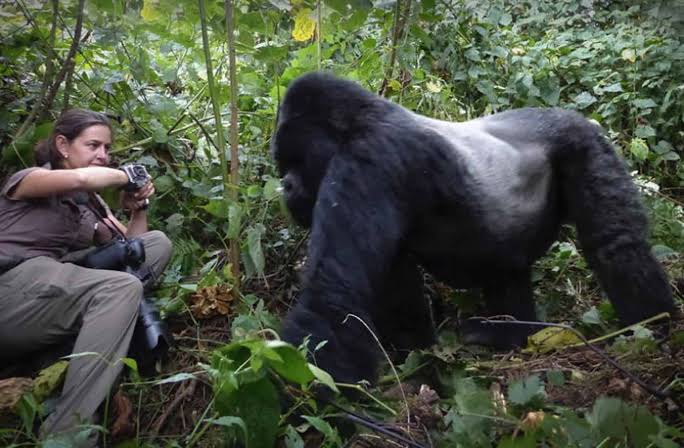
On safaris in Volcanoes National Park, travelers often witness these tender moments, like a silverback cradling a newborn during rest, highlighting parallels to human fatherhood.
Yet, challenges arise: aging silverbacks face declining fertility, prompting females to disperse, while takeovers by rivals trigger infanticide to reset estrus cycles. Conservation efforts, funded by gorilla permits, mitigate human threats like disease, ensuring reproductive success.
Through monopolizing mating, protecting progeny, and fostering bonds, silverbacks ensure their legacy, making breeding a pillar of leadership. For international visitors, observing this on a GoSilverback Safari reveals nature’s intricate balance, urging support for conservation to preserve these dynamics.
Social Mediation and Decision-Making
Silverbacks lead gorilla families through masterful social mediation and decision-making, roles that demand intelligence and empathy to maintain harmony in troops of 5–30 members.
As the central authority, the silverback orchestrates daily life, deciding foraging routes covering 0.5–2 miles daily, nesting sites for safety, and rest periods to conserve energy.
In Volcanoes National Park, guides often point out how silverbacks like Musilikale lead movements with low grunts, ensuring the group accesses bamboo or fruits efficiently amid varying elevations.
Mediation prevents escalation: silverbacks intervene in conflicts over food or space using stares, displacements, or mild charges, resolving 90% without violence.
This fosters cohesion, as seen in multi-male groups where dominants allow subordinates limited roles to avoid splits. Decision-making extends to consensus-building: recent studies show silverbacks incorporate group vocalizations before departures, blending unilateral direction with collective input.
High-ranking females influence subtly, but the silverback’s experience—gained over 10–20+ year tenures—guides optimal choices.
On Rwanda safaris, witnessing a silverback mediate play-fights among juveniles reveals human-like emotional intelligence, emphasizing conservation to protect these complex societies.
Female and Offspring Dynamics in Leadership
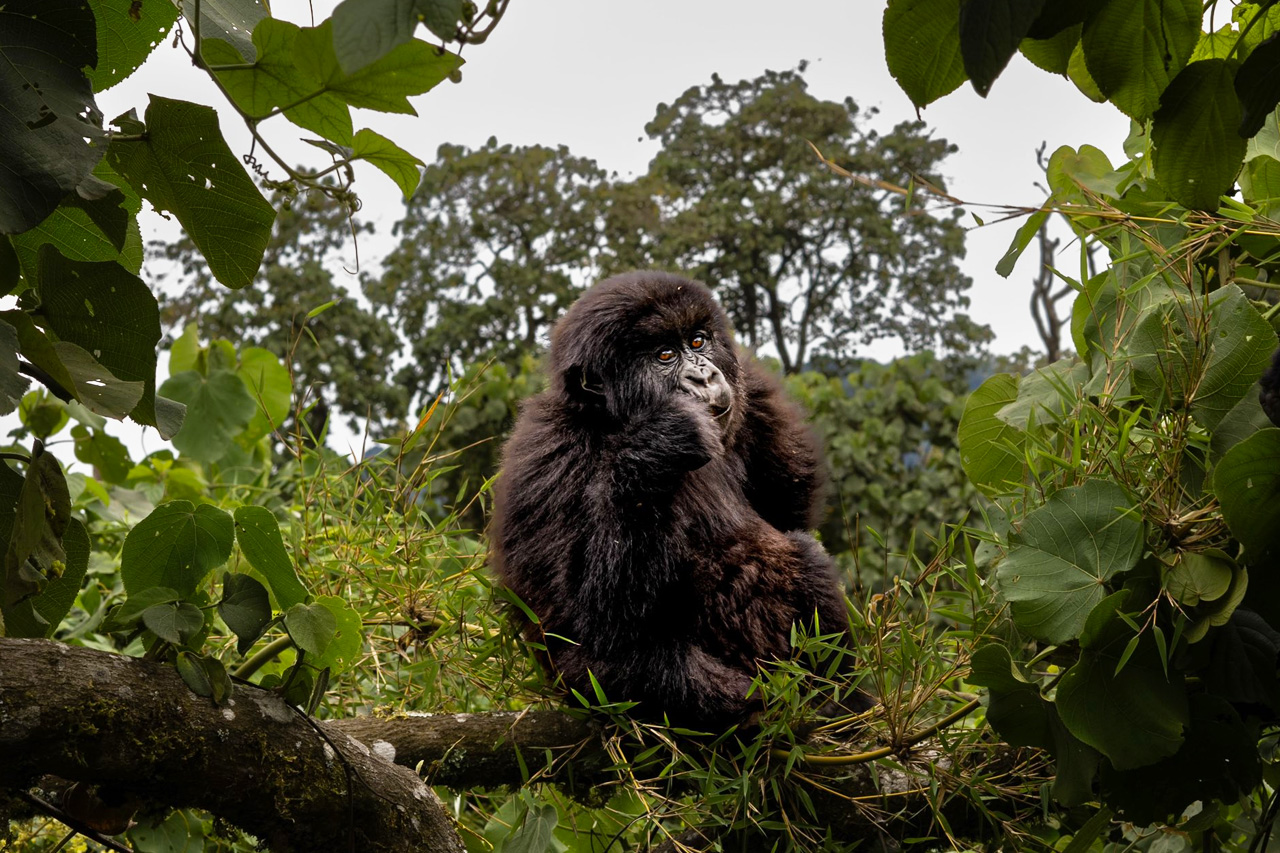
Female and offspring dynamics underpin silverback leadership, creating a supportive network that stabilizes gorilla families. Females, maturing at 10 years, form hierarchies based on age, tenure, and silverback proximity, with maternal lines fostering sub-groups.
In Bwindi, females groom and co-nest, reducing stress and aiding infant survival. They transfer groups (50% in mountains) to avoid inbreeding, preferring strong silverbacks for protection.
Offspring learn hierarchy from birth: infants (0–3 years) cling to mothers, observing ranks; juveniles (3–6) play-wrestle to practice. Silverbacks nurture by playing and carrying orphans, modeling leadership.
In multi-male troops, subordinates mentor blackbacks, preparing them for future roles. Females with young gain priority, their bonds with the silverback ensuring safety.
For travelers in Virunga, these dynamics—females clustering around silverbacks, offspring mimicking—mirror human families, highlighting conservation’s role in preserving them.
Challenges to Silverback Leadership
Silverbacks face multifaceted challenges to leadership, from internal rivalries to external threats, testing their dominance in gorilla families.
Aging (30+ years) brings physical decline: reduced testosterone weakens displays, inviting blackback challenges through displacements. In Virunga, subordinates like Masibo overthrew elders via persistent contests.
Dispersal pressures: 50% of males leave at maturity, forming bachelor groups or going solitary, risking isolation or fatal fights. Human impacts exacerbate: habitat loss (affecting 78% unprotected areas) forces closer encounters, increasing poaching and disease.
Poachers target silverbacks for bushmeat, disrupting groups.
Internal conflicts: multi-male troops see queuing for power, but rivalries split families. Conservation patrols mitigate, but silverbacks’ resilience—adapting via alliances—ensures survival, vital for safaris witnessing these dynamics.
Human Parallels and Conservation Insights
Silverback leadership mirrors human societies, with modular structures suggesting shared evolutionary roots for complex social bonds.
Like patriarchal figures, silverbacks protect and mediate, blending strength with empathy—parallels seen in step-brother-like male alliances. Their nurturing of offspring echoes human parenting, fostering emotional intelligence.
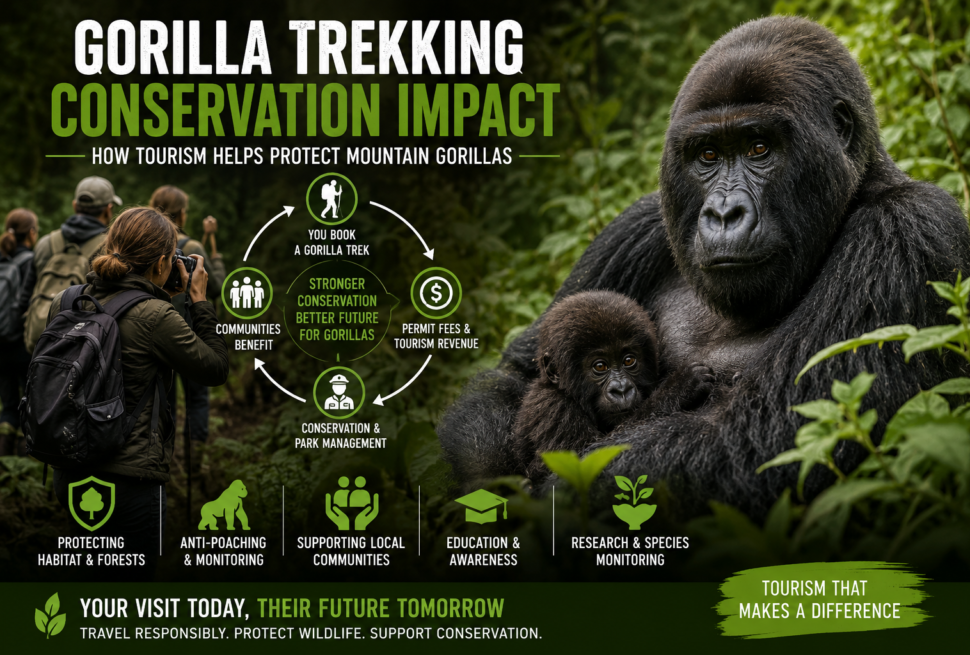
Conservation insights: habitat loss and poaching disrupt hierarchies, but tourism-funded patrols boost populations by 20%. In Rwanda, permit fees support communities, reducing threats. Protecting silverbacks preserves these human-like dynamics, urging global action.
Frequently Asked Question: Why Silverbacks Lead Gorilla Families
Why do silverbacks lead gorilla families?
Evolution favors their protection against infanticide and predators, securing reproductive success.
How long do silverbacks lead?
Up to 22 years, like Cantsbee.
What if a silverback dies?
Groups may split; females disperse to avoid infanticide.
Differences by subspecies?
Mountain: multi-male; Western: single-male.
Do females ever lead?
No, but they influence hierarchies and dispersal.
Evolutionary benefits?
Reduces infanticide by 50%; maximizes genes.
Protection examples?
Charges at 25 mph deter rivals.
Breeding role?
Exclusive mating; sires 85% offspring.
Human similarities?
Modular societies, empathetic leadership.
Conservation impact?
Threats disrupt leadership; permits fund protection.
Conclusion + Key Takeaways
Silverbacks lead gorilla families through evolutionary prowess, physical strength, protection, breeding legacy, mediation, and bonds—ensuring survival in challenging habitats.
Key takeaways: Polygynous systems favor dominant males; size deters threats; mediation maintains harmony; females/offspring dynamics stabilize groups.
Ready to witness why silverbacks lead families firsthand? Book your gorilla permit through GoSilverback Safaris today—expert guides, sustainable tours, and life-changing encounters await travelers from the USA, UK, Europe, Canada, Asia, and the Middle East. Contact us now!