Top Best Gorilla Trekking Tour Companies: Ultimate Guide 2026
Top Tour Companies For Gorilla Trekking are licensed, conservation-focused operators that secure official permits, provide expert guides, and ensure safe, seamless experiences in East Africa’s gorilla parks.
The best companies operate in and around Bwindi Impenetrable National Park, Volcanoes National Park, and Virunga National Park, where permits are limited to 8 visitors per gorilla family per day.
Reputable operators like GoSilverback Safaris and GorillaNestsSafaris specialize in guaranteed gorilla permit booking, professional English-speaking guides, 4×4 safari transport, and secure border coordination.
They prioritize traveler safety, transparent pricing, and direct conservation impact through regulated permit systems.
When choosing a gorilla trekking company, verify licensing, confirmed permits, strong reviews, and local park partnerships.
Top operators not only deliver unforgettable gorilla encounters but also support ranger patrols, anti-poaching programs, and community development—ensuring your once-in-a-lifetime experience contributes to the survival of mountain gorillas.
Gorilla trekking stands as one of the planet’s most profound wildlife encounters—a rare chance to observe endangered mountain gorillas in their misty, ancient forest habitats, often just meters away.
This experience, limited to a brief hour with the gorillas, feels truly once-in-a-lifetime: fewer than 1,100 mountain gorillas remain in the wild, making every sighting a privilege and a reminder of nature’s fragility.
Choosing the right tour operator is crucial.
A reputable company ensures reliable gorilla permit acquisition (which can sell out months ahead), experienced guides and trackers who prioritize safety and minimize disturbance, ethical practices aligned with conservation, comfortable logistics (transfers, accommodations, and backup plans), and strong support for unpredictable treks.
Poor operators risk permit failures, unsafe conditions, or negative impacts on the gorillas.
Safety remains paramount: treks involve rugged terrain, so operators provide health briefings, porters, and emergency protocols. All adhere to strict rules (no touching, 7-meter distance, masks if needed).
Permits fund vital conservation—directly supporting anti-poaching, habitat protection, and community benefits in Uganda, Rwanda, and DR Congo.
Here are some of the top tour companies for gorilla trekking in 2026, based on consistent high reviews, expertise in Uganda (Bwindi/Mgahinga) and Rwanda (Volcanoes NP), and focus on responsible tourism.
These stand out for reliability, customer feedback (e.g., TripAdvisor Travelers’ Choice), and permit handling.
1. Gorilla Trek Africa
(Rwanda-focused, with strong Volcanoes NP expertise) Highly rated (4.9/5 on TripAdvisor with hundreds of reviews and Travelers’ Choice awards). Over 10+ years of experience in day trips and multi-day treks, emphasizing memorable, ethical adventures.
2. GoSilverback Safaris
A global leader offering group and basix-style gorilla trekking tours in Uganda and Rwanda. Permits included, with strong emphasis on sustainable travel, safety, and combined safaris (e.g., gorillas + game parks). Well-regarded for value and responsible practices.
3. Jacada Travel
(Luxury specialist) Bespoke, high-end Rwanda gorilla safaris with personalized itineraries, top lodges, expert guides, and deep conservation ties. Ideal for those seeking premium experiences with seamless planning.
4. GorillaNestsSafaris (and similar aggregators like TourRadar partners) Frequently listed among top operators for gorilla trekking packages. Affordable to mid-range options across Uganda/Rwanda, with solid reviews for organization and ethical focus.
5. Insight Safari Holidays, Wild Whispers Africa, Kori Safaris, Tranquil Safaris
(Uganda/Rwanda specialists) Local East African operators praised for gorilla safaris, permit securing, and combining with wildlife/primates. Often highlighted in guides for reliability and value.
Other strong mentions include Amahoro Tours (eco-focused Rwanda), Nextgen Safaris (customized Uganda/Rwanda/DRC), and local outfits like Great Adventures Safaris or Engabi Tours for tailored, highly recommended trips.
Quick permit cost update for 2026 (essential for budgeting):
- Uganda: ~$800 per person (standard trek); $1,500 (habituation experience).
- Rwanda: ~$1,500 per person (often pricier but luxurious).
- Permits are allocated by authorities (UWA in Uganda, RDB in Rwanda) and best booked 6–12 months ahead via a trusted operator.
For the best fit, consider your budget (budget/mid-range vs. luxury), group size, and whether combining with safaris.
Research recent reviews and contact operators directly for 2026 availability—many offer sustainable options that give back to communities and gorilla protection.
This trek isn’t just travel; it’s a meaningful contribution to conserving these magnificent animals.
Why Choosing the Right Gorilla Trekking Company Matters
Selecting a reputable tour operator isn’t just about convenience—it’s essential for securing access to this rare experience, ensuring your personal safety in challenging terrain and remote areas, and supporting ethical conservation practices that protect the critically endangered mountain gorillas.
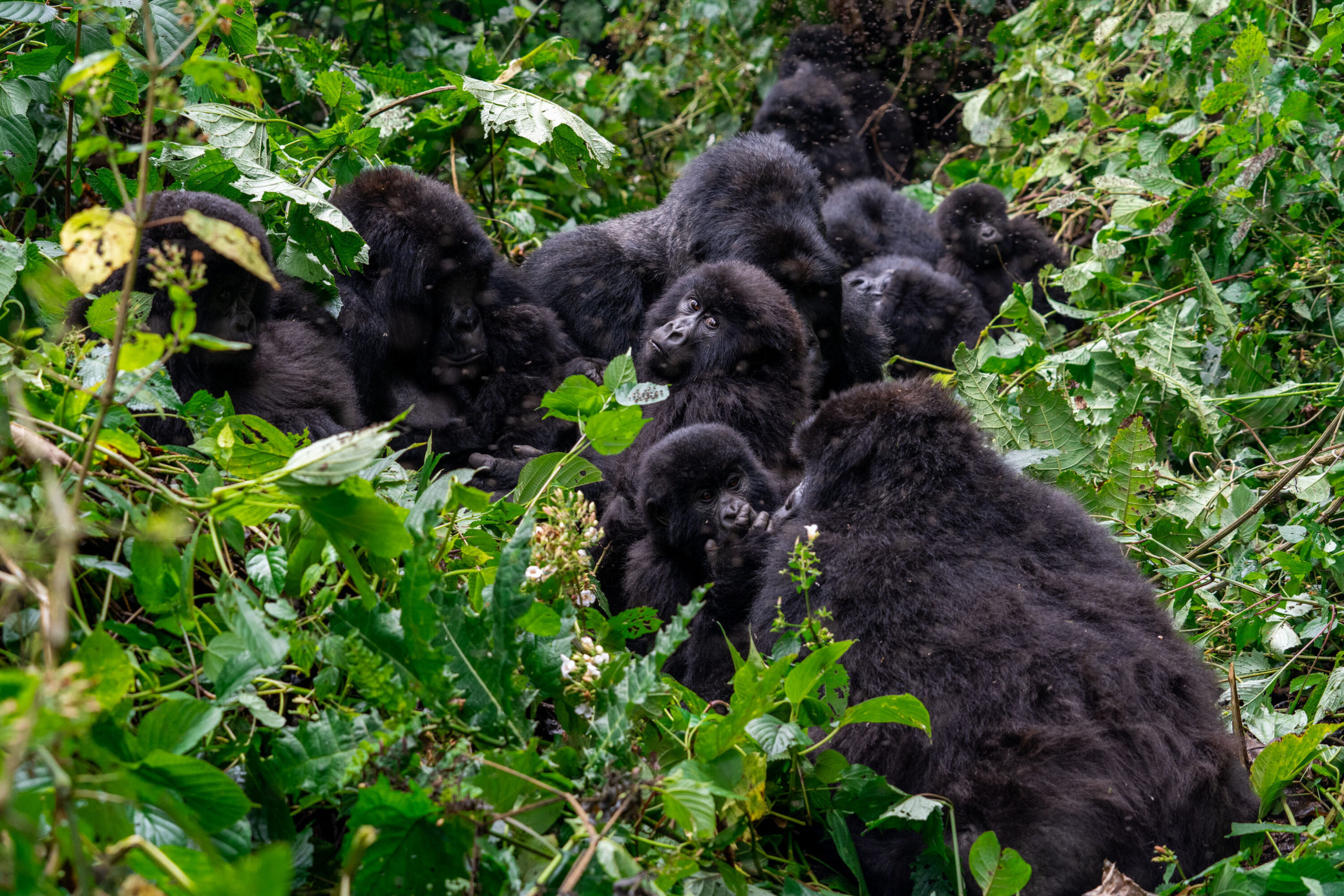
Gorilla Permits Are Limited (Only 8 Per Group)
Gorilla trekking operates under strict quotas to minimize stress on the animals and preserve their habitat.
This creates high demand and frequent sell-outs.
1. Daily limits:
Authorities enforce a maximum of 8 visitors per habituated gorilla group per day.
This small group size keeps encounters intimate, reduces noise and disturbance, and allows for better control during the one-hour observation period.
2. Permit scarcity:
In Rwanda’s Volcanoes National Park, only about 96 permits are issued daily (across 12 habituated groups).
Uganda’s Bwindi Impenetrable National Park and Mgahinga Gorilla National Park offer more—around 152 permits daily (across 19+ groups in Bwindi plus one in Mgahinga)—but even these sell out quickly in peak seasons.
Virunga National Park in DR Congo has fewer habituated groups and limited tourism access, with permits around $400 but subject to security-related closures.
3. Booking timeline:
Permits are allocated on a first-come, first-served basis and often sell out 6–12 months in advance, es3. pecially for peak dry seasons (June–September and December–February).
Low seasons (March–May, October–November) may allow bookings 3–6 months ahead, but flexibility helps.
Reputable operators secure permits early through direct relationships with authorities like Uganda Wildlife Authority (UWA), Rwanda Development Board (RDB), or Virunga management—independent attempts frequently fail due to unavailability or mismatched dates/locations.
A trusted company handles this logistics seamlessly, often bundling permits into packages and providing backups if your assigned group moves across borders.
Safety Standards in Uganda, Rwanda & Congo
Gorilla trekking occurs in rugged, forested mountains with steep trails, variable weather, and wildlife risks—but safety is rigorously managed across the three countries sharing the Virunga Massif population.
1. Bwindi Impenetrable National Park (Uganda):
Known for dense, challenging terrain but excellent safety record.
Every trek includes experienced ranger guides and armed ranger escorts who lead groups, monitor gorilla behavior, and stay in radio contact with base teams.
Anti-poaching patrols and military presence deter threats, with no major incidents affecting tourists in decades.
2. Volcanoes National Park (Rwanda):
Highly organized and accessible, with well-maintained trails.
Groups are accompanied by professional park rangers (armed where needed), who enforce rules and handle emergencies.
Rwanda’s strong tourism infrastructure includes health briefings, porters, and quick access to medical support.
3. Virunga National Park (DR Congo):
The most variable due to occasional security concerns (e.g., rebel activity or poaching).
When open to tourism, treks feature heavy armed ranger and military escorts, strict protocols, and real-time monitoring.
The park closes areas if risks rise, prioritizing visitor safety—always check current status with operators.
Across all parks, armed patrols and ranger escorts are standard: they protect against poachers, wildlife, and rare border issues. Border protocols involve coordination between countries, with operators advising on visas, transfers, and contingencies.
Reliable companies provide pre-trek health screenings (e.g., no illness to avoid disease transmission), porters for gear, and emergency evacuation plans.
In short, a top operator ensures not just permits but also guides trained in safety, conservation-aligned practices, and support that turns potential challenges into a secure, unforgettable adventure.
This level of expertise directly contributes to the gorillas’ long-term survival while giving you peace of mind.
Criteria We Used to Rank the Best Gorilla Trekking Companies
To provide a transparent, unbiased ranking of top gorilla trekking operators for 2026, we evaluated companies based on objective, verifiable factors drawn from industry standards, wildlife authority requirements, traveler feedback, and conservation best practices.
These criteria help distinguish reliable, ethical operators from less experienced or opportunistic ones—especially important given permit scarcity, remote terrain, and the need to support long-term gorilla protection.
Here’s the breakdown of our key evaluation criteria:
1. Licensing & Accreditation
Reputable operators must hold valid licenses from national tourism boards and wildlife authorities.
In Uganda, this includes registration with the Uganda Tourism Board (UTB) and membership in the Association of Uganda Tour Operators (AUTO), which grants access to official gorilla permit booking systems.
In Rwanda, companies need accreditation from the Rwanda Development Board (RDB).
These credentials ensure legal operations, permit reliability, and adherence to regulations—filtering out unlicensed brokers who risk permit denials or poor service.
2. Years of Operation
Longevity indicates stability, local expertise, and proven track records in handling logistics like permit allocation, weather contingencies, and group management.
Operators with 10+ years (many since the early 2000s or earlier) demonstrate reliability in navigating changes in park rules, security, and tourism recovery post-events like COVID.
3. Conservation Contributions
Top companies actively support gorilla protection beyond permit fees (which fund anti-poaching and habitat work).
Look for partnerships with organizations like the Dian Fossey Gorilla Fund, International Gorilla Conservation Programme (IGCP), or community initiatives—such as employing local trackers, funding ranger patrols, or contributing to ecolodges and community projects.
Ethical operators prioritize low-impact tourism that directly benefits gorilla populations (now over 1,000 thanks to such efforts) and local livelihoods.
4. Verified Reviews (TripAdvisor, Google)
We prioritized consistent, high-volume positive feedback on platforms like TripAdvisor (e.g., Travelers’ Choice awards, 4.5+ ratings with hundreds of reviews) and Google.
Real traveler experiences highlight permit success rates, guide quality, organization, and issue resolution—avoiding companies with scam warnings or inconsistent service.
5. Guide Expertise
Experienced, certified guides and trackers are essential for safe, informative treks.
Top operators employ park-trained professionals who understand gorilla behavior, enforce strict rules (e.g., 7-meter distance, no flash photography), and handle variable terrain.
Many have years in the field, often with multilingual skills and deep knowledge of Bwindi, Volcanoes, or Virunga ecosystems.
6. Emergency & Safety Protocols
Gorilla trekking involves steep, remote forests with risks like slips, weather, or rare wildlife encounters.
Reputable companies provide detailed pre-trek briefings, first-aid-equipped guides with radios, porter support, emergency evacuation plans (including medical partnerships), and contingency options for permit changes or closures.
They follow park protocols (armed ranger escorts, health screenings) to minimize risks in all three countries.
7. Transparent Pricing
Clear, upfront costs—no hidden fees for permits, transfers, porters, or extras.
Trustworthy operators break down packages (e.g., permit $800 Uganda/$1,500 Rwanda, plus lodging/transport) and explain inclusions/exclusions.
This avoids surprises and builds confidence, especially for high-demand bookings.
8. Sustainability Practices
Beyond basic rules, leading operators emphasize responsible tourism: limiting group impacts, supporting community-owned lodges, employing locals, promoting low-waste policies, and educating travelers on conservation.
This aligns with global standards from WWF, IGCP, and others, ensuring tourism aids (rather than harms) gorilla recovery and local economies.
These criteria were applied consistently when reviewing operators like Gorilla Trek Africa, GoSilverback Safaris, GorillaNestsSafaris, and local specialists (e.g., Insight Safari Holidays, Wild Whispers Africa).
Rankings favor those excelling across most or all areas, based on current 2026 data from reviews, authority lists, and conservation reports.
Always verify the latest details directly with operators, as conditions evolve.
Choosing based on these factors ensures a safe, ethical, and truly memorable trek that contributes positively to gorilla conservation.
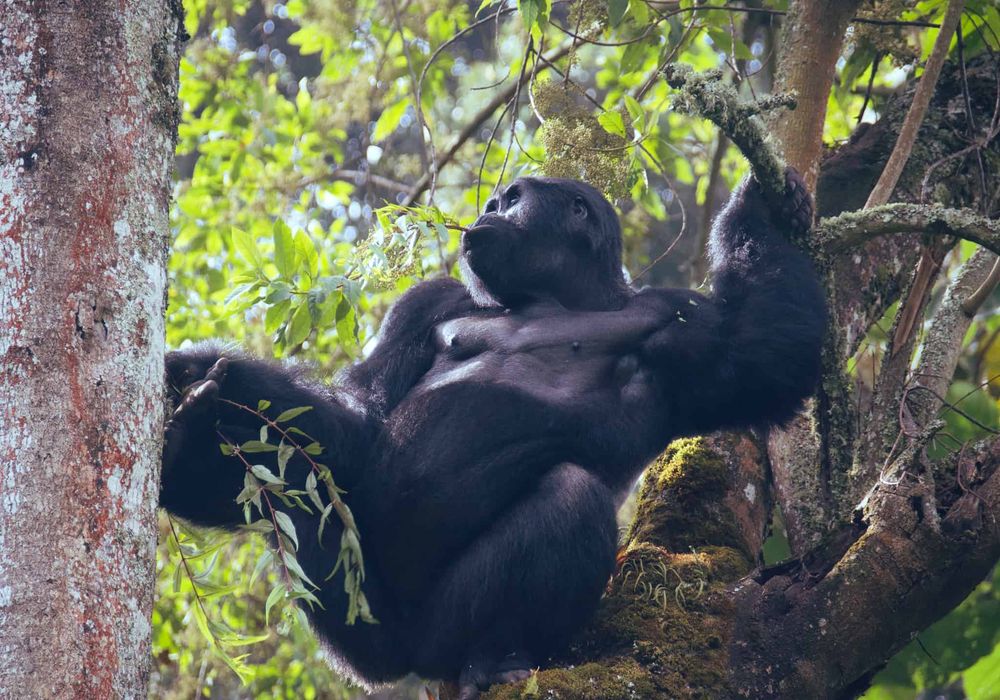
Top Tour Companies for Gorilla Trekking in Uganda
Uganda remains the best value destination for gorilla trekking in 2026, offering the most habituated mountain gorilla groups (over 19 in Bwindi Impenetrable National Park), stunning biodiversity, and seamless combinations with chimpanzee tracking in Kibale or classic safaris in Queen Elizabeth or Murchison Falls.
With permits at a competitive USD 800 per person (far below Rwanda’s USD 1,500), reliable local operators, and diverse trek experiences across sectors, Uganda provides authentic, high-success-rate encounters at accessible prices—ideal for budget to mid-range travelers seeking maximum impact without luxury premiums.
1. GoSilverback Safaris – Best Overall Experience
GoSilverback Safaris (often branded as Silverback Gorilla Safaris or similar variants) stands out as a highly reliable local operator specializing in gorilla trekking across Uganda, Rwanda, and Congo, with strong emphasis on ethical, memorable adventures.
- Years in operation: Over 10+ years, with established expertise in Bwindi and Mgahinga parks, consistently recommended for 2026 bookings and permit reliability.
- Sample package: 3–4 Day Gorilla Trekking Safari (Bwindi trek, transfers from Entebbe/Kampala or Kigali, mid-range lodging like Buhoma or Rushaga areas) – typically USD 1,800–2,800 per person (sharing, permits included, excluding international flights).
- Strengths: High permit success rates, experienced local guides and trackers, flexible itineraries, and positive feedback for organization, safety, and value. They handle multi-country options and focus on conservation-aligned practices.
- Ideal for: Travelers seeking a well-balanced, hassle-free experience with gorillas as the core highlight, plus potential add-ons like wildlife or primates—great for couples, small groups, or first-timers wanting reliability and authenticity.
2. GorillaNestsSafaris – Best Budget Gorilla Safaris
Katona Tours is a top choice for affordable gorilla experiences, frequently praised for competitive pricing, permit availability, and straightforward, high-value packages in Uganda.
- Years in operation: Well-established local operator with years of specialization in budget and short gorilla treks, highly rated for 2026 affordability and quick bookings.
- Sample package: 2–3 Day Budget Gorilla Trekking Uganda (focused Bwindi trek, ground transfers, basic to mid-range lodging) – often USD 1,200–2,000 per person (permits included, budget-friendly options available).
- Strengths: Excellent value for money, reliable permit securing (even for shorter notice in low season), friendly local guides, and no-frills but effective logistics. Strong reviews highlight responsiveness and authentic experiences.
- Ideal for: Budget-conscious travelers, solo adventurers, short trips, or those prioritizing the gorilla encounter over extended luxuries—perfect for maximizing sightings at minimal cost.
3. Nkuringo Safaris – Luxury Gorilla Trekking Specialist
Nkuringo Safaris excels in premium, eco-friendly gorilla adventures, offering tailored high-end experiences with top accommodations and expert guiding in Uganda and Rwanda.
- Years in operation: Established since 2007, with a strong reputation as a luxury DMC focused on sustainable gorilla trekking and wildlife safaris.
- Sample package: 5–7 Day Luxury Gorilla Safari (Bwindi trek with fly-in options, stays at upscale lodges like Sanctuary Gorilla Forest Camp or Bwindi Lodge, personalized guiding) – from USD 4,000+ per person (luxury inclusions, permits secured).
- Strengths: Bespoke itineraries, premium eco-lodges, knowledgeable conservation-focused guides, and seamless high-end logistics. Emphasis on low-impact tourism and community benefits, with excellent reviews for indulgence and exclusivity.
- Ideal for: Travelers desiring upscale comfort, private treks, fly-in convenience, or combining gorillas with other luxury elements—ideal for couples, special occasions, or those wanting elevated wilderness experiences.
Permit cost (USD 800 Uganda): The official 2026 standard gorilla trekking permit in Bwindi or Mgahinga is USD 800 per person for foreign non-residents (habituation experience: USD 1,500).
Book 6–12 months in advance through trusted operators to secure spots, as demand remains high.
Best sectors (Buhoma, Rushaga, Nkuringo):
- Buhoma (northern Bwindi): Easiest access, well-developed infrastructure, moderate treks—perfect for beginners or those preferring comfort and shorter hikes.
- Rushaga (southern Bwindi): Highest number of groups and permits, family-oriented, scenic beauty—excellent for flexibility and consistent sightings.
- Nkuringo (southwestern Bwindi): Dramatic views, more rugged and adventurous treks—best for fit travelers seeking an off-the-beaten-path, rewarding experience.
These operators meet key criteria like licensing, positive verified reviews, conservation focus, and safety protocols.
For 2026, contact them early for current availability and customized quotes—Uganda’s value makes it an unbeatable choice for an ethical, life-changing gorilla encounter.
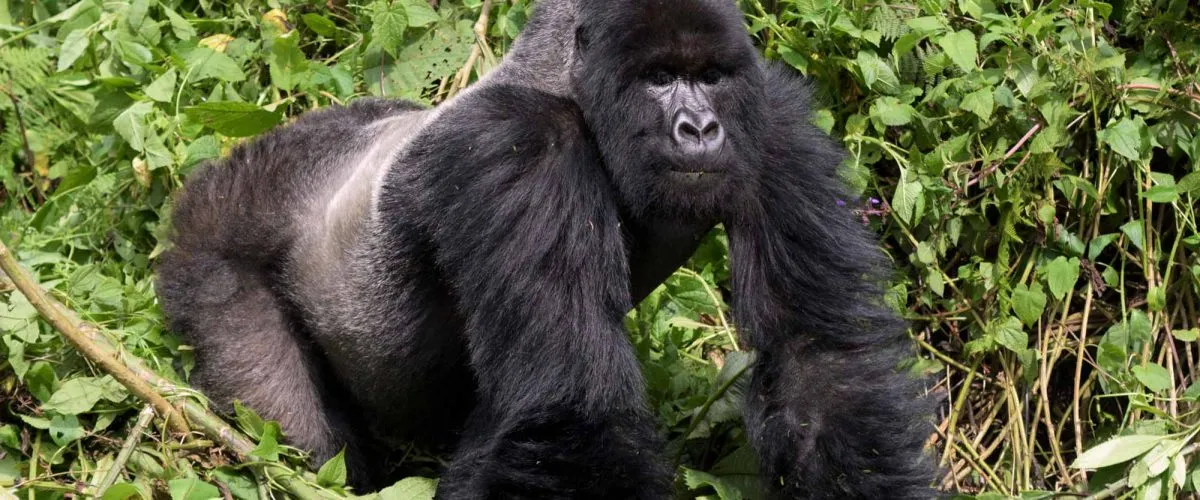
Top Gorilla Trekking Companies in Rwanda
Rwanda offers a premium gorilla trekking experience, distinguished by its higher permit cost of USD 1,500 per person (for foreign non-residents in 2026, issued by the Rwanda Development Board—RDB), which supports intensive conservation and limits daily visitors for minimal impact.
The country boasts world-class luxury lodges like Bisate Lodge, Singita Kwitonda, One&Only Nyungwe House, and Wilderness Bisate, providing exceptional comfort, eco-design, and personalized service amid stunning volcanic landscapes.
Most treks start with a short, scenic drive (about 2–3 hours) from Kigali, Rwanda’s modern, clean capital, making logistics effortless—ideal for those seeking convenience, luxury, and a polished, high-end adventure in Volcanoes National Park.
1. Gorilla Trek Africa – Best Overall Experience
Gorilla Trek Africa ranks highly for Rwanda-focused gorilla trekking, with exceptional TripAdvisor ratings (4.9/5 from hundreds of reviews) and a strong emphasis on memorable, ethical day trips and multi-day tours from Kigali.
- Years in operation: Over 10+ years, specializing in Volcanoes National Park with proven expertise in permit handling and guiding.
- Sample package: 3–4 Day Rwanda Gorilla Trekking Safari (including Volcanoes NP trek, Kigali transfers, mid-range to luxury lodging, and optional golden monkey tracking) – typically USD 3,000–4,500 per person (sharing, permits included, excluding international flights).
- Strengths: Unbeatable permit success, knowledgeable local guides, seamless organization from Kigali, and outstanding value with high traveler praise for safety, responsiveness, and unforgettable gorilla encounters.
- Ideal for: First-timers or those wanting reliable, well-organized trips with strong customer service—perfect for solo travelers, couples, or small groups prioritizing quality and ease.
2. Jacada Travel – Luxury Gorilla Trekking Specialist
Jacada Travel excels in bespoke, high-end Rwanda gorilla safaris, partnering with top lodges and delivering personalized, conservation-focused experiences.
- Years in operation: Established luxury specialist with decades of combined expertise in Rwanda, consistently featured in premium travel guides.
- Sample package: 5–7 Day Luxury Rwanda Gorilla & Wildlife Safari (Volcanoes NP trek, stays at elite lodges like Bisate or Singita, private guiding, Kigali cultural add-ons) – from USD 6,000+ per person (luxury inclusions, permits secured).
- Strengths: Tailored itineraries, access to the finest accommodations and expert naturalist guides, deep conservation ties, and seamless logistics including short drives from Kigali. Renowned for indulgence, exclusivity, and meaningful wildlife impact.
- Ideal for: Discerning travelers seeking premium comfort, private treks, fly-in options, or combining gorillas with cultural/Kigali experiences—great for couples, special occasions, or luxury seekers.
Permit cost (USD 1,500 Rwanda): Official 2026 standard mountain gorilla tracking permit in Volcanoes National Park is USD 1,500 per person for foreign non-residents (with potential low-season discounts or bundled options; habituation experiences may vary).
Secure 6–12 months ahead via reputable operators, as spots are limited to about 96 daily.
Rwanda’s premium appeal shines through its efficient access from Kigali, luxurious recovery options post-trek, and commitment to sustainable tourism that directly benefits gorilla protection and communities.
These operators align with rigorous criteria (licensing via RDB, high verified reviews, conservation contributions, safety protocols).
Contact them early for 2026 availability and tailored quotes—Rwanda delivers an elevated, unforgettable gorilla encounter.
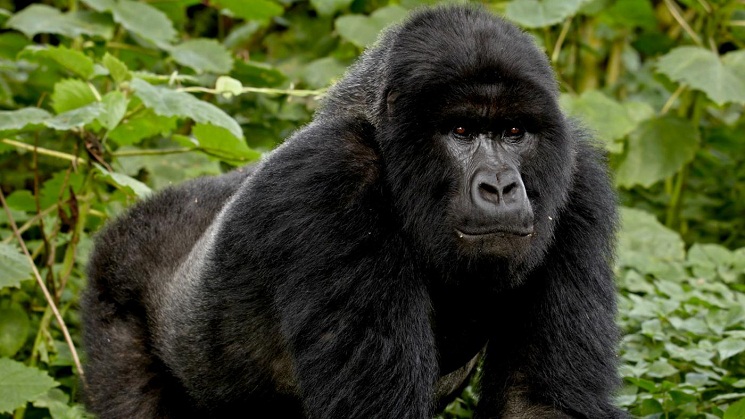
Top Gorilla Trekking Companies in DR Congo
DR Congo offers the most adventurous gorilla trekking option among the three countries, centered in Virunga National Park—the oldest national park in Africa and a biodiversity hotspot sharing the Virunga Massif with Uganda and Rwanda.
It features a dramatically lower permit cost of approximately ~USD 400 per person (for foreign non-residents in 2026, the cheapest in the region), fewer tourists for a more intimate and uncrowded experience, and a raw, rugged appeal with potential add-ons like Nyiragongo volcano hikes.
However, access can be variable due to occasional security concerns—always check current status with operators and authorities, as the park prioritizes safety with armed ranger escorts and may close areas temporarily.
This makes it ideal for experienced, flexible travelers seeking an off-the-beaten-path encounter with mountain gorillas.
1. Katona Tours – Best Overall Experience
Katona Tours is a frequently recommended operator for Virunga gorilla trekking, known for reliable logistics, permit handling, and combining gorilla treks with other DRC adventures.
- Years in operation: Well-established local and regional specialist with strong presence in Virunga, consistently offering Congo gorilla tours for recent years including 2026 bookings.
- Sample package: 1–3 Day Gorilla Trekking in Virunga National Park (trek from Bukima or Goma area, transfers often from Kigali or Goma, basic to mid-range lodging) – typically USD 1,200–2,500 per person (permits included, budget to mid-range options).
- Strengths: High permit success (even for shorter trips), experienced local guides with security knowledge, flexible itineraries, and positive feedback for value, organization, and authentic experiences in a less-visited setting.
- Ideal for: Adventurous travelers wanting straightforward, affordable access to Virunga gorillas, possibly with volcano hikes—great for budget-conscious explorers or those combining with Rwanda/Uganda.
2. Nextgen Safaris – Best for Customized & Multi-Country Adventures
Nextgen Safaris provides tailored gorilla experiences across East Africa, including reliable DRC options in Virunga with emphasis on safety and personalization.
- Years in operation: Years of expertise in gorilla and primate tours spanning Uganda, Rwanda, and DR Congo, with tested itineraries for 2025–2028.
- Sample package: 3–5 Day Congo Gorilla Trekking Safari (Virunga trek, potential Nyiragongo add-on, transfers from Kigali/Goma, mid-range to comfortable lodging) – from USD 1,500–3,000+ per person (permits secured, customized elements).
- Strengths: Bespoke planning, strong permit and logistics support in variable conditions, knowledgeable guides focused on conservation and safety, and seamless multi-country combos. Praised for responsiveness and meaningful wildlife impact.
- Ideal for: Travelers seeking personalized, adventurous trips with backups for security, or extending to other primate destinations—perfect for those wanting depth beyond a standard trek.
Permit cost (~USD 400 DR Congo): Official 2026 gorilla trekking permit in Virunga National Park is approximately USD 400 per person for foreign non-residents (occasional low-season discounts possible; always confirm current rates).
Permits are limited and best booked 3–6 months ahead through trusted operators, as availability ties to park status.
Virunga National Park delivers a truly wild, rewarding gorilla encounter with fewer crowds and direct support for one of Africa’s most challenging conservation frontiers.
These operators align with key criteria (licensing, reviews where available, safety focus, and conservation ties).
Due to the adventurous nature and potential variability, research recent travel advisories, secure comprehensive insurance, and contact operators directly for 2026 updates—when open, Virunga offers an unparalleled, impactful adventure that contributes significantly to gorilla and park protection.
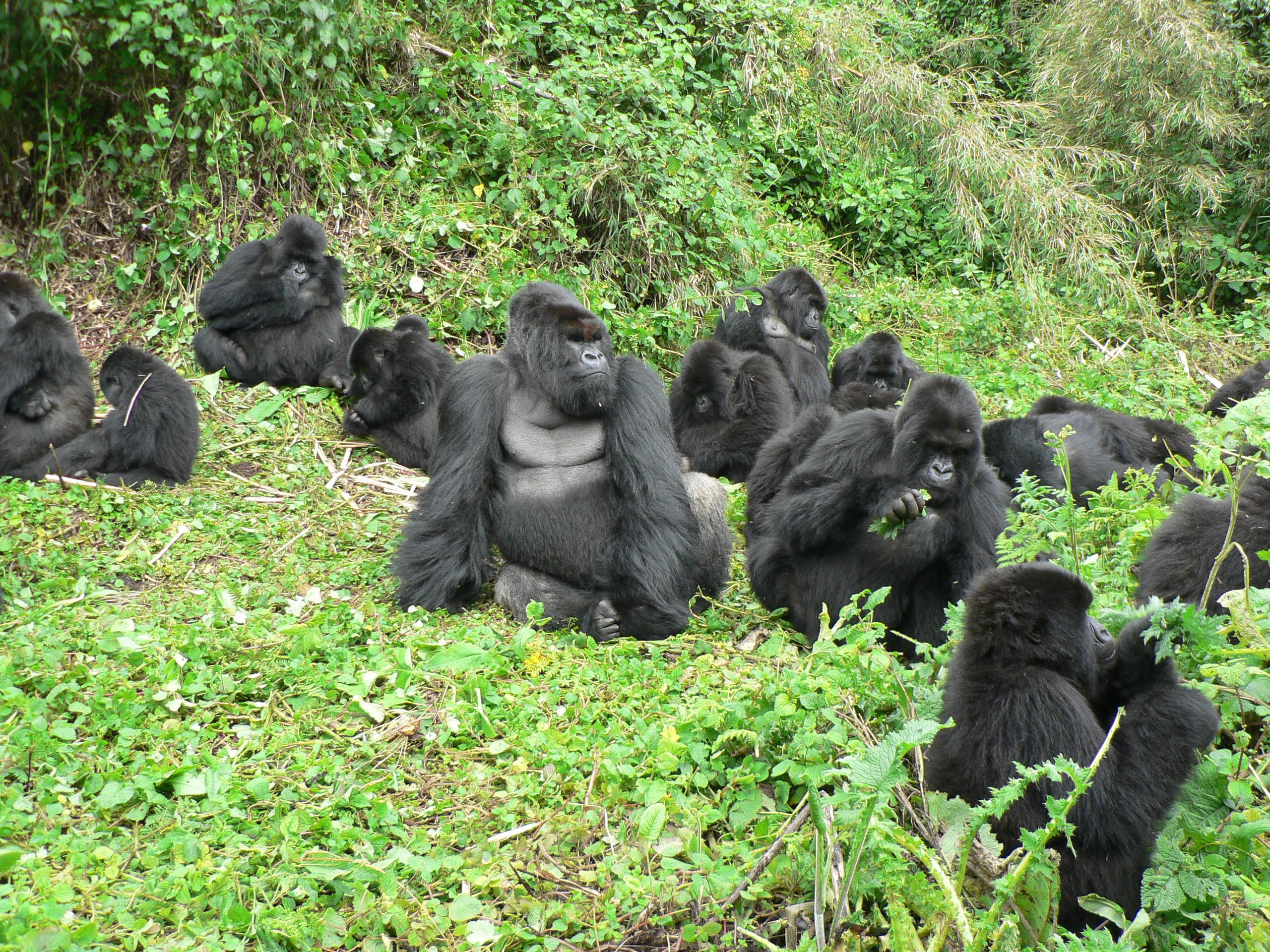
Uganda vs Rwanda vs Congo – Which Has the Best Tour Companies?
Choosing the “best” gorilla trekking destination depends on your priorities: budget, luxury and convenience, adventure level, or overall value.
Each country hosts mountain gorillas in the Virunga Massif (with Congo’s Virunga National Park offering the most rugged experience), but tour companies vary in expertise, reliability, and focus.
- Uganda excels with the most operators (local specialists like GoSilverback Safaris, GorillaNestsSafaris, Katona Tours, Nkuringo Safaris), high permit availability (more habituated groups), and strong value—making it ideal for diverse, well-organized trips combining gorillas with other wildlife.
- Rwanda features premium operators (e.g., Gorilla Trek Africa, Jacada Travel) emphasizing luxury, seamless logistics from Kigali, and polished experiences, though with fewer budget options.
- DR Congo has fewer operators due to its adventurous, variable nature (e.g., Katona Tours, Nextgen Safaris handling Virunga), but they specialize in raw, low-crowd treks when accessible.
This comparison table highlights key differences to help you decide which aligns with your needs (based on 2026 data for foreign non-residents; always confirm current conditions, especially for Congo).
| Feature | Uganda | Rwanda | Congo (DRC) |
|---|---|---|---|
| Permit Cost | $800 | $1,500 | ~$400 |
| Trek Difficulty | Moderate (steep, dense forest; varies by sector like Buhoma easier, Nkuringo tougher) | Moderate (generally shorter hikes, bamboo/montane forest; well-maintained trails) | Challenging (rugged, remote terrain in Virunga; more unpredictable) |
| Best For | Value (affordable permits, more groups, combos with chimps/safaris) | Luxury (premium lodges, short Kigali drive, polished experience) | Adventure (fewer tourists, raw wilderness, budget thrill) |
| Number of Habituated Groups | Highest (19+ in Bwindi/Mgahinga) | Moderate (12 in Volcanoes NP) | Limited (fewer in Virunga) |
| Tour Company Strengths | Diverse local experts; reliable permits/logistics; great for budgets to luxury | High-end bespoke operators; seamless, ethical focus | Specialized adventurous outfits; flexible when open |
| Accessibility | Longer drives/transfers; multiple sectors | Short 2-3 hr drive from Kigali | Remote (often via Goma/Kigali); security-dependent |
| Crowd Level | Moderate | Low | Very low (when open) |
| Additional Perks | Best wildlife combos; conservation impact | Luxury recovery; cultural add-ons | Uncrowded, wild feel; volcano options |
Quick verdict:
- Best value & variety → Uganda (most operators and flexibility).
- Best luxury & ease → Rwanda (premium companies shine here).
- Best adventure & savings → Congo (if security allows; fewer but capable operators).
No single country has universally “the best” tour companies—reputable ones (meeting licensing, reviews, conservation criteria) operate across borders.
For 2026, prioritize operators with strong permit success, safety protocols, and recent positive feedback. If you’re in Kampala (like many travelers), Uganda offers the most convenient starting point.
Contact specialists early for availability—your choice will deliver a profound, conservation-supporting experience regardless!
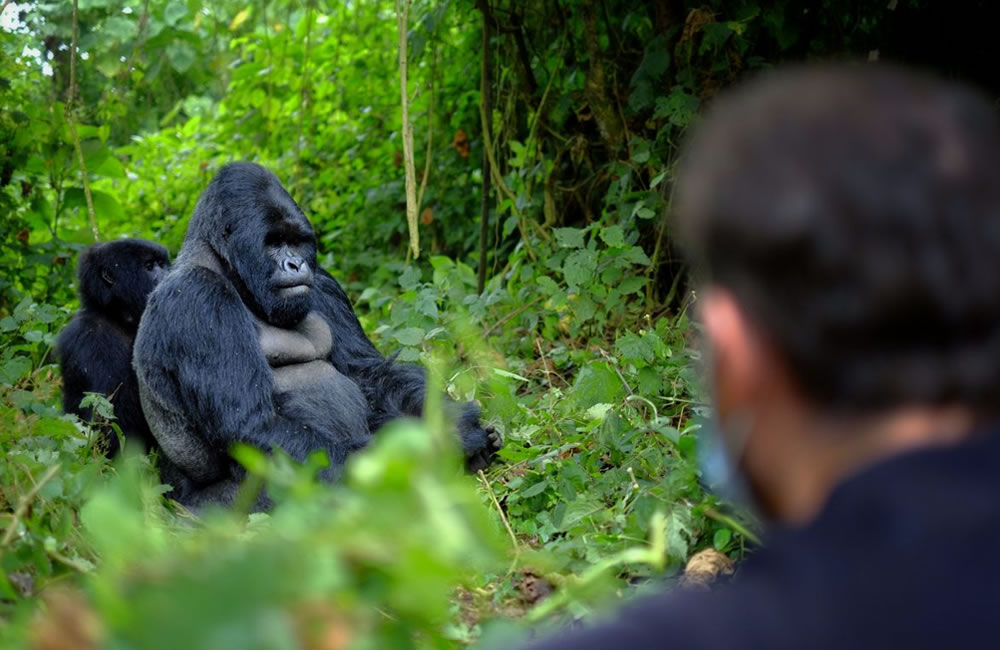
How Much Does Gorilla Trekking Cost in 2026?
Gorilla trekking costs vary significantly by country (Uganda, Rwanda, DR Congo), trip duration, accommodation level, and inclusions.
The gorilla permit is the largest fixed expense and funds conservation.
Below is a realistic 2026 breakdown for foreign non-residents (international visitors), assuming a standard 3–5 day trip focused on one gorilla trek.
Prices are in USD and approximate—always confirm with operators or authorities (UWA, RDB, Virunga management) as rates and availability can shift.
1. Permit The mandatory gorilla tracking permit (one per person, for one hour with the gorillas):
-
- Uganda (Bwindi/Mgahinga): $800 (standard trekking); $1,500 (gorilla habituation experience).
- Rwanda (Volcanoes NP): $1,500 (standard for foreign non-residents; promotional discounts may apply for certain groups like East Africans at $200–$500, but not typically for internationals).
- DR Congo (Virunga NP): ~$400 (cheapest, but access security-dependent). Book 6–12 months ahead—permits sell out fast in peak seasons (June–Sept, Dec–Feb).
2. Accommodation Near the parks (1–2 nights pre/post-trek; prices per person sharing, per night):
-
- Budget: $50–$150 (basic lodges/guesthouses).
- Mid-range: $150–$400 (comfortable eco-lodges with good amenities).
- Luxury: $400–$1,000+ (premium options like Sanctuary Gorilla Forest Camp in Uganda or Bisate Lodge in Rwanda). Total for a short trip: $100–$2,000+ depending on level and nights.
3. Transport Ground transfers, airport pickups, or internal flights:
-
- Uganda: $200–$600 (road transfers from Kampala/Entebbe ~8–10 hours; optional domestic flights ~$300–$600 round-trip).
- Rwanda: $100–$300 (short 2–3 hour drive from Kigali airport—easiest/cheapest).
- DR Congo: $100–$400 (often via Kigali to Goma/Bukima; variable due to logistics). Private 4×4 with driver/guide often bundled in packages.
4. Guide Included in the permit: Park rangers/trackers lead every trek (no extra cost for mandatory guiding).
Optional private guide or extras: $50–$150/day if adding wildlife/primates.
5. Porter Highly recommended for carrying daypacks/water (steep, muddy trails): $15–$30 per porter per day (supports local communities; tip extra $5–$10).
Sedan chair option (for less mobile trekkers): $300–$500+.
6. Visa Entry requirements (single-entry tourist visas, 2026 rates):
-
- Uganda: $50 (most nationalities; East African citizens visa-free).
- Rwanda: $50 (many visa-on-arrival/e-visa; East Africans visa-free).
- DR Congo: $100–$200+ (visa required; often via Kinshasa or border; complex process—use operator assistance). Multi-country trips may need multiple visas or East African Tourist Visa (~$100–$200 for Uganda/Rwanda).
Total estimated cost per person (3–5 day gorilla-focused trip, mid-range, sharing):
- Uganda: $1,800–$4,000 (best value).
- Rwanda: $3,000–$6,000+ (premium).
- DR Congo: $1,200–$3,000 (adventurous, when open).
These exclude international flights, meals outside packages, tips (~$50–$100 total), travel insurance (essential), and extras like park fees or activities.
Packages through reputable operators often bundle permit + transport + lodging for better value and reliability.
Since you’re in Kampala, Uganda offers the most convenient and cost-effective starting point—contact local specialists like GoSilverback Safaris or GorillaNests Safaris for personalized 2026 quotes!
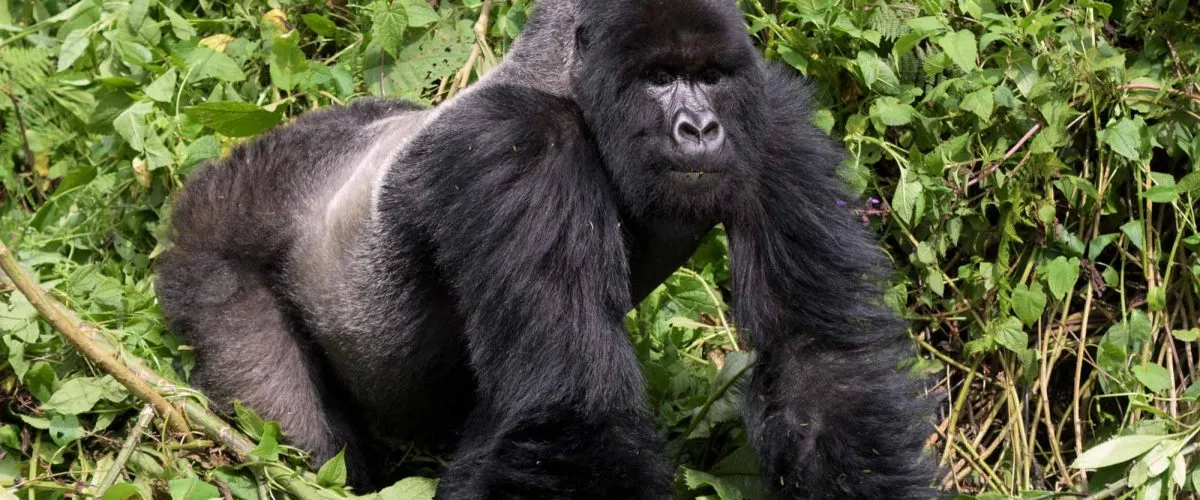
How to Choose the Best Gorilla Trekking Tour Company
Selecting the right tour company is key to a safe, ethical, and successful gorilla trekking experience in 2026—especially with limited permits, remote terrain, and varying conditions across Uganda, Rwanda, and DR Congo.
A reputable operator ensures permit reliability, prioritizes conservation, handles logistics smoothly, and provides strong support.
Follow this step-by-step buying guide to make an informed decision:
1. Verify License and Accreditation Confirm the company holds official licensing from relevant authorities to access gorilla permits and operate legally.
-
- In Uganda: Look for registration with the Uganda Wildlife Authority (UWA), membership in the Association of Uganda Tour Operators (AUTO), or accreditation from the Uganda Tourism Board.
- In Rwanda: Check for Rwanda Development Board (RDB) accreditation.
- In DR Congo: Ensure affiliation with Virunga National Park management or recognized local operators (fewer options due to the adventurous nature). Reputable companies display these credentials on their websites—ask for proof if unclear. Licensed operators have direct permit booking access, reducing risks of scams or denials.
2. Confirm Permit Inclusion and Booking Process Gorilla permits are non-refundable (or have strict policies) and sell out 6–12 months ahead—always ensure they’re explicitly included in your package at the correct 2026 rate ($800 Uganda, $1,500 Rwanda, ~$400 DR Congo).
- Ask how they secure permits (e.g., early allocation via official channels) and what happens if your assigned group/date changes (e.g., backups or rescheduling).
- Trusted operators provide confirmation receipts from UWA, RDB, or Virunga—request this before full payment.
3. Ask About Cancellation Policy Gorilla permits and high-value trips have strict terms—understand refunds for cancellations, no-shows, or illness.
-
- Permits are often non-refundable once issued (e.g., Rwanda typically no refund; Uganda may offer partial under exceptional circumstances like illness).
- Tour packages vary: Some allow flexible rescheduling (e.g., Rwanda permits reschedulable for ~$150 fee); others have tiered penalties (e.g., 50% refund 60+ days out). Inquire about “Cancel for Any Reason” options via travel insurance. A transparent policy protects your investment in this once-in-a-lifetime trek.
4. Read Third-Party Reviews Go beyond the company’s website—check verified feedback on independent platforms.
-
- Prioritize TripAdvisor (look for Travelers’ Choice awards, 4.5+ ratings with 100+ reviews), Google Reviews, and safari forums.
- Focus on recent 2025–2026 experiences: Permit success, guide quality, safety handling, and issue resolution.
- Avoid companies with consistent complaints about hidden fees, poor communication, or permit failures. High-volume positive reviews from real trekkers indicate reliability.
5. Check Emergency & Safety Protocols (Including Evacuation Coverage) Treks involve rugged, remote forests—ensure the operator prioritizes safety.
-
- Ask about pre-trek health briefings, armed ranger escorts (standard in all parks), radio communication, first-aid kits, and contingency plans (e.g., for weather, illness, or park closures).
- Confirm emergency evacuation procedures: Partnerships for helicopter/medical airlifts (essential in remote areas like Bwindi or Virunga), and whether they recommend/require travel insurance covering high-risk activities like gorilla trekking (with medical evacuation up to $100,000+).
- Reputable companies follow strict park rules (e.g., no touching gorillas, 7m distance) and have strong local networks for quick response.
Final Tips: Contact 2–3 shortlisted operators with your dates, budget, and preferences—compare quotes, responses, and transparency.
Since you’re in Kampala, start with Uganda-based specialists (e.g., GoSilverback Safaris or similar locals) for easier access and value.
Book early for 2026 peak seasons, secure comprehensive travel insurance, and choose a company that emphasizes conservation (e.g., community support, low-impact practices).
This careful selection ensures your gorilla encounter is safe, ethical, and truly unforgettable!
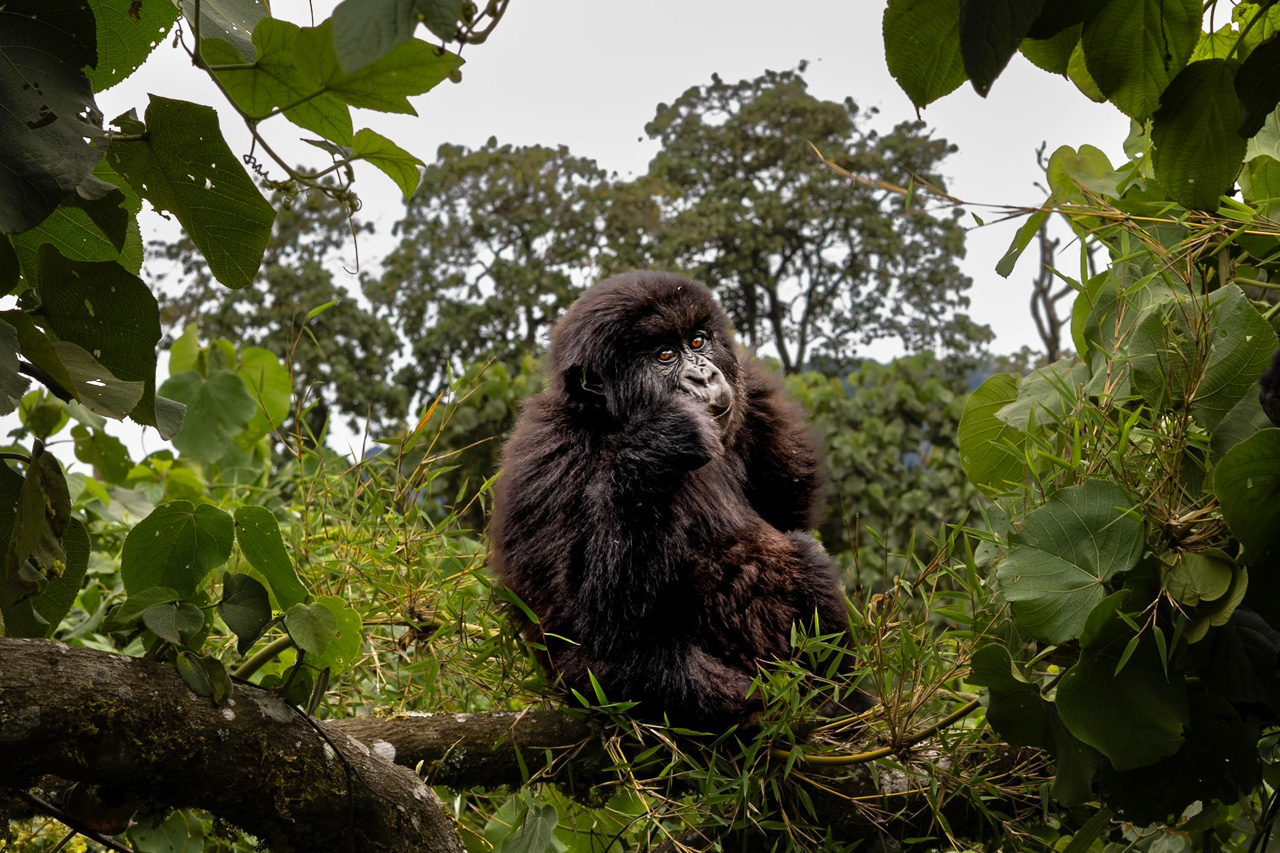
Red Flags to Avoid When Booking Gorilla Safaris
Booking a gorilla trekking safari is a significant investment—both financially and emotionally—so spotting warning signs early protects you from scams, permit fraud, poor experiences, or even safety risks.
Scammers often exploit high demand, limited permits, and the remote nature of Uganda, Rwanda, and DR Congo.
Common issues include fake permits, hidden fees, or unreliable operators that leave travelers stranded or without access to the gorillas.
Here are the key red flags to watch for (drawn from traveler reports, wildlife authority warnings, and industry best practices in 2026):
1. Unrealistically cheap pricing
Gorilla permits have fixed official rates ($800 Uganda, $1,500 Rwanda, ~$400 DR Congo for non-residents)—any quote significantly below market (e.g., a full Uganda package under $1,000–$1,500 including permit, lodging, and transfers) is suspicious.
Scammers offer “discounted” or “last-minute cancellation” permits at cut rates, often fake or counterfeit.
Legitimate operators price transparently and align with authority fees; suspiciously low offers frequently exclude essentials or lead to fraud.
2. No physical office or verifiable local presence
Reputable companies have established offices in Kampala (Uganda), Kigali (Rwanda), or Goma (DR Congo), with traceable addresses, phone numbers, and staff.
Avoid operators relying solely on generic email/WhatsApp with no website footprint, physical location, or local references.
Check for registration with tourism boards (e.g., Uganda Tourism Board, Rwanda Development Board) or associations like AUTO in Uganda—legit ones list these prominently.
3. No conservation affiliation or ethical focus
Top operators partner with or contribute to groups like the International Gorilla Conservation Programme (IGCP), Dian Fossey Gorilla Fund, or local community projects.
If a company shows no mention of conservation, sustainability, or community benefits (beyond vague claims), it’s a concern—gorilla tourism should directly support anti-poaching and habitat protection.
Ethical operators emphasize low-impact practices and transparency about how fees help gorillas and locals.
4. No permit confirmation number or proof
Permits come with official serial numbers/receipts from authorities (UWA in Uganda, RDB in Rwanda, Virunga management in DR Congo).
Demand to see a booking confirmation or permit reference number before full payment—scammers often delay or provide fake docs with mismatched numbers.
Never pay without verifiable proof; legitimate operators share this early and can confirm via official channels.
Additional common red flags to note:
- High-pressure tactics (e.g., “limited spots—pay now or lose it,” urgent demands for wire transfers).
- Poor or evasive communication (slow responses, inconsistent answers, or refusal to provide references).
- Lack of third-party reviews (no TripAdvisor/Google presence, or only glowing self-posted testimonials).
- Requests for unusual payment methods (e.g., direct bank transfers to personal accounts, cryptocurrency, or no secure options).
Quick safety tips: Cross-check with official park websites, read recent 2025–2026 reviews, and start with licensed local operators in Kampala (your location) for easier verification.
Use secure payments, buy comprehensive travel insurance covering trip interruptions, and consider booking permits directly through authorities if going independent (though packages offer better support).
By avoiding these red flags, you’ll secure a safe, ethical trek that truly supports gorilla conservation—contact shortlisted companies directly and trust your instincts if anything feels off!
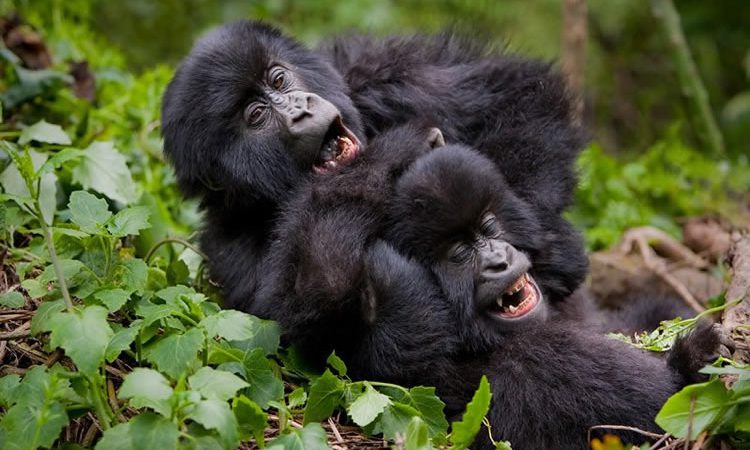
Best Time to Book Gorilla Trekking Tours
Gorilla trekking is possible year-round in Uganda, Rwanda, and DR Congo (when Virunga is open), but the best times align with the region’s two dry seasons for easier trails, fewer slippery conditions, and more comfortable hiking in the misty mountains.
Peak demand fills permits quickly, so planning ahead is essential—especially since you’re in Kampala, where Uganda-based operators can secure spots faster for local departures.
The prime windows are:
- June–September (long dry season): Widely regarded as the absolute best overall period. Trails are drier, mud is minimal, and vegetation is less dense, making treks shorter and sightings more reliable. This overlaps with high safari season (e.g., combining with wildlife in Uganda or Serengeti migration nearby).
- December–February (short dry season): Excellent weather with low rainfall, cooler mornings, and good visibility. Holiday travel boosts crowds, but it’s still drier and more pleasant than wet months.
Book 6–12 months early (or 12–18 months for peak dry season dates in popular sectors like Buhoma or Volcanoes NP). Permits are limited (e.g., only 8 per gorilla group daily) and sell out fastest in June–August and December–January.
As of early 2026, high-demand months like August are already competitive—contact operators now for availability.
Low/wet seasons (March–May, October–November) offer easier bookings (sometimes 3–6 months ahead) with fewer crowds and occasional discounts, but expect muddier, steeper trails.
Weather differences per country (equatorial climate means consistent temps ~11–23°C / 52–73°F year-round, but rain impacts trekking most):
- Uganda (Bwindi/Mgahinga): Two clear dry seasons—June–September (longest, driest, peak crowds) and December–February (shorter dry spell, good for holidays). Wet seasons bring heavy afternoon rains, slippery slopes, and denser undergrowth (challenging but fewer people).
- Rwanda (Volcanoes NP): Similar pattern—June–September and December–February for optimal dry conditions and shorter hikes on well-maintained trails. Rainy periods (March–May, Oct–Nov) mean more mud but quieter parks and potentially better gorilla views at lower altitudes.
- DR Congo (Virunga NP): Dry seasons (June–September, December–February) offer the most reliable access when the park is open (security permitting). More rugged and unpredictable overall—rain amplifies challenges in remote terrain, with heavier wet-season impacts.
Pro tip for 2026: Since you’re in Kampala, prioritize Uganda for flexibility—dry season permits here are in high demand but more available than Rwanda’s limited 96 daily.
Start with trusted local operators (e.g., GoSilverback Safaris or similar) right away for quotes and early bookings.
Wet season can be rewarding for budget travelers or those okay with rain gear, but dry months deliver the smoothest, most memorable experience—book early to lock in your dream trek!
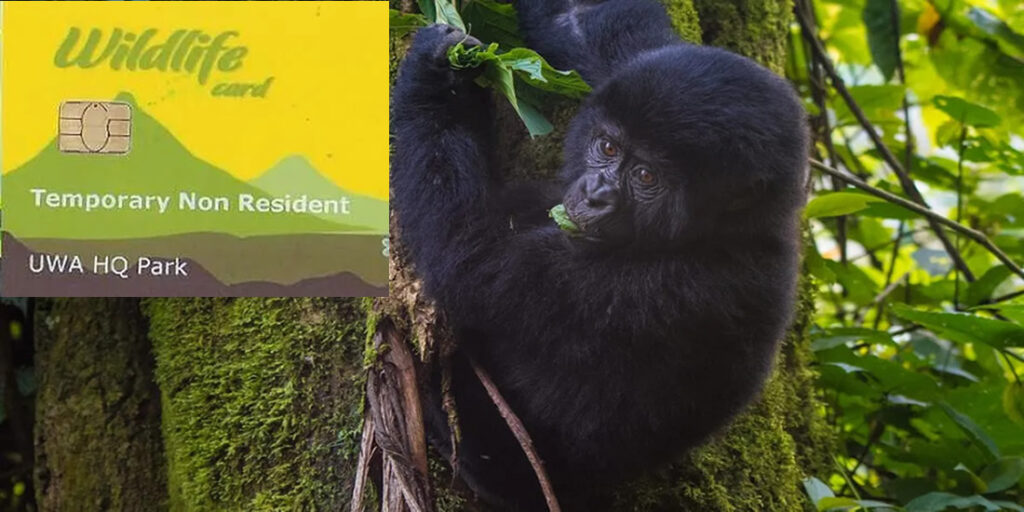
Conservation Impact – Why Your Tour Company Choice Matters
Choosing a responsible gorilla trekking tour company goes far beyond securing a permit—your decision directly influences the survival of mountain gorillas, one of the world’s most endangered great apes.
Mountain gorillas number just over 1,060 globally (based on the latest comprehensive estimates from 2018 censuses combined, with ongoing 2025 Bwindi-Sarambwe surveys expected to confirm continued growth in 2026).
This fragile population—split between Uganda’s Bwindi/Mgahinga, Rwanda’s Volcanoes NP, and DR Congo’s Virunga NP—has rebounded from near-extinction thanks to dedicated conservation funded largely by tourism revenue.
Ethical operators amplify positive impacts by partnering with authorities, NGOs, and communities, while ensuring low-impact practices. Here’s how your trek contributes and why operator choice is crucial:
1. Revenue-sharing with communities
Permit fees (and often a portion of tour packages) are distributed to support local people living near gorilla habitats.
In Uganda and Rwanda, typically 10% of permit revenue goes directly to communities for projects like schools, health clinics, clean water, infrastructure, and income-generating activities.
This creates economic incentives to protect gorillas instead of poaching or clearing forests for agriculture.
Reputable companies often go further by employing local guides, porters, trackers, and staff—providing stable jobs and fostering community ownership of conservation.
In DR Congo, similar mechanisms support border communities despite challenges.
2. Ranger salaries
A significant portion of permit income funds park rangers and anti-poaching teams who patrol daily to deter threats. Rangers monitor gorilla groups, enforce trekking rules, and respond to incursions—often at great personal risk.
In all three countries, tourism revenue covers salaries, equipment, training, and operational costs for these frontline protectors. Choosing operators aligned with official channels ensures funds flow transparently to these essential roles.
3. Anti-poaching
Gorilla trekking generates the bulk of funding for anti-poaching initiatives, including patrols, snares removal, intelligence networks, and community outreach to reduce human-wildlife conflict.
Permits help deter illegal activities like poaching for bushmeat, trophies, or the pet trade—threats that once nearly wiped out the species.
Ethical operators support or partner with programs (e.g., via IGCP, Dian Fossey Gorilla Fund, or park authorities) that strengthen these efforts, turning tourism into a powerful deterrent.
4. Gorilla veterinary support
Revenue enables specialized veterinary care through groups like Gorilla Doctors (Mountain Gorilla Veterinary Project), which treats injured or sick gorillas, monitors health, and responds to emergencies (e.g., snare removal, respiratory issues from human diseases). This hands-on intervention has been vital for population growth.
Trusted companies often highlight or contribute to these efforts, ensuring your trek supports ongoing medical monitoring and research.
By selecting a reputable operator (licensed, conservation-affiliated, with strong reviews and transparent practices), you ensure your investment maximizes these benefits—directly aiding ranger patrols, community livelihoods, veterinary care, and anti-poaching while minimizing habitat disturbance.
Poor choices (e.g., unlicensed brokers) can divert funds or increase pressure on gorillas. In short, ethical tourism has driven the remarkable recovery of mountain gorillas to just over 1,060 today—your informed choice helps sustain this success story for future generations.
Since you’re in Kampala, local Uganda operators like GoSilverback Safaris often have strong community and conservation ties—ask about their specific contributions when booking for 2026!
Frequently Asked Questions
What is the best company for gorilla trekking?
There is no single “best” company—it depends on your needs—but top-rated options include GoSilverback Safaris or GorillaNestSafaris in Uganda for value and reliability, Gorilla Trek Africa or Jacada Travel in Rwanda for premium experiences, and Katona Tours or Nextgen Safaris for DR Congo adventures.
Choose based on verified reviews (TripAdvisor/Google), licensing, permit success, and conservation focus. Local Ugandan operators often excel for Kampala-based travelers.
Is Rwanda safer than Uganda?
Both Rwanda and Uganda are generally safe for gorilla trekking with strong park security, armed ranger escorts, and low incident rates.
Rwanda offers more polished infrastructure and shorter drives from Kigali, while Uganda has excellent safety in Bwindi but longer transfers.
DR Congo (Virunga) is more variable due to occasional security issues—check advisories. For most travelers, Rwanda and Uganda are equally safe and predictable in 2026.
How far in advance should I book?
Book gorilla permits and tours 6–12 months ahead for peak dry seasons (June–September, December–February), as spots sell out quickly due to limited daily quotas (e.g., 8 per group).
For low/wet seasons (March–May, October–November), 3–6 months may suffice. In 2026, high-demand dates are already competitive—contact operators early for availability and backups.
Are gorilla permits refundable?
Gorilla permits are generally non-refundable once issued and paid for. In Uganda (UWA), partial refunds (e.g., 50% for illness with proof, 75% if no gorillas seen after full day) are possible in rare cases.
Rwanda (RDB) is stricter—rarely refundable except for illness or group movement (50–full refund in exceptions). DR Congo follows similar non-refundable rules. Buy travel insurance for coverage.
Is gorilla trekking worth the cost?
Yes—gorilla trekking is widely considered worth the high cost ($800–$1,500 permit plus extras) for its profound, once-in-a-lifetime encounter with endangered mountain gorillas (just over 1,060 left).
It supports vital conservation, communities, and anti-poaching while delivering an intimate, emotional experience few wildlife activities match. For many, the value far exceeds the price in 2026.
Final Verdict – Who Are the Best Gorilla Trekking Tour Companies?
After evaluating based on verified reviews (TripAdvisor, Google, SafariBookings), permit reliability, safety protocols, conservation ties, value, and traveler feedback for 2026, here’s a clear summary by traveler type.
These stand out across Uganda (best value, most options from Kampala), Rwanda (premium ease), and DR Congo (adventurous). All align with strong criteria like licensing, high ratings, and ethical practices.
1. Best overall
GorillaNests Safaris or GoSilverback Safaris (Uganda-focused). These consistently top lists for balanced experiences—reliable permits, experienced local guides, seamless logistics, and strong value combining gorillas with wildlife/primates.
High TripAdvisor ratings (4.8–5.0), excellent organization, and flexibility make them ideal for most travelers seeking a hassle-free, memorable trek without extremes in price or luxury.
2. Best luxury
Jacada Travel (Rwanda specialist) or Nkuringo Safaris (Uganda/Rwanda). Jacada excels in bespoke, high-end Rwanda safaris with elite lodges (e.g., Bisate, Singita), personalized guiding, and seamless Kigali access.
Nkuringo offers premium eco-lodges like Nkuringo Gorilla Lodge, fly-in options, and tailored indulgence. Perfect for those wanting upscale comfort, exclusivity, and top-tier service in volcanic landscapes.
3. Best budget
Katona Tours (Uganda/DR Congo). Frequently praised for affordable, no-frills packages with guaranteed permits, competitive pricing (e.g., 2–3 day Uganda treks ~$1,200–$2,000), and solid organization.
Great value in Uganda’s lower permit cost ($800), with positive reviews for responsiveness and authentic experiences—ideal for cost-conscious travelers or short trips prioritizing the gorilla encounter.
4. Best conservation-focused
Nkuringo Safaris or operators like GoSilverback Safaris/G Adventures (global but strong East Africa presence). Nkuringo emphasizes eco-friendly practices, community projects via Gorilla Junction Foundation, and low-impact tourism.
GoSilverback Safaris/G Adventures integrate sustainable policies, local employment, and contributions to gorilla protection (e.g., IGCP partnerships).
Choose these for meaningful impact—your trek supports rangers, anti-poaching, veterinary care, and communities around the ~1,060 mountain gorillas.
5. Best for small groups
Gorilla Trek Africa (Rwanda) or Nextgen Safaris (multi-country, including Uganda/DR Congo). Gorilla Trek Africa offers personalized, intimate day trips/multi-day from Kigali with high ratings for small-group handling and ethical focus.
Nextgen provides customized, private options across borders, ideal for couples/families wanting flexibility, privacy, and expert guiding without large crowds.
Quick recommendation for you in Kampala: Start with Uganda-based operators like GoSilverback Safaris, GorillaNests Safaris, or Katona Tours—they offer easy local access, permit expertise, and great value.
Contact 2–3 for 2026 quotes, share your dates/preferences, and verify recent reviews. Whichever you choose, a reputable company ensures a safe, ethical adventure that contributes to gorilla conservation—book early for peak seasons!