
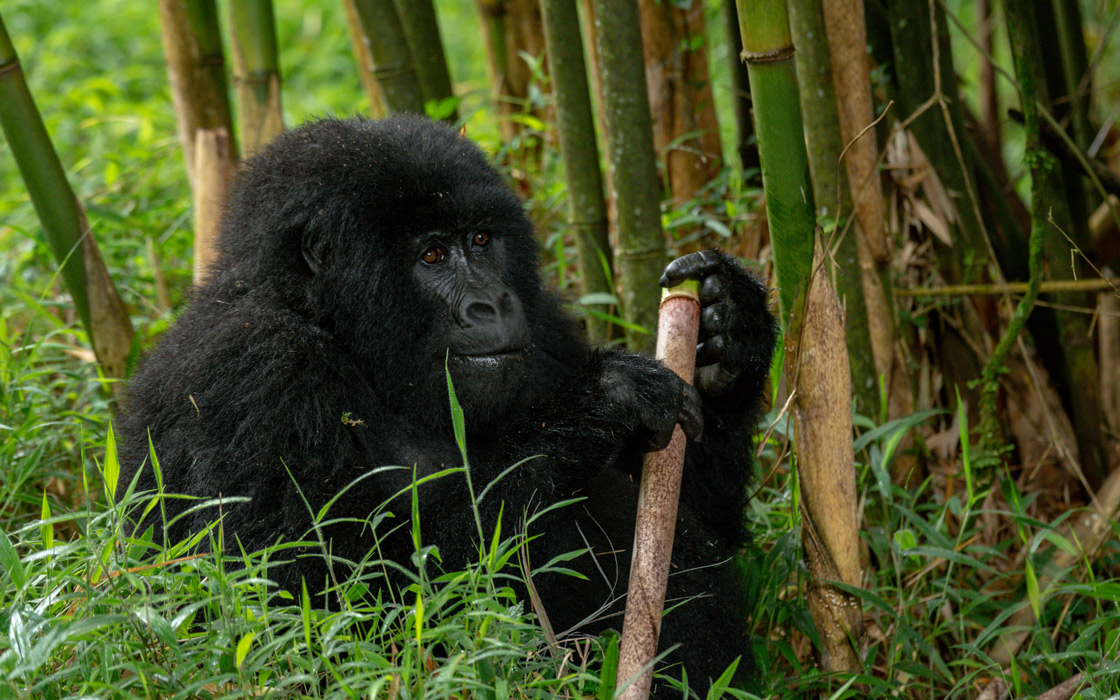
Gorilla Trekking Rules and Regulations: Ultimate Guide 2026
Gorilla trekking rules and regulations are designed to protect endangered Mountain Gorilla populations and ensure visitor safety in parks like Bwindi Impenetrable National Park, Volcanoes National Park, and Virunga National Park.
The minimum age is 15 years, and a valid permit is required in advance. Visitors must maintain a 7-meter distance, avoid flash photography, and spend only 1 hour with a gorilla family.
Anyone with flu or contagious illness is not allowed to trek. Group size is limited to 8 people per gorilla group per day to minimize stress and disease transmission. Following these regulations directly supports conservation and gorilla survival.
As seasoned African safari operators with decades of experience guiding travelers through East Africa’s wild heartlands, we at GoSilverback Safaris understand the profound privilege of encountering mountain gorillas in their natural habitat.
These majestic primates, sharing 98% of our DNA, represent one of the planet’s most endangered species, with a global population hovering around 1,063 individuals as of the latest 2024 census (with updates expected in 2026).
Gorilla trekking isn’t just an adventure—it’s a carefully regulated conservation effort that demands respect, preparation, and adherence to strict guidelines.
In this comprehensive guide, we’ll delve into every aspect of gorilla trekking rules and regulations across Uganda, Rwanda, and the Democratic Republic of Congo (DRC), drawing from official sources like the Uganda Wildlife Authority (UWA), Rwanda Development Board (RDB), and Virunga National Park authorities.
Whether you’re a first-time trekker from the USA planning a bucket-list journey or a seasoned explorer from Europe seeking deeper insights, this article equips you with the knowledge to trek responsibly and safely.
By following these rules, you contribute directly to gorilla conservation, ensuring future generations can share in this life-changing experience.
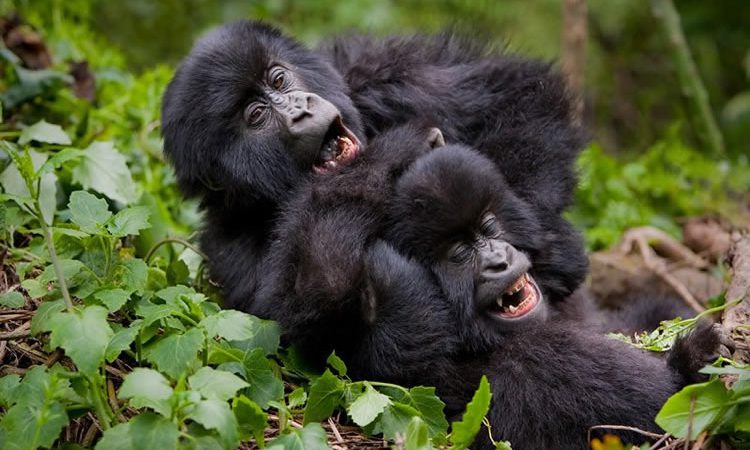
Why Gorilla Trekking Rules Are Strict
Mountain gorillas face relentless threats from habitat loss, poaching, and human-wildlife conflict, making their survival a global conservation priority.
The strict rules governing gorilla trekking stem from decades of scientific research and on-the-ground experience, aimed at minimizing human impact while maximizing protection.
For instance, gorillas’ close genetic similarity to humans makes them highly susceptible to diseases like the common cold or flu, which could decimate entire families.
A single outbreak in the 1980s wiped out portions of habituated groups, prompting authorities to enforce health screenings and distance protocols.
These regulations also preserve natural behaviors. Without limits on group sizes or observation times, gorillas could become stressed, altering their foraging, social dynamics, or breeding patterns.
In Uganda’s Bwindi Impenetrable National Park, where over half the world’s mountain gorillas reside (approximately 459 individuals), rules prevent overcrowding and habitat degradation from foot traffic.
Similarly, in Rwanda’s Volcanoes National Park (home to about 400 gorillas) and DRC’s Virunga National Park (around 200), guidelines align with international standards set by the International Gorilla Conservation Programme (IGCP).
Breaking these rules isn’t just a personal risk—it’s a threat to ecosystems that support thousands of plant and animal species.
From a traveler’s perspective, these strictures ensure safety and equity. They prevent accidents in rugged terrain and guarantee that every participant has a fair chance at meaningful sightings.
As conservation writers, we’ve seen how adherence transforms tourism into a force for good: permit fees alone generate millions annually for anti-poaching patrols and community development.
In 2025, Uganda’s gorilla tourism contributed over USD 20 million to local economies, a trend expected to rise in 2026 with rebounding international travel.
Ultimately, these rules safeguard the very magic that draws visitors from Canada, the UK, Asia, and the Middle East—intimate, ethical encounters with wildlife on the brink.
Gorilla Trekking Permit Rules (Uganda, Rwanda & Congo)
Securing a gorilla trekking permit is the foundational rule of any trek, as these documents are mandatory and strictly limited to protect gorilla populations.
Permits are issued by national authorities and must be obtained in advance—no walk-ins or last-minute purchases are allowed. They grant access for one trek per day, including briefing, tracking, and one hour with the gorillas.
Here’s a country-by-country breakdown for 2026, based on current rates (subject to minor adjustments; always confirm with operators).
In Uganda, permits are managed by the UWA for Bwindi Impenetrable National Park and Mgahinga Gorilla National Park. The cost for foreign non-residents is USD 800 per person, while foreign residents pay USD 700, East African citizens UGX 300,000 (about USD 80), and other Africans USD 500.
Permits are date-specific and non-transferable, with daily limits of approximately 184-200 slots across 23+ habituated families.
You must provide passport details upon booking, and payment is typically 100% upfront. Refunds are rare (e.g., 50% if canceled 91+ days in advance), emphasizing the need for travel insurance. For the exclusive gorilla habituation experience (detailed later), permits cost USD 1,500.
Rwanda‘s RDB handles permits for Volcanoes National Park, positioning it as a premium destination with USD 1,500 per person for foreign non-residents (discounted for East Africans at USD 500).
With only 96 daily slots across 12 families, these sell out fastest—often 12-18 months ahead during peaks. Permits include park entry but exclude transport or lodging; they’re electronic and must be presented digitally or printed. Rwanda enforces stricter enforcement, with on-site verifications to prevent fraud.
In the DRC, Virunga National Park offers the lowest-cost permits at USD 400 per person for mountain gorillas (or lowland gorillas in Kahuzi-Biega at similar rates).
However, as of early 2026, trekking remains suspended due to ongoing security concerns from militia activity—independent travel is not advised, and most operators avoid the region.
When operational, permits are issued by the Institut Congolais pour la Conservation de la Nature (ICCN), with variable daily caps (often lower than Uganda/Rwanda) and armed escorts mandatory. Travelers from high-risk areas may face additional visa hurdles.
To book, use licensed tour operators like ours—they have priority access to real-time availability and can bundle permits with itineraries.
Direct bookings via official websites are possible but slower and riskier for internationals. Remember, permits fund conservation: in Uganda, 20% of fees support local communities; in Rwanda, 10%.
Gorilla Permit Comparison Table (Uganda vs Rwanda vs Congo)
| Country | National Park | Permit Cost (Approx.) | Min Age | Group Size | Viewing Time | Special Requirements |
|---|---|---|---|---|---|---|
| Uganda | Bwindi / Mgahinga | USD 800 | 15+ | Max 8 | 1 Hour | Advance booking + ranger briefing |
| Rwanda | Volcanoes NP | USD 1,500 | 15+ | Max 8 | 1 Hour | Strict conservation briefing |
| Congo | Virunga NP | USD 400 (seasonal) | 15+ | Max 8 | 1 Hour | Security briefing + seasonal pricing |
Important Takeaways
-
All countries require a valid gorilla trekking permit.
-
Minimum trekking age is 15 years in Uganda, Rwanda, and Congo.
-
Only 8 tourists per gorilla family per day are allowed.
-
Viewing time is strictly limited to 60 minutes.
-
Permit fees directly support conservation and ranger protection.
Securing permits early through a licensed safari operator is essential, especially during peak seasons when availability is extremely limited.
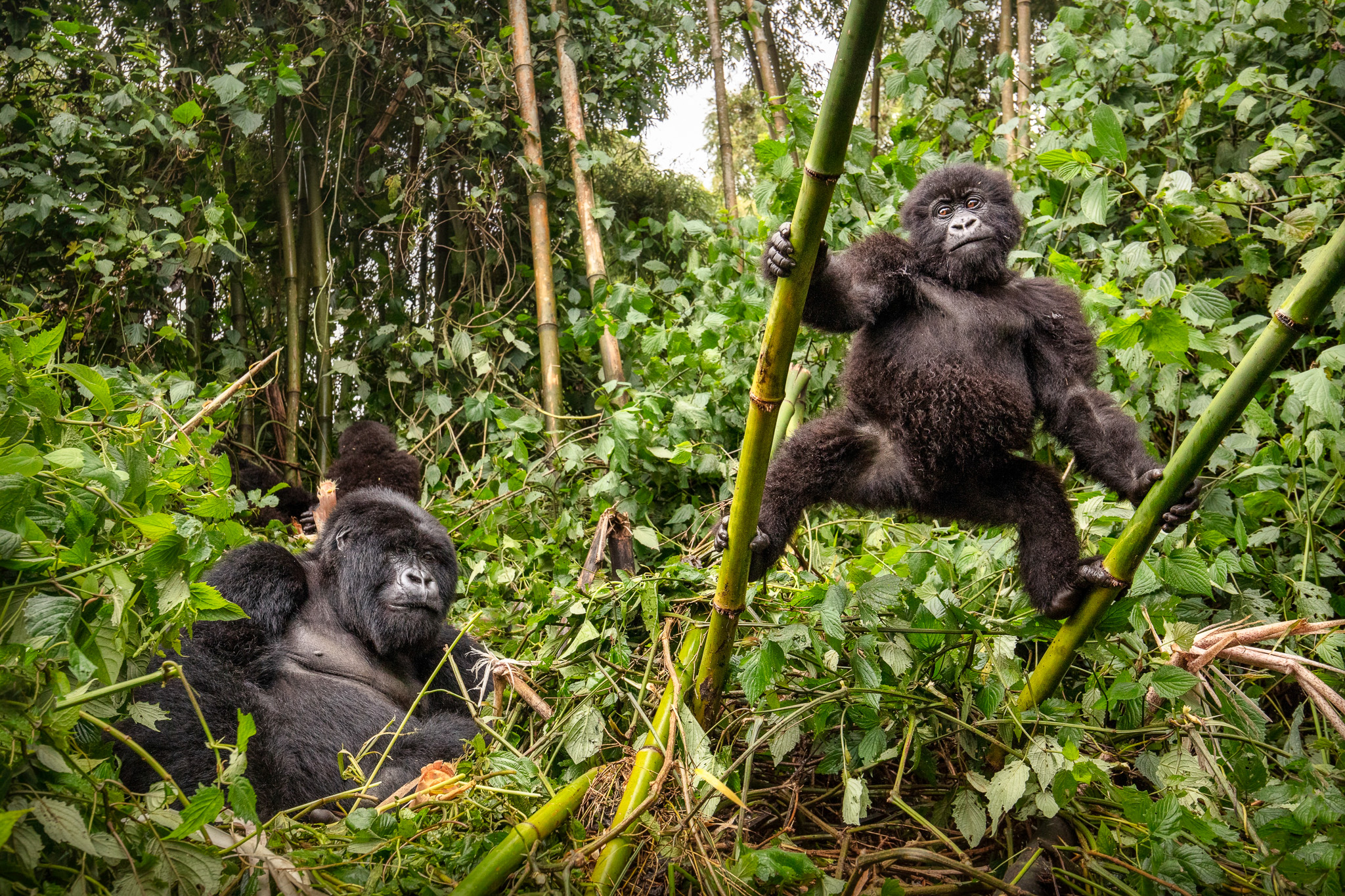
Age Limit for Gorilla Trekking
The universal age limit for gorilla trekking is 15 years and older across Uganda, Rwanda, and the DRC. This rule, enforced rigorously by park rangers during briefings, stems from health and safety concerns.
Children under 15 are more likely to carry transmissible illnesses like measles or mumps, which could devastate gorilla populations lacking immunity.
Additionally, the physical demands—steep, muddy trails up to 6+ hours—require a level of stamina and maturity that younger participants may lack.
For families traveling from the USA or Europe, this means planning alternatives like chimpanzee trekking (often allowing ages 12+) or cultural visits.
Exceptions are rare; even fit 14-year-olds are turned away, with no refunds. In practice, rangers check IDs at trailheads, so carry passports.
For seniors (no upper limit, but fitness assessed), operators recommend medical clearance. This rule underscores trekking’s seriousness—it’s not a casual outing but a conservation-focused activity.
Health & Medical Restrictions
Health regulations are among the most strictly enforced rules in gorilla trekking—and for good reason. The endangered Mountain Gorilla is highly vulnerable to human diseases.
Because gorillas share approximately 98% of human DNA, common viruses that cause mild symptoms in humans can be fatal to them.
No Trekking If You Are Sick
Visitors showing signs of illness are not permitted to trek. This includes:
-
Flu or cold symptoms
-
Persistent cough
-
Fever
-
Sore throat
-
Gastrointestinal illness
If you arrive at the park unwell, rangers have full authority to deny access—with no refund of permit fees.
Flu or Cough = Immediate Denial
Respiratory infections pose the greatest risk. Even a minor cough can transmit airborne pathogens to gorillas. Park authorities in Uganda, Rwanda, and Congo take this extremely seriously.
COVID-Style Protocols & Masks
Following global health crises, some parks have introduced enhanced biosecurity measures, including:
-
Mandatory or recommended face masks near gorillas
-
Health screening during briefing
-
Temperature checks (when applicable)
Protocols may vary by country and season but are always enforced if required by conservation authorities.
Hand Sanitization & Hygiene
Trekkers must sanitize hands before entering the forest and may be asked to sanitize again before approaching gorillas. Littering, spitting, or eating near gorillas is strictly prohibited.
The 7-Meter Distance Rule
Visitors must maintain a minimum distance of 7 meters (about 23 feet) from gorillas at all times. This buffer reduces the risk of airborne disease transmission and minimizes stress to the animals.
Why These Rules Matter
Mountain gorillas have limited immunity to human pathogens. Past outbreaks of respiratory disease have caused fatalities within gorilla families. In small populations of just over 1,000 individuals, even a single transmission event can have devastating consequences.
Strict health and medical regulations are not inconveniences—they are life-saving conservation measures.
Distance & Behavior Rules During Trekking
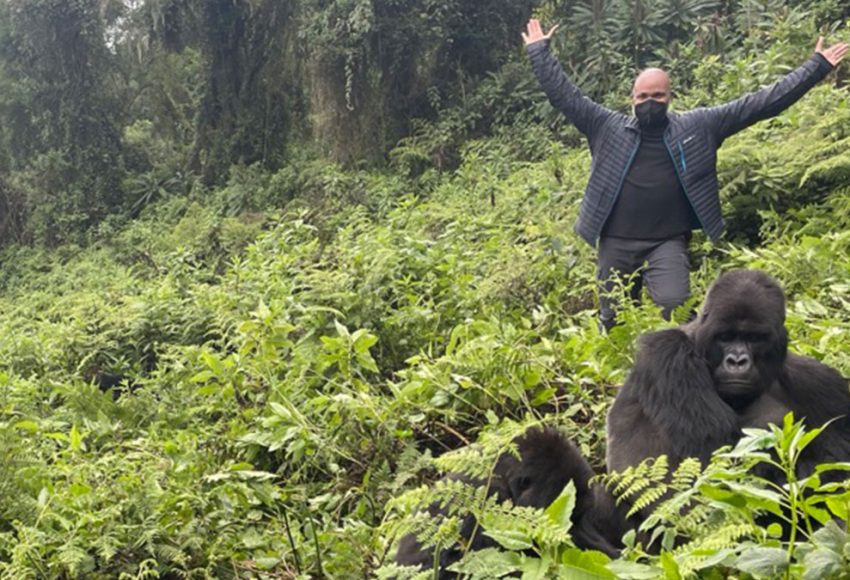
Maintaining a minimum distance of 7 meters (23 feet) from gorillas is the cardinal rule, enforced to reduce stress and disease risk.
Some sources cite 10 meters, but 7 meters is the standard per IGCP guidelines. If gorillas approach (curious juveniles often do), back away slowly without turning—guides will direct you.
Behavior rules emphasize respect: Speak in whispers, avoid direct eye contact with dominant silverbacks (seen as a challenge), and move calmly.
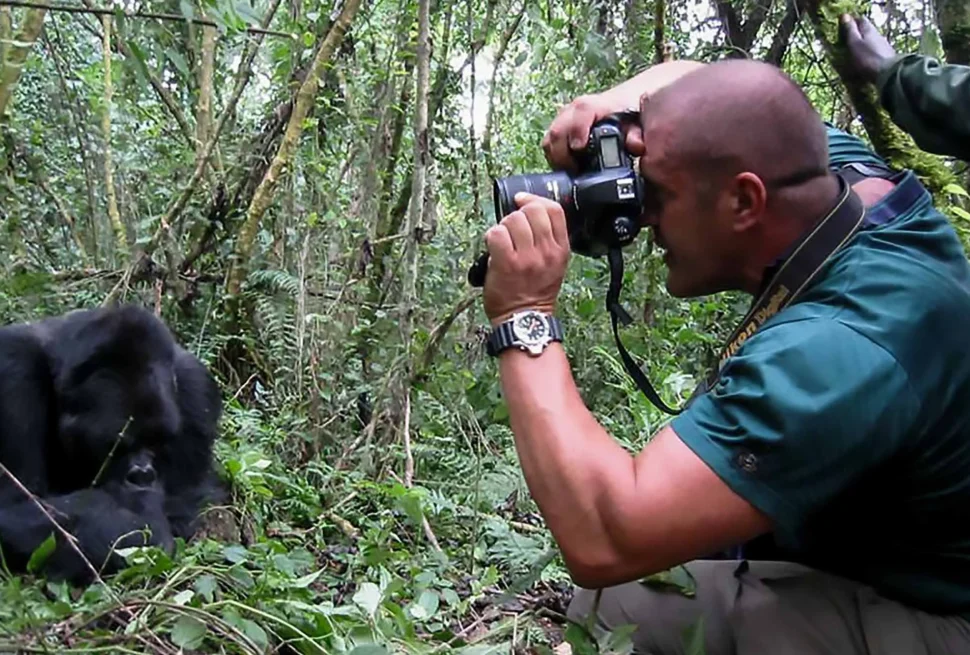
No touching, feeding, or mimicking sounds—these disrupt natural behaviors. Flash photography is banned (use natural light), and turn off phone sounds.
Eating, drinking, or smoking near gorillas is prohibited to avoid litter or scents. If you need to cough/sneeze, turn away and cover your mouth. These rules, briefed pre-trek, ensure ethical interactions that prioritize gorilla welfare over selfies.
Time Limits & Group Size Regulations
Observation time is strictly limited to one hour once gorillas are located, starting when the first trekker sees them. This minimizes disturbance, allowing families to resume normal activities. Trackers monitor time precisely, signaling departure even mid-moment.
Group sizes are capped at 8 trekkers per gorilla family per day (plus guides/rangers/porters)—no more, to prevent overwhelming the animals.
In Rwanda and Uganda, you’re assigned to groups based on fitness levels during briefing; in DRC, it’s similar when open. Only one group visits each family daily, rotating to distribute impact. These limits maintain trekking’s exclusivity and sustainability.
What Happens If You Break the Rules?
Violations can result in severe consequences, from immediate expulsion from the park to fines up to USD 5,000 or legal prosecution.
Rangers, empowered by national laws, enforce on-site: a distance breach might end your trek prematurely, with no refund. Repeat offenders risk blacklisting from future permits.
In extreme cases, like deliberate contact, international travelers could face detention or deportation. Operators like us emphasize pre-trip education to avoid this—most issues stem from ignorance, not malice. Conservationally, breaches erode trust in tourism, potentially leading to stricter limits.
Gorilla Trekking Safety Regulations
Safety rules blend personal protection with gorilla welfare. Armed rangers accompany every group, deterring wildlife threats (e.g., forest elephants) or poachers. Stay in formation, follow guides’ instructions—no wandering off trails.
Emergency protocols include evacuation plans for injuries; porters assist with gear. Weather can turn quickly—carry rain gear to avoid slips.
In DRC, security risks amplify rules: mandatory convoys and curfews. Overall, trekking is safe (incident rates under 1%), but fitness is key—pre-assess with hikes.
What to Wear – Official Gorilla Trekking Guidelines
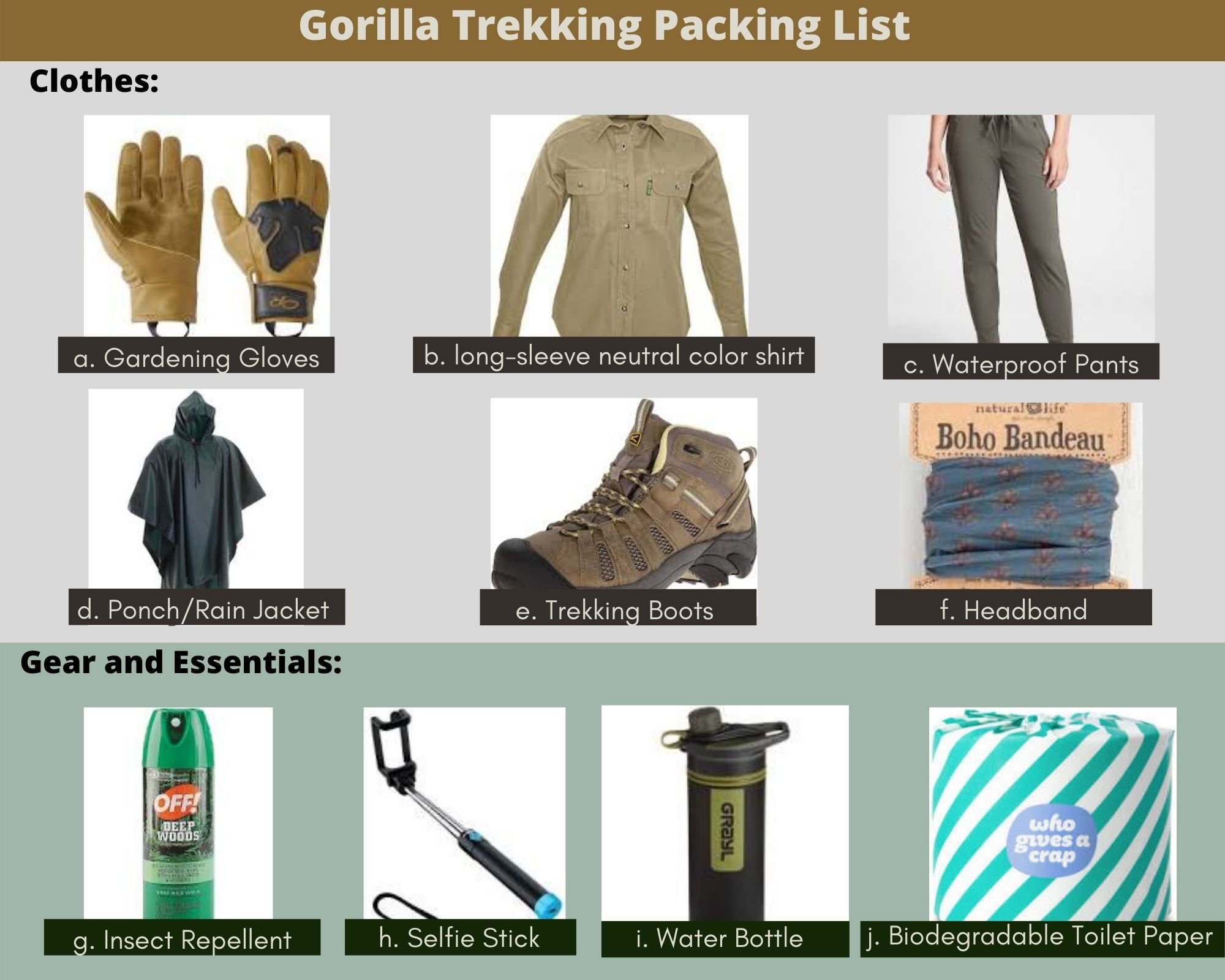
Dressing appropriately is a rule unto itself, ensuring comfort, safety, and camouflage. Official guidelines recommend long-sleeved shirts and long pants in neutral colors (khaki, green) to protect against nettles, insects, and thorns.
Sturdy, waterproof hiking boots with ankle support are essential for muddy, steep terrain—break them in beforehand. Gaiters prevent mud entry, and gardening gloves shield hands from vines.
A wide-brimmed hat, sunscreen, and insect repellent guard against sun/bugs. Layer for variable weather (7-27°C); a lightweight rain jacket is mandatory.
Avoid bright colors or perfumes—they disturb gorillas. Pack in a waterproof backpack; leave valuables behind.
Porter Rules & Community Support
Hiring porters isn’t mandatory but highly encouraged—it’s a rule of thumb for ethical travel. Porters, local community members, carry your bag (up to 18kg) for USD 15-20 per person, freeing you to focus on the trek.
Rules limit one porter per trekker; tip extra for excellent service. This supports livelihoods: in Uganda, porters’ associations receive training from UWA, reducing poaching incentives.
In Rwanda, similar programs empower women. By hiring, you comply with community engagement rules, fostering sustainable tourism.
Gorilla Habituation Experience Rules (Uganda Only)
Exclusive to Uganda’s Bwindi (Rushaga sector), the gorilla habituation experience allows four hours with semi-habituated groups, versus one.
Permits cost USD 1,500, with groups limited to 4-6 trekkers (plus experts). Rules mirror standard trekking but emphasize observation: assist scientists in data collection, maintain stricter silence.
Age limit remains 15+; fitness must be high for longer exposure. Only two groups available daily—book 12+ months ahead. This deepens conservation understanding, funding habituation efforts.
Best Time to Trek & Seasonal Regulations
The best time to trek gorillas is during dry seasons: June-September and December-February, when trails are less muddy and visibility peaks.
No formal seasonal regulations exist—trekking runs year-round—but wet seasons (March-May, October-November) increase difficulty (slippery paths, rain).
Permits remain available, often with discounts on lodging. In 2026, expect high demand; no weather closures, but monitor advisories for DRC volatility. Choose based on priorities: dry for ease, wet for value and lush scenery.
Common Mistakes Tourists Make
- Underestimating fitness: Assuming flat trails—train for elevation.
- Ignoring health rules: Trekking sick—always self-report.
- Booking late: Permits sell out; plan 6-18 months ahead.
- Wrong gear: Sandals instead of boots—leads to injuries.
- Breaking distance: For photos—guides intervene, but it risks all.
Conservation Impact of Following the Rules
Adhering to rules amplifies trekking’s positive footprint. Permits fund anti-poaching patrols (e.g., Uganda’s 500+ rangers) and habitat restoration.
Community shares (20% in Uganda, 10% in Rwanda) build schools and clinics, reducing encroachment. Strict limits have boosted gorilla numbers 20% since 2010. Your compliance models ethical tourism, inspiring global efforts.
Frequently Asked Questions
Can I touch a gorilla?
No. Touching a gorilla is strictly prohibited. Mountain gorillas are highly susceptible to human diseases due to their close genetic similarity to us. Even if a gorilla approaches you, remain calm and avoid contact. Rangers will guide the situation to ensure safety and conservation compliance.
What happens if a gorilla approaches me?
If a gorilla approaches, stay still, avoid eye contact, and remain calm. Do not step back suddenly or attempt to touch it. Rangers are trained to manage close encounters safely. Sometimes gorillas move freely within their habitat, temporarily reducing the 7-meter distance rule.
Can children go gorilla trekking?
No. The minimum age for gorilla trekking is 15 years, enforced in parks like Bwindi Impenetrable National Park and Volcanoes National Park. This rule protects gorillas from disease transmission and ensures participants can handle the physical and behavioral demands of trekking.
Are gorilla permits refundable?
Generally, gorilla permits are non-refundable and non-transferable once issued. Refunds may only apply in rare, officially approved circumstances such as verified medical emergencies. Weather conditions or personal cancellations typically do not qualify for reimbursement, so travel insurance is strongly recommended.
Is gorilla trekking safe?
Yes, gorilla trekking is considered safe when conducted through licensed operators and park authorities. Armed ranger escorts, mandatory briefings, and controlled group sizes ensure safety. Parks such as Virunga National Park operate under structured conservation and security protocols.
Final Travel Advice from Safari Experts
Gorilla trekking is transformative, but success hinges on preparation and respect for rules. Assess your fitness, book early, and choose Uganda for value or Rwanda for luxury. From our base in Kampala, we’ve guided thousands safely—trust experts to navigate permits and logistics.
Don’t miss out—gorilla permits for 2026 are already scarce. As a trusted, licensed safari company, GoSilverback Safaris secures your spot with personalized itineraries, expert guides, and ethical practices.
Contact us today for a free quote and turn your dream trek into reality. Book now and contribute to conservation while creating unforgettable memories!


[…] gorilla trekking safety rules are followed, the risk of injury is statistically near […]