
Volcanoes National Park Rwanda: Ultimate Trekking Guide 2026
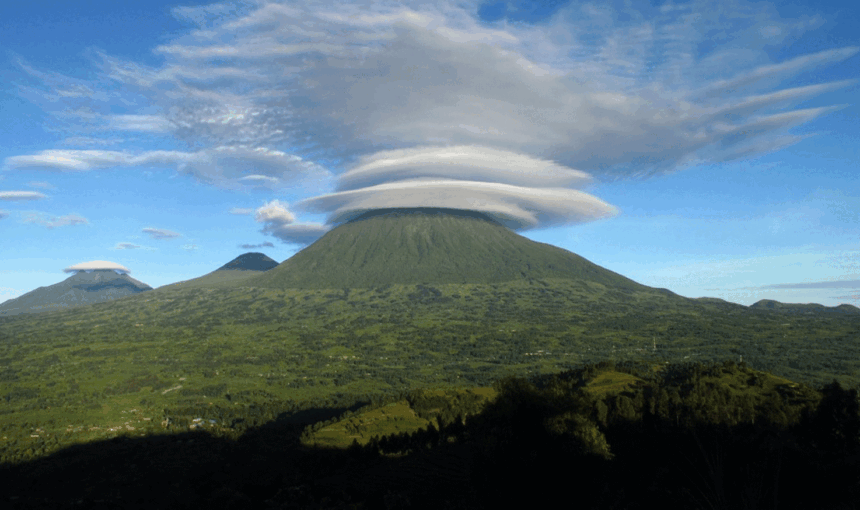
Volcanoes National Park is Rwanda’s premier gorilla trekking destination in the northwest, spanning 160 km² across the Virunga Mountains’ steep slopes. Home to ~400 of the world’s 1,063 mountain gorillas, the park features five dormant volcanoes—Karisimbi (4,507m), Bisoke, Sabyinyo, Gahinga, Muhabura—enveloped in misty bamboo and Afromontane rainforest.
Key attractions: Gorilla trekking (10 habituated families, $1,500 permit), golden monkey tracking, Dian Fossey tomb hike, Bisate crater lake. 200+ bird species, forest elephants, buffalo thrive amid 29 Albertine Rift endemics. Just 2.5 hours from Kigali, luxury lodges like Gorilla’s Nest offer volcano views.
Ecotourism impact: $25M+ annual revenue funds 80% patrols, saving gorillas from poaching via community revenue-sharing.
Best time: Dry seasons June-September, December-February.
Book 2026 treks with Go Silverback Safaris—witness silverbacks in their mist-shrouded paradise, supporting conservation.
As seasoned safari operators based in Kampala with extensive partnerships across East Africa, we at GoSilverback Safaris have guided countless international travelers from the USA, UK, Europe, Canada, Asia, and the Middle East through the mist-shrouded wonders of Volcanoes National Park.
This iconic destination, often hailed as the crown jewel of Rwanda safaris, offers an unparalleled blend of adventure, conservation, and cultural immersion.
Home to over a third of the world’s remaining mountain gorillas, the park’s dramatic volcanic landscapes and rich biodiversity create transformative experiences that resonate long after you return home.
In this detailed guide, we’ll explore every facet of Volcanoes National Park, from its geography and history to practical advice on gorilla trekking, ensuring you’re fully prepared for a seamless journey.
Whether you’re a first-time visitor from New York seeking the thrill of gorilla trekking or a seasoned explorer from Dubai drawn to sustainable wildlife encounters, our insights—drawn from years of on-the-ground expertise—will help you plan an unforgettable Rwanda safari.
Volcanoes National Park Information
Volcanoes National Park, known locally as Parc National des Volcans, stands as Africa’s oldest national park and a cornerstone of global conservation efforts.
Established in 1925 as part of the larger Albert National Park under Belgian colonial rule, it was initially created to protect the endangered mountain gorillas from poaching and habitat loss.
Spanning 160 square kilometers (62 square miles), the park forms the Rwandan portion of the Virunga Massif, a transboundary conservation area shared with Uganda’s Mgahinga Gorilla National Park and the Democratic Republic of Congo’s Virunga National Park.
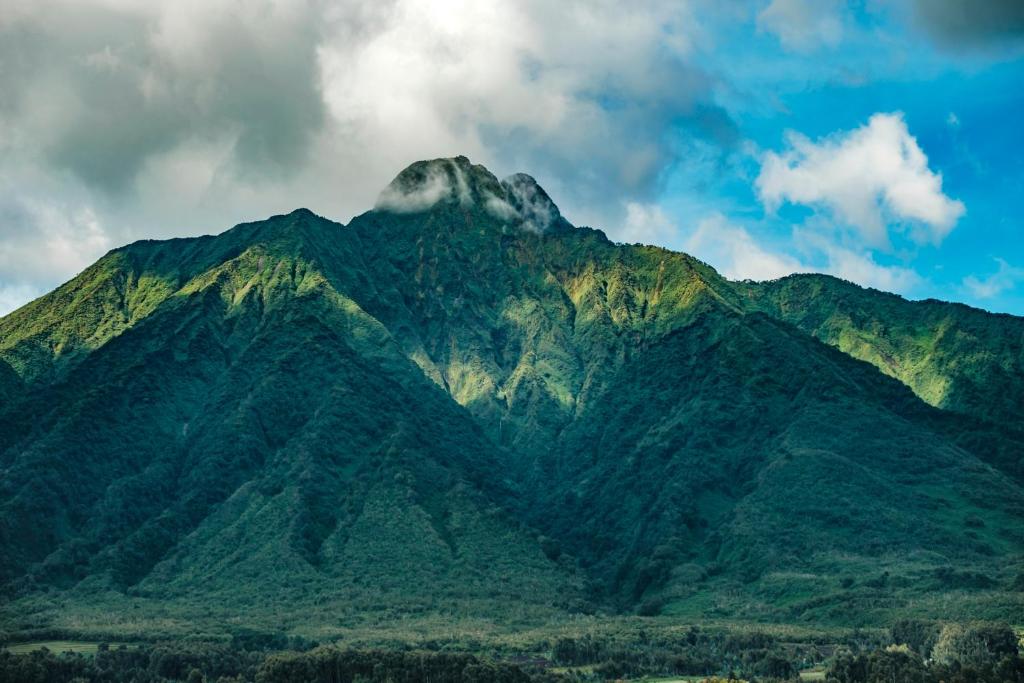
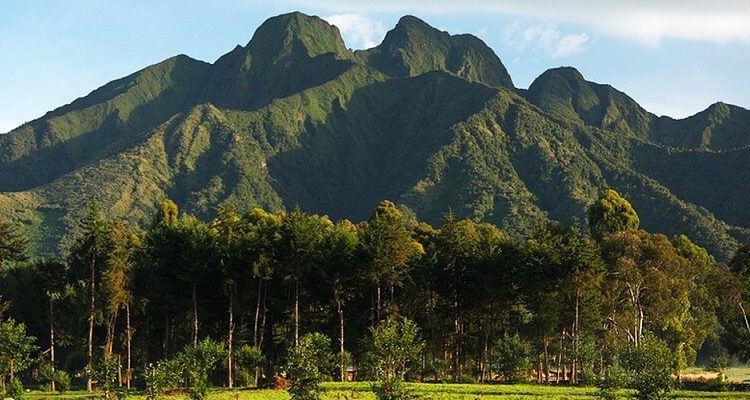
This volcanic chain includes five dormant peaks within Rwanda: Mount Karisimbi (4,507 meters/14,787 feet)—the highest—followed by Mount Bisoke (3,711 meters/12,175 feet), Mount Sabyinyo (3,669 meters/12,037 feet), Mount Gahinga (3,474 meters/11,398 feet), and Mount Muhabura (4,127 meters/13,540 feet).
These ancient volcanoes, now extinct or dormant, have shaped a rugged terrain of steep slopes, bamboo forests, and montane ecosystems that support exceptional biodiversity.
The park’s elevation ranges from 2,400 to 4,507 meters (7,874 to 14,787 feet), creating microclimates that foster a variety of habitats, from dense bamboo zones to open meadows and hypericum woodlands.
This diversity sustains not only the park’s flagship species—the critically endangered mountain gorillas—but also a host of other wildlife, including golden monkeys, forest elephants, buffalo, and over 200 bird species, many endemic to the Albertine Rift.
Managed by the Rwanda Development Board (RDB), the park generates significant revenue through tourism, with gorilla trekking permits funding anti-poaching patrols, veterinary care via organizations like Gorilla Doctors, and community development projects.
In 2026, with gorilla populations stable at around 1,063 individuals globally (per the 2023 census), Volcanoes National Park continues to exemplify successful conservation, drawing eco-conscious travelers who value ethical wildlife experiences.
For international visitors, the park’s accessibility and premium infrastructure make it ideal for short Rwanda safaris or extensions from broader East African itineraries.
Entry requires permits for activities like gorilla trekking, with daily limits ensuring low-impact tourism. As we transition to logistics, understanding how to reach this remote haven is key to planning your visit.
Getting to the Volcanoes National Park
Reaching Volcanoes National Park is straightforward, thanks to Rwanda’s efficient infrastructure and proximity to the capital.
Most international travelers fly into Kigali International Airport (KGL), a modern hub serviced by major carriers like RwandAir, Qatar Airways, and Ethiopian Airlines from hubs in the USA (via connections), UK, Europe, Canada, Asia, and the Middle East.
From Kigali, the park lies approximately 105-116 kilometers (65-72 miles) northwest in Musanze District, making it an accessible day trip or overnight extension.
The most common route is by road, a scenic 2-3 hour drive along well-paved highways through rolling hills and terraced farmlands.
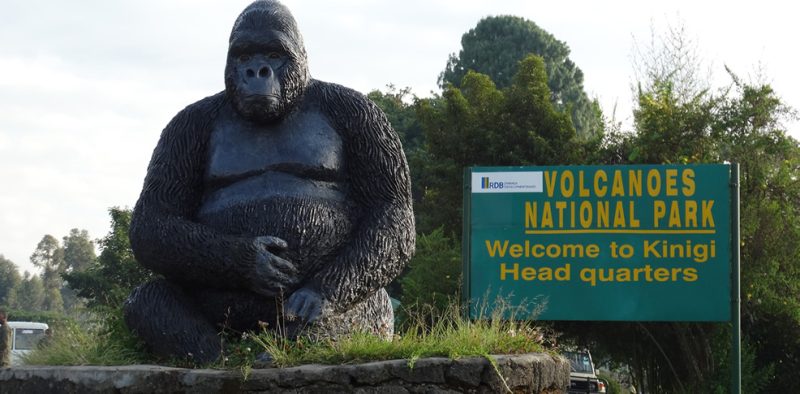
Private transfers, arranged through operators like us at GoSilverback Safaris, use comfortable 4×4 vehicles equipped for the final stretch of winding roads to the park headquarters in Kinigi.
For budget-conscious travelers, public buses depart hourly from Kigali’s Nyabugogo Bus Station to Musanze (formerly Ruhengeri), costing around USD 5-10 and taking about 2.5 hours.
From Musanze town center, a short 20-minute taxi ride (USD 10-20) reaches Kinigi. Self-drive options are available with rental cars from Kigali (starting at USD 50/day), but we recommend guided transport for navigation and safety, especially for first-time visitors from abroad.
For a premium arrival, helicopter charters via Akagera Aviation offer a 30-minute aerial transfer from Kigali, providing breathtaking views of the Virunga volcanoes at around USD 1,500-2,000 per flight (up to 4 passengers).
This option suits time-constrained executives from Toronto or Dubai seeking efficiency. Once at the park, all activities start from Kinigi headquarters, where briefings occur.
Plan to arrive by 6:30-7:00 AM for gorilla trekking. With access sorted, let’s examine the park’s operating schedule to align your itinerary.
Travel Requirements for Rwanda
Planning a successful safari to Volcanoes National Park requires understanding the essential travel requirements. Ensuring all documents, vaccinations, and logistics are in order will make your gorilla trekking and wildlife experience smooth and stress-free.
1. Visa Information
Most international travelers, including visitors from the USA, UK, Europe, Canada, China, India, and the Middle East, require a visa to enter Rwanda.
Travelers can conveniently obtain a single-entry e-visa online via the Rwanda Directorate General of Immigration & Emigration, which is valid for 30 days.
Some nationalities may also obtain a visa on arrival at Kigali International Airport, though applying online in advance is highly recommended to avoid delays.
2. Yellow Fever Vaccination
A yellow fever vaccination certificate is mandatory for all travelers over 1 year of age arriving from countries with risk of yellow fever transmission.
This vaccination must be administered at least 10 days before arrival. It is crucial to carry the certificate with your passport, as authorities may check upon arrival.
3. Travel Insurance
Comprehensive travel insurance is strongly recommended, covering medical emergencies, evacuation, trip cancellations, and high-altitude trekking activities.
Many safari operators require proof of travel insurance before permitting gorilla trekking, ensuring that both you and the wildlife experience are protected.
4. Currency
The Rwandan Franc (RWF) is the official currency. While major hotels and lodges accept credit cards (Visa/MasterCard), it is advisable to carry some local currency for small purchases, tips, and park entry fees.
ATMs are widely available in Kigali, Musanze, and major towns, but remote areas may have limited access.
By ensuring your visa, vaccinations, insurance, and currency needs are sorted ahead of time, you can fully focus on the adventure of gorilla trekking and exploring Volcanoes National Park.
Volcanoes National Park Operating Hours
Volcanoes National Park operates year-round, reflecting its commitment to sustainable tourism and conservation.
The park gates open daily at 6:00 AM and close at 6:00 PM, but most activities, including gorilla trekking and golden monkey tracking, commence with mandatory briefings at Kinigi headquarters around 7:00 AM.
Trekkers typically depart by 8:00 AM, returning by early afternoon, though hikes can extend into the evening in rare cases—always coordinate with rangers for safety.
For volcano hikes, such as the popular Mount Bisoke trail, registrations begin at 6:30 AM, with departures shortly after. Dian Fossey’s tomb visits and cultural experiences at Iby’Iwacu Village follow similar morning starts.
Evening activities are limited due to wildlife risks and low visibility, but some lodges offer guided night walks on park peripheries. In 2026, with no seasonal closures, the park accommodates high demand, but permits must be booked in advance (often 9-12 months for peaks).
Weather can influence starts; heavy rains may delay briefings, so flexibility is essential. Understanding the climate patterns will help you time your visit effectively.
Weather Conditions
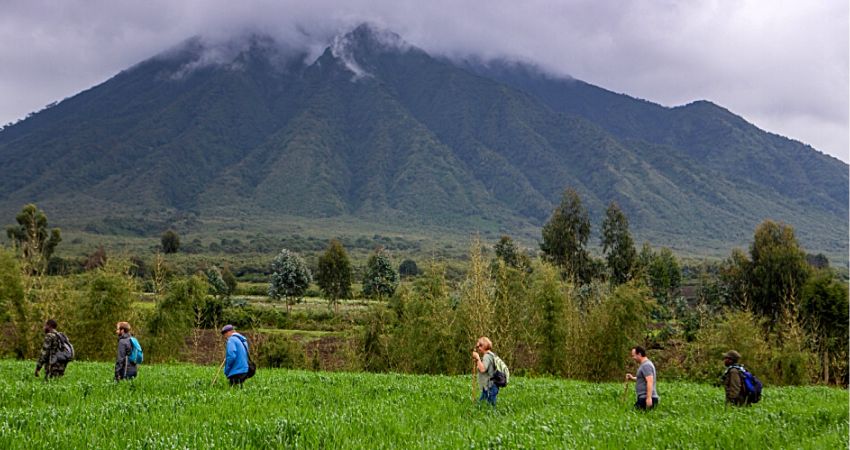
Volcanoes National Park’s highland climate is temperate yet unpredictable, influenced by its equatorial location and elevations up to 4,507 meters. Daytime temperatures average 20-27°C (68-81°F), dropping to 7-15°C (45-59°F) at night, with frost possible on higher peaks.
Annual rainfall ranges from 1,400-2,390 mm, concentrated in two wet seasons: the long rains from March to May (peaking at 200-250 mm/month) and short rains from October to November (150-250 mm/month). These periods bring frequent afternoon downpours, turning trails muddy and increasing trek difficulty.
Dry seasons—June to September (long dry, driest in July at 30-70 mm/month) and December to February (short dry, 80-120 mm/month)—offer clearer skies, firmer paths, and better visibility, ideal for gorilla trekking.
However, rain can occur anytime, with humidity at 80-90%. For travelers from drier climates like the Middle East, pack layers to combat chill; those from humid Asia may find the altitude’s thin air more challenging.
Climate change has made patterns less predictable, so check forecasts via apps like AccuWeather. Now, pinpointing the park’s exact location will ground your planning.
Where Is Volcanoes National Park?
Volcanoes National Park occupies a prime spot in northwestern Rwanda’s Musanze District, formerly Ruhengeri, at coordinates 1°28′03″S 29°29′33″E.
Bordering Uganda to the north and the Democratic Republic of Congo to the west, it forms part of the transboundary Virunga Conservation Area.
The park’s core lies along the Virunga Mountains‘ Rwandan flank, with Kinigi headquarters at 2,500 meters (8,202 feet) elevation, just 20 minutes from Musanze town.
From Kigali, head northwest via RN4 highway, passing through picturesque valleys before ascending to the volcanic highlands. The park’s compact size—160 sq km—belies its global significance, protecting habitats from bamboo forests at lower elevations to alpine meadows above 3,000 meters.
For GPS users, Kinigi is the key entry point. This strategic location makes it Rwanda’s most accessible gorilla destination, drawing worldwide fame as we explore next.
Why Volcanoes National Park Is Famous Worldwide
Volcanoes National Park’s worldwide renown stems from its role as a sanctuary for mountain gorillas, housing about 600 individuals—over half the global population.
Immortalized by primatologist Dian Fossey’s work at Karisoke Research Center (established 1967), the park gained international attention through her book “Gorillas in the Mist” and the 1988 film.
Fossey’s anti-poaching efforts, amid civil unrest, highlighted the gorillas’ plight, leading to population recovery from near-extinction.
Today, the park’s 12 habituated gorilla families enable intimate treks, with 96 daily permits supporting conservation. Beyond gorillas, its five volcanoes offer challenging hikes, while golden monkeys and 200+ bird species attract ornithologists.
As a UNESCO-recognized biodiversity hotspot in the Albertine Rift, it exemplifies Rwanda’s “Visit Rwanda” campaign, blending adventure with sustainability.
For global travelers, it’s a bucket-list icon, symbolizing successful human-wildlife coexistence. This fame centers on gorilla trekking, detailed below.
Gorilla Trekking in Volcanoes National Park
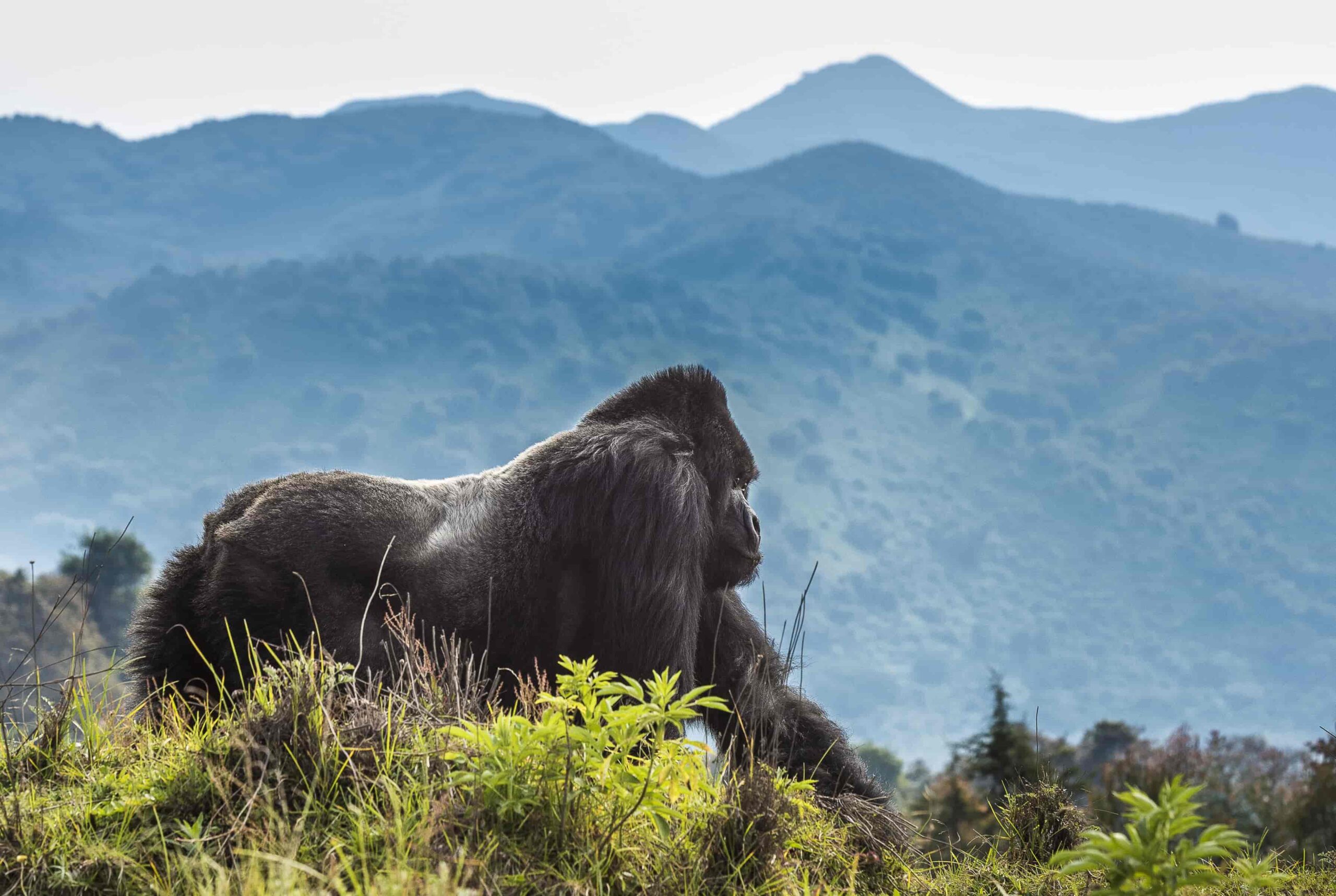
Gorilla trekking in Volcanoes National Park is the park’s signature experience, allowing small groups to observe habituated mountain gorilla families in their natural habitat.
With 12 families available (e.g., Susa, Kwitonda, Hirwa), treks start at Kinigi with a 7:00 AM briefing, where rangers assign groups based on fitness.
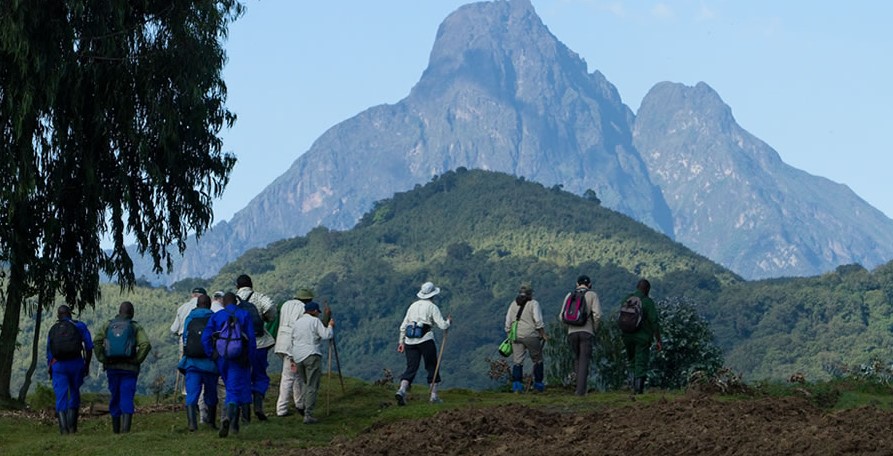
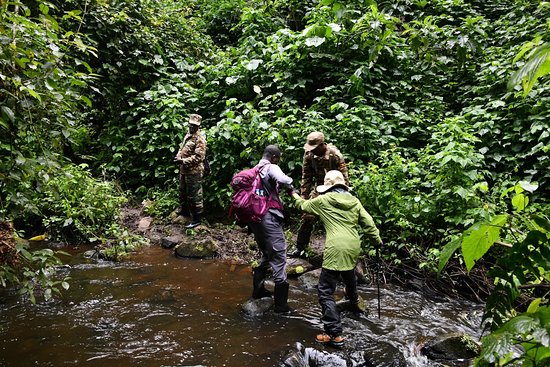
Accompanied by armed guides and trackers, you’ll hike 1-7 hours through bamboo and montane forests, navigating steep, muddy trails at altitudes of 2,500-4,000 meters.
Upon locating the gorillas, spend one hour observing from 7 meters away, witnessing behaviors like silverback displays or infant play.
Success rates exceed 95%, thanks to daily monitoring. In 2026, demand remains high, so secure permits early. Costs include porters (USD 10-20) for gear.
This ethical encounter funds conservation, transitioning us to permit pricing.
Rwanda Gorilla Permit Cost (2026 Update)
As of 2025-2026, Rwanda gorilla permit costs remain USD 1,500 for foreign non-residents, reflecting the premium experience and conservation funding.
Permits are date-specific, non-refundable, and limited to 96 per day. Book via RDB or operators like GoSilverback Safaris 9-12 months ahead for peaks.
Low-season promotions (November-May) offer 30% off. This fee supports patrols and communities. Proper attire enhances safety, as discussed next.
What to Wear for Gorilla Trekking?
Dressing appropriately for gorilla trekking in Volcanoes National Park ensures comfort and protection in the humid, rugged terrain.
- Opt for neutral colors (greens, khakis) to blend in; avoid bright hues that alarm gorillas.
- Wear long-sleeved shirts and pants in lightweight, quick-dry fabric to shield from nettles, insects, and sun.
- Layer with a fleece or sweater for cool mornings.
- Footwear is crucial: sturdy, waterproof hiking boots with ankle support and good grip handle mud and slopes; pair with thick socks and gaiters to keep out debris.
- A rain jacket or poncho is essential for sudden showers.
- Accessories include gardening gloves for gripping vines, a wide-brimmed hat, and sunglasses. Pack insect repellent and sunscreen.
- This gear prepares you for the best visiting times.
Best Time to Visit Volcanoes National Park
The best time to visit Volcanoes National Park aligns with dry seasons for optimal trekking: June to September (long dry, lowest rainfall 30-70 mm/month) and December to February (short dry, 80-120 mm/month).
These periods offer firmer trails, less mud, and clearer gorilla views, with temperatures at 20-27°C. Peak demand means booking permits early.
Wet seasons (March-May, October-November) bring lush scenery and fewer crowds but slippery paths and rain (150-250 mm/month).
For photographers, wet months provide dramatic mist; budget travelers enjoy discounts. Year-round access suits flexible itineraries.
Conservation efforts amplify the park’s value, as explored next.
Conservation & Community Impact – Rwanda
Conservation in Volcanoes National Park has driven mountain gorilla recovery, with populations rising to over 600 in the Virungas through anti-poaching and habitat protection.
Tourism revenue—10% shared with communities—funds schools, clinics, and livelihoods, reducing poaching. Initiatives like the Volcanoes Community Resilience Project expand the park by 23% (3,750 hectares), relocating 3,400 families to climate-resilient villages with improved infrastructure.
Partnerships with AWF and RDB promote sustainable farming and ecotourism, benefiting locals while minimizing conflicts. This model empowers communities as stewards, ensuring long-term biodiversity. Trekking difficulty, however, requires preparation.
Trekking Difficulty Level Explained
Gorilla trekking difficulty in Volcanoes National Park rates moderate to strenuous (7-9/10), due to steep volcanic terrain, dense vegetation, and altitudes of 2,500-4,000 meters.
Treks last 2-7 hours, involving slippery mud, nettles, and inclines. Thin air can cause fatigue; wet seasons amplify challenges.
For moderately fit travelers, it’s achievable with porters (USD 10-20). Easier families suit beginners; train with cardio 2-3 months prior. Rewards outweigh efforts, especially amid diverse wildlife.
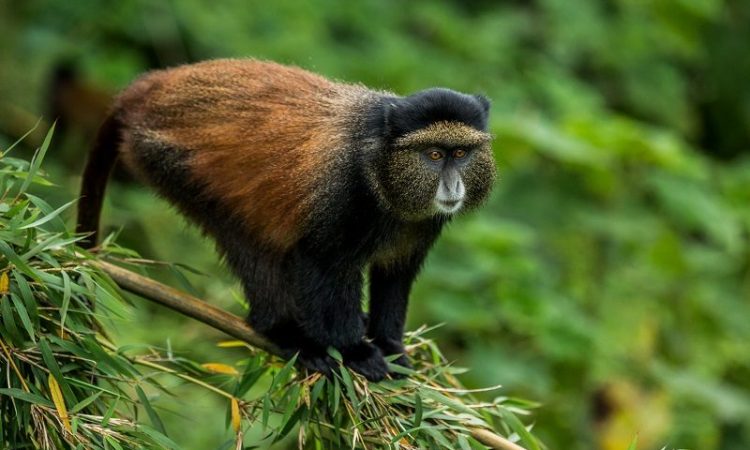
Wildlife in Volcanoes National Park
Beyond gorillas, Volcanoes National Park hosts rich wildlife: golden monkeys in bamboo zones, forest elephants, buffalo, and spotted hyenas. Primates include black-and-white colobus; small mammals like duikers abound.
Birdlife exceeds 200 species, with endemics like Rwenzori turacos. This biodiversity enriches safaris. Accommodations enhance stays.
Volcanoes National Park Safari Itineraries
1 Day Gorilla Trek Rwanda
The 1 Day Gorilla Trek is perfect for travelers with limited time but a strong desire to witness mountain gorillas in their natural habitat.
After an early morning pickup from Kigali, you will drive approximately 2–3 hours to Volcanoes National Park, enjoying scenic views of rolling hills and volcanoes.
Upon arrival, attend a ranger briefing before setting off into the forest in search of a habituated gorilla family. Trekkers spend up to one hour with the gorillas, capturing unforgettable photos and observing their behavior. After the trek, return to Kigali in the late afternoon, completing your full-day adventure.
2 Days Gorilla Safari
The 2-Day Gorilla Safari allows a more relaxed pace.
Day one includes transfer to Volcanoes National Park, optional cultural experiences such as visiting the Iby’Iwacu Cultural Village, and lodge check-in. On day two, enjoy a full morning of gorilla trekking, guided by experienced rangers.
Post-trek, you can relax at the lodge or explore nearby viewpoints before returning to Kigali. This itinerary is ideal for travelers who want to maximize comfort and immersion without rushing the experience.
3 Days Gorilla + Golden Monkey Safari
The 3-Day Gorilla and Golden Monkey Safari combines two of the park’s most rewarding primate encounters. Day one involves arrival and cultural experiences.
Day two focuses on gorilla trekking, spending one hour with a habituated gorilla family. On day three, you trek to observe the playful golden monkeys in their bamboo forest habitat.
This itinerary is ideal for wildlife enthusiasts, photographers, and families, offering both high-impact wildlife experiences in a compact schedule.
5 Days Rwanda Primate Safari
For the ultimate primate-focused adventure, the 5-Day Rwanda Primate Safari offers a comprehensive experience. It includes gorilla trekking, golden monkey trekking, and visits to other primate-rich forests such as Nyungwe Forest for chimpanzee trekking.
Guests enjoy cultural interactions, scenic drives through Rwanda’s volcanoes, and premium accommodations. This itinerary is perfect for travelers seeking an immersive, multi-day primate safari with expert guidance.
Book Your Volcanoes Safari with GoSilverback Safaris
Each itinerary is designed to combine convenience, safety, and conservation-focused adventure. GoSilverback Safaris handles all logistics, including gorilla and golden monkey permits, transportation, accommodations, and expert guides.
Secure your permits and experience one of the world’s most exclusive wildlife encounters today—book your Rwanda safari now.
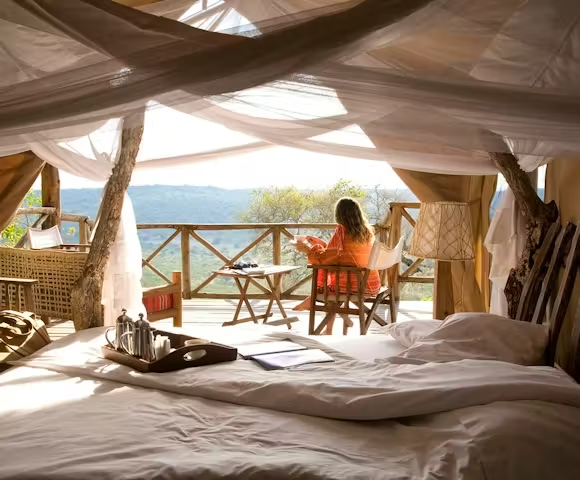
Accommodation Near Volcanoes National Park
Luxury options include Singita Kwitonda Lodge (from USD 2,000/night) with volcano views; One&Only Gorilla’s Nest (USD 3,000+) for spa luxury; Bisate Lodge (USD 1,800+) eco-focused.
Mid-range: Five Volcanoes Boutique Hotel (USD 640/double) with pools; Le Bambou Gorilla Lodge (USD 200-300) eco-cottages.
Budget: Kinigi Guesthouse (USD 50-100) basic rooms; Amarembo Gorilla Village (USD 100) cultural stays.
Book near Kinigi for convenience. Rules ensure safe treks.
Gorilla Trekking Rules and Regulations
Key rules: Age 15+; 7-meter distance; one hour viewing; no flash photography; masks if ill; max 8 per group. No eating/smoking near gorillas; bury waste. These protect health and minimize stress.
Rwanda Gorilla Trekking FAQs
What is the gorilla permit cost?
USD 1,500 for non-residents.
Can you trek in rainy season?
Yes, but muddier; sightings reliable.
Is July or August better?
July drier, August busier.
How far in advance to book?
9-12 months for 2026 peaks.
Which is best for trekking?
Rwanda for luxury, shorter hikes.
Ready to Explore Volcanoes National Park?
With limited gorilla permits and rising 2026 demand, secure your spot now. As your trusted partner, GoSilverback Safaris offers seamless bookings, expert guides, and tailored Rwanda safaris from Kampala.
Contact us today for personalized itineraries, permit guarantees, and ethical adventures. Book your gorilla permit through GoSilverback Safaris—your gateway to Rwanda’s wonders awaits!