Gorilla Trekking Packing List: 25+ Must-Have Essentials Ultimate Guide 2026
Gorilla Trekking Packing List: Preparing for gorilla trekking in Uganda or Rwanda ensures a safe, comfortable, and memorable experience.
Essentials include sturdy hiking boots, lightweight long-sleeve clothing for forest protection, a waterproof jacket, and a hat and sunglasses for sun protection.
Carry insect repellent, sunscreen, and a reusable water bottle. Bring a small backpack, camera with zoom lens, snacks, and personal medications.
Avoid bright colors and perfumes to prevent disturbing gorillas. Proper packing enhances your trekking experience, keeps you comfortable on muddy trails, and ensures you follow park regulations while safely observing gorillas in their natural habitat.
A gorilla safari in Uganda or Rwanda is unlike any other wildlife experience. You trek through dense, muddy rainforests in Bwindi Impenetrable National Park or Volcanoes National Park, where trails can be steep, slippery, and wet even in the dry season.
The key to a comfortable, safe trek is packing light, functional, and protective gear that shields against nettles, insects, rain, and thorns while adhering to park rules that minimize impact on endangered mountain gorillas.
Overpacking leads to heavy loads on strenuous hikes, while underpacking risks discomfort or safety issues.
Focus on neutral earth tones (greens, browns, khakis) to blend in and avoid attracting insects or startling wildlife.
Here is the definitive gorilla trekking packing list, refined from years of guiding international travelers.
Essential Gorilla Trekking Clothing & Wear
Gorilla trekking demands clothing that protects your skin while allowing freedom of movement. The forest is humid, buggy, and full of stinging nettles and vines—shorts and t-shirts expose you to scratches, bites, and sunburn.
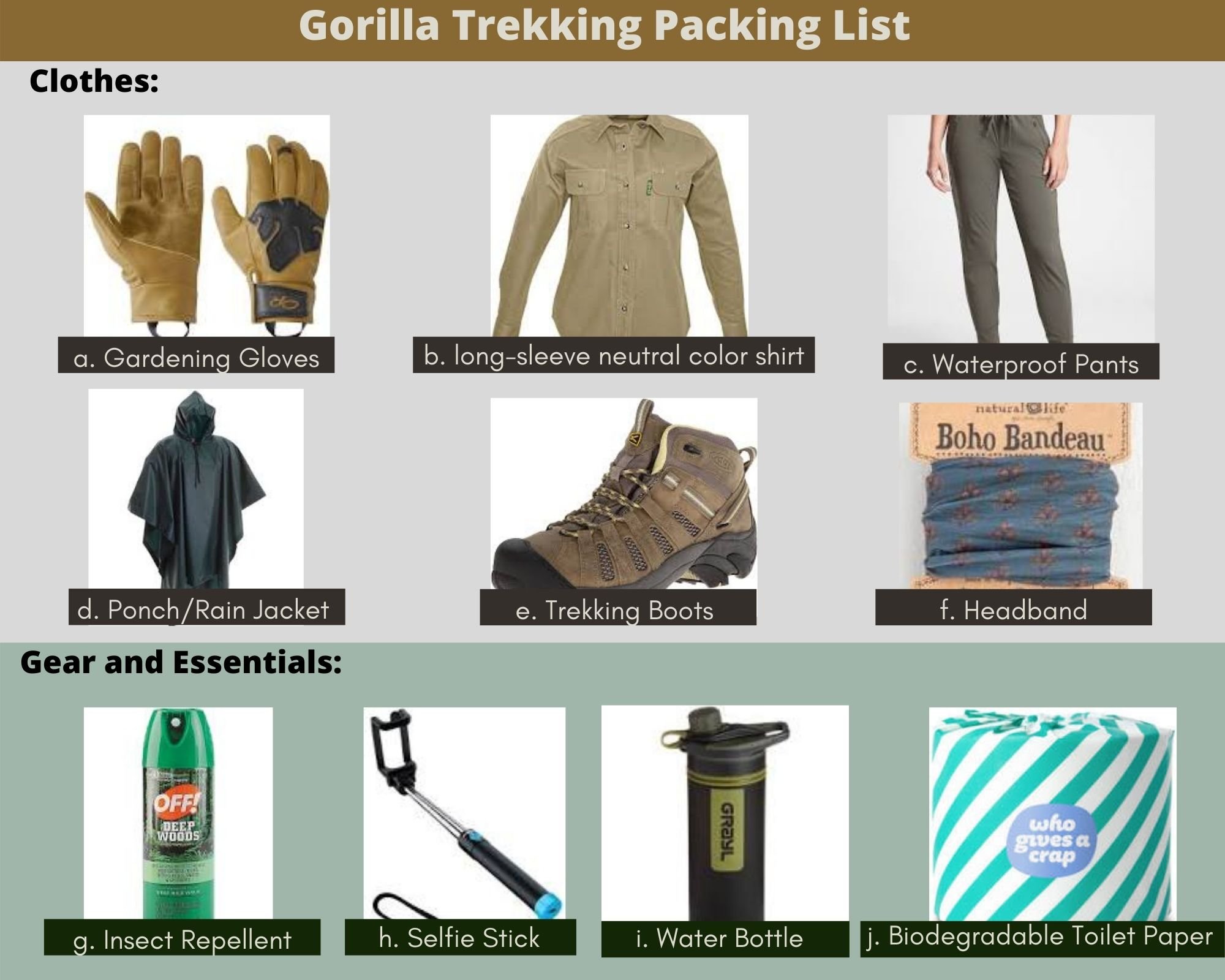
Wear long-sleeved shirts and long pants made of quick-drying, breathable fabric (nylon or lightweight cotton blends). Tuck shirts in to deter insects.
Choose neutral colors—avoid bright whites, blacks, or neons, as they can disturb gorillas or attract tsetse flies.
Bring 2–3 sets of trekking clothes so you can rotate and dry one while wearing the other.
A lightweight fleece or softshell jacket layers well for cooler mornings or high-altitude starts.
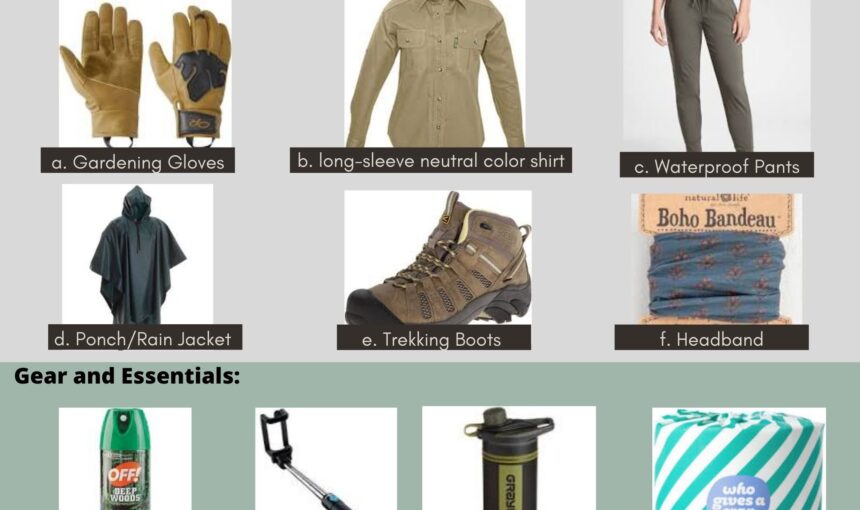
Waterproof rain gear is non-negotiable: a lightweight poncho or rain jacket and pants outperforms umbrellas in thick vegetation.
Ponchos cover your daypack too.
Gardening gloves (thick leather or rubberized) protect hands from nettles and thorns—essential when grabbing vines on steep climbs.
A wide-brimmed hat or cap shields from sun and rain, while a buff or neck gaiter doubles as dust mask or sun protection.

Crucial Footwear
Your feet endure the most punishment: muddy slopes, roots, and streams. Poor footwear causes blisters or twisted ankles, ending your trek early.
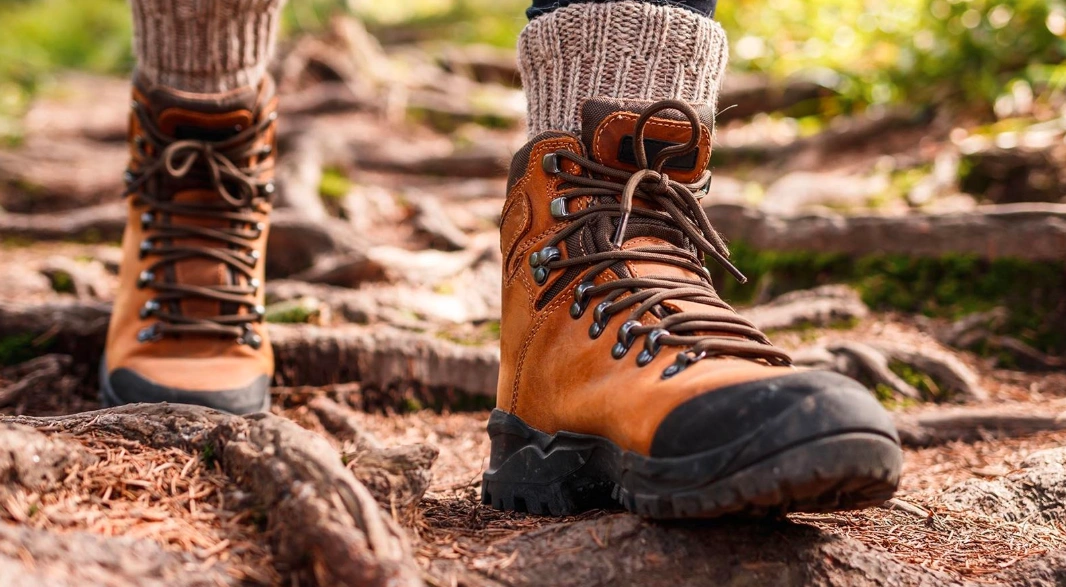
Invest in mid- to high-ankle waterproof hiking boots with aggressive tread and good ankle support.
Gore-Tex lining keeps feet dry; break them in months ahead to avoid blisters. Gaiters (optional but recommended) prevent mud and debris from entering boots on wet trails.
Wear thick wool or synthetic hiking socks (2 pairs per trek) to wick moisture and cushion feet. Avoid running shoes or sneakers—they lack grip and support in slippery conditions.
Essential Daypack Gear & Equipment
A small 20–30L daypack is all you need—porters carry heavier luggage to/from trailheads. Include a waterproof cover or dry bag inside.
Pack:
- Reusable water bottle (1–2L) or hydration bladder—lodges provide boiled water.
- High-energy snacks (nuts, energy bars)—treks last 2–8 hours.
- Compact rain poncho (if not wearing one).
- Small binoculars for distant gorilla views.
- Camera/phone with extra battery and waterproof case (no flash photography allowed).
- Walking stick (provided by parks) or collapsible poles for stability.
Keep weight under 5 kg to stay agile.
Health & Safety Items
Gorilla families are habituated but remain wild—health protocols are strict to prevent disease transmission.
Insect repellent with 30–50% DEET is critical; apply to skin and clothing. Sunscreen (SPF 50+), lip balm, and hand sanitizer prevent issues. Bring a basic first-aid kit: painkillers, anti-diarrheal, blister plasters, antiseptic, and personal medications.
Carry any required face masks—some parks mandate them during close encounters. Travel insurance with medical evacuation coverage is mandatory; altitude sickness is rare but possible in higher Volcanoes sectors.

Documents & Money
Keep originals in lodge safe; carry copies.
- Valid passport (6+ months validity) and visa (e-visa for Uganda/Rwanda).
- Printed or digital gorilla permit (non-transferable).
- Yellow fever certificate (required for entry).
- Comprehensive travel insurance policy details.
- USD cash (small bills for tips, park fees) and credit cards (Visa/Mastercard widely accepted at lodges).
General Safari & Lodge Wear
Lodges are comfortable and often upscale. Pack smart-casual evening wear: lightweight trousers, collared shirts, dresses, or polos. Bring swimwear if your lodge has a pool, and light layers for cooler evenings. A light scarf or shawl adds versatility.
What NOT to Pack
Avoid items that harm gorillas, violate rules, or add unnecessary weight.
- Bright-colored clothing or strong perfumes—they disturb wildlife.
- Drones, loud speakers, or single-use plastics—banned in parks.
- Heavy luggage—lodges provide laundry; pack for 3–4 days max.
- Cotton jeans—they stay wet and heavy.
- Excess electronics—power is limited; focus on essentials.
Packing right ensures you focus on the magic of meeting mountain gorillas, not discomfort.
Ready to embark on your gorilla safari? Our expert team at GoSilverback Safaris secures your permits, customizes your packing list, and handles every detail for a seamless, ethical experience.
Travelers from the USA, UK, Europe, Canada, Asia, and the Middle East trust us for personalized Uganda and Rwanda gorilla treks.
Contact us today to book your 2026 or 2027 adventure—prime dates fill quickly.