Mountain Gorilla Trekking Guide in Uganda, Rwanda & DR Congo: The Ultimate 2026 Planning Guide
Mountain Gorilla Trekking is a once-in-a-lifetime wildlife experience that allows travelers to observe endangered mountain gorillas in their natural rainforest habitat.
Conducted in protected parks such as Bwindi Impenetrable National Park (Uganda), Volcanoes National Park (Rwanda) and Virunga National Park (DR Congo), gorilla trekking is strictly regulated to ensure conservation and minimal human impact.
Treks begin early with ranger briefings, followed by guided forest hikes lasting 2–6 hours, depending on gorilla movement. Once located, visitors spend a maximum of 60 minutes with a habituated gorilla family, observing feeding, grooming, and social behavior.
Permit fees directly fund gorilla conservation, ranger protection, veterinary care, and community development, making mountain gorilla trekking both an unforgettable adventure and a powerful tool for wildlife preservation.
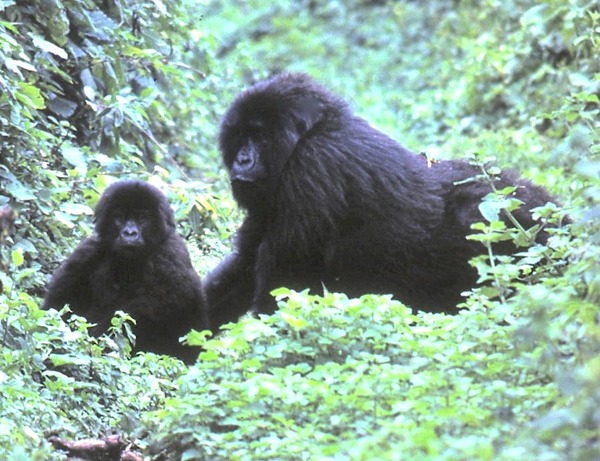
Mountain gorilla trekking is one of the most extraordinary wildlife experiences on Earth. Imagine standing just meters away from a massive silverback gorilla, watching a playful baby tumble through the undergrowth, and hearing the deep chest beats echoing through the misty forest.
This once-in-a-lifetime encounter with endangered mountain gorillas in their natural habitat leaves most travelers profoundly changed.
With only around 1,063 mountain gorillas left in the wild (as per the latest conservation estimates), gorilla trekking is not just a safari activity—it’s a powerful way to support conservation while creating unforgettable memories.
In 2026, mountain gorilla trekking in Uganda remains the most accessible, affordable, and rewarding option for travelers. Uganda’s Bwindi Impenetrable National Park and Mgahinga Gorilla National Park host the majority of habituated gorilla families, offering diverse trekking sectors and the highest success rates.
From Kampala, you can reach Bwindi in a scenic drive or short flight, making it ideal for both first-time visitors and seasoned adventurers.
This comprehensive guide covers everything you need to know: why choose gorilla trekking, the best locations, permit details, costs, what to expect on trek day, preparation tips, responsible practices, and recommended itineraries.
Whether you’re planning your dream adventure or seeking to book with a trusted local operator in Kampala, you’ll find actionable advice here to make your mountain gorilla trekking trip seamless and impactful.
Why Choose Mountain Gorilla Trekking?
The emotional power of mountain gorilla trekking is unmatched.
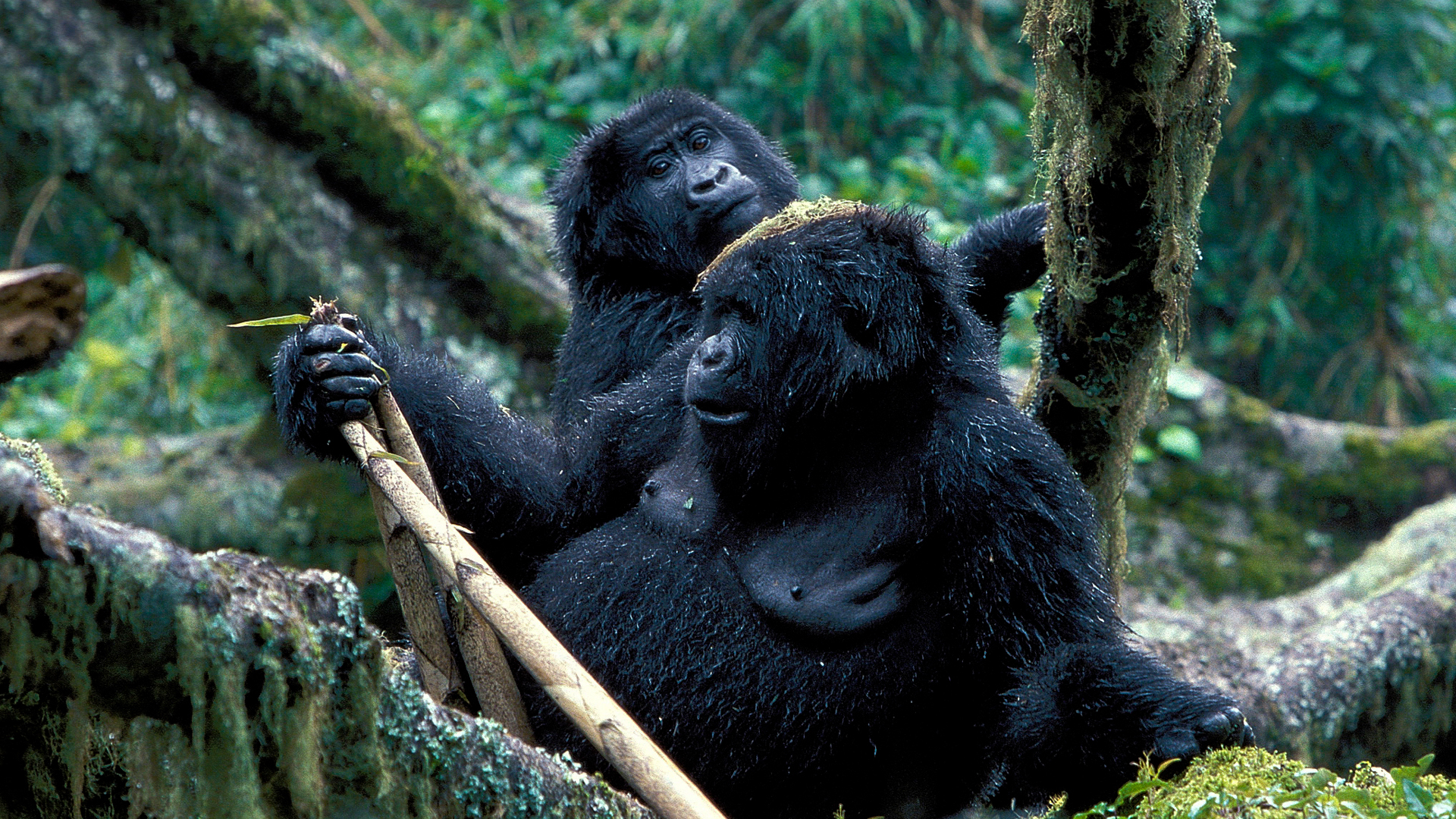
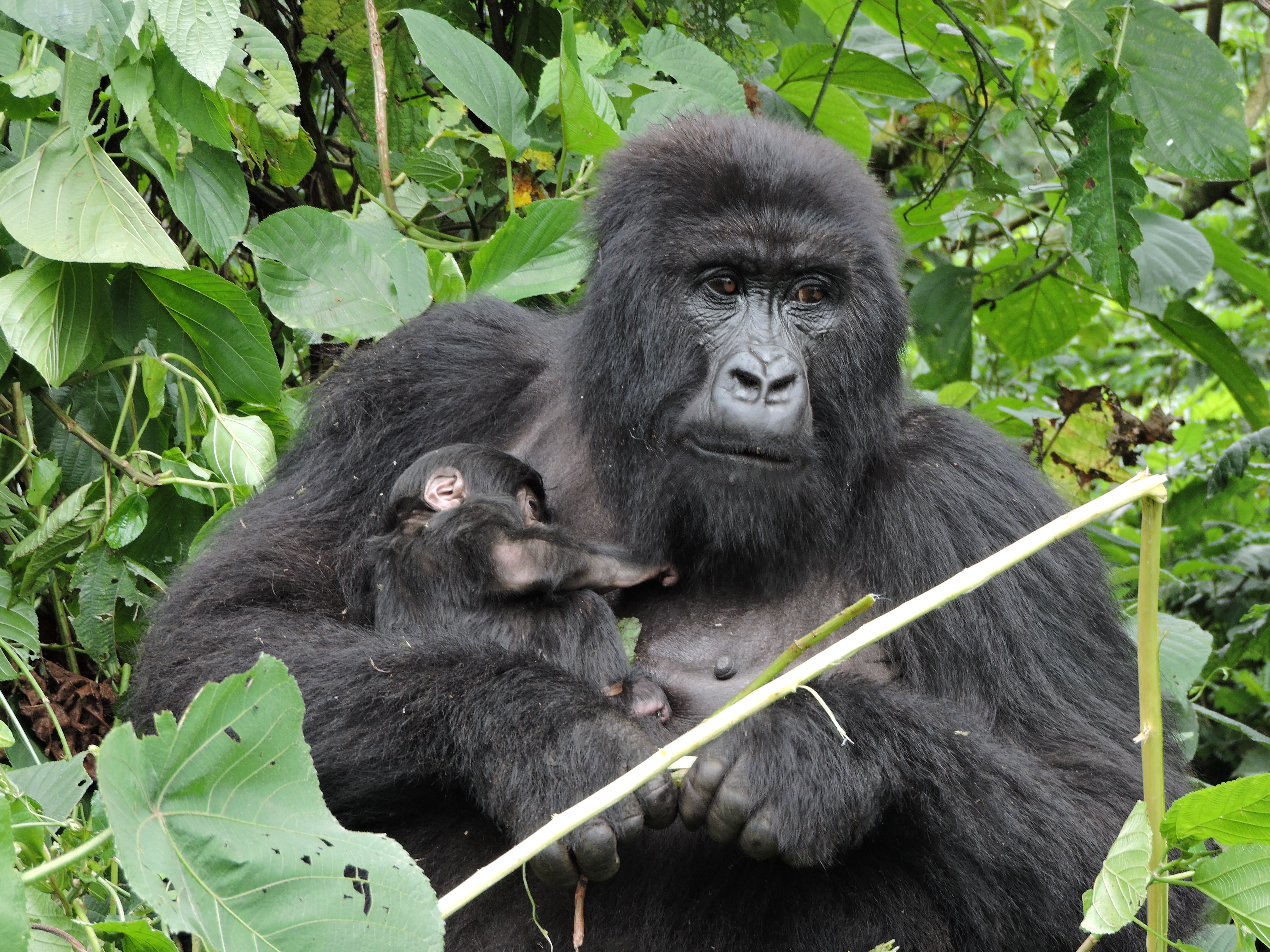
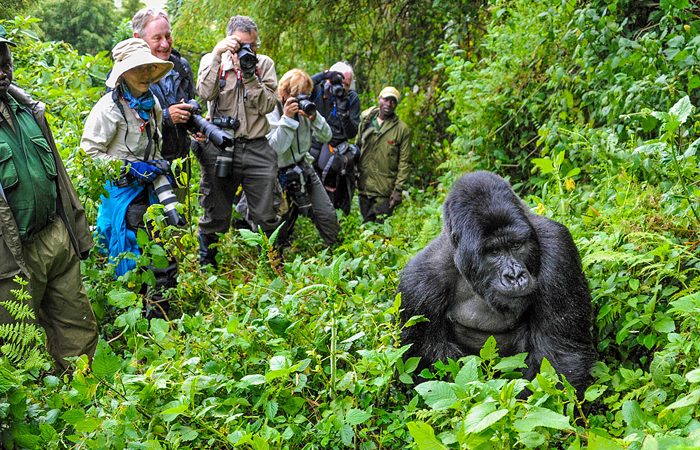
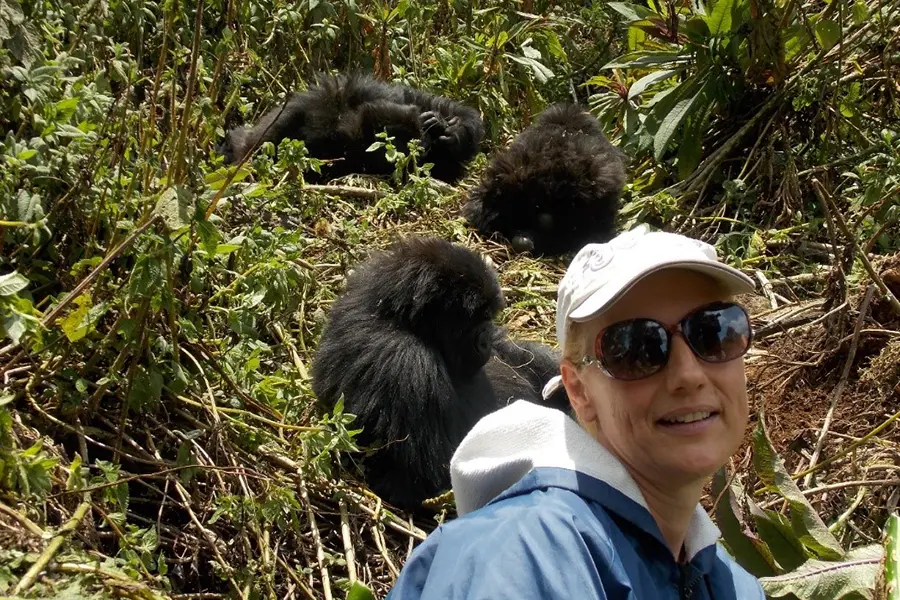
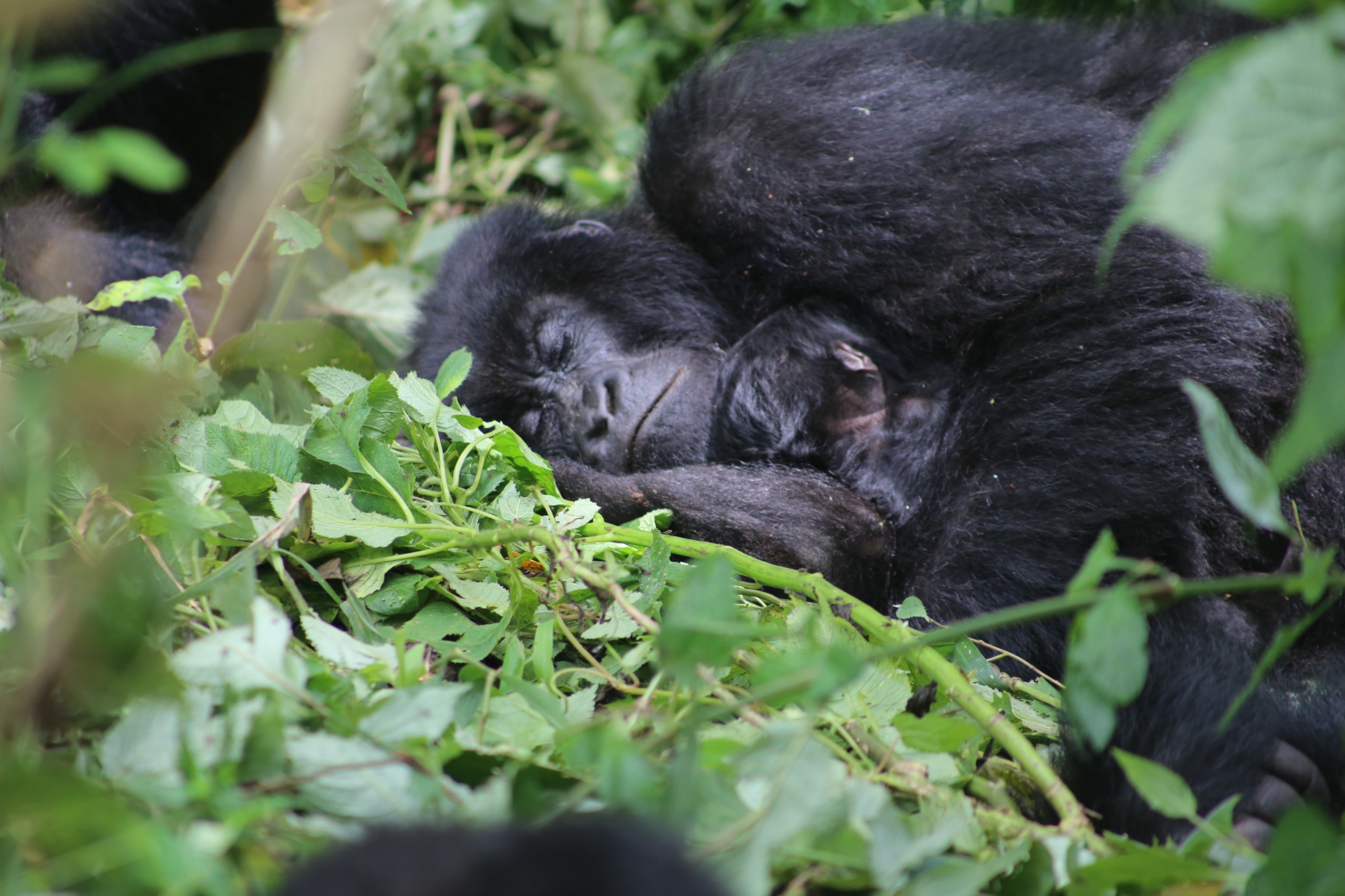
During your one-hour observation period, you’ll witness intimate family dynamics: dominant silverbacks protecting their group, curious juveniles playing, and mothers cradling tiny infants.
These habituated gorillas—accustomed to human presence—allow visitors to observe natural behaviors up close (at a safe 7-meter distance), creating profound connections with our closest relatives.
Beyond the thrill, gorilla trekking delivers tangible benefits. Tourism revenue funds anti-poaching patrols, community development, and habitat protection.
In Uganda, gorilla permits directly support the Uganda Wildlife Authority (UWA) and local communities, creating jobs for guides, porters, and rangers.
This model has driven population growth from fewer than 300 mountain gorillas in the 1980s to over 1,000 today—a conservation success story few wildlife experiences can match.
Compared to other wildlife adventures, mountain gorilla trekking stands out for its intimacy and exclusivity. Unlike large game drives where animals may be distant, gorilla encounters feel personal and respectful.
The trek itself—through lush rainforests—adds physical challenge and immersion.
Many travelers describe it as transformative, often ranking it above safaris in the Serengeti or Antarctic cruises in emotional impact.
For those seeking meaningful travel, gorilla trekking in Uganda combines adventure, conservation, and personal growth in one extraordinary package.
Where to Go: Best Locations for Mountain Gorilla Trekking
Three countries host mountain gorillas: Uganda, Rwanda, and the Democratic Republic of Congo (DRC). Each offers unique advantages, but Uganda consistently emerges as the top choice for value, accessibility from Kampala, and wildlife diversity.
Bwindi Impenetrable National Park in Uganda is home to over 20 habituated gorilla families across four sectors (Buhoma, Ruhija, Rushaga, and Nkuringo).
This diversity allows operators to assign groups based on fitness levels and preferences. Mgahinga Gorilla National Park adds golden monkey tracking and volcano views.
With around 459 gorillas in Bwindi alone, Uganda offers the highest number of trekking opportunities and often shorter hikes compared to other locations.
Rwanda’s Volcanoes National Park provides easier access via Kigali (paved roads, shorter transfers) but at a premium price. DRC’s Virunga National Park offers the lowest permit costs but faces occasional instability, making it riskier for most travelers.
Here’s a comparison table for 2026:
| Country | Permit Cost (2026) | Habituated Groups | Accessibility from Major City | Wildlife Variety & Other Activities | Overall Recommendation |
|---|---|---|---|---|---|
| Uganda | $800 standard / $1,500 habituation | 20+ in Bwindi + Mgahinga | Moderate (drive/flight from Kampala) | High (chimps, birds, golden monkeys) | Best value & diversity |
| Rwanda | $1,500 | 12+ | Easy (short drive from Kigali) | Moderate | Premium & convenient |
| DRC | $400 | 8-10 | Challenging | High but security concerns | Budget but risky |
Book early, as permits sell out months in advance.
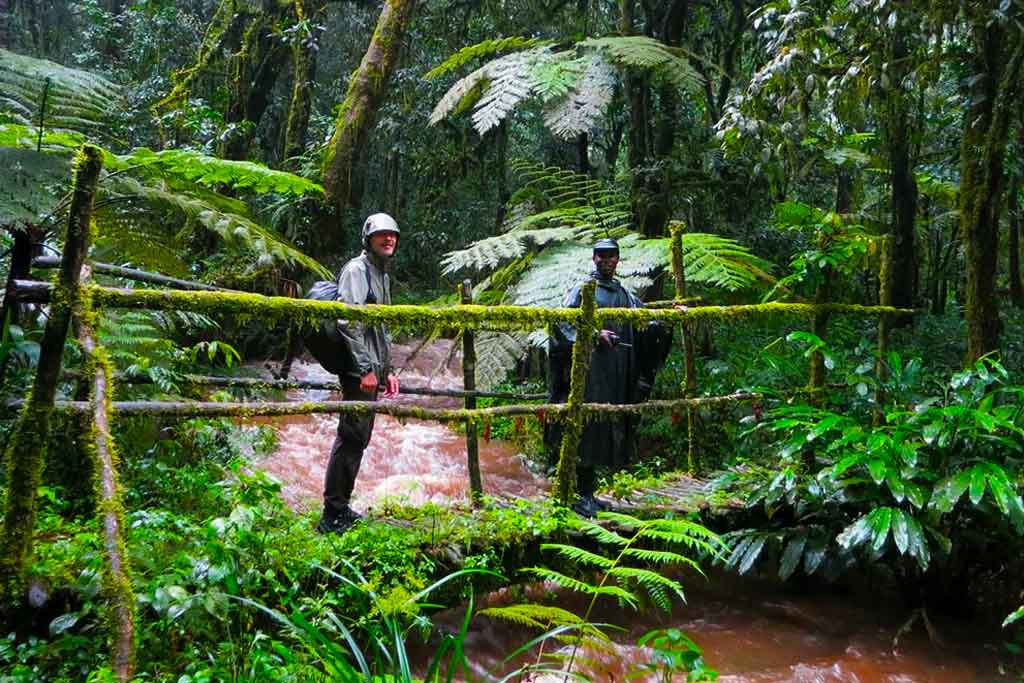
Best Time to Go Gorilla Trekking in 2026
Gorilla trekking in Uganda is possible year-round, as the primates don’t migrate.
However, dry seasons offer the best conditions: drier trails, fewer mudslides, and more comfortable hiking.
- Peak dry season (June–September): Ideal weather, lower rain risk, but higher crowds and accommodation prices. Best for photographers seeking clear skies.
- Short dry season (December–February): Fewer visitors, pleasant temperatures, and good visibility. Often the sweet spot for value.
- Wet seasons (March–May, October–November): Muddy, slippery trails require more effort (and good boots). Advantages include lower permit competition, fewer tourists, and lush greenery.
Weather varies by altitude and sector—Ruhija and Nkuringo are cooler and wetter, while Buhoma is more accessible. Always pack rain gear regardless of season. For 2026, aim for dry months if possible, but low-season treks can save money and provide more intimate experiences.
Gorilla Trekking Permits: How to Get Them in 2026
Securing a gorilla trekking permit is the critical first step for anyone planning mountain gorilla trekking in Uganda.
Issued exclusively by the Uganda Wildlife Authority (UWA), these permits grant access to habituated gorilla families in Bwindi Impenetrable National Park and Mgahinga Gorilla National Park, where you can observe these endangered primates in their natural rainforest habitat.
With only eight slots per gorilla family per day, permits are strictly limited, making early booking essential to avoid disappointment—especially in 2026 when demand remains high from international travelers seeking this bucket-list experience.
Current 2026 Permit Costs (July 2024–June 2026 Tariff) The official rates, as outlined in the UWA Conservation Tariff, are:
- Standard gorilla trekking permit: USD 800 per person for foreign non-residents (includes 1-hour observation with fully habituated gorillas, guide services, and park entry contribution).
- Gorilla Habituation Experience (GHE): USD 1,500 per person for foreign non-residents (allows 4 hours with semi-habituated gorillas in smaller groups of up to 4 people—ideal for deeper insights into behavior and conservation work).
Lower rates apply for specific categories:
- Foreign residents in Uganda: USD 700 (standard) / USD 1,000 (habituation).
- Citizens of other African countries: USD 500 (standard) / USD 1,000 (habituation).
- East African Community citizens: UGX 300,000 (standard) / UGX 750,000 (habituation).
These prices include ranger guidance and a community development levy, directly supporting anti-poaching efforts, local jobs, and gorilla conservation.
Note that the permit covers only the trek and observation—no accommodation, transport, or additional activities are included.
Requirements for Gorilla Trekking Permits To qualify, you must meet these key criteria:
- Minimum age of 15 years (children under 15 are not permitted due to physical demands and health risks to gorillas).
- Good physical fitness for hikes that can last 2–8 hours over steep, muddy terrain.
- No contagious illnesses (e.g., flu, cold, COVID-19, or diarrhea)—a strict health declaration is required at briefing. Gorillas share 98% of human DNA and are highly susceptible to human diseases, so honesty here protects both you and the primates.
- Valid passport copy for booking and verification.
Failure to meet these can result in denial on trek day, with no refund.
Step-by-Step Guide: How to Book Your Permit in 2026
- Decide on dates, sector, and type — Choose standard trekking or habituation, and preferred Bwindi sector (Buhoma for easier access, Rushaga for shorter hikes, Ruhija for birding, Nkuringo for scenic views). Mgahinga offers fewer groups but golden monkey tracking combo.
- Check availability — Permits are allocated on a first-come, first-served basis via UWA’s central system.
- Book through a recommended method — While direct booking with UWA (via email to reservations@ugandawildlife.org or their Kampala headquarters on Kira Road) is possible, it’s often slow and unreliable for internationals due to follow-ups and payment verification.Highly recommended: Use a licensed Ugandan tour operator( GoSilverback Safaris) based in Kampala—they have direct access to UWA’s real-time database, can hold spots temporarily, and bundle permits with full packages (transfers, lodging, guides). Operators secure permits faster and handle paperwork.
- Submit details and pay — Provide full names, passport scans, preferred dates, and payment (usually 30–50% deposit via bank transfer or credit card). UWA issues a booking confirmation ID (your digital voucher).
- Receive final confirmation — Full payment is due 30–60 days before; you’ll get a scanned permit copy. Print or save it digitally for park entry.
The process typically takes 2–7 days once details are submitted, but availability dictates speed.
Essential Tips for Success in 2026
- Book 3–6 months in advance for low/shoulder seasons (March–May, October–November); 6–12 months ahead for peak dry seasons (June–September, December–February) when sell-outs are common.
- Monitor UWA updates—tariffs run July–June, so 2026 falls under current rates with no major changes announced.
- Choose reputable operators with UWA partnerships and positive reviews to avoid scams or fake permits.
- Combine with other activities (e.g., chimp tracking) for better value in multi-park packages.
Common Pitfalls to Avoid
- Waiting too long—peak dates vanish quickly; last-minute bookings rarely succeed.
- Attempting solo direct booking without persistence—delays in email responses or bank verification can lose spots.
- Ignoring health rules—showing up ill leads to immediate denial and wasted costs.
- Booking through unofficial agents—risk fake permits or overcharges; stick to licensed operators.
- Forgetting flexibility—have backup dates/sectors ready, as gorilla locations shift daily based on ranger tracking.
By planning ahead and partnering with a trusted Kampala-based operator, you’ll secure your gorilla trekking permit smoothly and focus on the magic of the encounter.
Permits not only grant access but fund the ongoing success story of mountain gorilla conservation—your trek truly makes a difference.
Ready to book? Reach out early to lock in your 2026 adventure!
Gorilla Trekking Costs Breakdown 2026
Planning a mountain gorilla trekking adventure in Uganda requires understanding the full gorilla trekking costs to budget effectively.
In 2026, Uganda remains the most cost-effective destination for this bucket-list experience, with the gorilla permit at a fixed rate under the current Uganda Wildlife Authority (UWA) tariff (valid through June 2026).
The standard gorilla trekking permit is USD 800 per person for foreign non-residents (covering 1-hour observation with habituated gorillas, ranger guide, and conservation contribution). Check this guide to learn more about Uganda Gorilla Trekking Permits.
The Gorilla Habituation Experience (4 hours with semi-habituated groups) costs USD 1,500 per person.
These permit fees are non-negotiable and form the largest single expense, but the total trip cost varies widely based on travel style, accommodation, transport from Kampala, group size, and extras like meals or porters.
A typical 3-day Bwindi gorilla trekking trip (the most popular option) ranges from budget-friendly to luxury.
Here’s a detailed 2026 cost breakdown per person for foreign non-residents (prices in USD; expect slight variations based on exchange rates and operator quotes):
| Expense Category | Budget Option | Mid-Range Option | Luxury Option | Notes |
|---|---|---|---|---|
| Gorilla Permit | $800 | $800 | $800 (or $1,500 habituation) | Fixed by UWA; essential for all treks |
| Porters (recommended) | $15–$25 per day | $20–$30 per day | $25–$40 per day | Hire one to carry gear; supports local communities |
| Accommodation (per night, 2 nights typical) | $50–$150 | $200–$500 | $800–$2,500+ | Budget: basic lodges/camps; Mid: comfortable eco-lodges; Luxury: high-end like Sanctuary Gorilla Forest Camp |
| Transport (Kampala to Bwindi round-trip) | $200–$300 (shared/shuttle) | $300–$400 (private 4×4) | $500–$1,000+ (fly + transfers) | Road: 8–10 hours; Flight: quicker but pricier |
| Meals & Incidentals | $50–$100 | $100–$200 | $200–$400 | Includes lodge meals, snacks, tips |
| Park Fees/Extras (if applicable) | Included in permit | Included | Included | Cultural visits or community walks: $20–$50 |
| Full Guided Tour Package (3 days) | $1,200–$1,800 | $2,000–$3,500 | $4,000–$6,000+ | All-inclusive: permit, transport, lodging, meals, guide |
- Budget: $1,200–$1,800 (shared transport, basic lodging, group tour)
- Mid-Range: $2,000–$3,500 (private transfers, comfortable lodge)
- Luxury: $5,000+ (premium lodges, flights, extras like Batwa cultural experience)
These figures assume a solo traveler or small group; costs drop significantly per person in larger groups due to shared transport and guides.
Ways to Save on Gorilla Trekking Costs in 2026:
- Travel in low/shoulder seasons (March–May, October–November): Fewer crowds, same permit price, often discounted lodging and easier permit availability.
- Join small group tours (4–6 people): Operators spread fixed costs like transport and guides.
- Book through a reputable Kampala-based operator: They secure permits reliably, bundle services for better rates, and avoid hidden fees.
- Hire local porters instead of carrying everything yourself—affordable and ethical.
- Opt for road transfers over flights if time allows; private 4x4s from Kampala offer flexibility without premium costs.
- Combine with other activities (e.g., chimp tracking in Kibale) for multi-park packages that reduce per-day expenses.
While gorilla trekking is a premium experience, Uganda delivers exceptional value compared to Rwanda ($1,500 permit) or other destinations. Check this guide to learn more in details about Rwanda Gorilla Trekking Prices Break down.
Your investment supports conservation, local employment, and anti-poaching efforts—making every dollar count toward protecting the ~1,063 remaining mountain gorillas.
For personalized quotes and guaranteed permits, contact a trusted Kampala operator early to lock in your 2026 dates.
What to Expect on a Gorilla Trek Day
Your gorilla trekking day starts early—5–6 a.m. pickup from your lodge. After a hearty breakfast, arrive at the park headquarters by 7–8 a.m. for briefing, group allocation (max 8 per family), and rules review.
The hike ranges from 2–8 hours depending on gorilla location—steep, muddy trails with roots and vines. Porters carry gear, making it manageable for most fitness levels.
Upon locating the gorillas, spend exactly one hour observing (or four for habituation). Rules include:
- Stay 7 meters away
- No flash photography
- Speak quietly
- No eating or drinking near gorillas
- Move slowly, no sudden movements
Expect emotional highs: silverbacks may charge briefly (bluff displays), babies play, and families forage peacefully.
Many visitors tear up—it’s a humbling, awe-inspiring moment.

Preparation & Packing List
Gorilla trekking requires moderate fitness—hikes involve elevation and uneven terrain, but porters help significantly.
Prepare by walking regularly and strengthening legs.
Essential packing list:
- Waterproof hiking boots with good grip
- Rain jacket and pants (rain is common)
- Gaiters to protect against mud and ants
- Long-sleeved shirts and pants (quick-dry, insect-proof)
- Insect repellent (DEET-based)
- Hat, sunglasses, sunscreen
- Binoculars and camera (no flash!)
- Reusable water bottle, energy snacks
- Hand sanitizer, small first-aid kit
- Backpack (porters carry most)
Health tips: Avoid trekking if you have a cold or flu—gorillas are vulnerable.
Get travel insurance covering evacuation.

Tips for a Successful & Responsible Trek
Maximize enjoyment and minimize impact:
- Hire porters—supports locals and lightens your load
- Follow ranger instructions precisely
- Maintain quiet voices and avoid direct eye contact
- Use natural paths only
- Photography tips: Wide-angle lenses for context, telephoto for details; no drones
- Safety: Stay with your group, watch footing
Responsible tourism ensures gorillas thrive for generations.
Conservation & Ethical Tourism
Mountain gorilla populations have grown thanks to tourism-funded conservation.
Organizations like the International Gorilla Conservation Programme (IGCP) and Dian Fossey Gorilla Fund lead efforts in anti-poaching, community education, and habitat protection.
Your permit dollars directly contribute—choose ethical operators who prioritize sustainability.
Recommended Uganda Itineraries & Tours
Uganda offers some of the world’s most rewarding primate-focused adventures, with mountain gorilla trekking in Bwindi Impenetrable National Park as the highlight.
Starting from Kampala, these itineraries are designed for different timeframes, budgets, and interests—whether you’re seeking a quick escape or a comprehensive primate and wildlife experience.
All include guaranteed gorilla trekking permits (booked early via trusted operators), professional guides, and ethical practices supporting conservation.
3-Day Bwindi Gorilla Trek (Classic Short Adventure) This compact itinerary is perfect for travelers with limited time who want the core gorilla trekking experience without extras.
Ideal for first-timers or those combining with a longer Uganda trip.
- Day 1: Depart Kampala early (7–8 a.m.) by private 4×4 (8–10 hours scenic drive) or domestic flight to Bwindi. En route, enjoy lunch in Mbarara and views of rolling hills. Arrive at your lodge in Buhoma, Rushaga, or Ruhija sector for relaxation, briefing prep, and optional community walk. Overnight in mid-range or luxury lodge.
- Day 2: Gorilla trekking day! Early breakfast, 7–8 a.m. park briefing, then 2–8 hour hike to your assigned habituated family. Spend 1 magical hour (or 4 for habituation) observing silverbacks, playful juveniles, and mothers. Return for lunch, certificate presentation, and free afternoon to unwind or birdwatch.
- Day 3: Morning optional activity (e.g., Batwa cultural experience or forest walk), then transfer back to Kampala (arrive late afternoon/evening) or Entebbe for flights.
Estimated cost (per person, sharing): $1,200–$1,800 (budget/mid-range) or $2,500+ (luxury). Includes permit ($800), transport, meals, lodging, and guide. Perfect for efficiency and high success rates.
7-Day Primate Adventure: Gorillas + Chimps (Ultimate Uganda Primates) Combine Bwindi gorilla trekking with chimpanzee tracking in Kibale National Park (the “Primate Capital”) for a deeper dive into Uganda’s biodiversity.
Add wildlife in Queen Elizabeth National Park for variety.
- Day 1: Kampala to Kibale (5–6 hours drive). Afternoon Bigodi Wetland walk or relaxation.
- Day 2: Morning chimpanzee trekking in Kibale (permit ~$150–$200)—track habituated chimps for 1 hour, spot 12+ primate species. Afternoon optional forest walk or crater lakes.
- Day 3: Transfer to Queen Elizabeth NP (2–3 hours). Afternoon game drive or Kazinga Channel boat cruise (hippos, elephants, birds).
- Day 4: Morning game drive (lions, leopards possible), then drive to Bwindi (4–6 hours).
- Day 5: Gorilla trekking in Bwindi—full day as described earlier.
- Day 6: Optional golden monkey trek (Mgahinga) or relaxation at Lake Bunyonyi (swim, boat rides).
- Day 7: Return to Kampala/Entebbe.
Estimated cost: $2,500–$4,500 (mid-range) or $5,000+ (luxury with premium lodges like Sanctuary Gorilla Forest Camp). Includes all permits, meals, transfers, and expert guiding.
Luxury Options Elevate your trip with high-end touches: fly between parks (saving time), stay at exclusive lodges (e.g., Volcanoes Bwindi Lodge or Sanctuary Gorilla Forest Camp with forest views and spa), private vehicles, gourmet meals, and add-ons like Batwa encounters or hot-air ballooning over Queen Elizabeth.
These packages emphasize comfort while maintaining conservation focus—perfect for honeymoons or special celebrations. Costs start at $5,000–$8,000+ for 7–10 days.
Ready to make your mountain gorilla trekking dream a reality? As a Kampala-based operator, we specialize in customized, permit-secured tours with seamless logistics, experienced guides, and competitive rates.
Contact us today for a free personalized quote, availability check for your 2026 dates, and to secure your spot—permits sell out fast! Email or message us now to start planning your unforgettable Uganda adventure.
FAQs: Mountain Gorilla Trekking in Ugand
Is mountain gorilla trekking worth the cost?
Yes—absolutely. The $800 permit delivers a rare, intimate encounter with endangered gorillas that most travelers describe as life-changing. Your fee directly funds conservation, anti-poaching, and local communities, supporting the population growth from ~300 in the 1980s to over 1,000 today.
Can I trek if I’m over 60 (or even 70+)?
Yes, many people in their 60s, 70s, and beyond complete the trek successfully. Fitness matters more than age—moderate physical condition is required. Porters carry your gear, and you can go at your own pace. Consult your doctor and disclose any health issues.
How physically demanding is the gorilla trek?
It varies from 2–8 hours of hiking on steep, muddy, root-filled trails. Most people with average fitness manage it, especially with porter help. The hardest part is often the uphill sections; downhill return is easier.
What is the success rate of seeing gorillas?
Extremely high—around 99% in Uganda. Trackers monitor gorilla movements daily, so groups are almost always located.
Can children participate in gorilla trekking?
No—minimum age is 15 years due to the physical demands and health risks to the gorillas.
Which Bwindi sector is best for beginners or shorter hikes?
Rushaga and Buhoma often offer shorter treks (2–4 hours) and easier access. Ruhija and Nkuringo are more scenic but steeper and longer.
Do I need any vaccinations for gorilla trekking?
Yellow fever vaccination is mandatory for entry into Uganda (certificate required). Routine shots (hepatitis, typhoid) are recommended. No malaria prophylaxis is needed in high-altitude Bwindi, but consult a travel clinic.
Can I book a gorilla permit at the last minute?
Rarely—permits sell out 3–12 months in advance, especially for peak dry seasons (June–September, December–February). Book early through a reputable operator.
Is photography allowed during the trek?
Yes—no flash permitted. Use natural light, keep noise low, and follow ranger guidance. Wide-angle and telephoto lenses work best.
What happens if gorillas approach closer than 7 meters?
Stay calm, crouch low if instructed, avoid eye contact, and move back slowly. Rangers guide you—bluff charges are common but rarely dangerous.
Can I combine gorilla trekking with other activities?
Yes—popular add-ons include chimpanzee tracking in Kibale, golden monkey treks in Mgahinga, game drives in Queen Elizabeth NP, or relaxation at Lake Bunyonyi.
Is it safe to travel to Bwindi from Kampala?
Yes—roads are generally good, and thousands visit safely each year. Use a licensed operator for reliable transport and updates.
What if I get sick on trek day?
You will not be allowed to trek if you show signs of illness (cold, flu, etc.)—gorillas are highly susceptible. Full refund or rescheduling may apply; declare honestly at briefing.
How do I choose a reliable tour operator?
Look for UWA-licensed companies with strong reviews, direct permit access, and transparent pricing. Kampala-based operators often provide the best service and value.
When should I book for a 2026 trek?
Now—secure your dates and permit 6–12 months ahead for peak seasons, or 3–6 months for shoulder/low seasons to guarantee availability.
Conclusion: Why Mountain Gorilla Trekking Matters
Mountain gorilla trekking is more than an extraordinary wildlife encounter—it is a powerful conservation experience that directly protects one of the world’s most endangered primates.
Every trek supports ranger patrols, habitat protection, veterinary care, and local communities living alongside gorilla parks. Standing just meters away from a mountain gorilla in the wild creates a deep, lifelong connection to nature that no photograph can replicate.
If you want a safe, ethical, and expertly guided gorilla trekking experience, trust GoSilverback Safaris—a licensed African safari company committed to responsible tourism and conservation.
Book your mountain gorilla trekking safari with GoSilverback Safaris today and be part of the global effort to protect mountain gorillas while experiencing Africa at its most authentic.