Gorilla Trekking in Rwanda – Permit Costs, Best Time & Expert-Led Gorilla Tours 2026
Gorilla trekking in Rwanda delivers one of Africa’s most exclusive and luxurious wildlife experiences, allowing visitors to observe endangered mountain gorillas amid the dramatic Virunga volcanoes in Volcanoes National Park.
As an experienced safari operator specializing in East African primate safaris, we guide discerning travelers from the USA, UK, Europe, Canada, Asia, and the Middle East through this premium adventure.
Rwanda’s emphasis on high-end infrastructure, seamless access from Kigali, and strict conservation protocols makes it the preferred choice for those seeking comfort alongside profound encounters.
Key facts (Featured Snippet-ready):
- Mountain gorilla population: Approximately 1,063 worldwide, with a significant portion in Rwanda’s Volcanoes National Park.
- Standard permit cost (2026, foreign non-residents): USD 1,500 per person for 1-hour observation.
- Discounted options: USD 1,050 available when combining with other Rwanda parks or promotions.
- Habituated groups: 10–12 families available for tourism.
- Success rate: Near 99% for locating gorillas.
- Minimum age: 15 years; no upper limit if fit.
- Booking window: 6–12 months ahead, especially for peak seasons.
These permits, managed by the Rwanda Development Board (RDB), fund one of conservation’s greatest successes while ensuring minimal disturbance.
Why Choose Gorilla Trekking in Rwanda?
Gorilla trekking in Rwanda stands apart for its premium accessibility and refined experience.
Visitors enjoy shorter transfers from Kigali International Airport (1–2 hours on paved roads), often shorter hikes than in neighboring countries, and world-class luxury lodges integrated into the landscape.
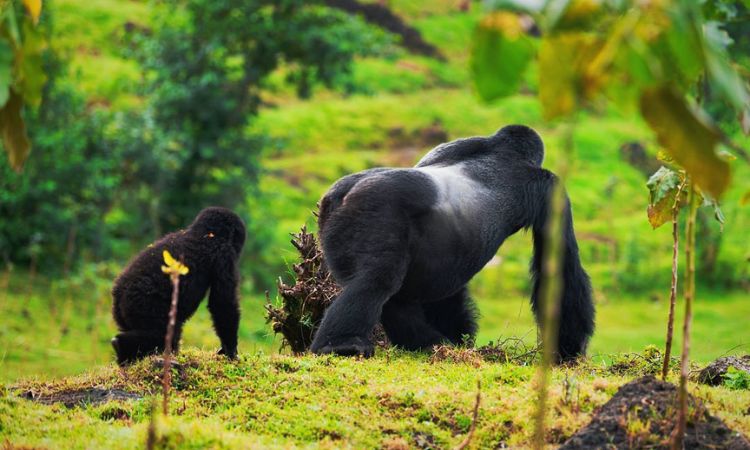
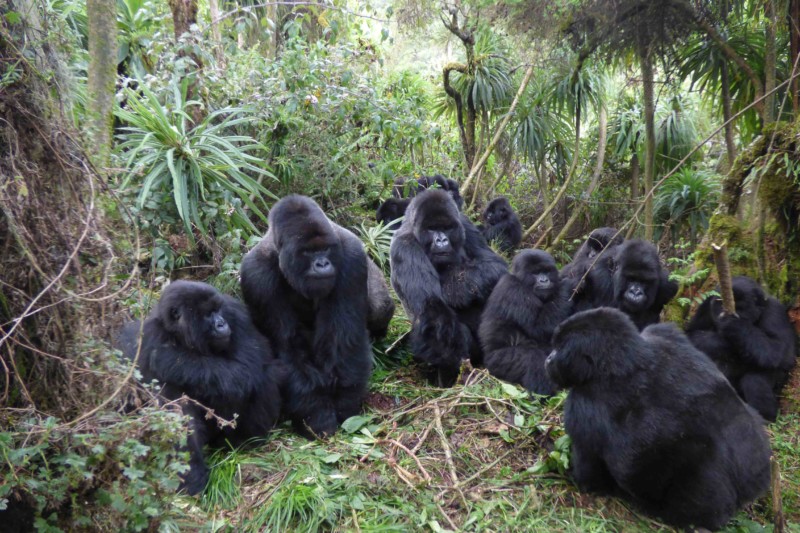
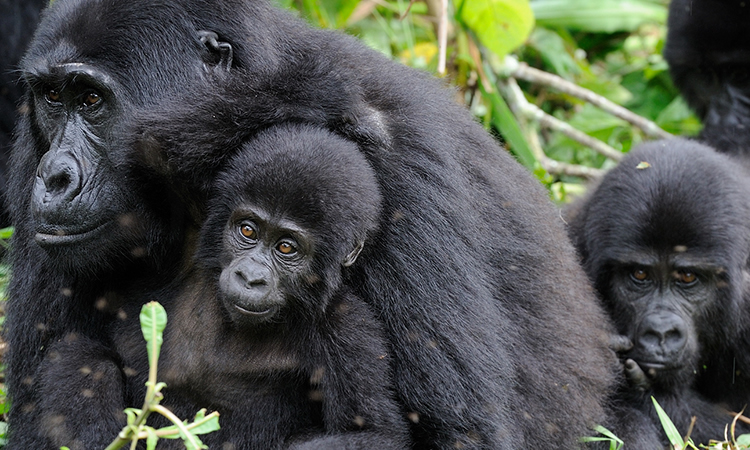
The encounter itself is intimate: habituated gorillas allow 1-hour observation (or extended in rare cases) at a safe 7–10 meter distance, revealing family dynamics—silverbacks protecting their groups, curious juveniles at play, and mothers with infants. Rwanda’s focus on low-volume tourism (limited groups per family) ensures exclusivity and respect for the primates.
Conservation drives the model: permit fees support the RDB, anti-poaching units, community revenue sharing, and initiatives tied to Dian Fossey’s legacy. Tourism has stabilized and grown the population, creating jobs and reducing threats.
Compared to Uganda (more groups, lower $800 permits, but rougher trails) or DRC (lower cost but instability), Rwanda excels in ease, luxury, and reliability.
From Kigali’s modern airport, travelers access Volcanoes National Park effortlessly, pairing treks with golden monkey tracking, cultural visits, or Nyungwe Forest chimps.
For international visitors seeking sophistication alongside impact, gorilla trekking in Rwanda combines adventure with unparalleled comfort and ethical value.
Best Locations for Gorilla Trekking in Rwanda
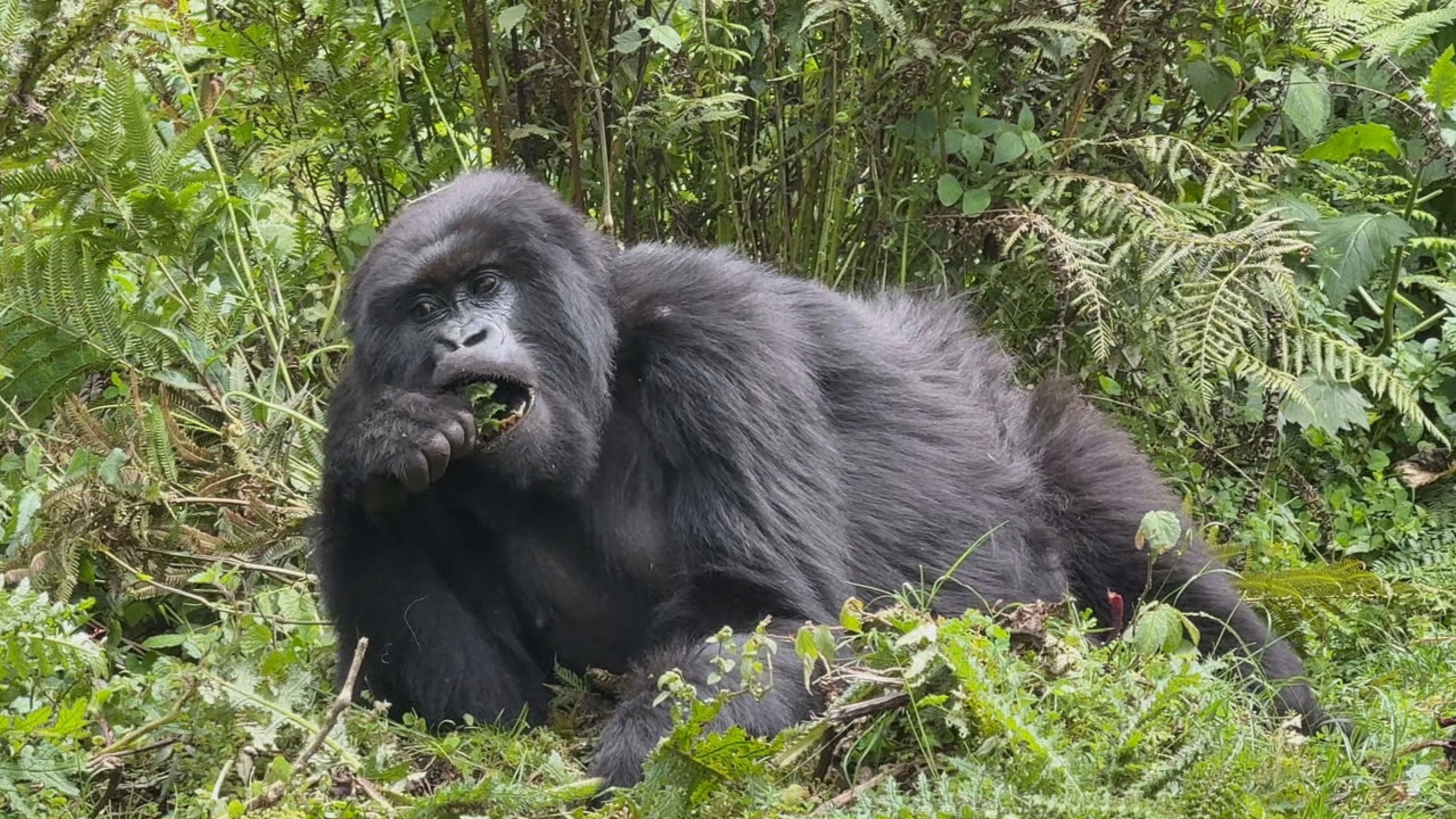
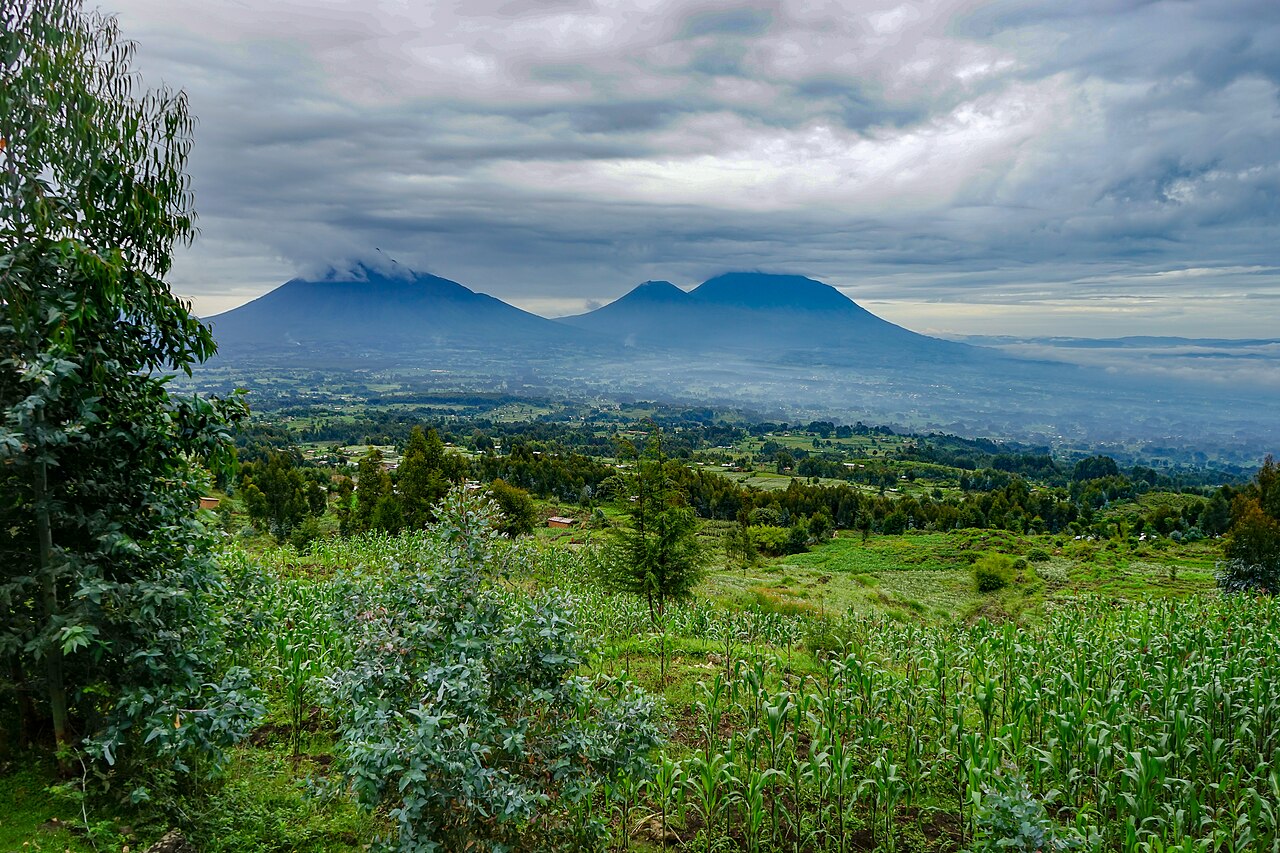
Gorilla trekking occurs exclusively in Volcanoes National Park, a UNESCO World Heritage site spanning the Virunga massif’s slopes.
The park protects 10–12 habituated gorilla families for tourism, with groups assigned daily based on fitness and location.
Trekking starts from Kinigi headquarters, with groups trekking to various sectors:
- Central sectors (e.g., near Kinigi): Shorter hikes (1–3 hours), easier terrain, ideal for moderate fitness.
- Higher slopes (e.g., toward Karisimbi or Mikeno): Steeper, longer (4–6 hours), dramatic views, suited to experienced trekkers.
The park’s compact size and excellent roads mean most lodges are within 30–60 minutes of headquarters, minimizing daily travel.
Volcanoes NP also offers complementary activities: golden monkey tracking (bamboo specialists) and Dian Fossey gravesite hikes for deeper conservation context.
With fewer habituated groups than Uganda’s Bwindi, Rwanda prioritizes quality over quantity—ensuring uncrowded, respectful encounters.
From Kigali, the park is 1.5–2 hours drive, making it highly accessible.
Luxury lodges like Bisate or Singita Kwitonda position guests amid bamboo and rainforest, enhancing immersion.
Best Time for Gorilla Trekking in Rwanda 2026
Gorilla trekking in Rwanda runs year-round, with gorillas active regardless of season.
Dry periods offer superior conditions:
- June–September (long dry season): Minimal rain, firm trails, clear visibility—peak demand, book early.
- December–February (short dry season): Fewer visitors, comfortable temperatures (15–25°C), excellent value.
Wet seasons (March–May long rains, October–November short rains) feature muddy trails but lush scenery, lower crowds, and easier permit availability—ideal for flexibility.
Higher elevations stay cooler; pack layers. For 2026, target dry months for ease, or wet for intimacy and potential discounts.
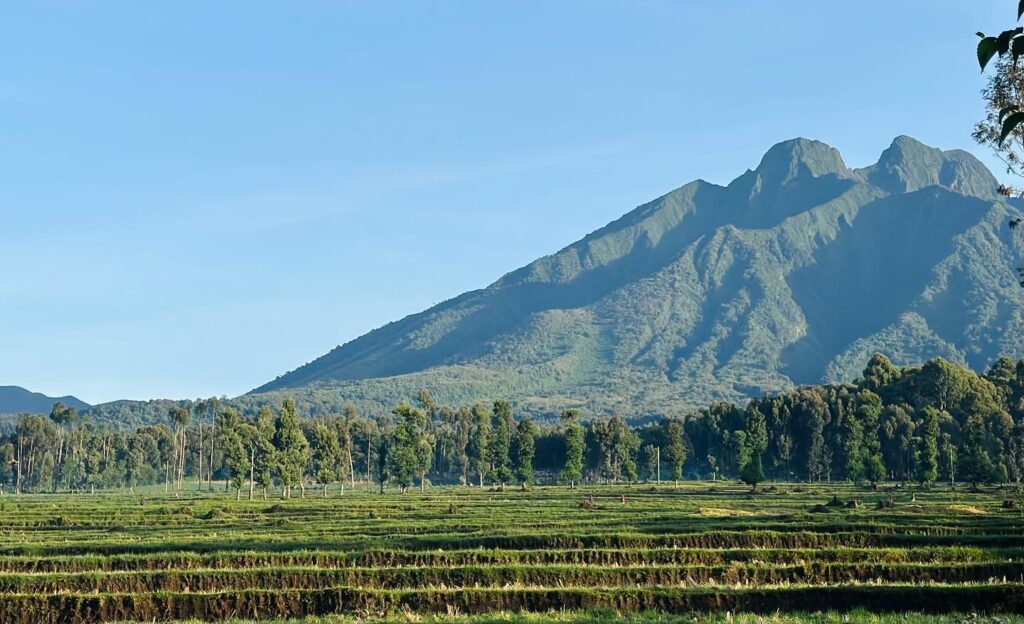
Gorilla Trekking Permits in Rwanda 2026
Permits are issued by the RDB and limited to eight visitors per family daily.
Standard fee: USD 1,500 per person (foreign non-residents) for 1-hour observation.
Discounted USD 1,050 applies when bundled with other parks or promotions.
Requirements:
- Age 15+.
- Good fitness for variable hikes.
- No illness (health declaration mandatory—gorillas vulnerable to human pathogens).
- Valid passport.
Booking process:
- Select dates and preferred sector.
- Book via licensed operator for RDB access and reliability.
- Submit details and deposit.
- Receive confirmation; final payment 30–60 days prior.
Book 6–12 months ahead for peak; operators secure spots and handle logistics. Pitfalls: Direct RDB booking delays; last-minute unavailability; health non-disclosure leads to denial.
Check this guide to learn more about Rwanda Gorilla Trekking Prices breakdown 2026.
Gorilla Trekking Costs Breakdown 2026
Gorilla trekking costs in Rwanda reflect premium positioning:
| Category | Mid-Range | Luxury | Notes |
|---|---|---|---|
| Gorilla Permit | $1,500 | $1,500 | Standard rate |
| Porters | $15–$30/day | $20–$40/day | Recommended |
| Accommodation (per night) | $300–$800 | $1,000–$2,500+ | Eco-luxury lodges |
| Kigali–Park Transfers | $100–$200 | $300–$600 (private/heli) | Short drive |
| Full Package (3 days) | $3,000–$5,000 | $6,000–$10,000+ | All-inclusive |
What to Expect on a Gorilla Trek Day
Trek day begins 5–6 a.m. with lodge pickup and breakfast. Arrive Kinigi headquarters 7–8 a.m. for briefing, group allocation (max 8), and rules.
Hikes last 1–6 hours—often shorter than Uganda—through bamboo and forest.
Upon locating gorillas, observe 1 hour at 7–10 meters—no flash, quiet voices.
Behaviors: Chest-beats, bluff charges (stay calm), playful interactions.
Emotional impact profound.
Rules: Maintain distance; no sudden moves; no trekking if ill.
Return for certificate and lodge relaxation.

Preparation & Packing List
Moderate fitness required; porters assist. Pack:
- Waterproof boots/gaiters
- Rain gear
- Long clothing, repellent
- Binoculars, no-flash camera
- Snacks, sanitizer
Health: No illness; yellow fever vaccination; insurance.
Preparation & Packing List for Gorilla Trekking in Rwanda
Gorilla trekking in Rwanda is a moderately demanding physical activity that rewards preparation and the right gear.
While Rwanda’s Volcanoes National Park often features shorter and better-maintained trails compared to neighboring countries, hikes can still last 1–6 hours over uneven, sometimes steep terrain with roots, bamboo thickets, and occasional mud—especially during or after rain.
The altitude (2,200–4,000 meters) adds mild exertion, but most reasonably fit adults complete the trek comfortably. Porters are widely available and highly recommended; they carry daypacks, water, rain gear, and snacks, allowing you to focus on balance and enjoyment.
Fitness preparation is straightforward:
- Walk regularly for 4–6 weeks prior, including hills or stairs to build leg strength and endurance.
- Practice with a loaded daypack (5–8 kg) to simulate porter-free conditions if desired.
- No extreme training is required—many travelers in their 50s, 60s, and beyond succeed with steady pacing and porter assistance.
Health considerations are non-negotiable. Mountain gorillas share approximately 98% of human DNA and are extremely susceptible to respiratory illnesses.
The Rwanda Development Board (RDB) enforces a strict policy:
- You cannot trek if you have any signs of a cold, flu, cough, sore throat, fever, or gastrointestinal issues.
- A health declaration form is completed at the park briefing; dishonesty risks immediate denial, permit forfeiture (no refund), and potential fines.
- If you feel unwell the evening before, inform your guide immediately—rescheduling options may be available depending on availability.
- Secure comprehensive travel insurance that includes high-altitude evacuation and medical coverage.
Essential Packing List (focus on lightweight, quick-dry, layered items):
- Footwear: Waterproof hiking boots with good ankle support and aggressive tread (essential for grip on muddy or root-covered trails). Break them in beforehand to avoid blisters. Gaiters (knee-high) to keep mud, ants, and debris out.
- Clothing: Long-sleeved quick-dry shirt and long pants (lightweight, breathable, neutral colors—avoid bright patterns that could startle wildlife). Moisture-wicking base layer, fleece mid-layer for cooler mornings/evenings at altitude.
- Rain protection: High-quality waterproof and breathable rain jacket with hood, plus lightweight rain pants. Ponchos are less effective in windy conditions.
- Insect protection: Strong DEET-based repellent (30–50%), long-lasting formula. Head net optional but useful in bamboo zones.
- Accessories: Wide-brimmed hat or cap with neck flap, polarized sunglasses, high-SPF sunscreen (UV strong at altitude), lightweight gloves for cooler mornings.
- Optics & photography: Binoculars (8×42 or 10×42 recommended for distant views or birding). Compact camera with zoom lens (no flash allowed during observation). Spare batteries and memory cards in waterproof bag.
- Personal essentials: Reusable water bottle (1–2 liters), high-energy snacks (nuts, energy bars—eating near gorillas prohibited), hand sanitizer, small first-aid kit (blister plasters, painkillers, personal medications), toilet paper/tissues in ziplock bag.
- Daypack: Small (20–30L) waterproof daypack for items you carry yourself (porters handle the rest).
Pack light—most lodges offer laundry—and prioritize quality over quantity. With the right preparation, your gorilla trekking day in Rwanda becomes focused on the extraordinary wildlife encounter rather than discomfort or distraction.
Tips for Responsible & Successful Gorilla Trekking in Rwanda
Gorilla trekking in Rwanda is a privilege that depends on strict adherence to rules designed to protect the endangered mountain gorillas and ensure every visitor’s safety and satisfaction.
Following these guidelines maximizes your chances of a smooth, memorable, and ethically sound experience while contributing to the long-term conservation of the species.
Preparation for success
- Book early and choose the right operator — Secure your USD 1,500 permit 6–12 months in advance through a reputable, RDB-licensed safari company. This guarantees availability and reliable logistics, avoiding last-minute stress or disappointment.
- Listen carefully during the briefing — At Kinigi headquarters, rangers explain group assignment, trail conditions, gorilla behavior, and strict protocols. Pay full attention; these instructions are non-negotiable.
- Hire a porter — For USD 15–30 per day, a local porter carries your daypack, rain gear, water, and snacks. This reduces physical strain, supports community livelihoods, and allows you to focus on footing and wildlife observation.
- Stay calm and follow ranger guidance — Silverbacks may perform bluff charges (short rushes with chest-beats and vocalizations) to assert dominance or test boundaries. Remain still, avoid eye contact, crouch low if instructed, speak quietly, and move slowly backward. These displays are almost never aggressive toward calm visitors.
Responsible behavior on the trek
- Maintain the mandatory 7–10 meter distance at all times.
- No flash photography, loud noises, running, pointing, or sudden movements.
- Speak in whispers only; silence is preferred near the gorillas.
- Do not eat, drink, smoke, or spit in the presence of the primates.
- Follow the “crouch and cover” protocol if a gorilla approaches closer than allowed.
- Bury human waste immediately if nature calls on the trail (use provided biodegradable bags if necessary).
- Leave no trace—carry out all rubbish, including tissues and wrappers.
Photography best practices Use natural light only—no flash. Position yourself quietly, use a zoom lens (70–200mm or longer recommended), and keep movements minimal.
Many visitors capture stunning images without disturbing the animals.
By treating the gorillas with respect and following these protocols, you help preserve their habitat and behavior for future generations while ensuring your own trek is safe, enjoyable, and truly unforgettable.
Responsible trekking is the foundation of Rwanda’s world-leading conservation success.
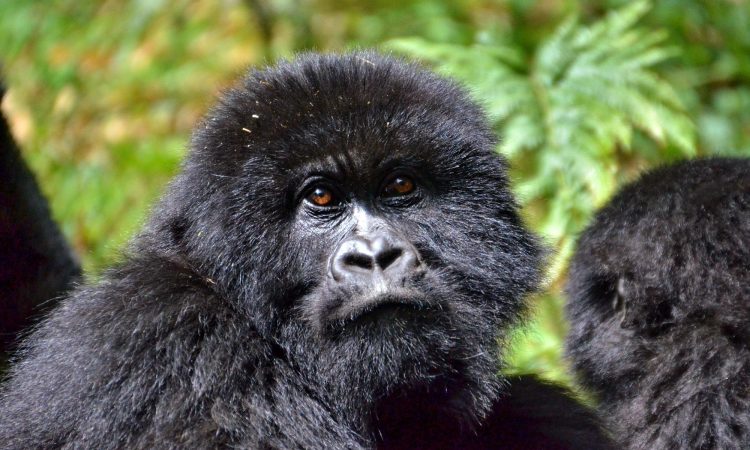
Conservation Impact in Rwanda
Rwanda’s approach to gorilla trekking stands as one of the most successful models of tourism-funded conservation anywhere in the world.
The mountain gorilla population, once critically endangered and numbering fewer than 300 individuals in the 1980s, has stabilized and grown to approximately 1,063 across the Virunga massif and Bwindi, with a significant portion residing in Volcanoes National Park.
This remarkable recovery is directly attributable to disciplined, high-value ecotourism that channels substantial revenue into protection efforts.
The Dian Fossey legacy remains a cornerstone of Rwanda’s gorilla conservation story. Fossey’s pioneering research and fierce advocacy in the 1960s–1980s brought global attention to the species’ plight.
Today, the Dian Fossey Gorilla Fund International continues her work through long-term monitoring, anti-poaching patrols, veterinary interventions, and community education programs in partnership with the Rwanda Development Board (RDB).
Many trekking visitors choose the optional hike to her gravesite and those of Digit and other gorillas she studied, deepening their appreciation of the human commitment behind the success.
Tourism revenue is the engine of this progress. Each USD 1,500 gorilla trekking permit (or discounted USD 1,050 in bundled packages) contributes directly to:
- Anti-poaching patrols and ranger salaries
- Veterinary care and disease monitoring
- Habitat restoration and boundary demarcation
- Community development funds shared with villages surrounding the park
The RDB allocates a substantial portion of permit income to local communities through revenue-sharing schemes—supporting schools, health clinics, clean water projects, and alternative livelihoods that reduce pressure on forest resources.
This model has dramatically lowered poaching incidents and human-wildlife conflict while creating economic incentives for conservation.
By choosing gorilla trekking in Rwanda, international visitors from the USA, UK, Europe, Canada, Asia, and the Middle East become active participants in one of Africa’s greatest wildlife recovery stories.
The high permit fee reflects not just exclusivity but a deliberate strategy to limit visitor numbers, minimize disturbance, and maximize per-person conservation impact.
Responsible trekking ensures that the mountain gorillas you observe today continue to thrive for generations to come.
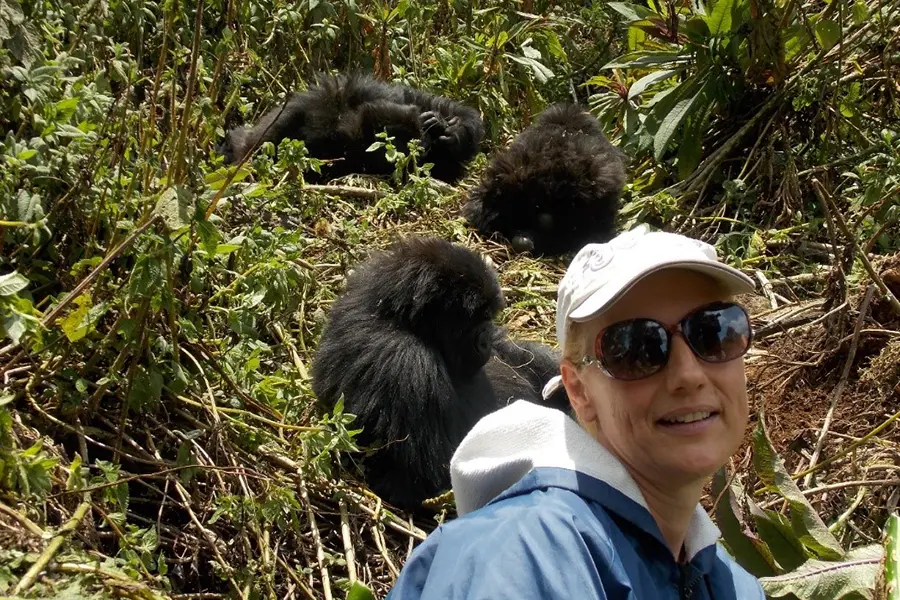
Recommended Rwanda Itineraries & Tours
Rwanda offers some of the most refined and accessible primate and wildlife experiences in Africa, with gorilla trekking in Volcanoes National Park as the centerpiece.
From Kigali’s modern international airport, travelers enjoy short, smooth transfers on excellent paved roads, making multi-day itineraries effortless and luxurious.
As a trusted safari operator with deep partnerships across Rwanda, we design bespoke journeys that combine exclusivity, conservation impact, and seamless comfort for discerning guests from the USA, UK, Europe, Canada, Asia, and the Middle East.
3-Day Luxury Gorilla Trek (Signature Volcanoes Experience) This compact, high-end itinerary is perfect for travelers with limited time who want the premier gorilla encounter without compromise.
- Day 1: Arrive Kigali International Airport. Private transfer (1.5–2 hours) to your luxury lodge in Volcanoes National Park (e.g., Bisate Lodge, Singita Kwitonda, or One&Only Nyungwe House if extending). Afternoon welcome briefing, spa relaxation, or short forest walk. Evening gourmet dinner with volcano views.
- Day 2: Early breakfast, then transfer to Kinigi headquarters for the mandatory gorilla trekking briefing. Join your assigned group (maximum 8 visitors per family) for a 1–4 hour trek through bamboo and montane forest. Spend the magical 1 hour observing habituated gorillas at a safe 7–10 meter distance. Return to lodge for lunch, certificate presentation, and afternoon at leisure—perhaps a golden monkey tracking add-on or cultural visit to a local community cooperative.
- Day 3: Morning optional activity (Dian Fossey gravesite hike or village walk), then private transfer back to Kigali for departure or onward travel.
Estimated cost (per person, sharing, 2026 rates): USD 6,000–12,000+ depending on lodge choice and inclusions. All packages feature guaranteed USD 1,500 gorilla permits, private 4×4 or luxury vehicle transfers, full-board gourmet meals, English-speaking guide, and park fees.
7-Day Premium Rwanda Adventure (Gorillas + Golden Monkeys + Lake Kivu) This extended itinerary blends primate encounters with Rwanda’s diverse landscapes and serene relaxation.
- Day 1–2: Kigali arrival and transfer to Volcanoes NP. Day 2: Gorilla trekking as above.
- Day 3: Golden monkey tracking in the bamboo zone (energetic, playful monkeys; ~2–3 hour activity), followed by a community coffee tour or Iby’Iwacu cultural performance.
- Day 4–5: Transfer to Lake Kivu (3–4 hours scenic drive). Relax on the lakeshore at a boutique lodge (e.g., Lake Kivu Serena or Paradise Malahide). Enjoy boat excursions, swimming, birdwatching, or optional village visits and local fishing demonstrations.
- Day 6: Return drive to Kigali with stops at scenic viewpoints or craft markets.
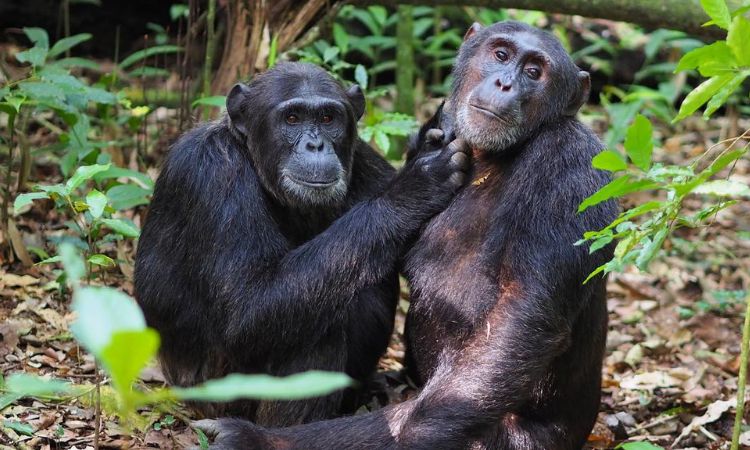
- Day 7: Departure from Kigali or extension to Nyungwe Forest for chimpanzee trekking.
Estimated cost: USD 9,000–18,000+ per person, including all permits, luxury accommodations, private transfers, meals, and guided activities.
These itineraries highlight Rwanda’s strengths: short travel times, world-class lodges, low-impact tourism, and direct support for conservation through permit revenue. Every journey is fully customizable—add helicopter transfers, private guiding, or multi-country extensions.
Ready to experience the unparalleled luxury and impact of gorilla trekking in Rwanda? Contact us today for a personalized 2026 itinerary, real-time permit availability check, and secure booking assistance.
With limited daily slots and high demand, early reservations are essential—secure your once-in-a-lifetime adventure now and contribute to Rwanda’s extraordinary conservation legacy!
Check this guide to learn more about Rwanda Gorilla Trekking Prices breakdown 2026.
FAQs: Gorilla Trekking in Rwanda
Is gorilla trekking in Rwanda worth the $1,500 permit cost?
Yes—unequivocally. The USD 1,500 fee delivers an exclusive, low-impact experience with shorter hikes, excellent infrastructure, and world-class luxury lodges. It directly funds conservation, anti-poaching, and community projects, making it one of the most meaningful wildlife investments available.
What is the best lodge for gorilla trekking in Volcanoes National Park?
Top choices include Bisate Lodge (Lemur Conservation Foundation design, volcano views), Singita Kwitonda (ultra-luxury, contemporary architecture), One&Only Nyungwe House (if combining with southern parks), and Virunga Lodge (classic panoramic views). Selection depends on budget and style—our team matches preferences.
How hard is the gorilla trek in Rwanda?
Moderate. Most treks last 1–4 hours one way (shorter and better maintained than in Uganda), though some higher-slope groups can reach 5–6 hours. Porters carry gear, making it accessible for reasonably fit adults of all ages (minimum 15 years).
What is the success rate for seeing gorillas?
Near 99%. Expert trackers monitor groups daily, ensuring reliable locations.
Can children or seniors participate?
Minimum age is 15. No upper age limit if you are fit; many guests in their 60s and 70s complete the trek successfully with porter assistance.
How far in advance should I book my gorilla permit?
6–12 months ahead for peak dry seasons (June–September, December–February). Shoulder and wet seasons allow 3–6 months, but early booking is always safest.
Do I need any vaccinations for Rwanda?
Yellow fever vaccination certificate is required for entry (mandatory for all international arrivals). Routine shots (hepatitis A/B, typhoid) recommended. No malaria risk in high-altitude Volcanoes NP.
What happens if I get sick on trek day?
You will not be permitted to trek if showing any signs of illness (cold, flu, cough, etc.). Gorillas are highly susceptible to human respiratory diseases. No refund is given—disclose honestly at the briefing.
Is photography allowed during the gorilla encounter?
Yes—no flash permitted. Use natural light, keep noise low, and follow ranger instructions. Zoom lenses (70–200mm or longer) work best.
What if a gorilla approaches closer than the 7–10 meter rule?
Stay calm, crouch low if instructed, avoid direct eye contact, speak quietly, and move slowly backward. Rangers guide you through any bluff charge (common but rarely aggressive).
Can I combine gorilla trekking with other Rwanda activities?
Yes—popular add-ons include golden monkey tracking, Dian Fossey gravesite hike, community coffee tours, Lake Kivu relaxation, or Nyungwe chimpanzee trekking.
Is it safe to travel to Volcanoes National Park?
Yes—Rwanda is one of Africa’s safest destinations. Excellent roads, professional guiding, and strong security make travel from Kigali straightforward and secure.
How do I choose a reliable tour operator for Rwanda?
Select RDB-licensed companies with strong reviews, direct permit access, transparent pricing, and personalized service. Look for operators offering private vehicles, English-speaking guides, and conservation partnerships.
When is the best time to visit for fewer crowds?
December–February (short dry season) offers pleasant weather and lower visitor numbers than the June–September peak.
Can I get a discounted gorilla permit?
Yes—USD 1,050 rates apply when bundling with other Rwanda national parks or during promotional periods. Ask your operator for current offers.
Conclusion
Ready for gorilla trekking in Rwanda? Contact us today for 2026 quotes, permit bookings, and tailored plans. Limited spots—secure yours now!