Best Chimpanzee Trekking in Uganda 2026: Ultimate Guide
Chimpanzee trekking in Uganda stands as one of the most exhilarating wildlife experiences on Earth, offering an intimate encounter with our closest living relatives—sharing an astonishing 98% of DNA with humans.
Imagine trekking through lush rainforests, hearing distant pant-hoots echoing through the canopy, and then spending a magical hour observing habituated chimpanzees as they groom, play, forage, and display complex social behaviors just meters away.
Uganda remains the premier destination for chimpanzee trekking in 2026, thanks to its massive populations of habituated chimps, high success rates (often exceeding 90-95%), and exceptional biodiversity.
Kibale National Park, home to over 1,500 chimpanzees, boasts the highest concentration and the most reliable sightings, making it the undisputed leader for chimpanzee trekking Uganda.
In 2026, chimpanzee trekking permits have stabilized at competitive rates, with Kibale chimpanzee trekking leading the way in accessibility and quality.
This ultimate guide covers everything you need to plan your 2026 chimpanzee trekking adventure—from permits and costs to the best time to go, top destinations, preparation tips, and why responsible tourism matters.
Whether you’re a first-time safari-goer or a seasoned wildlife enthusiast, Uganda chimpanzee trekking delivers life-changing moments that few other experiences can match.
Permits sell out quickly in peak seasons, so book your Kibale chimpanzee trekking tour now to secure your spot and embark on an unforgettable journey into the heart of primate paradise.
What Is Chimpanzee Trekking?
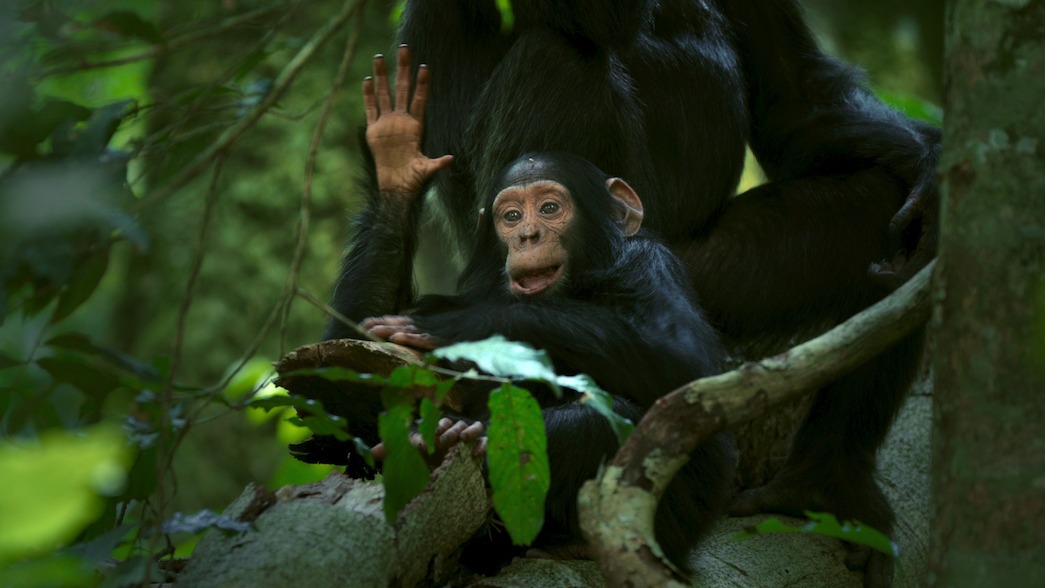
Chimpanzee trekking, also known as chimpanzee tracking, is a guided wilderness activity where small groups of visitors hike through dense tropical forests to locate and observe habituated chimpanzee communities.
Unlike passive safaris, this is an active adventure requiring moderate physical effort as you follow ranger-led trails, listening for vocalizations like pant-hoots and drumming to track the group.
Once located, you spend a strict one-hour observation period at a safe distance of 7-10 meters, allowing chimps to go about their daily lives without disturbance.
Trekking groups are limited to a maximum of 6-8 people per chimpanzee community to minimize impact, ensuring an intimate and ethical experience.
The duration varies from 2-6 hours, depending on how quickly the chimps are found—early starts (typically 8:00 AM or 2:00 PM) increase success rates as chimpanzees are most active in the morning.
Strict rules apply: no flash photography, no eating or drinking near the animals, no touching or feeding, and visitors must maintain distance to prevent disease transmission.
A step up from standard trekking is the chimpanzee habituation experience, a full-day (or multi-day) immersion where participants follow unhabituated or semi-habituated groups from dawn to dusk, helping researchers monitor behavior.
This intense option costs more but offers deeper insights into wild chimpanzee life. In Uganda,
Kibale National Park offers both standard chimpanzee trekking and habituation, making it the go-to spot for varying levels of adventure.
Why Uganda Is the Best Place for Chimpanzee Trekking
Uganda hosts one of the world’s largest populations of Eastern chimpanzees, with estimates exceeding 5,000 individuals across protected areas.
This abundance, combined with decades of successful habituation programs, delivers success rates often surpassing 95%—far higher than in neighboring countries.
Kibale National Park earns its nickname as the “Primate Capital of the World” by supporting 13 primate species, including red colobus, black-and-white colobus, grey-cheeked mangabey, and L’Hoest’s monkeys, alongside over 1,500 chimpanzees in multiple habituated groups.
Compared to other destinations, Uganda chimpanzee trekking offers distinct advantages:
- Easier access: Entebbe International Airport connects directly to Kampala, with short drives to Kibale (about 5-6 hours) or Budongo Forest.
- Higher success rates: Habituation efforts ensure reliable sightings, unlike Tanzania’s Mahale Mountains or Rwanda’s Nyungwe Forest, where weather and terrain can reduce visibility.
- Lower costs: Chimpanzee trekking permits in Uganda are significantly cheaper than gorilla permits, making it more accessible for wildlife enthusiasts.
- Biodiversity bonus: Combine chimp trekking with birdwatching (over 375 bird species in Kibale) or other primates for a fuller experience.
In 2026, Uganda continues to lead as the top choice for chimpanzee trekking due to stable conservation, improved infrastructure, and ethical tourism practices.
Top Destinations for Chimpanzee Trekking in Uganda
Uganda stands out as Africa’s premier chimpanzee trekking destination, boasting over 5,000 wild chimpanzees across its lush forests and reserves.
The country’s habituated groups allow close, ethical encounters while supporting conservation through Uganda Wildlife Authority (UWA) permits.
Here are the top spots, with Kibale leading as the undisputed #1 for reliability, numbers, and biodiversity.
Kibale National Park – The Primate Capital of the World
Kibale Forest National Park in western Uganda is the premier chimpanzee trekking site, home to an estimated 1,500 chimpanzees—the highest density in East Africa.
This 795 km² tropical rainforest hosts 13 primate species, including red colobus, black-and-white colobus, grey-cheeked mangabey, and L’Hoest’s monkeys, plus over 375 bird species.
Trekking starts from Kanyanchu Visitor Centre, with daily sessions at 8:00 AM and 2:00 PM (some sources note additional 11:00 AM slots). Groups are limited to 8–10 people per habituated chimpanzee community, ensuring minimal disturbance.
The trek lasts 2–6 hours total (hike to locate the group + 1-hour observation), with a 95%+ success rate—among the highest globally—thanks to long-term habituation and expert trackers.
Trails wind through dense forest, bamboo, swamps, and open glades; expect muddy paths in wet seasons but easier footing in dry months.
Beyond chimps, add Bigodi Wetland walks for community-led birding and nature. Kibale’s permit (US$250 for foreign non-residents in 2026, per UWA tariff July 2024–June 2026) includes guide and entrance.
Combine with nearby Queen Elizabeth or Bwindi for epic primate safaris. Kibale’s biodiversity and reliability make it the top choice for most visitors.

Budongo Forest (Murchison Falls National Park)
Budongo Forest Reserve, bordering southern Murchison Falls National Park, offers a rewarding alternative with over 600 chimpanzees in several habituated groups, notably at Kaniyo Pabidi eco-site.
This mahogany-dominated forest provides a quieter, less crowded experience than Kibale.
Trekking begins early (around 7:00–8:00 AM) from Kaniyo Pabidi Visitor Centre or Budongo Eco Lodge. Groups are small (up to 8), with 1-hour observation after tracking via calls and signs.
Hikes involve rolling terrain, ancient trees, and potential elephant sightings.
Success rates are high but slightly lower than Kibale due to fewer habituated groups. Permit costs around US$130 for foreign non-residents (2026 estimates).
Pair with Murchison’s Nile boat safaris, game drives (Big Five minus rhinos), and birding (over 360 species). Ideal for combining primates with classic savanna wildlife.
Kyambura Gorge (Queen Elizabeth National Park)
Kyambura Gorge, dubbed the “Valley of Apes,” is a dramatic 100m-deep rainforest canyon cutting through Queen Elizabeth’s savanna. It hosts a smaller habituated group of about 25–30 chimpanzees, making for an intimate, adventurous trek.
Sessions run at 8:00 AM and 1:00 PM, with steep descents into the gorge via ladders or paths—more physically demanding but shorter hikes once inside.
Observation follows the 1-hour rule amid dense foliage, vines, and riverine forest. Success rates vary (70–90%) due to the chimps’ mobility and smaller population.
Permit is affordable at US$100 for foreign non-residents (excludes park entrance). The real draw: combine with Queen Elizabeth’s game drives, Kazinga Channel boat cruises (hippos, elephants, tree-climbing lions), and Ishasha sector for a full safari. Perfect for multi-activity trips.
Other Destinations
- Semuliki National Park: Offers chimpanzee trekking in its lowland rainforest extension, with habituated groups amid swamps and hot springs. Less visited, more rugged trails (3–5 hours), and lower success rates. Great for biodiversity (birds, butterflies) and combining with Sempaya hot springs. Permit around US$100–150.
- Ngamba Island Chimpanzee Sanctuary (Lake Victoria): Not true “trekking” but a unique, ethical alternative. Home to 50+ rescued/orphaned chimps in a 95-acre forested enclosure. Day trips from Entebbe involve boat rides, viewing from platforms/fences, and feeding sessions—no forest tracking, but close views and conservation education. Ideal for families, short visits, or those unable to hike. Day tours available; no UWA permit needed.
For visual reference, imagine Kibale’s misty trails teeming with primates or Kyambura’s dramatic gorge drop.
Kibale remains the gold standard, but combining destinations maximizes Uganda’s primate diversity.
With GoSilverback Safaris, we secure permits, expert guides, and tailored multi-park itineraries for 2026. Contact us to plan your dream chimpanzee adventure—spots book fast!

Chimpanzee Trekking Costs, Permits and Booking in 2026
Chimpanzee trekking in Uganda requires a mandatory permit issued by the Uganda Wildlife Authority (UWA), the official body managing all national parks and protected areas.
Permits are essential for entry into habituated chimpanzee groups and help fund conservation, ranger patrols, community projects, and habitat protection.
As of the current UWA Conservation Tariff (valid July 2024–June 2026), prices remain stable into 2026—no major increases announced yet, but always verify closer to your travel date via the official UWA site or a licensed operator, as new tariffs could start in July 2026.
Key Permit Types and 2026 Costs (for Foreign Non-Residents, the most common category for international visitors):
- Standard Chimpanzee Tracking (1-hour observation): Primarily in Kibale National Park—the top destination with the highest success rate and largest habituated groups.
- Chimpanzee Habituation Experience (full-day, up to 4 hours with semi-habituated chimps): Available only in Kibale (and limited elsewhere like Budongo or Kalinzu at lower rates).
Here’s a clear comparison table based on the official UWA tariff:
| Park / Activity | Permit Type | Foreign Non-Residents (FNR) | Foreign Residents (FR) | East African Citizens (EAC) | Notes |
|---|---|---|---|---|---|
| Kibale National Park | Standard Chimp Tracking | US$250 | US$200 | UGX 180,000 | Includes guide fee; park entrance included; nature walk on tracking day. Highest demand—book early! |
| Kibale National Park | Chimpanzee Habituation | US$300 | US$250 | UGX 250,000 | Full-day immersion; limited slots (only a few groups available daily). |
| Kyambura Gorge (Queen Elizabeth NP) | Standard Chimp Tracking | US$100 | US$80 | UGX 50,000 | Cheaper alternative; excludes entrance fee. |
| Other Sites (e.g., Budongo/Kaniyo Pabidi, Kalinzu) | Standard Chimp Tracking | US$65–130 (varies) | Varies | Varies | Less crowded; lower success rates than Kibale. |
Booking Process and Tips UWA requires advance booking—ideally 3–6 months ahead for peak dry seasons (June–Sept, Dec–Feb), as permits sell out quickly, especially for Kibale standard and habituation slots.
Direct booking with UWA is possible but often cumbersome for international visitors. The most reliable and stress-free way is through a licensed tour operator (UWA mandates this for foreign non-residents and rest-of-Africa citizens for gorilla/chimp permits).
Operators handle availability checks, payments (via bank transfer, mobile money, POS, or online portal), and logistics like transport, lodging, and briefings.
- Steps to Book:
- Choose your dates and park (Kibale for best experience).
- Contact a reputable operator (e.g., GoSilverback Safaris—we secure permits fast and offer full packages).
- Provide passport details, preferred dates, and pay a deposit.
- Receive confirmation and e-permit (printed or digital).
Refunds and Cancellations Permits are generally non-refundable if you cancel or no-show, though UWA may offer credits/rescheduling in cases of illness (with medical proof) or park closures.
Some operators provide flexible policies or insurance add-ons. Weather rarely cancels treks—rain just makes trails muddier.
Permits are per person, per day, and non-transferable. Always carry your permit and ID on trek day.
Booking through GoSilverback Safaris ensures seamless access to prime slots, expert guides, and value-added services like airport transfers.
Secure your 2026 chimpanzee trekking permit today—contact us for availability and customized quotes! Spots disappear fast in high season.
Best Time to Go Chimpanzee Trekking in Uganda
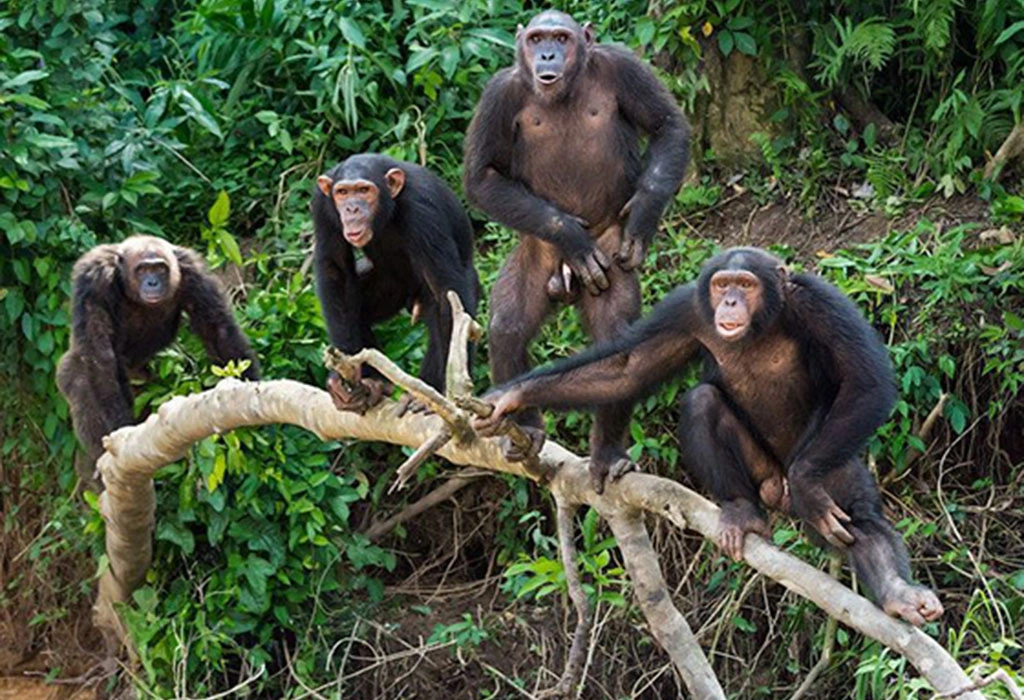
Chimpanzee trekking in Uganda is possible year-round, thanks to the equatorial climate of Kibale National Park and other sites like Budongo and Kyambura.
However, the best time aligns with the dry seasons—June to September (long dry season) and December to February (short dry season)—when conditions are ideal for most travelers.
During these peak months, rainfall is minimal, forest trails stay drier and firmer, reducing mud and slipperiness.
Trekking becomes easier and more comfortable, with shorter hikes to locate chimp groups (often 1–3 hours instead of longer in wet conditions).
Chimps are more active and visible as they forage lower in the canopy for fruiting trees. Success rates remain high (90–95% in Kibale), and clearer skies enhance photography.
These periods coincide with peak tourism, so expect higher accommodation rates and the need to book permits/tours 3–6 months ahead—especially July–August and December–January.
The wet seasons—March to May (long rains) and October to November (short rains)—offer advantages for budget-conscious or crowd-averse travelers.
Trails can be muddy and challenging (bring good boots and gaiters), but rain brings lush, vibrant greenery and blooming flowers. Fewer tourists mean more private experiences, cheaper lodges, and sometimes easier permit availability.
Chimps may descend to lower, warmer slopes during heavy downpours, shortening treks. Some sources highlight March–May for excellent sightings amid fewer crowds.
2026 Weather Tips (as of current patterns): Expect typical equatorial variability—afternoon showers possible anytime, so opt for morning treks (starting 7–8 AM).
Climate change may shift patterns slightly, but dry seasons remain reliable. C
heck UWA updates closer to your dates for any anomalies.
For the smoothest experience, target June–September or December–February.
With GoSilverback Safaris, we monitor forecasts and secure prime slots—contact us to plan your perfect 2026 chimpanzee trekking timing!
What to Expect on Your Chimpanzee Trek
A chimpanzee trek in Uganda, especially in Kibale National Park, is an exhilarating, immersive wildlife experience that blends adventure, anticipation, and raw emotion.
Most treks start early to maximize sightings, with groups of up to 8 trekkers accompanied by an expert guide and armed ranger.
Here’s a typical day breakdown—from briefing to the magical hour with the chimps.
Your day begins at the park headquarters (e.g., Kanyanchu Visitor Center in Kibale) around 7:00–7:30 AM for morning treks or 1:30 PM for afternoon ones.
After registration, you’ll join a mandatory briefing where rangers explain safety rules, chimpanzee behavior, and etiquette. You’ll learn about the habituated community you’ll visit and get tips on quiet movement in the forest.
Then comes the hike. Guided by trackers who’ve been monitoring the chimps since dawn (via radio updates), you enter the dense tropical rainforest.
Terrain is varied: muddy paths, steep slopes, tangled vines, and stream crossings.
Weather plays a big role—dry seasons offer firmer ground, while rainy periods bring slippery trails and sudden showers (pack that poncho!).
The hike lasts 1–4 hours depending on where the chimps nested overnight; they move daily, so no two treks are identical.
Excitement builds as you hear pant-hoots—loud, echoing calls that signal the group’s location. Your guide mimics calls or listens for responses, leading you off-trail through undergrowth.
Suddenly, you spot them: dark shapes swinging through the canopy or foraging on the forest floor.
The highlight is your one-hour observation (up to 4 hours on habituation experiences).
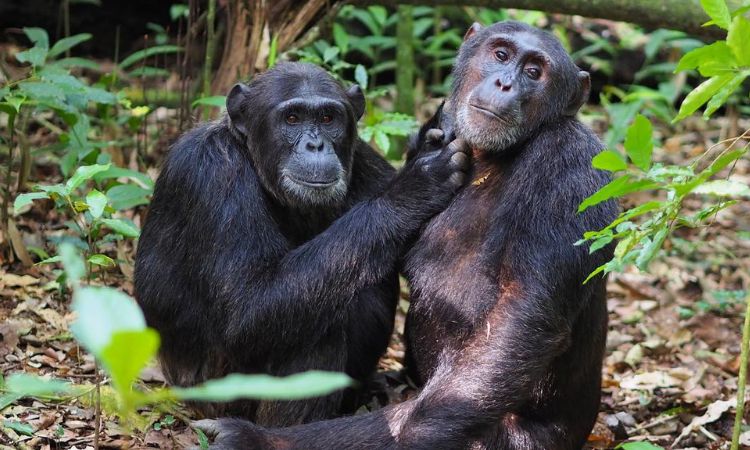
At a respectful 7–10 meters, watch mesmerizing behaviors: juveniles playing and chasing in trees, adults grooming each other in intimate social rituals, or the alpha male drumming on buttress roots in a dramatic display.
You’ll hear a symphony of vocalizations—pant-hoots, screams, and barks—that reveal their complex communication.
Emotions run high: awe at their human-like expressions, joy at playful antics, and profound connection knowing you share 98.7% DNA.

The trek back feels lighter, buzzing with shared stories. Success rates in Kibale exceed 95%, but even “quiet” days offer birdlife and other primates.
Expect physical fatigue, muddy clothes, and lifelong memories.
With GoSilverback Safaris, our expert guides ensure every moment is safe and unforgettable.
Book your 2026 chimpanzee trek now—spots fill fast for peak season!

How to Prepare: Packing List, Fitness, and Tips
Chimpanzee trekking in Uganda’s forests—especially Kibale National Park—is a moderately demanding adventure that rewards good preparation.
The trek typically lasts 2–6 hours (including the hike to find the chimps and the 1-hour observation), involves uneven, muddy trails, steep inclines, thick vegetation, and variable weather.
With the right gear, fitness level, and mindset, you’ll enjoy the experience comfortably and safely.
Essential Packing List
Pack light but smart—use a small daypack (20–30L) that your porter can carry if needed. Focus on practicality and protection.
- Footwear: Waterproof hiking boots or sturdy trail shoes with good ankle support and deep tread. Trails are often muddy and slippery, especially in the rainy season—avoid sneakers or sandals.
- Clothing: Long-sleeved shirts and long pants (lightweight, quick-dry, breathable fabrics like nylon or merino wool) to protect against scratches, insects, and sun. Neutral colors (greens, browns, khaki) help you blend in and avoid attracting insects. Bring a rain poncho or lightweight waterproof jacket—rain can start suddenly.
- Insect Protection: High-DEET insect repellent (at least 30–50%), malaria prophylaxis (consult your doctor; Uganda requires it for most areas), and a head net if you’re sensitive to bugs.
- Essentials: 2–3 liters of water (in reusable bottles or hydration bladder), high-energy snacks (nuts, energy bars), sunscreen, hat or cap, sunglasses, small first-aid kit (blister plasters, painkillers, personal meds), binoculars (essential for close-up views without disturbing the chimps), camera/phone with extra battery and waterproof case.
- Optional but recommended: Walking poles (for balance on slippery slopes), lightweight gloves (for thorny vegetation), change of clothes/shoes for after the trek.
Fitness Requirements
The trek is rated moderate but can feel strenuous depending on the chimpanzee group’s location.
Expect 3–6 hours of walking/hiking, sometimes uphill, through dense forest with roots, vines, and occasional stream crossings.
You don’t need to be an athlete, but basic fitness helps:
- Practice walking 5–10 km on uneven terrain a few weeks before.
- Build stamina with regular hikes or cardio.
- If you have knee/ankle issues or respiratory conditions, consult a doctor—guides can adjust pace, but the forest is remote.
Health Rules and Final Tips
- No illness allowed: You must declare good health at the briefing. Chimpanzees are highly vulnerable to human respiratory diseases—any cough, cold, or fever means you cannot trek that day (permits are non-refundable in most cases).
- Arrive early, eat a good breakfast, and stay hydrated.
- Listen to your guide—they know the forest and chimp movements best.
- Pack ethically: choose eco-friendly products and leave no trace.
With proper preparation, chimpanzee trekking becomes one of the most rewarding experiences in Uganda. At GoSilverback Safaris, we provide a detailed pre-trek checklist and can arrange porters, gear rental, or fitness advice.
Ready to gear up for your 2026 adventure? Contact us today to secure your spot and start preparing!
Safety, Rules, and Etiquette
Chimpanzee trekking in Uganda is generally very safe when you follow the strict guidelines set by the Uganda Wildlife Authority (UWA) and your trained guide.
These rules protect both you and the chimpanzees, minimizing stress, disease transmission, and any risk of unpredictable behavior.
Here’s what you need to know for a responsible, enjoyable, and secure experience.
Key Safety Rules
- Maintain 7–10 meters distance at all times. Never approach closer, even if a chimpanzee comes toward you—step back slowly and calmly.
- No eating, drinking, or smoking near the chimpanzees. Food can attract them, leading to dangerous begging or theft, and increases the risk of disease exchange.
- No flash photography or loud noises. Use natural light only; sudden flashes or shouting can startle the animals and provoke defensive displays.
- Follow your guide’s instructions immediately. Guides are highly experienced and carry armed rangers for protection in case of rare aggressive encounters (usually bluff charges rather than real attacks).
- Minimum age is 15 years. Children under 15 are not permitted due to the physical demands and potential health risks.
- Do not touch, feed, or mimic chimpanzees. This prevents habituation to humans and reduces disease transmission.
Disease Prevention (Critical for Both Sides)
Chimpanzees are highly susceptible to human respiratory illnesses (colds, flu, COVID-19 variants), which can be fatal to them. Before trekking:
- You must be in good health—no fever, cough, or cold symptoms.
- Wear a face mask if you have any minor respiratory issues (some operators require masks during briefings).
- Wash/sanitize hands before entering the forest.
- Avoid close contact with other trekkers if unwell.
Etiquette Tips
- Speak quietly during the hike and observation.
- Move slowly and avoid sudden movements.
- Respect the one-hour observation limit (unless on a habituation experience).
- Leave no trace—take all rubbish with you.
By adhering to these rules, you help ensure the long-term health of habituated chimpanzee groups and the safety of everyone involved. Responsible behavior turns your trek into a meaningful contribution to conservation rather than a risk. With Go Silverback Safaris, your guide will brief you thoroughly and enforce these standards so you can focus on the magic of the moment. Book your safe, ethical 2026 chimpanzee trekking adventure today!
Chimpanzee Facts, Behavior, and Conservation
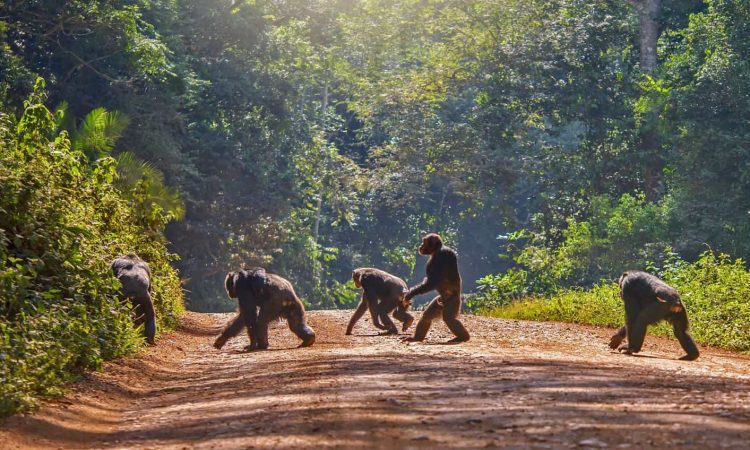
Chimpanzees (Pan troglodytes) are our closest living relatives, sharing approximately 98.7% of our DNA.
This remarkable genetic similarity is reflected in their extraordinary cognitive abilities, complex emotions, and sophisticated social lives—qualities that make every chimpanzee trekking encounter in Uganda feel profoundly personal.
Intelligence and Tool Use
Chimpanzees are among the most intelligent non-human animals on Earth.
They demonstrate problem-solving, memory, self-recognition in mirrors, and even rudimentary symbolic communication.
One of the most famous discoveries is their tool-using behavior: in the wild, chimps regularly fashion sticks to “fish” for termites, crack nuts with stone hammers, sponge water with chewed leaves, and hunt cooperatively with sharpened branches.
These skills are learned and passed down culturally within communities—different groups develop distinct tool traditions, much like human cultures.
Social Structure and Behavior
Chimpanzees live in fission-fusion societies of 20–150 individuals.
The core unit is a male-dominated community where related males form strong coalitions to defend territory and compete for dominance.
Females transfer to other groups at adolescence, reducing inbreeding.
Daily life revolves around grooming—a powerful social glue that reduces tension and strengthens bonds—loud pant-hoots, dramatic displays (branch-dragging, drumming), and frequent vocalizations.
Play, alliances, reconciliation after conflict, and even rudimentary warfare between neighboring communities have all been documented, revealing a rich emotional and political world.
Major Threats
Despite their intelligence, chimpanzees face severe threats. The biggest is habitat loss from logging, agriculture, and human settlement expansion.
Poaching for bushmeat and the illegal pet trade remains widespread, while disease (especially Ebola and respiratory infections transmitted from humans) can wipe out entire communities.
Uganda still hosts one of the largest remaining populations—estimated at over 5,000 individuals—but pressure is growing.
Conservation Efforts in Uganda
The Uganda Wildlife Authority (UWA) plays a central role by managing protected areas like Kibale, Budongo, and Kyambura, enforcing anti-poaching patrols, and reinvesting permit revenue into ranger salaries, community projects, and habitat restoration.
The Jane Goodall Institute operates extensively in Uganda, running the Tacare program that improves livelihoods in villages bordering forests (through education, health clinics, and sustainable agriculture), reducing dependence on forest resources.
Chimpanzee habituation for tourism is carefully regulated to minimize stress and disease risk.
Why Responsible Tourism Matters
When you join a chimpanzee trekking experience in Uganda, your permit fee directly funds conservation—approximately 80% of UWA’s budget for protected areas comes from tourism.
Choosing licensed operators, following strict rules (no eating near chimps, 7–10 m distance, no flash photography), and supporting community enterprises ensures that tourism becomes a powerful force for protection rather than pressure.
Responsible travelers help secure a future for chimpanzees in the wild.
By choosing ethical chimpanzee trekking with GoSilverback Safaris, you’re not just witnessing incredible wildlife—you’re actively contributing to its survival.
Book your 2026 trek today and become part of the solution.
Chimp vs. Gorilla Trekking: Key Differences
Chimpanzee and gorilla trekking offer unforgettable primate encounters in Uganda, but they differ significantly in cost, experience, physical demands, and wildlife behavior.
Chimpanzee trekking (primarily in Kibale or Kyambura) is more affordable and dynamic, while gorilla trekking (in Bwindi or Mgahinga) provides a rarer, more serene encounter with endangered mountain gorillas.
Both follow strict UWA rules: maintain 7–10m distance, no flash photography, and limit observation time.
Here’s a clear comparison:
| Aspect | Chimpanzee Trekking | Gorilla Trekking |
|---|---|---|
| Permit Cost (Foreign Non-Residents, 2026) | $250 (Kibale standard); $300 (habituation) | $800 (standard); $1,500 (habituation) |
| Duration with Primates | 1 hour (standard); up to 4 hours (habituation) | 1 hour (standard); up to 4 hours (habituation) |
| Group Size | Up to 8–10 per group | Strictly 8 per gorilla family |
| Physical Demand | Moderate to high; faster-paced, often through dense forest, chimps move quickly in trees | Moderate to high; steeper hikes possible, but gorillas are slower and more stationary |
| Behavior & Viewing | Highly active, vocal, tool-using; chimps climb, play, groom, and display aggression; more movement to follow | Calmer, family-oriented; gentle giants focus on resting, feeding, and bonding; closer, eye-level views often on ground |
| Success Rate | 90–95% in Kibale (chimps habituated) | High, but weather-dependent; gorillas more predictable |
| Best For | Budget travelers, dynamic action, primate variety | Bucket-list luxury, endangered species focus, serene observation |
Chimp trekking suits those seeking energetic wildlife and affordability, while gorilla trekking delivers profound, intimate moments with one of the world’s rarest animals.
Many combine both for the ultimate Uganda primate adventure—book early for peak seasons! Ready to plan? Contact us for 2026 combo itineraries.
Combining Chimp Trekking with Other Uganda Adventures
Uganda’s compact geography makes it easy to combine chimpanzee trekking with other thrilling experiences, creating the ultimate multi-adventure itinerary.
Start with chimpanzee trekking in Kibale National Park (or Kyambura Gorge in Queen Elizabeth), then extend your trip to mountain gorilla trekking in Bwindi Impenetrable National Park.
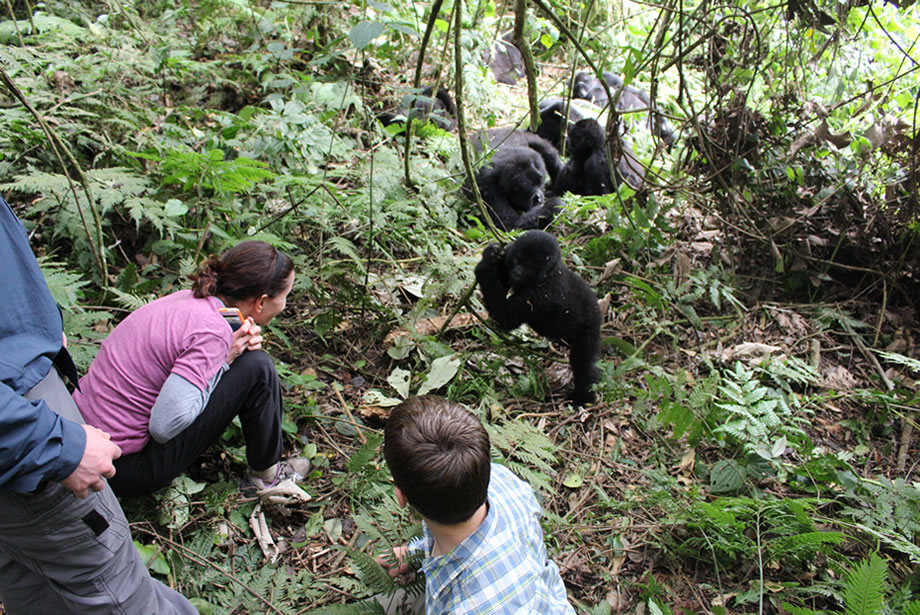
Gorilla permits are pricier (~$800 in 2026) and more limited, but pairing them with chimp encounters offers an unparalleled primate immersion—close-up views of playful chimps in Kibale’s lush forest followed by the majestic, endangered mountain gorillas in Bwindi’s misty mountains.
Many 7–10 day tours seamlessly blend these, like Volcanoes Safaris’ classic gorilla-chimp combo or fly-in options for efficiency.
For classic wildlife, head to Queen Elizabeth National Park (adjacent to Kyambura) for game drives, Kazinga Channel boat cruises spotting hippos, elephants, buffaloes, and tree-climbing lions in Ishasha.
Murchison Falls National Park delivers dramatic Nile boat safaris and game drives with elephants, lions, leopards, buffaloes—four of the Big Five (rhinos are at Ziwa Rhino Sanctuary).
A popular 10–13 day loop includes Kibale chimps, Queen Elizabeth safaris, Ziwa rhinos, and Bwindi gorillas for a near-complete Big Five plus primate highlights.
These combinations maximize Uganda’s diversity—primates, savanna wildlife, and dramatic landscapes—in one trip. Book multi-park tours for seamless logistics and permits.
Ready to customize your 2026 adventure? Contact us for tailored itineraries blending chimp trekking with gorillas and Big Five safaris!
What is the Meaning of Chimpanzee Trekking?
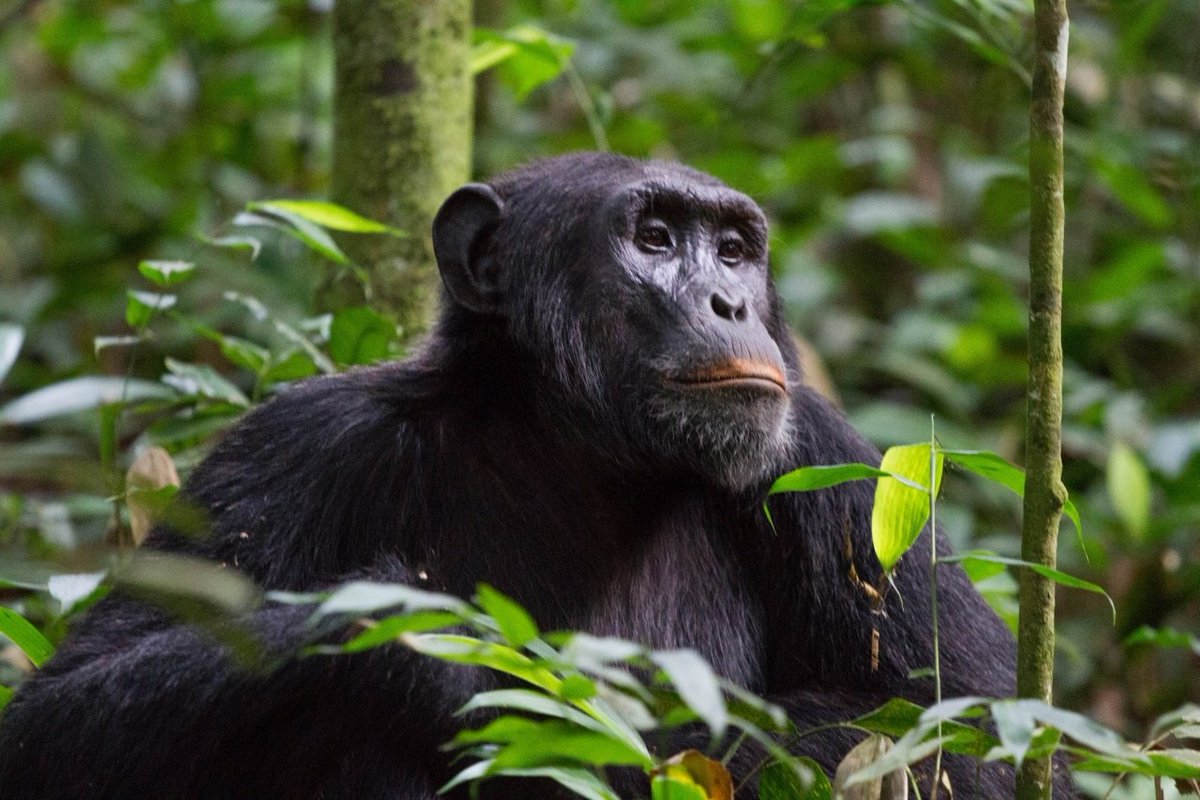
Chimpanzee trekking is a guided wildlife experience that involves hiking through tropical forests to locate and observe wild chimpanzees in their natural habitat.
In Uganda, this activity is mainly done in Kibale Forest National Park, as well as Budongo Forest and Kyambura Gorge.
Treks are led by experienced ranger guides who track chimpanzee movements using calls, nests, and feeding signs.
Once found, visitors are allowed a limited time—usually one hour—to watch the chimps interact, feed, groom, and move through the forest. Chimpanzee trekking combines adventure, education, and conservation awareness.
Is Chimpanzee Trekking Worth It?
Yes, chimpanzee trekking is absolutely worth it, especially for travelers interested in primate encounters and immersive nature experiences.
Chimpanzees share about 98% of human DNA, making their behavior fascinating and relatable. Watching them communicate, play, hunt, and care for their young is both exciting and educational.
Unlike gorilla trekking, chimpanzees are very active, which adds energy and unpredictability to the trek. The experience also supports conservation and local communities through permit fees. For wildlife lovers, photographers, and eco-tourists, chimpanzee trekking is a highly rewarding safari activity.
Is Chimpanzee Trekking Safe?
Chimpanzee trekking is considered safe when conducted under official park guidelines and with trained ranger guides. Uganda Wildlife Authority rangers lead all treks, ensuring visitor safety and minimizing disturbance to the animals.
Before the trek, visitors receive a safety briefing covering behavior around chimpanzees, distance rules, and health precautions. While chimpanzees are wild animals, incidents are extremely rare due to strict regulations and controlled group sizes.
Visitors are advised to maintain distance, avoid sudden movements, and follow instructions at all times. With proper guidance, chimpanzee trekking is a secure and well-managed experience.
What Is the Minimum Age for Chimpanzee Trekking in Uganda?
The minimum age for chimpanzee trekking in Uganda is 12 years, as set by the Uganda Wildlife Authority. This age limit ensures that participants can handle the physical demands of forest trekking and follow safety instructions properly.
Chimpanzee trekking often involves long walks, uneven terrain, and active primates that move quickly through the forest. Younger children may find it challenging to keep up or remain quiet during tracking.
The age restriction also helps reduce stress on the chimpanzees and ensures a safer, more controlled experience for both visitors and wildlife.
Why Choose GoSilverback Safaris for Your Chimpanzee Trekking
Chimpanzee trekking is fast-paced, thrilling, and deeply rewarding — but only when it’s done right.
Choosing GoSilverback Safaris ensures your chimpanzee trekking experience in Uganda is well-guided, ethical, safe, and unforgettable.
1. Specialist Chimpanzee Trekking Experts
GoSilverback Safaris works with experienced primate guides who understand chimp behavior, vocal communication, and forest tracking techniques.
This expertise greatly increases your chances of meaningful sightings and helps you appreciate the complex social lives of chimpanzees.
You don’t just see chimps — you understand them.
2. Access to Uganda’s Best Chimpanzee Trekking Sites
We guide you to Uganda’s top chimp trekking destinations, including Kibale Forest National Park, Budongo Forest, and Kyambura Gorge — carefully matching each traveler with the best location based on fitness level, time, and travel goals.
Right place. Right time. Best experience.
3. Ethical, Responsible & Conservation-Focused
Chimpanzees share over 98% of human DNA, making responsible tourism critical. GoSilverback Safaris follows strict wildlife viewing guidelines, supports local conservation initiatives, and promotes community involvement.
Your trek actively protects chimpanzees and their habitats.
4. Personalized Planning & Honest Advice
We give clear, practical advice before your trek — what to pack, fitness expectations, best seasons, and permit availability. Our itineraries are customized to your pace, comfort level, and budget.
No guesswork. No surprises. Just smooth planning.
5. Safety, Comfort & Seamless Logistics
From park transfers and accommodation selection to trained guides and ranger support, we handle every detail so you can focus on the forest experience. Safety briefings and support staff ensure confidence on every trek.
You explore freely — we handle the rest.
Why Travelers Trust GoSilverback Safaris
-
Proven primate trekking expertise
-
Transparent pricing and permit handling
-
Strong local partnerships
-
Responsive, human customer support
If you want a chimpanzee trekking experience that is authentic, ethical, expertly guided, and truly memorable, choose GoSilverback Safaris.
Frequently Asked Questions: Chimpanzee Trekking in Uganda 2026
What is the age limit for chimpanzee trekking in Uganda?
The minimum age is 15 years old, as set by the Uganda Wildlife Authority (UWA). This rule ensures participants can handle the physical demands and follow strict health/safety guidelines to protect both visitors and chimpanzees.
Is chimpanzee trekking safe?
Yes, it’s very safe when following UWA rules. Experienced guides, armed rangers, and habituated chimps reduce risks. Maintain 7–10 meters distance, no touching/feeding, and no trekking if ill (to prevent disease transmission). Serious incidents are rare.
How much do chimpanzee trekking permits cost in 2026?
In Kibale National Park (top spot): $250 USD for foreign non-residents, $200 for foreign residents, UGX 180,000 for East African citizens. Chimpanzee habituation (full-day): $300/$250/UGX 250,000. Other parks like Kyambura Gorge: $100. Prices per UWA 2024–2026 tariff; book early via licensed operators.
What is the best time to go chimpanzee trekking in Kibale?
Dry seasons (June–September and December–February) offer the easiest trails, less mud, and active chimps. Wet seasons (March–May, October–November) are greener, cheaper, and less crowded but muddier. Year-round success rate is high (~90–95%).
How hard is the chimpanzee trek?
Moderate difficulty. Treks last 2–6 hours with hilly, uneven forest paths. Good fitness helps, but no extreme climbing required. Guides adjust pace; many in their 60s+ complete it successfully.
How do I book chimpanzee trekking permits for 2026?
Book 3–6 months ahead through UWA-approved tour operators (permits sell out fast in peak season). Direct UWA booking is limited; operators handle logistics and availability checks.
What’s the difference between chimpanzee trekking and habituation?
Trekking: 1 hour with chimps after locating them. Habituation (Kibale only): Full day (up to 4 hours) with a semi-habituated group for deeper observation.
What should I pack for chimp trekking?
Waterproof hiking boots, long-sleeved clothing, rain gear, insect repellent, hat, sunscreen, binoculars, water, snacks, and a camera (no flash). Bring a light backpack.
Can I take photos during the trek?
Yes, but no flash photography. Keep noise low and follow guide instructions to avoid stressing the chimps.
How many people are in a trekking group?
Maximum 6–8 per chimp family to minimize impact and ensure great views.
Are there any health requirements?
No recent illness (cold, flu, etc.) allowed—chimps are susceptible to human diseases. Masks may be required in some cases.
Can I combine chimp trekking with gorilla trekking?
Absolutely! Many tours pair Kibale chimps with Bwindi gorillas for an epic primate safari.
Conclusion & Next Steps
Chimpanzee trekking in Uganda offers profound, unforgettable encounters with intelligent primates in stunning forests. In 2026, Kibale National Park remains the top choice for reliable, ethical adventures. Don’t wait—permits are limited and demand is high.
Ready for your 2026 chimpanzee trekking adventure? Contact us now to book your Kibale chimp trekking tour and secure your place in this life-changing experience.
Your primate encounter awaits!