Ultimate Uganda Gorilla Trekking Permits Guide: Prices, Tips & Booking 2026
Uganda Gorilla Trekking Permits: Imagine stepping into the misty depths of an ancient rainforest, your heart pounding with anticipation as you catch your first glimpse of a majestic silverback gorilla, its powerful frame moving gracefully through the undergrowth.
This is the unparalleled thrill of gorilla trekking in Uganda, a once-in-a-lifetime adventure that draws travelers from around the globe to witness these gentle giants in their natural habitat.
Uganda stands out as the premier destination for this experience, proudly hosting over half of the world’s remaining mountain gorillas—approximately 1,063 individuals as per the latest censuses—making it a beacon for wildlife enthusiasts and conservation-minded explorers.
In this comprehensive Uganda Gorilla Trekking Permits Guide 2026, we delve deep into everything you need to know to plan your journey, from securing those elusive Uganda gorilla trekking permits to navigating costs, seasons, and preparation tips.
Whether you’re searching for “how to book gorilla permits in Uganda,” “Uganda gorilla permit cost 2026,” or practical advice on the best time for gorilla trekking in Bwindi, this guide addresses your key search intents: detailed planning strategies, budget breakdowns, and insider tips to ensure a seamless and ethical adventure.
As Uganda’s tourism rebounds post-pandemic with a focus on sustainable practices, 2026 promises even greater accessibility and conservation impact, with updated policies from the Uganda Wildlife Authority (UWA) enhancing visitor experiences while protecting these endangered primates.
We’ll cover the essentials of gorilla permits Uganda, including types, pricing variations, and booking timelines, all optimized to help you avoid common pitfalls and maximize your chances of an unforgettable encounter.
By the end of this guide, you’ll be equipped with actionable insights to turn your dream into reality.
Ready to book your Uganda gorilla trekking permits? Let’s embark on this journey together, ensuring your trek not only thrills but also contributes to the preservation of Uganda’s incredible biodiversity right from your base in Kampala.
What Are Uganda Gorilla Trekking Permits?
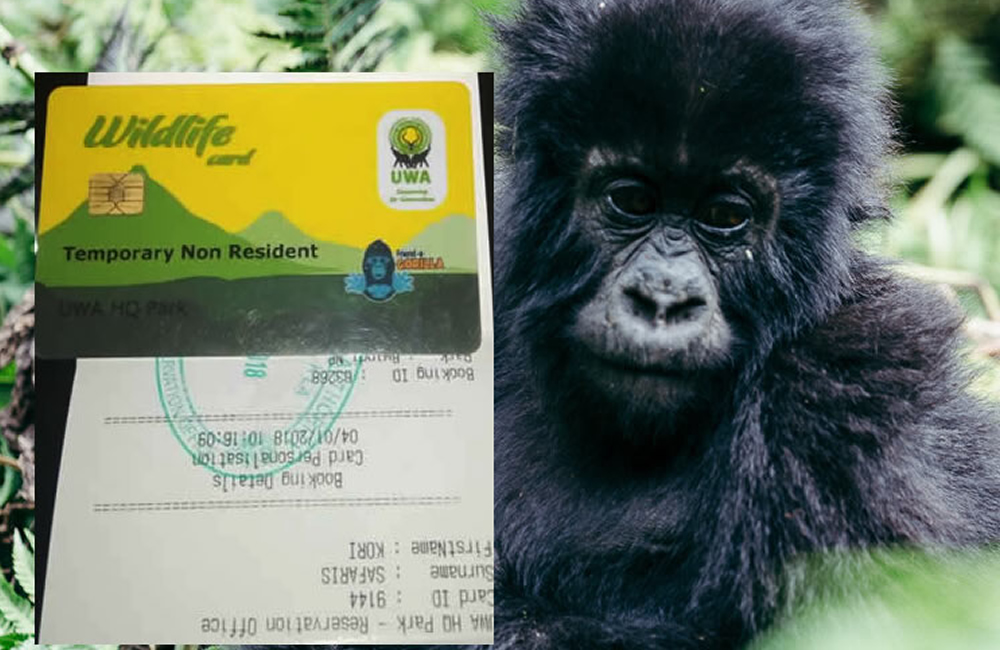
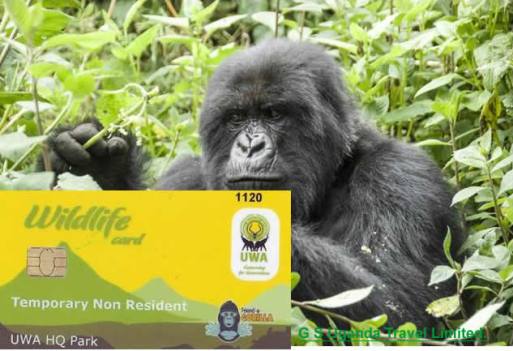
Uganda gorilla trekking permits are essential, government-issued documents mandated by the Uganda Wildlife Authority (UWA) for anyone seeking to access and observe mountain gorillas in their wild habitats.
These permits serve as your golden ticket to one of the most intimate wildlife experiences on the planet, regulating visitor numbers to minimize disturbance to the gorillas and their ecosystems.
Without a valid permit, entry into the designated gorilla trekking zones is strictly prohibited, emphasizing the controlled and conservation-focused nature of this activity.
There are two primary types of Uganda gorilla permits: the standard trekking permit, which allows for a one-hour observation session with a habituated gorilla family, and the more immersive gorilla habituation experience permit, granting up to four hours of interaction during the habituation process where researchers acclimate wild gorillas to human presence.
The history of these permits traces back to the 1990s when Uganda formalized gorilla tourism as a strategy to protect these endangered species from poaching and habitat loss, channeling revenue directly into anti-poaching patrols, community development projects, and habitat restoration efforts that have helped stabilize gorilla populations over the decades.
Today, funds from gorilla trekking permits in Uganda support local communities through initiatives like revenue-sharing programs, where a portion of permit fees builds schools, clinics, and infrastructure, fostering a symbiotic relationship between tourism and conservation.
The main locations for gorilla trekking are the iconic Bwindi Impenetrable National Park, divided into sectors such as Buhoma, Ruhija, Rushaga, and Nkuringo, each offering unique terrain and gorilla families, and the smaller but equally captivating Mgahinga Gorilla National Park near the Virunga Volcanoes, home to the Nyakagezi gorilla group.
These sites are chosen for their dense gorilla populations and biodiversity hotspots.
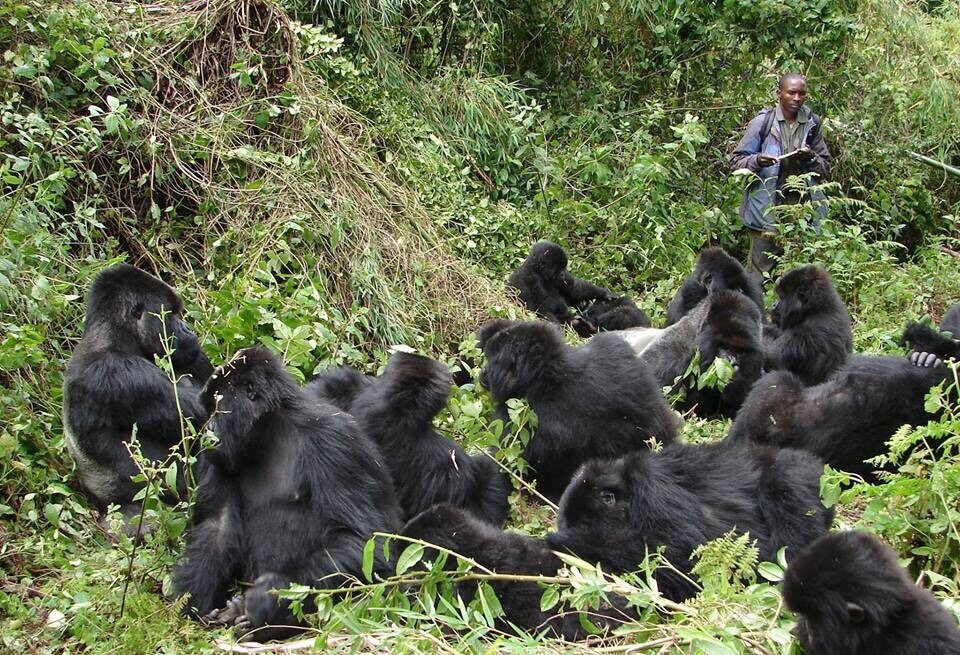
Permits are crucial because they enforce strict limits—only eight visitors per gorilla group per day—to safeguard gorilla welfare, preventing stress, disease transmission, and overexposure that could disrupt their natural behaviors.
This cap ensures a high-quality, low-impact experience while maintaining the gorillas’ health, with success rates in sightings hovering around 95-98% due to expert tracking by UWA rangers.
To better understand how Uganda gorilla trekking permits stack up against neighboring countries, consider this comparison table:
| Aspect | Uganda (2026) | Rwanda (2026) | DRC (2026) |
|---|---|---|---|
| Standard Permit Cost | $800 (Foreign Non-Resident) | $1,500 (Standard) | $400-$450 (Standard) |
| Availability | 200+ permits/day across parks | Limited to 96 permits/day | Variable, often fewer due to security |
| Locations | Bwindi & Mgahinga | Volcanoes National Park | Virunga National Park |
| Group Size Limit | 8 visitors/group | 8 visitors/group | 4-8 visitors/group |
| Conservation Impact | High, funds community projects | High, premium pricing for exclusivity | Moderate, affected by instability |
This table highlights Uganda’s edge in affordability and availability, making it an ideal choice for budget-conscious adventurers seeking authentic gorilla trekking in Uganda without compromising on ethical standards.
Uganda Gorilla Permit Costs and Visitor Categories in 2026
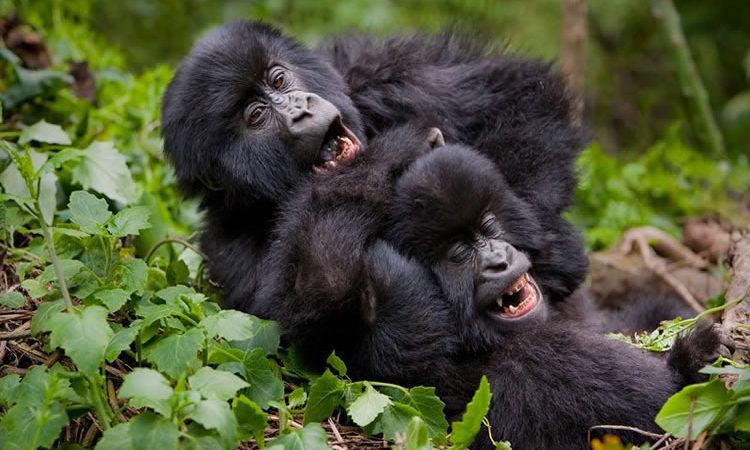
Navigating the Uganda gorilla permit costs 2026 is key to budgeting your adventure, with prices set by the Uganda Wildlife Authority (UWA) to reflect visitor categories and promote inclusive tourism.
For foreign non-residents—the majority of international travelers—the standard gorilla trekking permit in Uganda is priced at $800 per person, a rate that has held steady into 2026 to balance accessibility with conservation funding.
Foreign residents in Uganda enjoy a slight discount at $700, requiring proof of residency such as a work permit or long-term visa.
East African citizens benefit from the most affordable rate at approximately $80 (equivalent to UGX 300,000), encouraging regional tourism, while other African nationals pay $500 to foster pan-African engagement in wildlife preservation.
For those opting for the extended gorilla habituation experience, costs escalate to $1,500 for foreign non-residents, $1,000 for foreign residents, and adjusted rates for locals, offering deeper insights into gorilla behavior but with even stricter availability.
Several factors influence these prices, including seasonality—though base rates remain fixed, low-season travel can indirectly reduce overall costs through cheaper accommodations and flights— and nationality verification, where passports or IDs must be presented during booking to qualify for discounted categories.
Inclusions with your Uganda gorilla permit cover the guided trek itself, park entry fees, and ranger services, ensuring a safe and informative experience led by knowledgeable UWA guides who track gorilla movements daily.
However, exclusions are noteworthy: transportation to the parks (often 4-10 hours from Kampala or Entebbe), lodging in nearby eco-lodges, and optional porter hires ($20-50 per person for carrying gear on steep trails) are additional expenses to factor in, along with tips for guides and porters to support local economies.
To optimize your budget, consider low-season discounts on packages, group bookings that spread shared costs like vehicle hires, or bundling with other activities such as chimpanzee tracking in Kibale National Park for multi-experience deals.
For context, here’s a detailed comparison chart of Uganda gorilla permit costs over recent years and against neighbors:
| Year/Category | Uganda Standard (Foreign Non-Res) | Uganda Habituation (Foreign Non-Res) | Rwanda Standard | DRC Standard |
|---|---|---|---|---|
| 2024 | $700 | $1,500 | $1,500 | $400 |
| 2025 | $800 | $1,500 | $1,500 | $450 |
| 2026 | $800 | $1,500 | $1,500 | $450 |
The investment pays dividends not just in memories but in tangible conservation outcomes, with each permit contributing to anti-poaching efforts that have increased gorilla numbers by over 20% in the last decade.
How to Book Gorilla Trekking Permits in Uganda: Step-by-Step Guide
Booking Uganda gorilla trekking permits requires careful planning, especially for internationals who must navigate a structured process to secure spots in high-demand seasons.
The primary distinction lies in booking methods: international visitors are required to book through registered tour operators accredited by the Uganda Wildlife Authority (UWA) or the Association of Uganda Tour Operators (AUTO), e.g GoSilverback Safaris, as direct individual bookings are limited to Ugandan residents or East Africans via UWA offices.
This operator-mediated approach ensures compliance with regulations and provides logistical support, from permit allocation to on-ground arrangements.
Start with Step 1:
Research and check availability by emailing UWA at reservations@ugandawildlife.org or contacting a reputable operator with your preferred dates, group size, and park sector—Bwindi’s Buhoma or Ruhija for easier access, or Rushaga for more families. Availability is updated in real-time on UWA’s system, but popular dates sell out fast.
Step 2:
Provide necessary details, including full passport information for each participant, as permits are non-transferable and tied to individual identities; mismatches can lead to denial at the park gate.
Step 3:
Make payment, typically a non-refundable 30% deposit via wire transfer, credit card, or mobile money, with the balance due 90 days before the trek—full payment secures your slot.
Confirmation arrives via email with a digital permit.
For timelines, aim to book 6-12 months in advance for peak dry seasons (June-September and December-February), when demand spikes due to favorable weather; however, last-minute bookings are feasible in low seasons (March-May and October-November), often with availability up to a week prior, though at the risk of weather challenges.
Essential tools include the UWA online portal at www.ugandawildlife.org for initial inquiries, though operators handle the heavy lifting.
Recommended operators for 2026 include GoSilverback Safaris (Kampala-based, specializing in customized treks; www.gosilverbacksafaris.com) Gorilla Nests Safaris (expert in primate experiences; www.gorillanestssafaris.com),
Common pitfalls to avoid include overlooking sold-out dates, especially around holidays like Christmas or Easter, or failing to confirm visa requirements that align with permit details; always double-check passport validity and entry stamps.
Additionally, budget for potential rescheduling fees if weather or health issues arise.
Secure your permit through us for hassle-free booking, ensuring expert guidance from inquiry to trek completion, and consider adding insurance for peace of mind.
Best Time and Seasons for Gorilla Trekking in Uganda
Determining the best time for gorilla trekking in Uganda hinges on balancing weather, crowds, and personal preferences, with 2026 offering consistent patterns influenced by climate and post-2025 tourism surges.
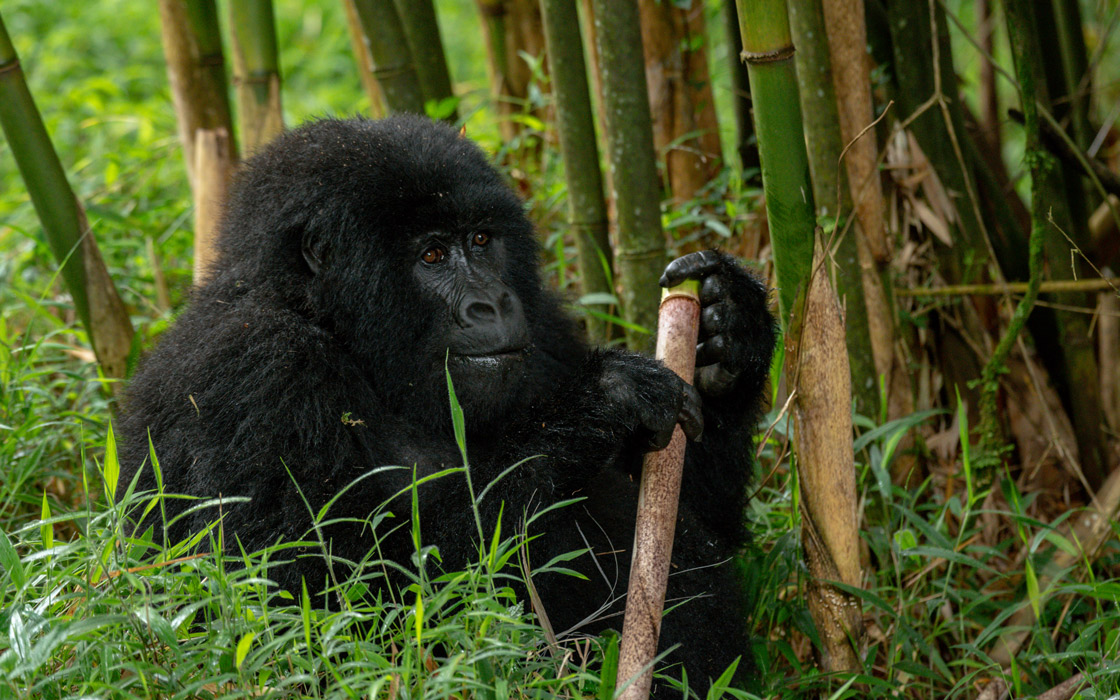
Peak seasons fall during the dry months of June to September and December to February, when trails are less muddy, hikes are more manageable, and visibility is optimal for spotting gorillas amid clearer skies—ideal for first-timers seeking comfort.
In contrast, low seasons in March to May and October to November bring heavier rains, transforming paths into slippery challenges but rewarding with fewer crowds, lush greenery, and discounted flights or lodges, appealing to adventurous budget travelers.
Weather significantly impacts the experience: dry periods mean easier 2-8 hour treks with minimal rain interruptions, while wet seasons offer vibrant flora and potentially closer gorilla encounters as families forage lower, though expect mud and possible delays.
Availability statistics bolster Uganda’s appeal, with over 200 permits issued daily in Bwindi Impenetrable National Park across its sectors, and Mgahinga adding more options, ensuring higher chances than Rwanda’s capped 96.
For 2026, anticipate a demand surge following 2025’s recovery, so book early to sidestep shortages.
Here’s a monthly calendar table with pros, cons, and events:
| Month | Pros | Cons | Key Events/Tips |
|---|---|---|---|
| January-February | Dry weather, excellent hiking | High crowds, premium prices | Avoid New Year rush; ideal for birding festivals |
| March-May | Fewer visitors, green landscapes | Rainy, slippery trails | Low-season deals; post-Easter availability |
| June-September | Optimal dry conditions, high sightings | Peak demand, book 12 months ahead | Wildlife festivals; avoid July-August holidays |
| October-November | Lush scenery, discounted flights | Frequent showers | Shoulder season; prepare for wet gear |
| December | Festive vibe, dry end-of-year | Holiday crowds | Christmas bookings surge; early planning essential |
Tips for 2026 include avoiding major holidays like Easter or Independence Day (October 9) to evade competition, and booking early amid expected post-2025 demand increases driven by global travel rebounds and Uganda’s marketing campaigns.
Preparation Tips for Your Uganda Gorilla Trekking Adventure
Preparing for your Uganda gorilla trekking adventure demands attention to physical, logistical, and sustainable aspects to ensure a rewarding and responsible experience in 2026.
Start with physical preparation: the treks can last 2-8 hours over rugged, steep terrain at altitudes up to 2,600 meters, so build stamina through cardio workouts like hiking or stair climbing weeks in advance; note the age limit of 15 years and above, with no upper cap but medical clearance advised for those over 60.
A comprehensive packing list is crucial—prioritize waterproof gear such as rain jackets and pants to handle sudden showers, sturdy hiking boots with good grip for muddy slopes, long-sleeved shirts and pants to ward off insects and thorns, insect repellent with DEET for protection against mosquitoes, and binoculars for enhanced wildlife viewing beyond gorillas.
Don’t forget a reusable water bottle (at least 2 liters capacity), energy snacks, a hat, sunscreen, and a small backpack; porters can carry heavier items for $20-50.
Health and safety protocols are non-negotiable: mandatory vaccinations include yellow fever (certificate required upon entry), plus recommended ones for hepatitis A/B, typhoid, and rabies; COVID-19 measures may linger with testing or masking in 2026, so check UWA updates.
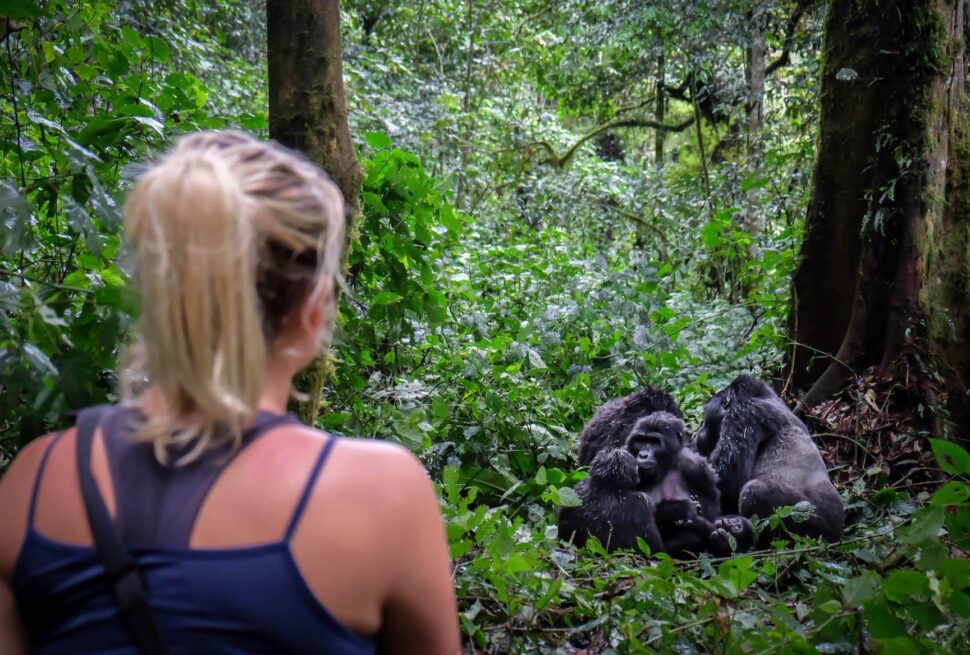
Adhere to gorilla etiquette—maintain a 7-meter distance to prevent disease transmission, avoid direct eye contact with silverbacks, and follow ranger instructions to minimize stress on the animals.
Logistically, plan flights into Entebbe International Airport near Kampala, followed by domestic flights to Kihihi or Kisoro airstrips (1-2 hours) or road transfers (4-10 hours drive from Kampala via well-maintained highways), with 4×4 vehicles essential for park access.
Sustainable tips elevate your trip: choose eco-friendly operators certified by UWA for low-impact practices, support community initiatives by purchasing local crafts or joining Batwa cultural tours, and offset your carbon footprint through tree-planting programs.
- Essential Gear Checklist: Waterproof backpack, trekking poles for balance, gaiters for mud protection, gloves for thorny vines, camera with zoom lens (no flash).
- Health Essentials: First-aid kit with blister plasters, anti-malarials, altitude sickness meds if prone.
- Sustainable Practices: Use biodegradable products, avoid single-use plastics, contribute to conservation funds.
What to Expect During Your Gorilla Trek: A Day in the Life
Embarking on a gorilla trek in Uganda unfolds as an exhilarating day packed with anticipation, physical effort, and profound connections to nature, typically starting at dawn in your lodge near Bwindi or Mgahinga.
Your itinerary kicks off with a 7 AM briefing at the park headquarters, where UWA rangers outline safety rules, assign groups based on fitness levels, and share the latest gorilla locations from pre-dawn trackers—setting the stage for the adventure ahead.
The trek begins shortly after, winding through dense forests on uneven paths that can span 2-8 hours round-trip, depending on the gorilla family’s movements; expect challenges like steep inclines, tangled vines, and possible river crossings, all amplified by altitudes reaching 2,600 meters that may cause breathlessness.
Wildlife encounters add thrill—listen for chimpanzee calls or spot forest elephants—while rangers machete paths and share insights on flora and fauna.
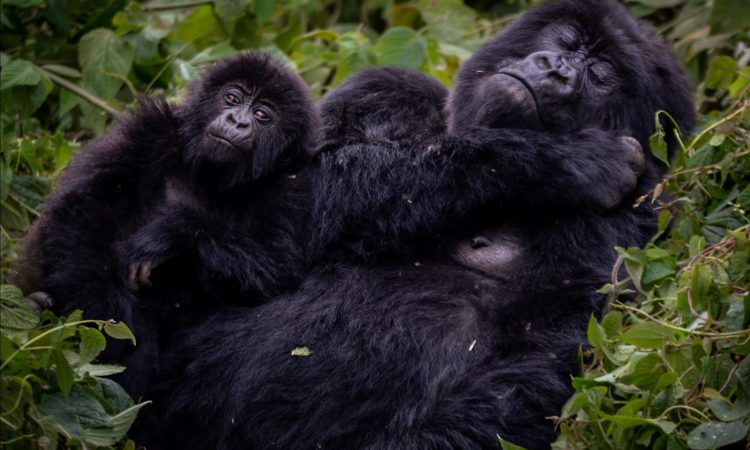
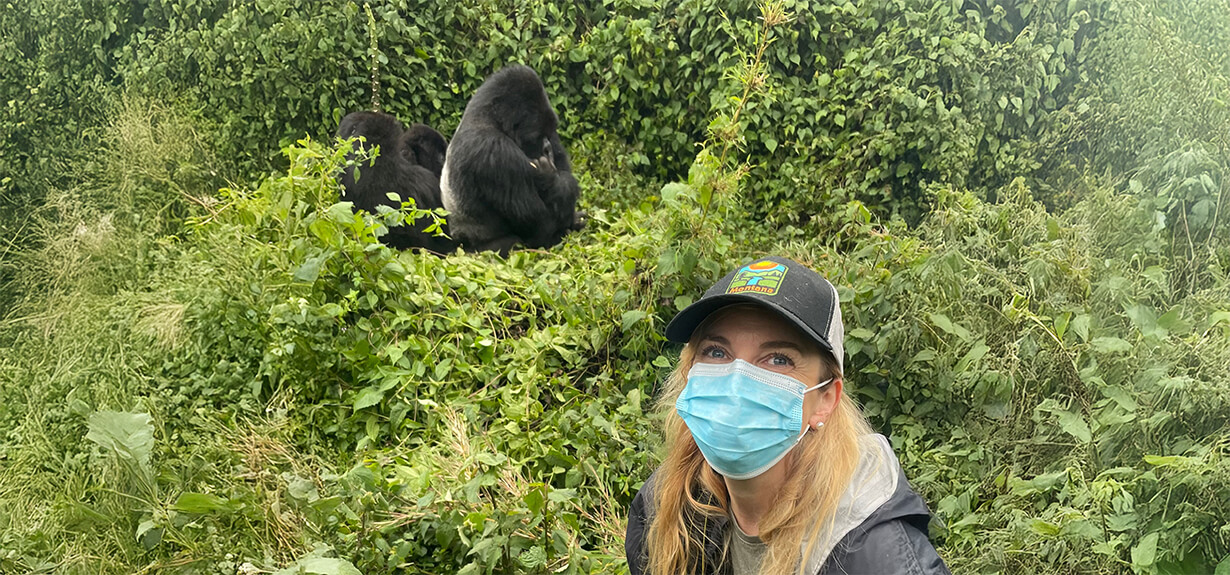
The highlight arrives upon locating the gorillas: a magical one-hour (or four for habituation) session observing family dynamics, from playful juveniles to dominant silverbacks, with photography tips emphasizing natural light and silent shutters to avoid disturbance.
Post-encounter, the return hike offers reflection time, culminating in a certificate presentation back at base, symbolizing your contribution to conservation.
Optional add-ons include birding trails with over 350 species or Batwa cultural tours exploring indigenous pygmy heritage.
For engagement, draw from real anonymized stories: One traveler in 2025 described landing at Kihihi airstrip and hiking to a Buhoma waterfall as a “soul-stirring warm-up,” buzzing with excitement amid biodiversity.
Another from 2024 recounted a grueling four-hour high-altitude climb rewarded by passive observation of unconcerned gorillas, calling it “physically demanding but profoundly moving.”
A recent post highlighted the awe of 400-pound silverbacks sharing 98% human DNA, urging bucket-list status for this rare wildlife immersion.
Frequently Asked Questions
Can I cancel my gorilla permit?
Refunds are partial (up to 75%) if canceled 91+ days prior; closer dates yield less, with no refunds within 8 days—check UWA policy for details.
What if I don’t see gorillas?
Rare (95% success), but UWA offers a free retry the next day if no sighting occurs.
Are permits transferable?
No, they’re name-specific; changes require rebooking and fees.
How many permits are available daily?
Over 200 in Bwindi, plus Mgahinga—book early for peaks.
Do children need permits?
Yes, for ages 15+; under 15 not allowed for safety.
What’s the difference between standard and habituation permits?
Standard: 1-hour view; habituation: 4-hour interaction at higher cost.
Can I book directly with UWA?
Locals yes; internationals via operators.
Are there discounts for groups?
Not on permits, but packages reduce overall costs.
What documents are needed?
Passport copy for booking; original at trek.
Is trekking safe?
Yes, with armed rangers; follow health protocols.
How fit do I need to be?
Moderate; options for easier sectors.
Can I trek in rainy season?
Yes, but prepare for mud; fewer crowds.
Conclusion and Next Steps
In summary, securing Uganda gorilla trekking permits unlocks an ethical, thrilling adventure amid stunning landscapes, with 2026 costs, booking tips, and preparations ensuring success.
Don’t miss out—book your Uganda gorilla trekking permits with UWA or GoSilverback Safaris today for 2026!