Kidepo National Park Uganda: Ultimate Safari Guide to Wildlife & Adventure in 2026
Kidepo National Park Uganda is a destination for travelers who seek Africa in its purest, wildest, and most untouched form.
Far from the busy safari circuits, Kidepo offers an experience that feels truly exclusive—where vast open savannahs stretch endlessly toward rugged mountain ranges and wildlife roams freely with little human presence.
This is not a park of crowds or rushed sightings; it is a place of silence, space, and raw beauty.
Often described as Uganda’s wildest national park, Kidepo stands apart for its dramatic landscapes, remote location, and exceptional biodiversity. Its isolation has preserved a rare sense of authenticity, making every game drive feel private and deeply immersive.
Here, you may encounter lions, elephants, giraffes, buffaloes, cheetahs, ostriches, and rare antelope species against a backdrop that rivals the great plains of East Africa.
This safari is perfect for adventurous travelers, photographers, nature lovers, and seasoned safari-goers who want something beyond the ordinary.
If you value exclusivity, untouched wilderness, and meaningful wildlife encounters, Kidepo delivers in ways few parks can.
This guide provides everything you need to plan the perfect Kidepo safari—from wildlife highlights and the best time to visit, to safari itineraries, lodges, costs, and travel logistics—helping you turn an extraordinary destination into an unforgettable African journey.

Where Is Kidepo National Park Located?
Kidepo National Park is located in the far northeastern corner of Uganda, within the remote Karamoja region, one of the least explored and most culturally rich areas of the country.
The park lies in Kaabong District, close to Uganda’s international borders with South Sudan to the north and Kenya to the east, giving it a unique cross-border ecosystem influenced by the semi-arid landscapes of East Africa.
This geographic position makes Kidepo feel worlds away from Uganda’s more frequently visited parks.
Surrounded by the rugged Morungole and Lotukei mountain ranges, the park’s isolation has protected it from mass tourism, preserving its raw wilderness, open savannahs, and low visitor numbers.
The result is an exclusive safari experience where game drives are often enjoyed without seeing another vehicle for hours—something increasingly rare in Africa.
Despite its remoteness, Kidepo is accessible with proper planning.
The park is approximately 700 kilometers from Kampala and about 740 kilometers from Entebbe, with travel taking 10–12 hours by road depending on route and conditions.
For travelers seeking comfort and speed, domestic flights from Entebbe or Kajjansi airstrip to Kidepo Airstrip significantly reduce travel time.
Kidepo’s location is not a drawback—it is its greatest asset, offering solitude, authenticity, and one of Uganda’s most exclusive safari landscapes.
History & Conservation Significance of Kidepo
Kidepo National Park holds a special place in Uganda’s conservation history as one of the country’s oldest and most important protected areas.
The region was first designated as a game reserve in the 1950s, before being officially gazetted as a national park in 1962, the same year Uganda gained independence.
This early protection was driven by the area’s exceptional wildlife diversity and its role as a critical refuge for species adapted to semi-arid savannah ecosystems.
Over the decades, Kidepo has become a cornerstone of Uganda’s wildlife conservation efforts, safeguarding species that are rare or absent in other parts of the country.
The park protects vital habitats for cheetahs, striped hyenas, ostriches, bat-eared foxes, and large populations of buffaloes and giraffes, while also serving as an important corridor within the greater East African ecosystem near South Sudan and Kenya.
Conservation in Kidepo goes beyond wildlife protection—it is closely linked to community involvement, particularly with the indigenous Karamojong and Ik people living around the park.
Community conservation initiatives focus on reducing human–wildlife conflict, promoting alternative livelihoods, and encouraging local participation in tourism through cultural visits, craft markets, and employment in lodges and park services.
Tourism plays a growing and positive role in Kidepo’s conservation success.
Park fees and safari tourism revenues directly support wildlife protection, ranger patrols, infrastructure development, and community programs.
By choosing to visit Kidepo, travelers contribute to sustainable conservation while helping improve local livelihoods, ensuring that this extraordinary wilderness remains protected for future generations.
Wildlife in Kidepo National Park (Big Game Focus)
Kidepo National Park is widely regarded as Uganda’s richest wildlife sanctuary, offering a concentration and variety of species unmatched anywhere else in the country.
Its semi-arid savannah, seasonal rivers, and open plains support wildlife more commonly associated with Kenya and Tanzania, making Kidepo feel like a classic East African safari—yet without the crowds.
For visitors seeking rare species and authentic big-game encounters, Kidepo delivers an experience that stands apart from Uganda’s other national parks.

Mammals Found Only in Kidepo (Within Uganda)
Kidepo is the only national park in Uganda where several iconic dry-land species can be seen, giving it a unique ecological identity.
-
Cheetahs – The fastest land mammals are occasionally spotted on the open plains, especially in the Narus Valley, making Kidepo the only place in Uganda where cheetah sightings are possible.
-
Ostriches – These large, flightless birds roam the park’s open landscapes, a species absent from all other Ugandan parks.
-
Bat-eared fox – Rare and nocturnal, this insect-eating fox thrives in Kidepo’s semi-arid environment.
-
Caracal – A secretive, medium-sized wild cat adapted to dry savannahs and rocky terrain.
-
Striped hyena – Unlike the spotted hyenas common elsewhere in Uganda, this species is found only in Kidepo.
Compared to parks like Queen Elizabeth or Murchison Falls, Kidepo offers wildlife species you simply cannot see anywhere else in Uganda.

Classic Safari Wildlife
In addition to its rare species, Kidepo boasts impressive populations of Africa’s most iconic animals, often seen in dramatic, uncrowded settings.
-
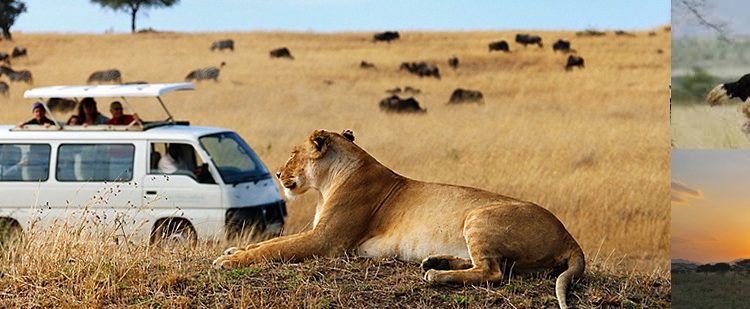
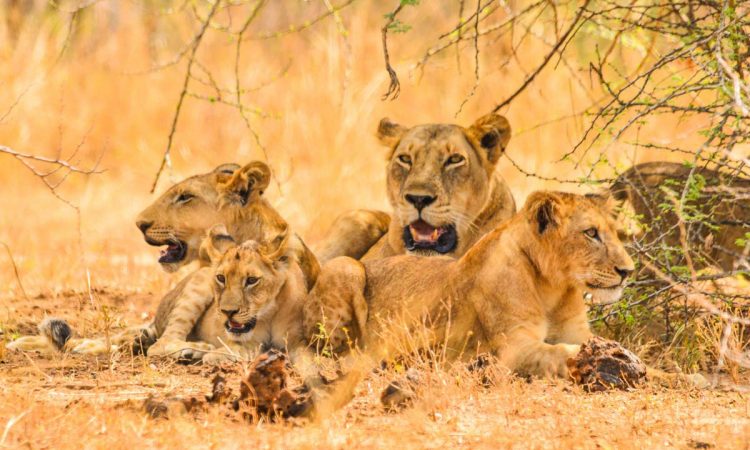
Lions – Frequently spotted lounging on rocky outcrops or stalking prey in the open plains.
-
Leopards – Elusive but present, best seen during early morning or late evening drives.
-
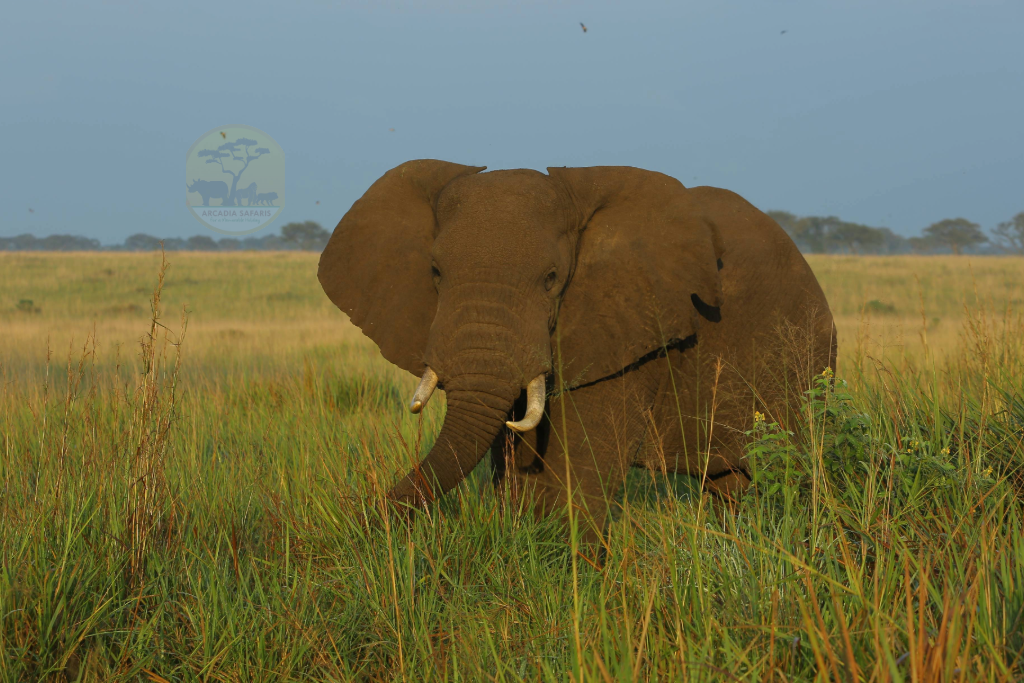
Elephants – Large herds move between valleys, especially during the dry season.
-
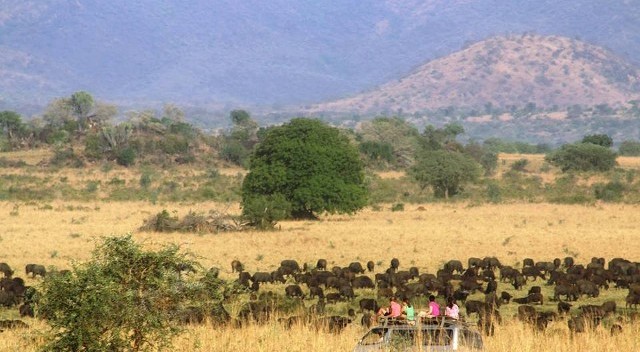
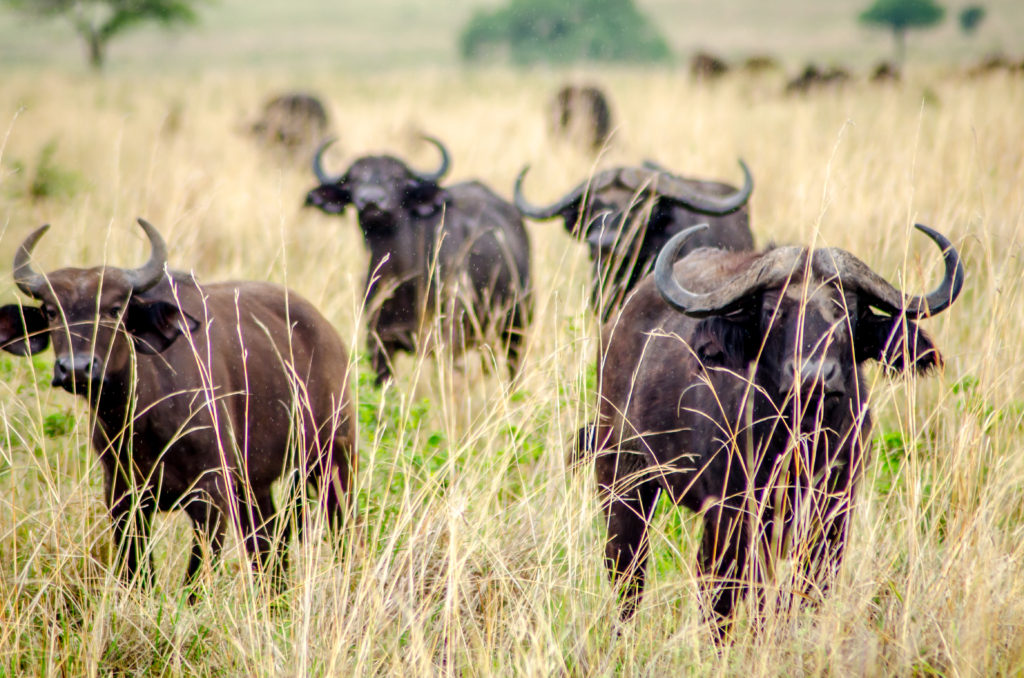
Cape buffaloes – Often seen in massive herds, some numbering in the hundreds.
-
Giraffes – Graceful and abundant, roaming freely across the savannah.
-
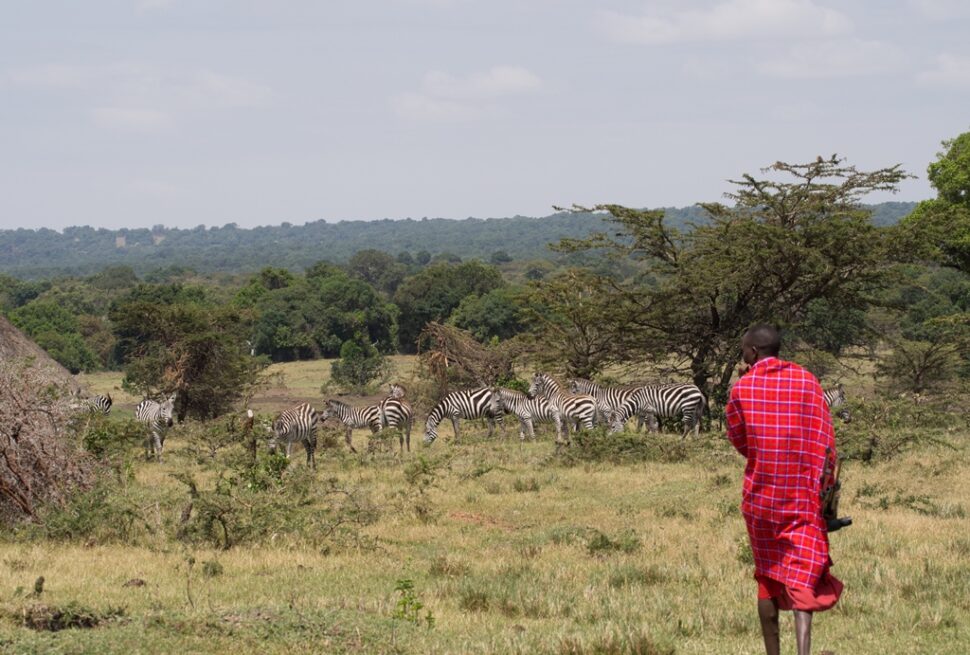
Zebras – Plains zebras add striking contrast to Kidepo’s golden landscapes.
-
Antelope species – Including Jackson’s hartebeest, eland, oribi, bushbuck, and Uganda kob.
Unlike busier parks, wildlife encounters in Kidepo feel exclusive, wild, and deeply immersive—often with no other safari vehicles in sight.

Birdlife in Kidepo National Park
Kidepo National Park is a hidden paradise for bird lovers and one of Uganda’s most rewarding birding destinations, boasting over 475 recorded bird species.
Its unique semi-arid ecosystem supports birdlife that is rarely seen elsewhere in the country, making Kidepo especially attractive to serious birders and photographers seeking both diversity and rarity.
What sets Kidepo apart is the presence of dry-country and northeastern African species that are absent from Uganda’s western and central parks.
Notable and rare species include the Karamoja apalis (Uganda’s only true endemic bird), Clapperton’s francolin, Abyssinian ground hornbill, Kori bustard, pygmy falcon, secretary bird, and fox kestrel.
The park’s open savannahs, seasonal rivers, and rocky outcrops create varied habitats that support raptors, waterbirds, and grassland specialists.
The best birding seasons in Kidepo are during the wet months (April–May and August–October), when migratory species arrive and breeding activity increases.
However, birding remains excellent year-round, with the dry season (December–March) offering easier access, clearer visibility, and high concentrations of resident species near permanent water sources like the Narus Valley.
Despite its exceptional avian diversity, Kidepo remains largely undiscovered by mainstream birding tourism, making it Uganda’s best-kept birding secret.
Low visitor numbers, vast open landscapes, and minimal disturbance allow for intimate birding experiences rarely found elsewhere.
For travelers seeking a blend of rare birds, dramatic scenery, and true wilderness, Kidepo National Park stands unmatched in Uganda.
Things to Do in Kidepo National Park
Kidepo National Park offers a rich mix of wildlife, landscapes, and cultural experiences, making it one of Uganda’s most immersive safari destinations.
Activities here are unhurried and deeply authentic, designed for travelers who want to connect with nature, culture, and conservation in a truly wild setting.
Game Drives in Narus Valley
The Narus Valley is the wildlife heart of Kidepo National Park and the park’s most productive game-viewing area.
Thanks to permanent water sources, this valley supports the highest concentration of wildlife year-round, especially during the dry season.
Early sunrise game drives reveal predators returning from night hunts, while sunset drives offer dramatic light and increased animal activity.
Expect to see lions, elephants, giraffes, buffaloes, zebras, and large antelope herds, often in wide-open landscapes with no other vehicles in sight.
Compared to Uganda’s busier parks, game drives in Narus feel private, raw, and intensely rewarding.
Kidepo Valley Exploration
The Kidepo Valley presents a completely different atmosphere—more arid, expansive, and visually dramatic.
This area becomes especially beautiful after the rains, when seasonal rivers flow and the valley transforms into a lush green plain.
Exploring the Kidepo Valley is ideal for scenic photography, offering sweeping views of distant mountains, winding riverbeds, and wildlife moving across open terrain.
It is also one of the best areas to spot ostriches and dry-land species, reinforcing Kidepo’s reputation as Uganda’s most “Uganda-style” safari park.
Cultural Encounters with the Karamojong
A visit to Kidepo is not complete without engaging with the Karamojong people, renowned for their strong cultural identity and traditional pastoral lifestyle.
Guided community visits allow travelers to learn about traditional homesteads (manyattas), cattle culture, music, and storytelling.
These experiences are conducted through ethical community tourism programs, ensuring respect, fair compensation, and genuine interaction rather than staged performances.
Your visit directly supports education, healthcare, and sustainable livelihoods for local communities living alongside the park.
Nature Walks & Hiking
For travelers who enjoy exploring on foot, guided nature walks and short hikes offer a deeper connection to Kidepo’s landscapes.
Accompanied by armed rangers, walks focus on tracks, plants, birdlife, and smaller wildlife, revealing details often missed on game drives.
Hiking through rocky outcrops and open plains provides a sense of scale and solitude, allowing visitors to fully immerse themselves in the raw wilderness that defines Kidepo National Park.
Best Time to Visit Kidepo National Park
Kidepo National Park is a year-round safari destination, but the experience varies significantly depending on the season.
Understanding the dry and wet seasons helps travelers choose the best time for wildlife viewing, photography, and overall comfort.
Dry Season (December–March & June–August)
The dry season is widely considered the best time to visit Kidepo National Park.
During these months, vegetation is thinner and wildlife gathers around permanent water sources, especially in the Narus Valley, making animals easier to spot.
January to March offers exceptional game viewing, with large herds of buffaloes, elephants, and frequent lion sightings.
Road conditions are generally good and reliable, allowing smooth access within the park.
Clear skies and warm light also make this period ideal for wildlife photography, particularly during sunrise and sunset game drives.
Wet Season (April–May & September–November)
The wet season transforms Kidepo into a lush, green landscape, offering dramatic scenery and excellent birdwatching opportunities as migratory species arrive.
While wildlife is more dispersed due to abundant water, sightings are still rewarding, especially for antelope and bird species.
Some roads can become muddy and challenging, particularly after heavy rains, but the park remains accessible with 4×4 vehicles.
Fewer visitors during this season mean an even more exclusive safari experience.
Best Months for Photography
For photographers, the best months are January, February, and July, when golden light, dust-free skies, and concentrated wildlife create striking images.
Overall, the dry season provides the best wildlife visibility, while the wet season offers rich colors, birdlife, and solitude—making Kidepo a compelling destination in any month of the year.
How to Get to Kidepo National Park
Reaching Kidepo National Park is part of the adventure and a key reason why the park remains one of Uganda’s most exclusive safari destinations.
While remote, Kidepo is accessible by both road and air, with options to suit different travel styles, budgets, and timeframes.
Road Travel Options
Traveling by road offers a scenic journey through central and northern Uganda, passing rural landscapes, small towns, and dramatic savannah scenery.
The most commonly used route is Kampala – Gulu – Kitgum – Kidepo, which is currently the most reliable and comfortable option.
The road journey covers approximately 700 kilometers from Kampala and takes 10 to 12 hours, depending on stops and road conditions.
A 4×4 safari vehicle is essential, especially during the wet season, and many travelers choose to break the journey with an overnight stop to make the drive more relaxed.
Domestic Flights to Kidepo
For travelers short on time or seeking maximum comfort, domestic flights are the fastest way to reach Kidepo. Scheduled and charter flights operate from Entebbe International Airport or Kajjansi Airstrip to Kidepo Airstrip, with a flight time of about 2 hours.
Flying not only saves time but also offers spectacular aerial views of Uganda’s diverse landscapes, making it a popular choice for luxury and mid-range safari travelers.
Safari Planning Tips
-
Combine Kidepo with Murchison Falls National Park for a northern Uganda safari circuit.
-
Travel in the dry season for easier road access.
-
Book flights and lodges well in advance, as options are limited.
With proper planning, getting to Kidepo is smooth—and the reward is one of Africa’s most untouched safari experiences.
Kidepo National Park Safari Itineraries
Choosing the right itinerary is essential to fully experience the raw wilderness and wildlife richness of Kidepo National Park.
Whether you have a short holiday or an extended safari, Kidepo can be tailored into highly rewarding itineraries that balance travel time, game viewing, and cultural experiences.
Below are the most popular Kidepo National Park safari itineraries, designed to suit different schedules and travel styles.
3 Days Kidepo Safari
The 3 Days Kidepo Safari is ideal for travelers with limited time who still want to experience Uganda’s most remote national park. This itinerary typically includes a domestic flight to Kidepo, maximizing time inside the park.
Highlights include multiple game drives in the Narus Valley, where wildlife density is highest, and optional cultural visits to nearby Karamojong communities.
This short safari delivers intense wildlife encounters, dramatic landscapes, and a true sense of exclusivity, making it perfect for fly-in luxury safaris or adventurous travelers on tight schedules.
(Ideal for fly-in safaris and long weekend escapes.)
4 Days Kidepo Wildlife Adventure
A 4 Days Kidepo Wildlife Adventure offers a more relaxed pace and deeper exploration of the park.
With additional time, travelers enjoy both Narus Valley and Kidepo Valley game drives, increased chances of spotting rare species such as cheetahs and caracals, and extended photography sessions.
This itinerary also allows for guided nature walks or cultural encounters, adding depth beyond classic game drives.
The extra day reduces travel pressure and enhances the overall safari experience, making it one of the most popular choices for wildlife enthusiasts.
(Best balance of travel time, wildlife viewing, and immersion.)
5–7 Days Northern Uganda Safari
The 5–7 Days Northern Uganda Safari is perfect for travelers seeking a comprehensive exploration of Uganda’s lesser-known regions.
This itinerary combines Kidepo National Park with other northern attractions such as Murchison Falls National Park, Ziwa Rhino Sanctuary, or cultural sites in the Karamoja region.
Guests enjoy diverse landscapes, varied wildlife experiences, and rich cultural interactions, all while staying in carefully selected lodges. This extended safari showcases Uganda beyond the classic southern circuit and offers exceptional value for adventurous travelers.
(Excellent for storytelling, internal linking, and multi-park safari sales.)
Each itinerary can be customized based on budget, accommodation level, and travel preferences, making Kidepo a flexible and highly sellable safari destination.
Where to Stay in Kidepo National Park
Choosing the right accommodation in Kidepo National Park can make the difference between a good safari and an unforgettable wilderness experience.
Despite its remote location, Kidepo offers a range of lodges and camps to suit luxury, mid-range, and budget travelers, each providing unique views of the park and easy access to wildlife activities.
Luxury Lodges
Apoka Safari Lodge is the park’s premier luxury option, offering panoramic views of the Narus Valley and the surrounding savannah.
This lodge features spacious bandas, private decks, and modern amenities while retaining an authentic safari feel. Guests enjoy guided game drives, cultural visits, and personalized services that make a stay both comfortable and immersive.
Ideal for honeymooners, wildlife photographers, or travelers seeking exclusive experiences, Apoka Lodge combines luxury with the raw beauty of Kidepo.

Mid-Range Lodges
For travelers seeking comfort without breaking the bank, Kidepo Savannah Lodge is an excellent choice.
Located near the park entrance, it provides well-appointed rooms, scenic views, and organized safari activities.
The lodge balances convenience with a close-to-nature feel, making it perfect for families or small groups who want to enjoy game drives and cultural encounters while staying in comfortable accommodations.
Budget Options
Budget travelers can opt for Kidepo Rest Camp, which offers simple but clean bandas and tents within the park.
While basic, the camp provides essential amenities, guided tours, and a central location close to wildlife hotspots.
It is ideal for adventurers, backpackers, and anyone seeking an authentic, no-frills Kidepo experience.
Staying here still allows excellent access to Narus and Kidepo Valleys, making it a practical choice for short or extended safaris.
Whether you prefer luxury comfort, mid-range convenience, or budget simplicity, Kidepo’s accommodations are designed to complement the park’s untamed landscapes, giving every traveler a chance to experience Uganda’s most remote national park in style.
Kidepo National Park Safari Cost
A safari to Kidepo National Park is an investment in one of Uganda’s most exclusive and untouched wildlife experiences.
Costs vary widely depending on your travel style, accommodation, and duration, but understanding the factors involved can help you plan a safari that fits your budget while maximizing value.
Budget vs Luxury Pricing
-
Budget Safaris: Staying at Kidepo Rest Camp or other basic accommodations, using shared or simple safari vehicles, and limiting activities to standard game drives can cost approximately $400–$600 per person for 3 days.
-
Luxury Safaris: Opting for Apoka Safari Lodge, private guided game drives, and fly-in options can range from $1,200–$2,000+ per person for 3 days, offering premium comfort, personalized experiences, and maximum wildlife access.
What Affects Safari Cost
Safari pricing depends on several key factors:
-
Accommodation type (luxury, mid-range, budget)
-
Mode of travel (road vs domestic flight)
-
Duration of stay and number of game drives
-
Optional cultural visits, nature walks, or guided hikes
Park Fees & Permits
Visiting Kidepo National Park requires payment of entrance fees and activity permits, which are generally included in organized safari packages but may be additional for independent travelers.
These fees play a vital role in supporting wildlife conservation, ranger patrols, and community development projects, ensuring that every visit contributes to the park’s long-term protection and sustainable tourism.
Current Park Fees (2026):
-
Foreign Non-Residents (FNR): USD $40 per day
-
Foreign Residents (FR): USD $30 per day
-
East African Citizens: UGX 20,000 per day
Covering an area of approximately 1,442 km², Kidepo is Uganda’s largest savannah national park, located in the remote Karamoja District near the borders with South Sudan and Kenya.
Its size, combined with low visitor numbers, ensures exclusive wildlife encounters and untouched landscapes, making every dollar spent a direct investment in a unique African safari experience.
Whether you are on a luxury safari, mid-range adventure, or budget exploration, these fees guarantee access to some of Uganda’s rarest wildlife, dramatic valleys, and authentic cultural encounters—all while supporting the communities that live alongside the park.
Value vs Crowded Parks
While Kidepo safaris may seem pricier than parks like Queen Elizabeth, the value lies in exclusivity, higher wildlife density, and raw wilderness.
You rarely see another vehicle during game drives, providing intimate encounters with wildlife and pristine landscapes—something mass-visited parks cannot match.
Choosing Kidepo is not just a safari; it’s a private, immersive African wilderness experience worth every dollar for travelers seeking authenticity and adventure.
Kidepo vs Other Uganda National Parks
Kidepo National Park stands apart from Uganda’s more famous parks, offering a remote, uncrowded, and untamed safari experience that contrasts sharply with the popular southern parks.
Understanding these differences helps travelers choose a safari that matches their interests, time, and sense of adventure.
Kidepo vs Queen Elizabeth National Park
While Queen Elizabeth National Park is celebrated for its Kazinga Channel boat cruises, tree-climbing lions, and diverse ecosystems, it is also one of Uganda’s busiest parks, attracting numerous daily safari vehicles.
Kidepo, by contrast, offers solitude and exclusivity, where game drives often feel entirely private. Wildlife is abundant but less habituated to humans, making encounters more authentic.
Kidepo’s semi-arid landscapes also differ dramatically from Queen Elizabeth’s lush wetlands and crater lakes, appealing to travelers seeking dry-country savannahs and classic East African scenery.
Kidepo vs Murchison Falls National Park
Murchison Falls draws visitors for its spectacular waterfall, Nile boat safaris, and large elephant herds, offering both water-based and land-based activities.
Kidepo, however, focuses entirely on remote wildlife and untouched plains, emphasizing off-the-beaten-path experiences. Unlike Murchison, where roads and infrastructure are well-developed, Kidepo’s remoteness preserves its wild character, making it ideal for those who value authenticity over convenience.
Why Kidepo Is for True Explorers
Kidepo is a destination for adventurous travelers, wildlife photographers, and safari enthusiasts who crave the raw African wilderness.
Its remote location, rare species, and low visitor density reward those willing to journey far from the crowds. In essence, Kidepo is Uganda’s ultimate safari for explorers seeking solitude, discovery, and unrivaled natural beauty.
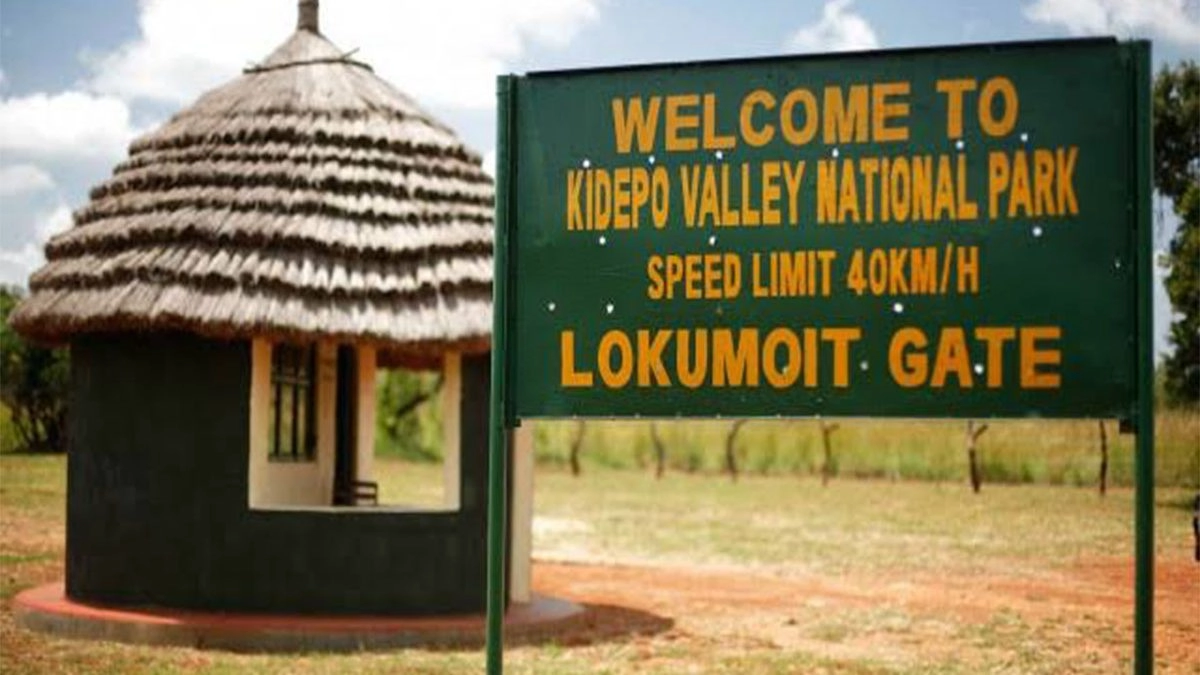
Why Choose Kidepo National Park for Your Safari?
Choosing Kidepo National Park means stepping off the beaten path into one of Uganda’s most untouched and authentic wilderness areas.
Unlike more popular parks, Kidepo experiences virtually no mass tourism, allowing visitors to enjoy safari drives without the crowds, long waits, or staged wildlife encounters found in busier destinations.
This exclusivity creates an intimate connection with nature that few other parks can offer.
Wildlife encounters in Kidepo are genuinely immersive and diverse. From rare species like cheetahs, caracals, and ostriches to large herds of elephants, giraffes, and buffaloes, every game drive feels like a private expedition.
Predators roam freely, antelope graze across vast savannahs, and birdlife thrives undisturbed—making each sighting unique and memorable.
The park’s raw African landscapes are equally compelling.
Rolling plains, rocky outcrops, seasonal rivers, and distant mountains create dramatic scenery at every turn.
Sunrise and sunset transforms the savannah into a golden spectacle, perfect for photography or quiet reflection.
For travelers seeking adventure, solitude, and authentic wildlife experiences, Kidepo National Park offers a safari that goes beyond traditional tours.
Here, every moment is untamed, every sighting is exclusive, and every landscape is a vivid reminder of Africa in its purest form.
It is truly the park for those who want a wild, unforgettable safari experience.
Frequently Asked Questions About Kidepo National Park Uganda
Is Kidepo safe for tourists?
A: Yes, Kidepo National Park is safe for visitors. The park is patrolled by professional rangers, and safari activities are conducted under expert guidance. Staying with licensed guides and following park rules ensures a secure and worry-free experience.
Can I see lions in Kidepo?
A: Absolutely. Kidepo is home to a healthy lion population, often spotted during sunrise or sunset game drives. Unlike in busier parks, sightings here are more natural and less crowded, offering a truly immersive wildlife encounter.
How many days are enough to visit Kidepo?
A: A 3-day safari provides a great introduction, covering Narus Valley game drives and optional cultural visits. For a deeper experience, 4–5 days allows exploration of both Narus and Kidepo Valleys, guided hikes, and birdwatching. Extended itineraries (5–7 days) let you combine Kidepo with other northern Uganda parks for a complete adventure.
Is Kidepo suitable for families?
A: Yes, Kidepo can be enjoyed by families, especially older children who can appreciate wildlife and long drives. Lodges offer family-friendly accommodations, and activities can be adapted to suit children, including shorter drives, guided walks, and safe cultural visits.
Is Kidepo worth the long drive?
A: Definitely. Kidepo’s remoteness is its greatest asset. The journey rewards travelers with exclusive wildlife encounters, dramatic landscapes, and a sense of untamed wilderness that cannot be experienced in more accessible parks. For those seeking adventure and privacy, the drive or flight is well worth the effort.
These FAQs not only answer visitor concerns but also reinforce Kidepo’s uniqueness, safety, and value, boosting credibility and conversion potential for your safari offerings.
What is Kidepo Valley National Park famous for?
Kidepo Valley National Park is famous for being Uganda’s most remote and untamed park, offering exclusive wildlife experiences with very few tourists.
It is renowned for rare species such as cheetahs, caracals, ostriches, and striped hyenas, as well as for its dramatic landscapes of open savannahs, rocky outcrops, and distant mountain ranges. Kidepo is also celebrated for its authentic cultural experiences with the indigenous Karamojong communities.
What animals are in Kidepo National Park?
Kidepo National Park hosts a diverse range of wildlife, including:
- Predators: Lions, leopards, cheetahs, spotted hyenas, caracals
- Herbivores: Elephants, giraffes, buffaloes, zebras, Jackson’s hartebeest, Uganda kob, elands
- Unique species: Ostriches, bat-eared foxes, striped hyenas
- Birdlife: Over 475 species, including endemic birds like Karamoja apalis
The park’s combination of rare and classic African wildlife makes it a must-visit for safari enthusiasts.
How much is the entry fee at Kafue National Park?
Kafue National Park is in Zambia, not Uganda. As of 2025, the entry fees for international tourists are approximately:
- $25–$30 per adult per day (park entry)
- Additional fees may apply for game drives, boat safaris, and guides
Fees can vary depending on Zambian Wildlife Authority updates, so it’s recommended to check before visiting.
Which is the biggest national park in Uganda?
The biggest national park in Uganda is Kidepo Valley National Park, covering approximately 1,442 square kilometers (556 square miles). It is Uganda’s largest savannah park, known for its wide-open plains, remote location, and unique biodiversity.
Conclusion + Strong Call to Action
Kidepo National Park is more than just a safari destination—it is Uganda’s most remote, untamed, and unforgettable wilderness.
From the open savannahs of the Narus Valley to the rugged peaks of Kidepo Valley, every moment spent here immerses you in Africa at its rawest and most authentic.
Rare wildlife, dramatic landscapes, and intimate cultural encounters with the Karamojong communities combine to create a safari experience unlike any other in the country.
Unlike busier parks, Kidepo offers solitude, exclusivity, and genuine adventure, making every game drive, boat ride, or guided walk a once-in-a-lifetime memory.
By choosing Kidepo, you are not just witnessing wildlife—you are supporting conservation, empowering local communities, and helping preserve this extraordinary ecosystem for generations to come.
Every park fee, every guided tour, and every lodge stay contributes directly to sustainable tourism and wildlife protection.
For travelers ready to explore Uganda’s wildest landscapes, GoSilverback Safaris. provides expertly guided tours, tailored itineraries, and premium safari services to ensure your visit is seamless, safe, and unforgettable.
From luxury lodges to off-the-beaten-path adventures, every aspect of your safari is designed to maximize wildlife encounters, comfort, and adventure.
Book your Kidepo National Park safari today with GoSilverback Safaris. and step into a world where wildlife roams freely, landscapes inspire awe, and every moment is an authentic African experience.
Trust our experienced guides, professional services, and deep local knowledge to turn your dream safari into reality.