Ultimate Queen Elizabeth National Park Uganda | Wildlife, Safaris & Map Guide 2026
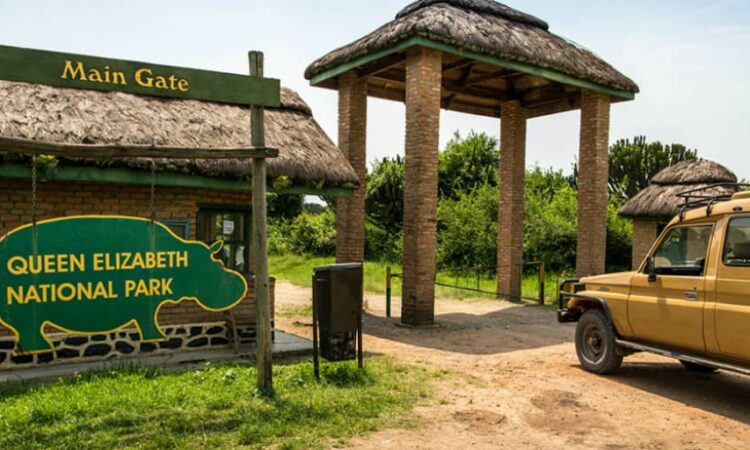
Queen Elizabeth National Park Uganda is Uganda’s most diverse safari destination, located between Lake Edward and Lake George in western Uganda.
The park is famous for its tree-climbing lions of Ishasha, classic game drives, and scenic Kazinga Channel boat safaris packed with hippos, crocodiles, and water birds.
Home to over 95 mammal species and 600+ bird species, Queen Elizabeth National Park offers excellent wildlife viewing year-round.
Visitors enjoy chimpanzee trekking in Kyambura Gorge, crater lake landscapes, and stunning savannah views, making it a top choice for Uganda safari holidays.
As the first golden rays of dawn pierce the horizon, the vast savanna of Queen Elizabeth National Park awakens in a breathtaking symphony of light and life.
Imagine standing on the shores of Lake Edward, where the sky blushes in hues of orange and pink, casting a warm glow over the shimmering waters.
Silhouettes of elephants and buffaloes emerge against the rising sun, while distant hippos grunt in the shallows of the Kazinga Channel.
The air carries the earthy scent of acacia and the distant calls of African fish eagles—a true “medley of wonders” that defines this extraordinary corner of Uganda.
Nestled in the heart of western Uganda, Queen Elizabeth National Park (QENP) spans an impressive 1,978 km² and stands as the country’s most biodiverse and popular safari destination.
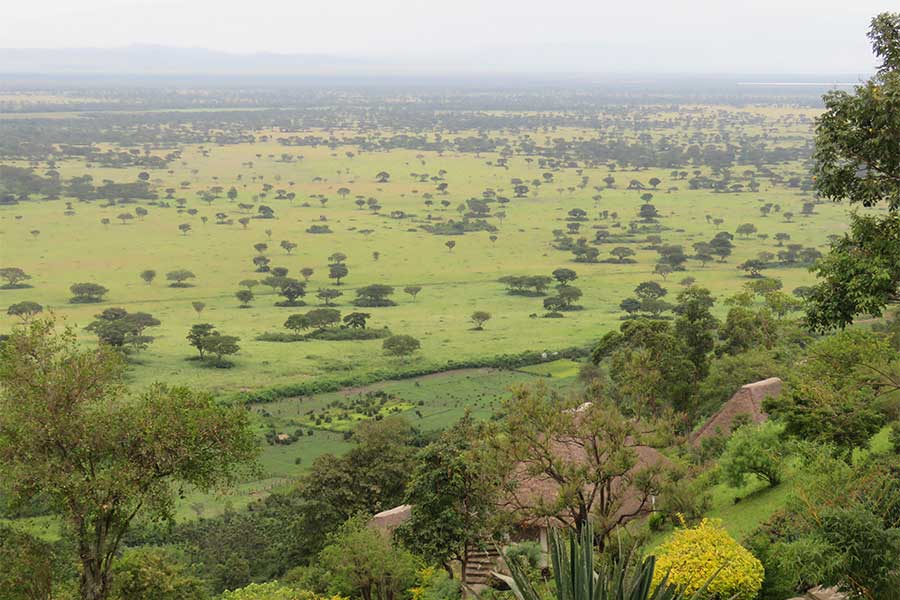
This sprawling paradise, located between Lakes Edward and George, offers an unparalleled blend of ecosystems—from rolling savanna grasslands and thorny acacia woodlands to lush forests, volcanic craters, and fertile wetlands.
Its remarkable diversity supports over 95 mammal species and more than 600 bird species, making it a dream for wildlife enthusiasts, birdwatchers, and adventurers alike.
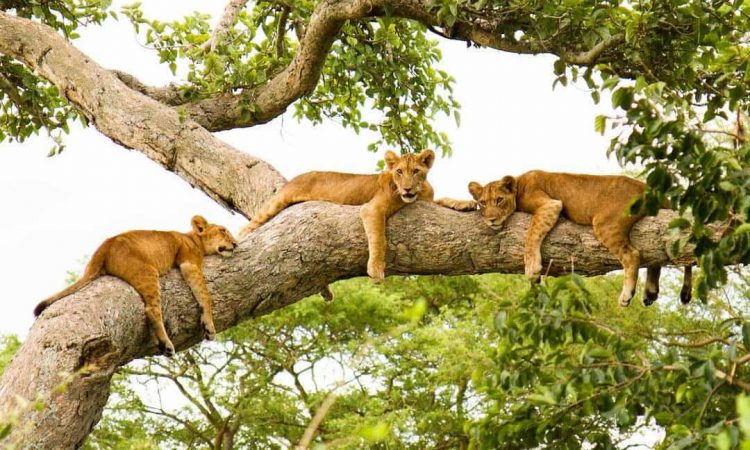
Among its most iconic highlights are the famous tree-climbing lions of the Ishasha sector—rare big cats that lounge lazily in the branches of fig trees, offering visitors a sight found in only a handful of places worldwide.
Herds of elephants, buffaloes, and graceful Ugandan kobs roam the plains, while the Kazinga Channel teems with hundreds of hippos, Nile crocodiles, and bathing elephants.
Add in chimpanzees in the Kyambura Gorge, leopards, spotted hyenas, and colorful avian treasures like shoebill storks and flamingos, and you have a destination that seamlessly combines classic big-game viewing with unique natural spectacles.
What makes Queen Elizabeth National Park a must-visit is its perfect fusion of wildlife drama with stunning geological features: dramatic volcanic craters dot the landscape, ancient rift valley lakes provide serene backdrops, and the park’s waterways create intimate wildlife encounters.
Whether you’re seeking thrilling game drives, peaceful boat safaris, or cultural interactions with local communities, this park delivers an authentic African adventure that leaves a lasting impression.
This ultimate guide covers everything from the park’s rich history to practical tips, top activities, accommodations, and sustainable travel advice—ensuring you have all the information needed for your unforgettable adventure in Queen Elizabeth National Park. Queen Elizabeth National Park
History and Establishment of Queen Elizabeth National Park
Queen Elizabeth National Park (QENP), one of Uganda’s premier wildlife sanctuaries, traces its origins to the early 20th century when the British colonial administration sought to protect the region’s abundant game amid epidemics and depopulation.
In the 1920s, the area was designated as the Lake George and Lake Edward Game Reserves to curb unregulated hunting and preserve ecosystems in the Albertine Rift Valley.
These reserves laid the groundwork for formal protection, as colonial authorities noted the region’s potential as a wildlife haven following earlier depopulation due to rinderpest, sleeping sickness, and cattle raiding.
The pivotal moment came on March 31, 1952, when the National Park Ordinance was enacted, officially gazetting the combined reserves as Kazinga National Park—Uganda’s second national park (alongside Murchison Falls).
This move, driven by lobbying from Chief Game Warden Bruce Kinloch and the colonial governor, aimed to create an exclusive wildlife habitat by restricting human settlement and activities.
Just two years later, in 1954, the park was renamed Queen Elizabeth National Park to honor Queen Elizabeth II’s historic visit to Uganda during her coronation tour, a symbolic gesture of British colonial influence.
Colonial establishment often marginalized local pastoralist communities, notably the Basongora (also known as Songora), whose grazing rights were revoked, forcing thousands to relocate across the border into what is now Virunga National Park in the Democratic Republic of Congo.
Post-independence in 1962, Uganda faced severe challenges. The 1970s and 1980s, marked by political instability under Idi Amin’s regime and civil unrest, saw rampant poaching—often by armed militias and soldiers—decimating populations.
Elephants plummeted from thousands to just a few hundred, while buffaloes and other large mammals suffered similar fates, with some animals fleeing to neighboring peaceful areas like Virunga.
Recovery began in the mid-1980s as stability returned. The Uganda Wildlife Authority (UWA), established to manage protected areas, implemented strict anti-poaching patrols, community engagement, and international partnerships.
By the 1990s and 2000s, wildlife rebounded dramatically—elephants now exceed 4,000, and lions thrive—thanks to these efforts and the park’s designation as a UNESCO Man and the Biosphere Reserve in 1979, recognizing its biodiversity and sustainable resource balance. Queen Elizabeth National Park Uganda
Cultural Significance
Beyond its natural heritage, QENP holds deep cultural importance for surrounding communities, including the Bakiga (agriculturalists), Basongora (pastoralists with a rich cattle-herding tradition), and Bakonzo (mountain dwellers).
These groups, displaced or restricted by park boundaries, now play vital roles in eco-tourism through cultural tours, traditional dances, storytelling, and visits to replica huts at sites like Leopard Village.
Revenue sharing from tourism supports community projects, fostering conservation partnerships and reducing conflicts. This integration highlights how QENP bridges wildlife preservation with cultural preservation and sustainable livelihoods.
Here is a concise timeline of key events:
| Year | Key Event |
|---|---|
| 1920s | Designated as Lake George and Lake Edward Game Reserves |
| 1952 | Founded as Kazinga National Park |
| 1954 | Renamed Queen Elizabeth National Park in honor of Queen Elizabeth II’s visit |
| 1970s–1980s | Severe poaching and population declines due to political instability |
| 1979 | Designated UNESCO Man and the Biosphere Reserve |
| 1980s–present | Recovery through Uganda Wildlife Authority initiatives and community involvement |
Geography, Ecosystems, and Biodiversity
Queen Elizabeth National Park (QENP) boasts an astonishing array of geographical features and ecosystems, making it a microcosm of Uganda’s natural splendor.
Spanning 1,978 km² in the Western Region, the park lies at altitudes between 910m at Lake Edward’s shores and 1,350m at the Katwe Explosion Craters, with the majestic Rwenzori Mountains providing a dramatic northern backdrop.
Its landscapes are a captivating mosaic: vast savanna grasslands roll across open plains like Kasenyi, dotted with herds of antelope and predators; thorny acacia woodlands dominate drier areas, offering shade and camouflage for wildlife;
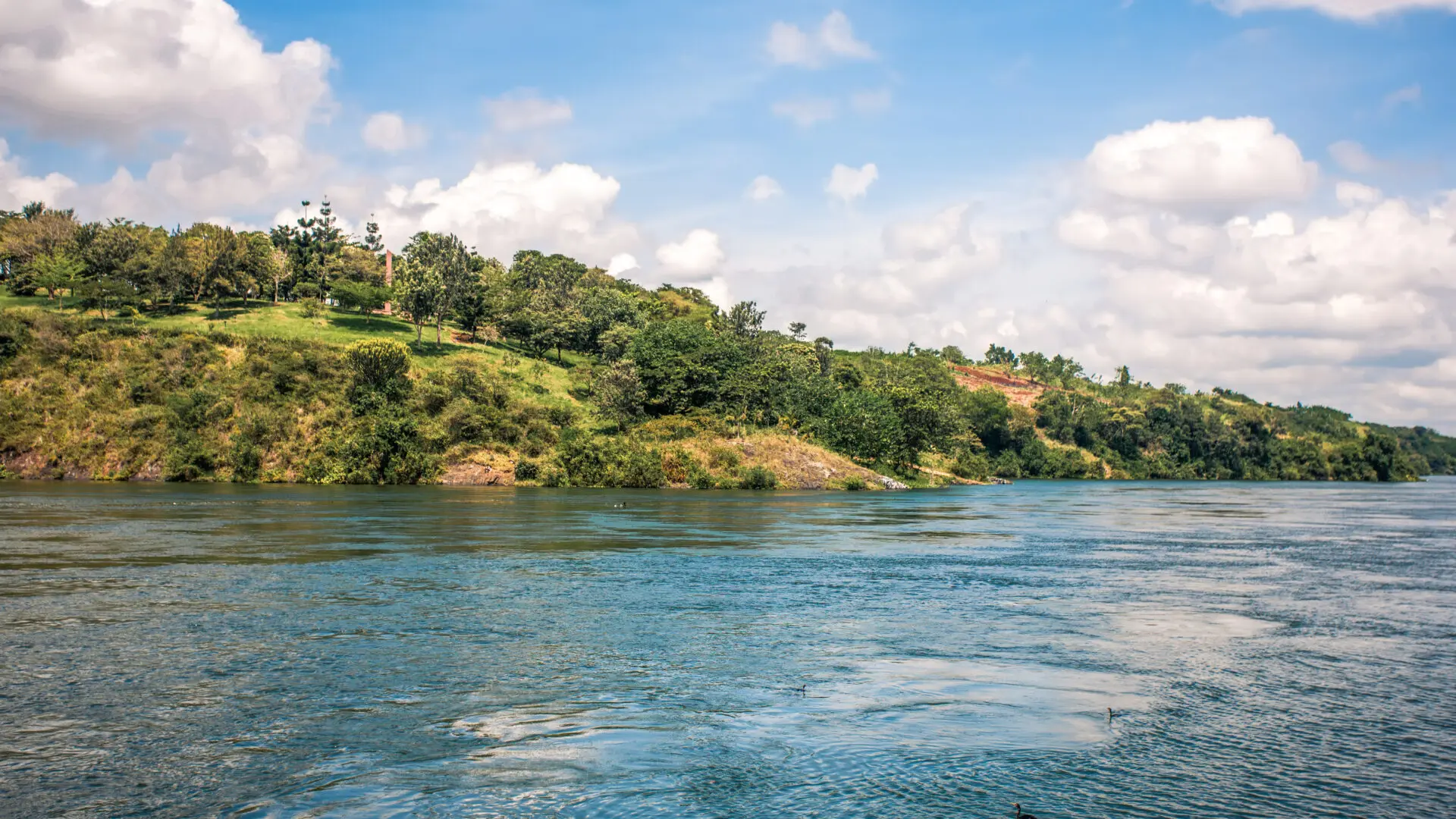
the lush Maramagambo Forest, a humid tropical enclave in the southeast, harbors dense canopies and hidden bat caves; expansive swamps and fertile wetlands fringe the waterways, teeming with aquatic life; and the sparkling Lakes George and Edward—connected by the 40km-long Kazinga Channel—form the park’s watery heart, where hippos wallow and birds flock.
This diversity stems from the park’s position in the Albertine Rift Valley, blending East African savanna with Central African influences, creating habitats that support unparalleled biodiversity.
Designated a UNESCO Man and Biosphere Reserve in 1979, QENP exemplifies harmonious human-nature coexistence.
These varied terrains not only provide stunning vistas but also sustain complex food webs, from grassland grazers to forest primates. The volcanic legacy adds intrigue, with ancient cones and craters forming saline lakes used for salt extraction by local communities. Queen Elizabeth National Park Uganda
Wildlife Highlights
QENP’s biodiversity is legendary, hosting 95 mammal species and over 600 bird species, drawing safari enthusiasts worldwide.
Among the Big Five, visitors can spot lions prowling the plains, majestic elephants in family herds, powerful buffaloes grazing in groups, and elusive leopards lurking in thickets—no rhinos are present, though historical populations existed.
Beyond these icons, the park teems with hippos and Nile crocodiles along the Kazinga Channel, where boat safaris reveal dramatic interactions like elephants bathing amid reptile ambushes.
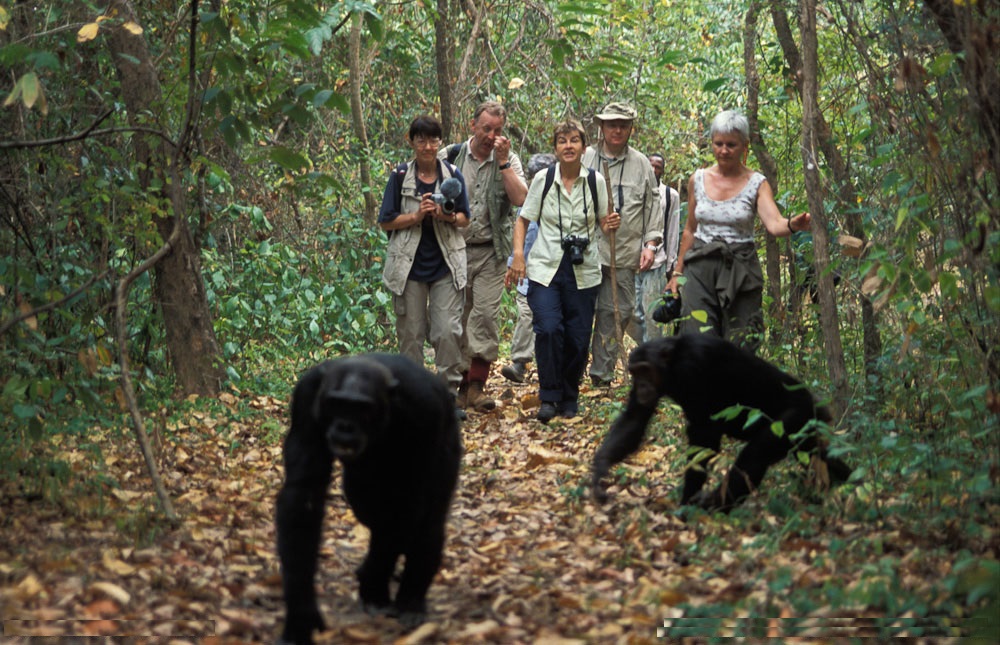
Primates thrive here, including chimpanzees in the steep Kyambura Gorge, where guided treks offer intimate encounters with our closest relatives, alongside black-and-white colobus monkeys and olive baboons.
A standout feature is the Ishasha sector’s tree-climbing lions, a rare behavior seen in only a few African locales. These lions, often with striking black manes, perch in fig or acacia trees—possibly to escape biting flies, survey for prey like Ugandan kobs, or simply cool off in the breeze—providing photographers with iconic shots.
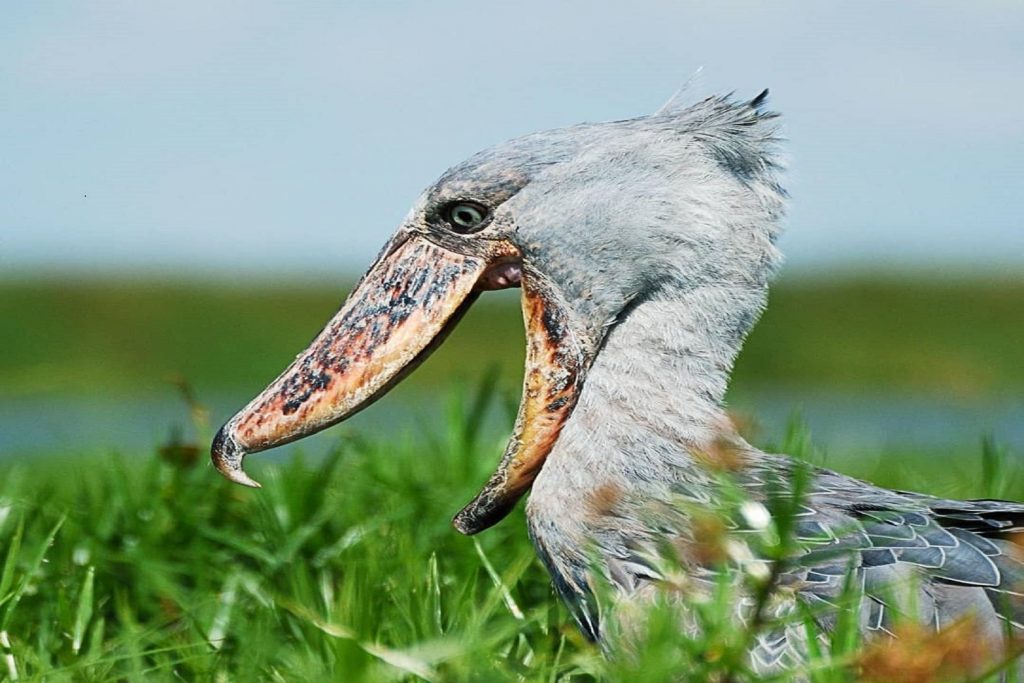
Birdlife is equally spectacular, with shoebill storks wading in swamps, lesser flamingos painting lakes pink during migrations, and other notables like African fish eagles and saddle-billed storks.
- Mammals: Elephants (around 5,000, rebounding from past poaching), Ugandan kob (graceful antelopes in vast herds), waterbucks, topis, warthogs, giant forest hogs, spotted hyenas, and side-striped jackals.
- Birds: Over 600 species, including martial eagles soaring overhead, pink-backed pelicans, papyrus gonoleks, and Chapin’s flycatchers.
Ecosystem Diversity
The park’s ecosystems are defined by five primary vegetation types: open savanna grasslands, supporting large herbivores; acacia woodlands, providing browse for elephants; lakeshore and wetland vegetation, including papyrus swamps for aquatic species; forest grasslands, blending open areas with wooded edges; and lush humid forests like Maramagambo, rich in climbers and epiphytes.
Volcanic craters, such as the Katwe group, add geological diversity with saline lakes and explosive formations, enhancing soil fertility but also posing erosion risks.
Conservation threats loom, including poaching (e.g., lion poisonings from human-wildlife conflicts), habitat fragmentation from agriculture, and climate change impacts like altered rainfall patterns affecting water sources and migration.
Visitors can support by choosing eco-friendly tours, participating in community projects like cultural visits to Basongora herders, adhering to park rules to minimize disturbance, and contributing to initiatives via the Uganda Wildlife Authority, which shares tourism revenue for local education and anti-poaching efforts
Top Activities and Experiences in Queen Elizabeth National Park
Queen Elizabeth National Park (QENP) delivers some of Uganda’s most thrilling and diverse safari experiences, blending classic big-game viewing with unique water-based and primate adventures.
As one of Africa’s premier destinations, the park’s activities cater to wildlife enthusiasts, birders, photographers, and adventure seekers.
Core highlights include exhilarating game drives across open plains, intimate boat safaris on the Kazinga Channel, and guided chimpanzee tracking in lush gorges.
Additional options like hot air balloon rides, forest walks, cultural village visits, and fishing excursions add layers of excitement.
All activities require park entry (USD 40 per adult for foreign non-residents as of 2026), with permits for special experiences booked in advance through the Uganda Wildlife Authority (UWA) or reputable tour operators.
Early morning or late afternoon timings often yield the best wildlife sightings due to cooler temperatures and active animals.
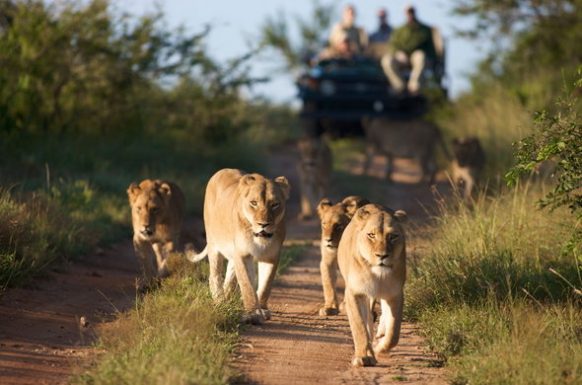
Here are stunning views from a game drive in the Kasenyi sector, showcasing the savanna teeming with elephants, lions, and antelopes:
Game Drives
Game drives are the quintessential safari experience in QENP, offering close encounters with the park’s abundant mammals across varied terrains.
The Kasenyi sector in the east is prime for morning drives, where vast open savannas host large herds of Uganda kobs, elephants, buffaloes, and prides of lions hunting at dawn.
Predators like leopards are more visible in the early light—tip: scan thorny acacias and thickets quietly, as these elusive cats often rest in branches or ambush prey.
The Ishasha sector in the south is renowned for its famous tree-climbing lions, a rare sight where these big cats lounge in fig trees (likely to escape tsetse flies or monitor territory).
Drives here reward patience with dramatic views of prides draped in branches.
Here are iconic images of the tree-climbing lions in the Ishasha sector: Queen Elizabeth National Park Uganda
Self-drives (4×4 recommended) or guided tours with expert trackers enhance sightings.
Costs vary, but guided drives often include park fees and start around USD 100–200 per vehicle.
Boat Safaris on Kazinga Channel
The Kazinga Channel boat safari is frequently hailed as a trip highlight, providing an up-close, relaxed way to observe wildlife from the water.
This 2-hour cruise (typically 2–3 hours total with commentary) glides along the 40km natural waterway connecting Lakes George and Edward, where one of the world’s densest concentrations of hippos (over 5,000) wallow in pods, Nile crocodiles bask on banks, and elephants bathe in family groups—often splashing just meters away.
Birdwatchers delight in over 600 species, including kingfishers, pelicans, fish eagles, and shoebills. Afternoon departures (around 2–5 pm) are ideal for animals drinking at sunset.
Immerse yourself in these captivating boat safari scenes along the Kazinga Channel: Queen Elizabeth National Park Uganda

Cruises depart from Mweya Peninsula (book via lodges or UWA); costs are around USD 30–35 per person for standard trips.
Chimpanzee Tracking in Kyambura Gorge
For a primate-focused adventure, chimpanzee tracking in the dramatic Kyambura Gorge (the “Valley of Apes”) offers a thrilling contrast to savanna safaris.
Guided treks descend into the steep, forested gorge to follow habituated chimpanzee groups through dense vegetation, observing their social behaviors, calls, and feeding.
The experience lasts 2–5 hours, depending on the chimps’ location, and requires good fitness for the steep paths.
Permits are essential and limited.
Witness the magic of chimpanzee tracking in Kyambura Gorge:
As of 2026, permits cost around USD 100 for foreign non-residents (book early via UWA).
Other Activities
Elevate your visit with a hot air balloon safari over the savanna at sunrise—gliding silently above herds, craters, and the Rwenzori Mountains for panoramic views (around 1 hour flight, followed by bush breakfast; costs typically USD 300–500+ per person, book with licensed operators like Balloon Tours Uganda).
Guided nature walks explore Maramagambo Forest for primates and birds, while village visits offer cultural insights into Basongora or Bakiga communities. Fishing on Lake George adds a peaceful option.
Here’s a serene hot air balloon experience over the park: Queen Elizabeth National Park Uganda

Suggested 3-Day Itinerary
| Day | Morning Activity | Afternoon Activity | Evening |
|---|---|---|---|
| 1 | Kasenyi game drive | Kazinga boat safari | Lodge sunset & relaxation |
| 2 | Ishasha lion spotting (tree-climbing lions) | Maramagambo forest walk | Campfire stories |
| 3 | Chimp tracking in Kyambura Gorge | Cultural tour or optional balloon/hot air balloon | Departure |
Booking Tips:
Reserve activities and permits 3–6 months ahead, especially for chimp tracking and balloons. Join organized tours for seamless logistics, or self-drive with a guide.
Combine with nearby parks like Kibale for extended primate adventures. QENP’s activities promise unforgettable moments—plan wisely for peak dry-season magic (June–August, December–February)! Queen Elizabeth National Park Uganda
Best Time to Visit and Weather Guide
Queen Elizabeth National Park (QENP) enjoys a warm tropical climate year-round, with daytime temperatures typically ranging from 28–30°C (82–86°F) and cooler nights dropping to 16–18°C (61–64°F).
While the park has no true dry season—rain is possible anytime—distinct drier periods make planning easier. The best time for optimal wildlife viewing is during the dry seasons: June–August (long dry) and December–February (short dry).
In these months, vegetation thins, and animals congregate around reliable water sources like the Kazinga Channel and Lakes George and Edward, making game drives, boat safaris, and lion spotting (including tree-climbing lions) exceptionally rewarding.
Roads remain accessible, and fewer insects enhance comfort.
The wet seasons—March–May (long rains, peaking in April) and September–November (short rains, peaking in November)—bring lush green landscapes, vibrant birdlife with migratory species, and fewer crowds for a more serene experience.
Birdwatching shines here, but expect heavy showers, muddy roads, slippery trails, and potential disruptions to activities like chimp tracking.
Here’s a monthly weather overview based on typical patterns:
| Month | Avg. Temp (°C) | Rainfall (mm) | Best For |
|---|---|---|---|
| Jan | 25–30 | Low | Safaris, wildlife viewing |
| Feb | 26–30 | Low | Dry season game drives |
| Mar | 25–29 | Moderate-High | Transition, birding |
| Apr | 20–25 | High | Birding, lush scenery |
| May | 22–28 | Moderate-High | Fewer crowds, green views |
| Jun | 22–28 | Low | Peak dry season safaris |
| Jul | 22–28 | Very Low | Excellent wildlife |
| Aug | 23–29 | Low-Moderate | Wildlife & birding |
| Sep | 23–29 | Moderate | Transition, migratory birds |
| Oct | 24–29 | High | Birdwatching |
| Nov | 24–29 | High | Lush landscapes |
| Dec | 24–30 | Low-Moderate | Holiday safaris |
Packing Essentials:
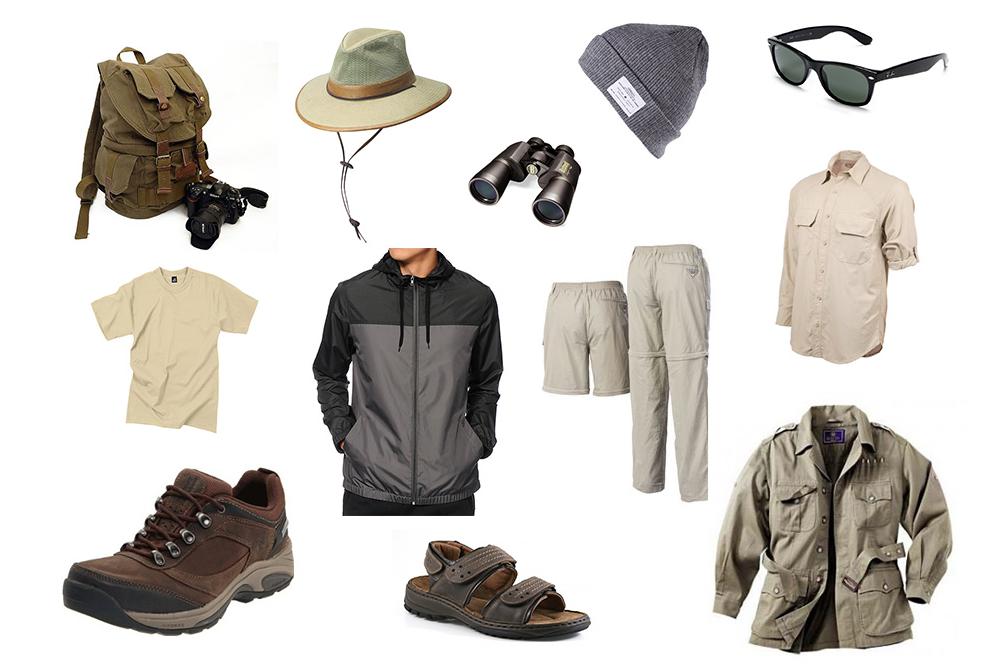
Bring lightweight, neutral-colored clothing (long sleeves/pants for sun/insect protection), a warm layer for chilly mornings/evenings, waterproof jacket, sturdy walking shoes, hat, sunglasses, binoculars (essential for spotting distant wildlife), high-DEET insect repellent, sunscreen, reusable water bottle, and malaria prophylaxis. Pack layers—weather shifts quickly!
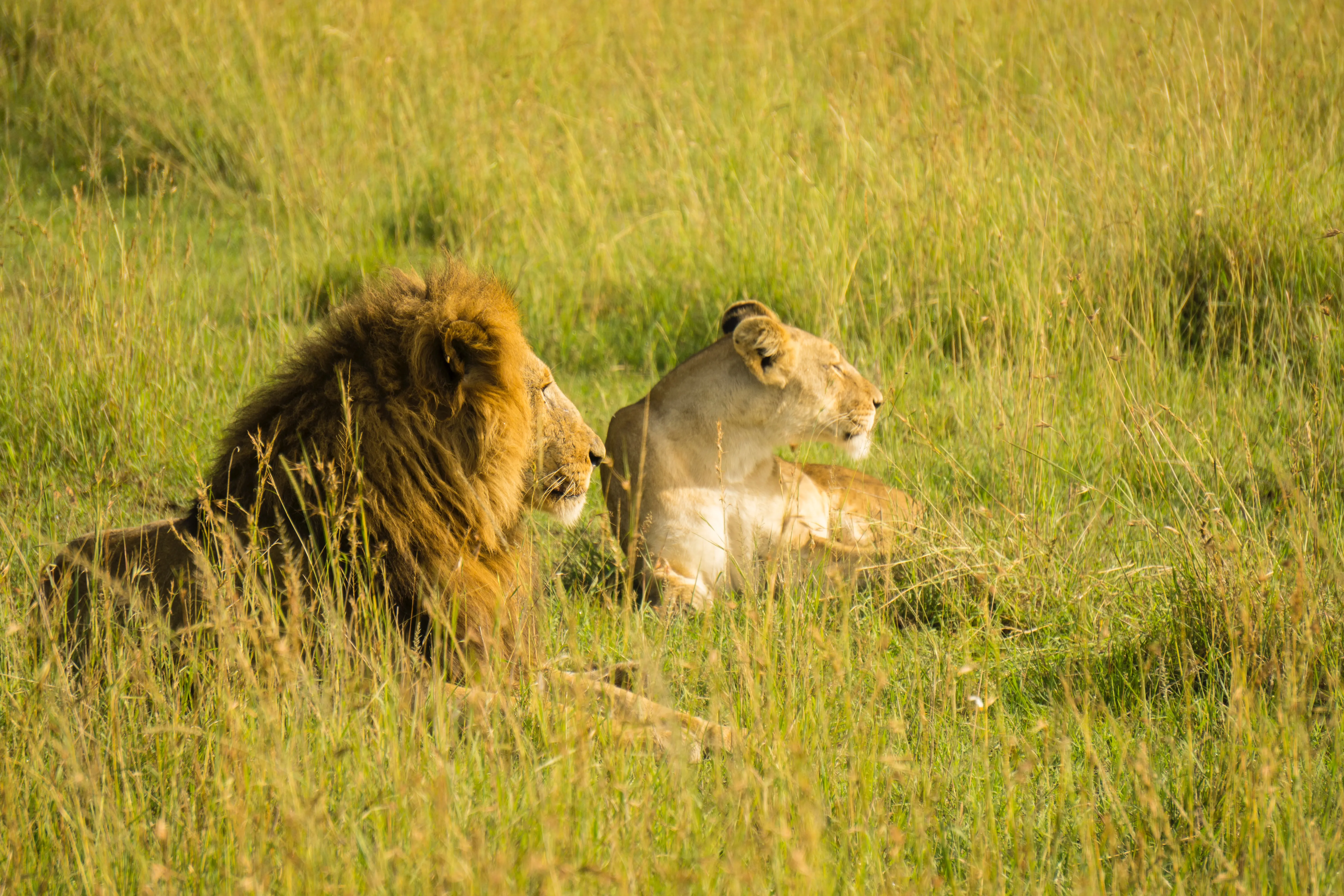
Capture the essence of QENP in the dry season with these stunning savanna wildlife scenes:
Experience the lush beauty and birdwatching magic of the wet season:

Gear up with these safari packing essentials: Queen Elizabeth National Park Uganda
How to Get There and Getting Around
Queen Elizabeth National Park (QENP) is conveniently accessible from Kampala, Uganda’s capital, making it a popular stop for safaris.
The most common route is a 6-7 hour drive covering approximately 410 km via the northern Fort Portal route (through Mubende, Fort Portal, and Kasese).
This tarmac road offers scenic views of countryside, tea plantations, and potential stopovers like the Equator crossing at Kayabwe or nearby attractions. The southern alternative via Masaka-Mbarara-Bushenyi is slightly longer (around 420 km) but equally paved and direct.
For quicker travel, opt for domestic flights to Kasese Airstrip (or nearby Mweya Airstrip inside the park), operated primarily by Aerolink Uganda from Entebbe International Airport or Kajjansi Airfield.
These short flights (about 1 hour) save time and provide stunning aerial views of lakes and savannas.
From Kasese, arrange a private transfer (30-45 minutes) to the park or your lodge.
Self-drive tips: Rent a reliable 4×4 vehicle (essential for park tracks and potential muddy sections in wet seasons).
Vehicles with Ugandan plates avoid extra foreign-plate fees (often $100+).
Drive cautiously, fuel up in towns like Mbarara or Kasese, and start early to arrive in daylight. Many visitors prefer organized tours from Entebbe/Kampala for hassle-free transport, expert guides, and included activities. Queen Elizabeth National Park Uganda
Transportation Options
- Buses: Budget-friendly public buses (e.g., Link, Poko) from Kampala to Kasese or Katunguru (5-8 hours, ~$10-20). From there, hire a taxi or boda-boda for the final leg.
- Private transfers: Comfortable door-to-door service via tour operators or hired drivers (recommended for groups or first-timers).
- Rentals: 4x4s from Kampala companies (e.g., with driver-guide option for safety and navigation).
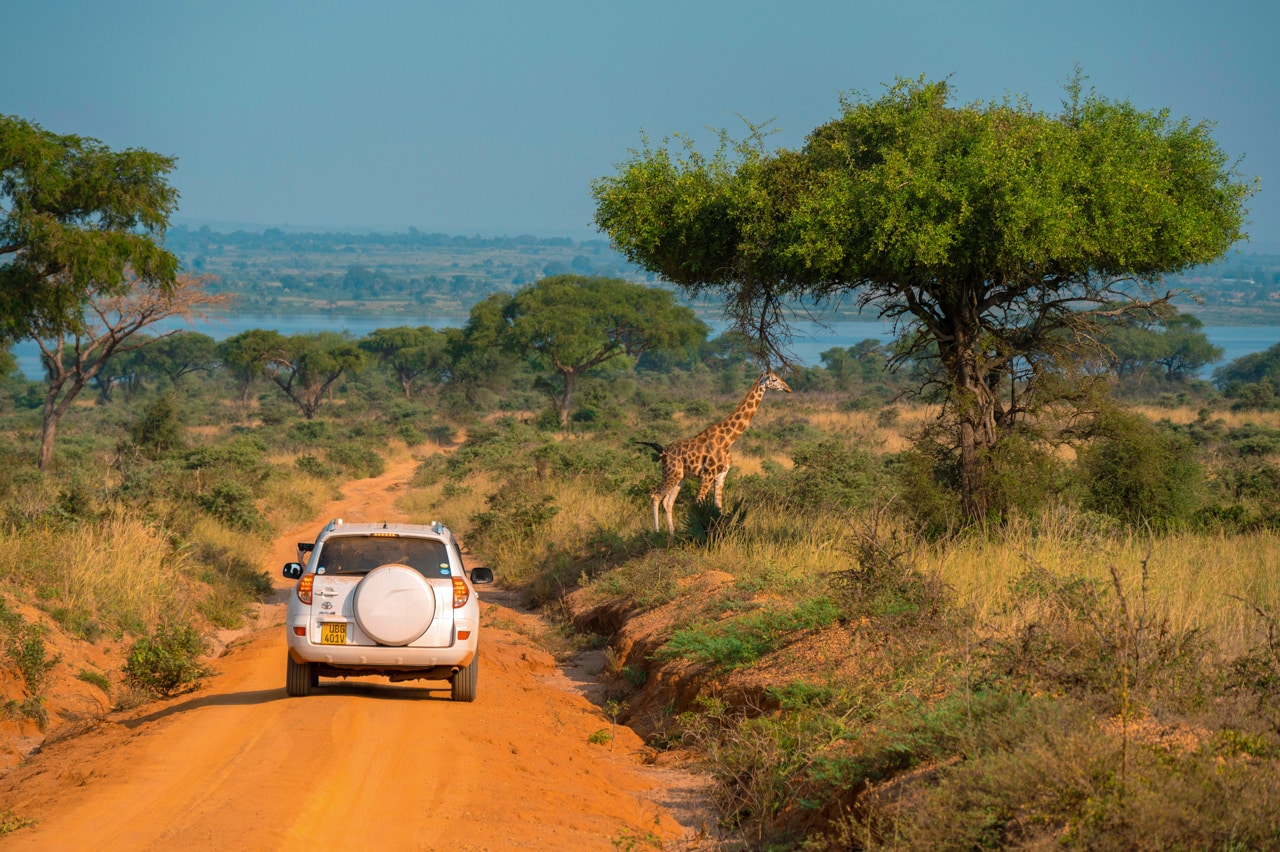
Here are scenic road trip views along the drive to QENP:
Experience domestic flight arrivals at Kasese Airstrip:

Ready for self-drive adventures in a 4×4:

Accommodation, Dining, and Amenities
Queen Elizabeth National Park (QENP) offers a wide range of accommodation options to suit every budget and preference, from luxurious lodges with stunning views to simple, eco-friendly bandas and hostels.
Most properties are strategically located near key areas like Mweya Peninsula, Ishasha sector, or Katwe for easy access to game drives, boat safaris, and other activities.
Prices are typically per person sharing (double/twin) and vary by season—higher in peak dry months (June–August, December–February)—and often include meals.
Book in advance, especially for popular spots, through lodge websites, tour operators, or the Uganda Wildlife Authority (UWA).
Here are captivating views of luxury stays at Mweya Safari Lodge, perched on the peninsula with pool and channel vistas:

Immerse in the serene tented elegance of mid-range to luxury Ishasha Wilderness Camp in the remote Ishasha sector:
Experience authentic budget bandas and hostels near Katwe or Mweya for affordable eco-stays:

Accommodation Comparison
| Lodge Type | Example | Price Range (USD/night, per person sharing, approx. 2026) | Amenities |
|---|---|---|---|
| Luxury | Mweya Safari Lodge | 300+ | Pool, spa, restaurant, bar, stunning Kazinga Channel views, Wi-Fi, en-suite rooms with balconies |
| Mid-range | Ishasha Wilderness Camp | 350+ (seasonal) | Tented luxury, riverfront setting, private verandas, eco-friendly, excellent service, fire pit |
| Budget | UWA Bandas / Mweya Hostel (near Katwe/Mweya) | 50–100 | Basic en-suite or shared facilities, eco-friendly, restaurant/canteen, camping options, clean and simple |
Dining:
Most lodges feature on-site restaurants serving delicious Ugandan cuisine alongside international dishes.
Try staples like matooke (steamed mashed plantains), served with groundnut sauce, posho, fresh fish from the lakes, grilled meats, and tropical fruits.
Many offer buffet or à la carte options, often with vegetarian choices.
Picnic lunches are popular for full-day safaris, and some lodges provide bush breakfasts or sundowners.
Savor these mouthwatering Ugandan cuisine highlights, featuring matooke in safari lodge settings: Queen Elizabeth National Park Uganda

Health/Safety:
Malaria prophylaxis is strongly advised—consult a doctor before travel.
Use insect repellent, wear long sleeves in evenings, and drink bottled water.
Lodges provide mosquito nets and safe drinking water.
Practical Tips, Safety, and Sustainable Travel
Planning a trip to Queen Elizabeth National Park (QENP) requires preparation for smooth entry, secure adventures, and responsible tourism.
As of 2026, visas are required for most nationalities—apply online via the official Uganda e-Visa portal (visas.immigration.go.ug) for a single-entry tourist visa (up to 90 days, around USD 50–100).
A valid passport (6+ months validity) and yellow fever vaccination certificate are mandatory.
The East African Tourist Visa (USD 100) covers Uganda, Kenya, and Rwanda if starting in Uganda. Check exemptions for select countries.
- Permits for activities like chimpanzee tracking (USD 100+) or boat safaris must be booked early through the Uganda Wildlife Authority (UWA).
- Park entry costs USD 40 per adult foreign non-resident (24 hours), with vehicle fees separate.
- Currency is the Ugandan Shilling (UGX), but USD (newer notes, 2009+) are widely accepted in tourist areas. Exchange at banks, licensed forex bureaus (best rates in Kampala/Entebbe), or use ATMs (Visa/Mastercard). Avoid street vendors to prevent scams—carry small UGX notes for tips and local purchases.
- Safety in QENP is generally high with guided activities. Stick to licensed guides and rangers—armed rangers accompany all game drives and walks for wildlife and security protection. Avoid night drives unless guided, stay on marked trails, and follow ranger instructions near animals. Malaria prophylaxis, insect repellent, and bottled water are essential.
- Sustainable Travel: Minimize plastic use (bring reusable bottles), support community projects like Leopard Village or Kikorongo Women’s Cooperative (cultural tours fund education and conservation). Choose eco-lodges and operators sharing revenue with locals (e.g., Basongora herders). Respect wildlife distances and cultural sites.
FAQs: Is QENP family-friendly? Yes, with precautions—game drives and boat safaris suit children (many lodges welcome families), but supervise near water/animals and check age limits for chimp tracking.
Here are examples of Uganda visa stamps in passports for smooth entry:

Enjoy safe, family-friendly family safaris in QENP—children love watching elephants and other wildlife up close:
Support sustainable eco-tourism and community projects—visiting local villagers near the park benefits conservation and livelihoods:

Stay secure on guided game drives—open-sided safari vehicles with rangers ensure thrilling yet protected wildlife encounters:
Why Choose GoSilverback Safaris for Your Queen Elizabeth National Park Safaris
Choosing the right safari company is the key to turning a good trip into an extraordinary African safari experience. GoSilverback Safaris stands out as a trusted, professional, and conservation-minded operator, perfectly positioned to deliver unforgettable safaris in Queen Elizabeth National Park, Uganda’s most diverse wildlife destination.
1. Deep Local Expertise & Professional Guides
GoSilverback Safaris is led by experienced local safari professionals with in-depth knowledge of Queen Elizabeth National Park.
Our driver-guides are highly trained, English-speaking, and passionate about wildlife, ensuring you enjoy informative game drives, accurate animal tracking, and rich storytelling about Uganda’s ecosystems, culture, and conservation.
2. Carefully Crafted Safari Experiences
We design well-paced, personalized itineraries that maximize wildlife viewing while maintaining comfort and flexibility.
From classic game drives on the Kasenyi Plains to the iconic Kazinga Channel boat safari, every activity is thoughtfully planned to give you the best chances of spotting lions, elephants, buffaloes, leopards, hippos, crocodiles, and over 600 bird species.
3. Commitment to Responsible & Sustainable Tourism
GoSilverback Safaris actively supports responsible tourism and conservation.
By working closely with park authorities and local communities, we ensure that your safari directly contributes to wildlife protection and community development around Queen Elizabeth National Park Uganda.
4. Flexible Packages for All Travelers
Whether you are a luxury traveler, mid-range explorer, budget adventurer, family, couple, or photographer, we offer flexible safari packages tailored to your interests, time, and budget—without compromising quality or safety.
5. Reliable Logistics & Comfortable Safari Vehicles
We use well-maintained 4×4 safari vehicles with pop-up roofs for optimal game viewing and photography.
From airport transfers to lodge reservations and park permits, we handle all logistics seamlessly so you can focus on enjoying your safari.
6. Transparent Pricing & Excellent Customer Care
With GoSilverback Safaris, there are no hidden costs. We provide clear communication, honest pricing, and prompt customer support from inquiry to the end of your safari—earning us trust and repeat clients.
Why Travel with GoSilverback Safaris?
Because we combine local knowledge, professionalism, conservation values, and personalized service to deliver Queen Elizabeth National Park safaris that are authentic, memorable, and meaningful.
👉 Book your Queen Elizabeth National Park safari with GoSilverback Safaris today and experience Uganda the right way.
Frequently Asked Questions
How much does it cost to visit Queen Elizabeth National Park?
The main cost is the park entry fee (conservation fee), valid for 24 hours, managed by the Uganda Wildlife Authority (UWA). As of the current 2024-2026 tariff (still in effect in January 2026):
- Foreign non-residents (most international visitors): USD 40 per adult.
- Children (5–15 years): USD 20.
- Children under 5: Free.
Additional fees apply for activities (e.g., boat safari on Kazinga Channel ~USD 30, chimpanzee tracking ~USD 100, game drives or guides extra). Vehicle entry, accommodation, and transport are separate. Pay at park gates (cash/card accepted, prefer USD notes). Annual passes exist for residents/East Africans, but not typical for tourists.
Where is Queen Elizabeth National Park located?
Queen Elizabeth National Park (QENP) is in the Western Region of Uganda, in southwestern Uganda along the Albertine Rift Valley. It spans approximately 1,978 km² between Lake George (northeast) and Lake Edward (southwest), connected by the famous Kazinga Channel. The park borders the Democratic Republic of Congo (Virunga National Park) to the west and lies near the Rwenzori Mountains. It’s about 410 km (6–7 hours’ drive) west of Kampala, Uganda’s capital.
Is Queen Elizabeth National Park worth visiting?
Yes, absolutely—it’s widely regarded as one of Uganda’s top safari destinations and a must-visit for most travelers. It offers incredible diversity: classic savanna game drives with elephants, buffaloes, lions (including the rare tree-climbing lions in Ishasha), hippos/crocodiles on boat safaris along the Kazinga Channel, chimpanzee tracking in Kyambura Gorge, over 600 bird species, volcanic craters, and cultural interactions. Reviews from 2025–2026 (TripAdvisor, safari experts) praise its scenic beauty, abundant wildlife, and value—often calling it a “highlight” or “unforgettable.” It’s especially worthwhile if combining with gorilla trekking in Bwindi or chimps in Kibale. While not as dense as some East African parks (e.g., occasional quieter sightings), its variety, accessibility, and unique features make it highly recommended.
Which district is Queen Elizabeth Park in?
The park spans multiple districts in western Uganda: primarily Kasese, Kamwenge, Rubirizi, and Rukungiri. (Some sources mention overlaps with Bushenyi or Kabarole, but the core four are Kasese, Kamwenge, Rubirizi, and Rukungiri.) The main entrance (e.g., Katunguru gate) is in Kasese District, and the famous Ishasha sector (tree-climbing lions) is in Rukungiri District.
For the latest fees or bookings, check the official UWA site or trusted operators—happy planning your Ugandan adventure!
Conclusion
Queen Elizabeth National Park stands as Uganda’s crown jewel of wildlife adventures—a breathtaking tapestry of rolling savannas, shimmering waterways, volcanic craters, and extraordinary biodiversity.
From the iconic tree-climbing lions of Ishasha to the dramatic hippo pods and bathing elephants along the Kazinga Channel, from chimpanzee encounters in Kyambura Gorge to the thrill of sunrise game drives, this 1,978 km² paradise delivers unforgettable moments for every traveler.
Whether you seek raw wilderness, rich birdlife, or meaningful cultural connections, QENP offers an authentic, soul-stirring Ugandan safari unlike any other.
Don’t wait—plan your trip to Queen Elizabeth National Park today for an authentic Ugandan safari experience that will stay with you forever.
Here are final, awe-inspiring glimpses of the park’s timeless magic:
Your African adventure awaits—start planning now!