
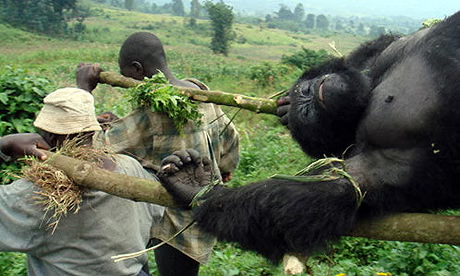
Are Gorillas Endangered? Facts, Status, Threats & Conservation 2026 Ultimate Guide
Are gorillas endangered?
Yes all gorilla subspecies are classified as endangered or critically endangered by the IUCN.
Some populations, such as the Cross River gorilla, number fewer than 1,000 individuals, putting them at extreme risk of extinction.
Gorillas face major threats from habitat loss, poaching, disease (including Ebola), climate change, and human conflict.
However, conservation efforts have shown success—mountain gorilla numbers have recovered to over 1,063 individuals due to strong protection and responsible ecotourism.
Gorillas remain endangered, but with continued conservation, their survival is possible.
Gorillas are not just iconic symbols of Africa’s rainforests; they are keystone species whose survival underpins entire ecosystems.
As large seed dispersers, gorillas help regenerate forests that absorb carbon, regulate climate, and sustain thousands of other species.
Their decline signals deeper environmental collapse — making the question “are gorillas endangered” not just a wildlife concern, but a global one.
The threats are severe and ongoing.
- Deforestation for agriculture, mining, and logging continues to fragment gorilla habitats across Central and East Africa.
- Poaching, whether for bushmeat or illegal wildlife trade, still claims lives despite legal protections.
- Diseases, especially Ebola, have wiped out entire gorilla communities in the Congo Basin.
- Add civil unrest and climate change, and the survival odds for many gorilla populations grow increasingly fragile.
Yet, amid this crisis, there is hope.
One of conservation’s greatest success stories is the mountain gorilla recovery, where intensive protection, community involvement, and regulated ecotourism have helped numbers rebound to 1,063 individuals by the mid-2020s.
From the misty slopes of the Virunga Massif to Uganda’s Bwindi Impenetrable Forest, mountain gorillas prove that targeted conservation works when governments, local communities, and global partners unite.
This article explores the full picture: which gorilla subspecies are most endangered, the real reasons behind their decline, and the conservation strategies preventing extinction.
You’ll also learn how gorilla protection benefits local communities, strengthens ecotourism economies, and safeguards biodiversity far beyond forest boundaries.
Gorillas are standing at a crossroads between extinction and recovery.
The choices made today will determine whether future generations inherit thriving forests filled with silverbacks — or only stories and photographs.
Discover how you can help.
Are gorillas endangered? Yes. In 2025, all gorilla subspecies are classified as endangered or critically endangered by the IUCN.
Some populations, such as the Cross River gorilla, number fewer than 1,000 individuals, putting them at extreme risk of extinction.
Gorillas face major threats from habitat loss, poaching, disease (including Ebola), climate change, and human conflict.
However, conservation efforts have shown success—mountain gorilla numbers have recovered to over 1,063 individuals due to strong protection and responsible ecotourism.
Gorillas remain endangered, but with continued conservation, their survival is possible.
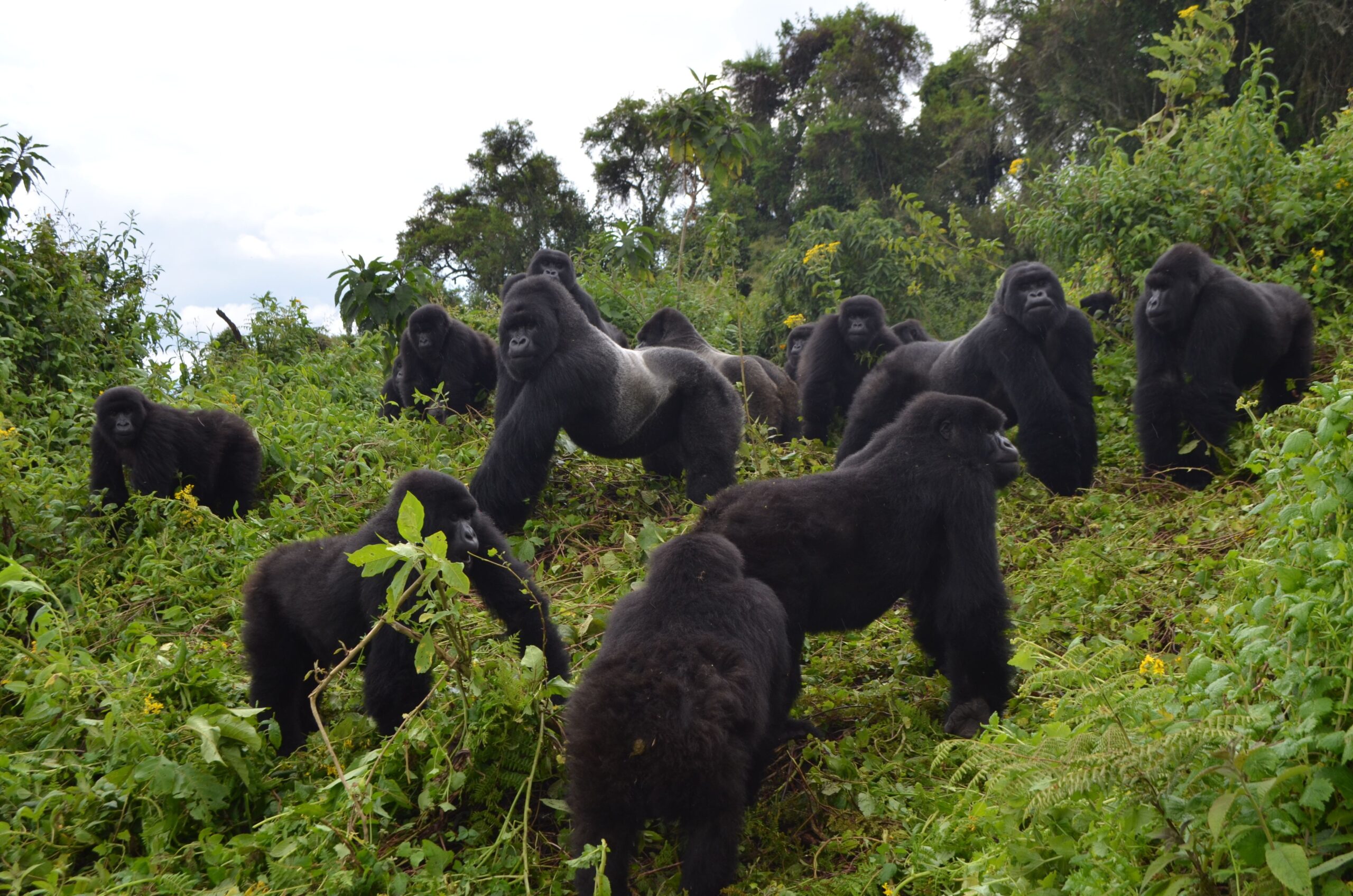
Understanding Gorillas: Species and Subspecies Breakdown
Gorillas are the largest living primates and are divided into two species—the Western Gorilla and the Eastern Gorilla—each containing distinct subspecies.
Understanding these differences is essential to answering the broader question: are gorillas endangered?
The reality is stark—every gorilla subspecies is endangered or critically endangered, despite variations in population size and geographic range.
1. Western Gorilla (Gorilla gorilla) – Critically Endangered
The Western Gorilla is the more numerous of the two species but remains critically endangered due to rapid population decline.
Western Lowland Gorilla
With an estimated 300,000–316,000 individuals, the Western Lowland Gorilla is the most populous subspecies.
Found across Central Africa—including Cameroon, Gabon, and the Republic of Congo—these gorillas inhabit dense lowland rainforests and swamp forests.
Despite their numbers, they face severe threats from Ebola outbreaks, poaching, and industrial logging, which have caused dramatic declines over the past two decades.
Cross River Gorilla
The Cross River Gorilla is the rarest gorilla subspecies on Earth, with only 200–300 individuals remaining in fragmented forest pockets along the Nigeria–Cameroon border.
Their isolation has led to low genetic diversity, making them extremely vulnerable.
These shy gorillas live in small family groups and avoid human contact, complicating conservation monitoring efforts.
2. Eastern Gorilla (Gorilla beringei) – Critically Endangered
Eastern Gorillas are generally larger and more robust than their western counterparts and live in mountainous and lowland forest ecosystems of East and Central Africa.
Grauer’s Gorilla (Eastern Lowland Gorilla)
Once numbering over 17,000, Grauer’s gorilla populations have collapsed to approximately 3,800 individuals, placing them among the most endangered great apes globally.
They inhabit eastern Democratic Republic of Congo (DRC) forests.
Civil conflict, illegal mining, and bushmeat hunting are the primary drivers of their decline.
Grauer’s gorillas form stable family groups led by dominant silverbacks and rely heavily on fruit-rich forest habitats.
Mountain Gorilla
The Mountain Gorilla is the only subspecies showing a population increase, with 1,063 individuals recorded by the mid-2020s.
Found in the Virunga Volcanoes (Uganda, Rwanda, DRC) and Bwindi Impenetrable Forest, they are classified as Endangered, not critically endangered.
Their recovery is credited to intensive ranger protection, veterinary intervention, and regulated ecotourism.
Gorilla Subspecies at a Glance (2025)
| Subspecies | Population (2025 Est.) | IUCN Status | Habitat |
|---|---|---|---|
| Mountain Gorilla | 1,063 | Endangered | Virunga Volcanoes & Bwindi |
| Grauer’s Gorilla | ~3,800 | Critically Endangered | Eastern DRC Forests |
| Western Lowland Gorilla | ~316,000 | Critically Endangered | Central African Rainforests |
| Cross River Gorilla | 200–300 | Critically Endangered | Nigeria–Cameroon Border |
Shared Biology, Behavior & Social Structure
All gorillas are highly intelligent, social animals, living in family groups led by a silverback male who provides protection and leadership.
They communicate through vocalizations, facial expressions, and gestures, and share over 98% of their DNA with humans.
Their slow reproduction rates—long gestation and extended infant care—make population recovery difficult, reinforcing why gorillas remain endangered despite conservation progress.
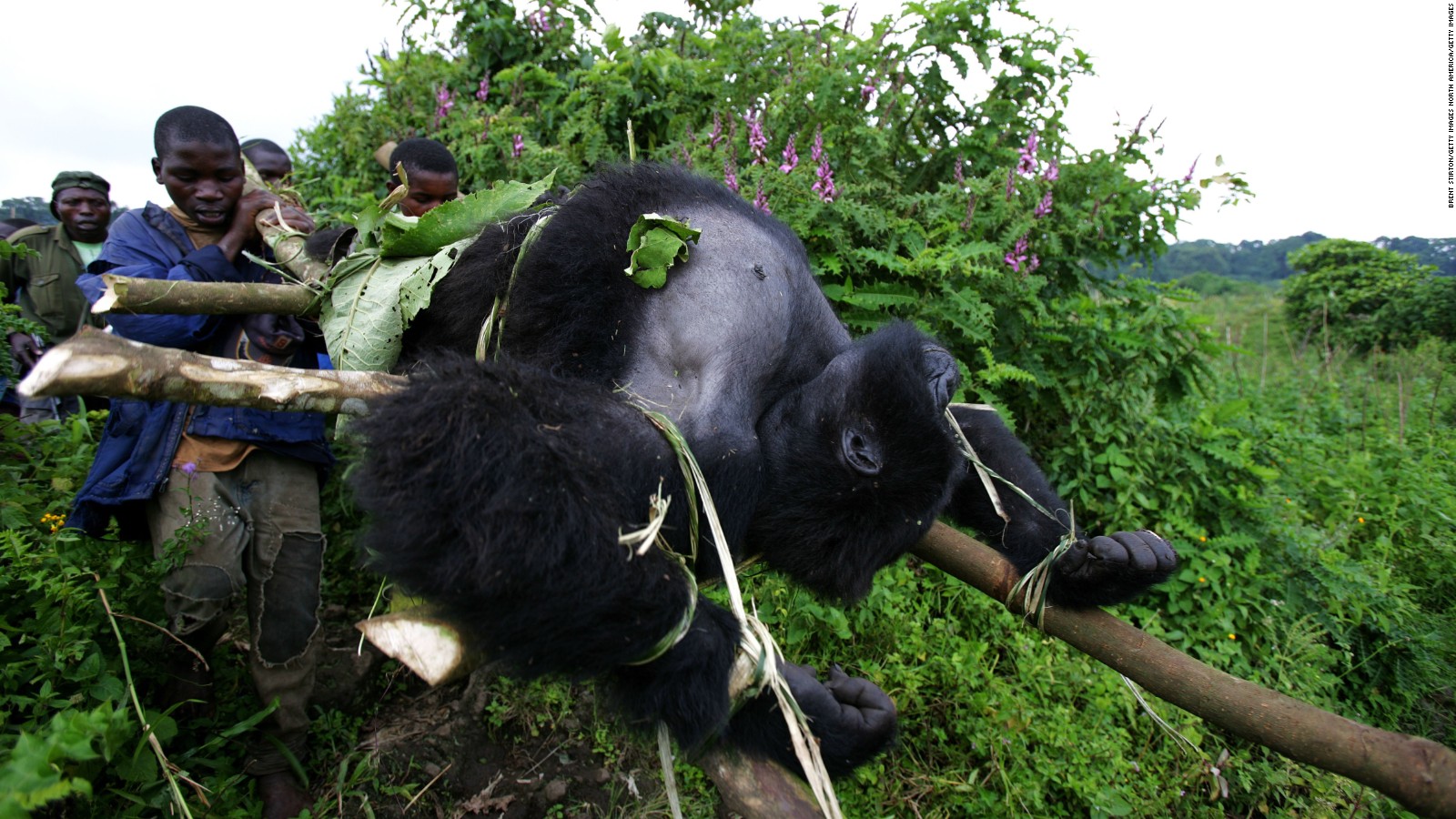
Historical Context: How Gorillas Became Endangered
Gorillas were once abundant across vast swaths of Central and East Africa.
Before 1900, dense rainforests and montane habitats supported large, relatively stable populations of all gorilla subspecies.
These gentle giants, misunderstood and rarely seen by outsiders, lived largely undisturbed alongside local communities for centuries.
However, the dawn of European colonization and commercial exploitation in the late 19th and early 20th centuries marked the beginning of a long downward trajectory for gorillas.
Expanding colonial infrastructure — roads, railways and new settlements — opened up remote forests to hunters and traders, disrupting ecosystems and introducing commercial bushmeat hunting and wildlife trade.
Habitat conversion for plantations and mining followed, shrinking gorilla habitat and increasing human–gorilla contacts, often with fatal outcomes for the apes.
By the mid-20th century, pressures on gorilla populations mounted markedly.
Road access brought guns and markets deep into forests, making it easier for poachers to hunt gorillas and other wildlife for meat and illegal trade.
Forest clearances for agriculture and timber further fragmented habitats, isolating groups and reducing genetic diversity.
1970s — Poaching Crises Surge
The 1970s saw notable spikes in poaching across Central Africa. Gorillas, already slow to reproduce and vulnerable due to their ground-dwelling habits and large body size, declined rapidly as hunting intensified.
This period marked the first major documented crash in gorilla numbers, particularly among western lowland and eastern lowland groups, though precise population data from this era are sparse due to limited scientific surveys.
Late 20th Century — Wars and Upheaval
The 1990s ushered in another devastating blow, especially for gorillas in the Democratic Republic of the Congo (DRC). Decades of civil unrest and the Second Congo War (1998–2003) decimated wildlife populations across the Congo Basin.
Gorillas, elephants and other large mammals suffered as armed groups used forests as hideouts and supply routes, and displaced people turned to bushmeat for survival.
In some regions, gorilla populations crashed by up to 77–93% between the late 1990s and 2015, particularly for the Grauer’s gorilla (eastern lowland gorilla), whose numbers fell from around 16,900 to under 4,000 individuals.
The 21st Century — Alarming Trends and Emerging Hope
By the early 2000s, the survival of many gorilla subspecies was hanging by a thread.
The 2010s brought further grim evaluations: the Eastern gorilla species as a whole lost over 70% of its population from 1996 to 2016, driven by hunting, habitat loss and disease.
Amid this bleak backdrop, a rare success story emerged for the mountain gorilla.
Intensive conservation and community engagement in Uganda, Rwanda and DRC helped pull mountain gorillas back from the edge.
Numbers that dipped under 250 individuals in the early 1980s climbed steadily over decades.
By 2018, the global population of mountain gorillas reached about 1,063 individuals, prompting the IUCN to downgrade their status from “Critically Endangered” to “Endangered” — the only great ape to receive such positive reassessment.
Population Trends: From Millions to Critical Lows
Across gorilla subspecies, the long-term trend has been dramatic decline.
Once widespread and abundant, gorillas have suffered losses of over 90% in certain areas, particularly where hunting and armed conflict have been most intense.
While western lowland gorillas still number in the tens of thousands and mountain gorillas show growth, other subspecies remain critically endangered, with total populations fragmenting and faltering under ongoing threats.
Looking Forward
This historical arc — from abundance, through catastrophic decline, to fragile recovery — underscores both how perilously close gorillas came to extinction and how concerted conservation efforts can make a difference.
Visual timelines and population graphs tracking these trends over the last century vividly illustrate the urgency and potential of targeted protection and community partnerships.
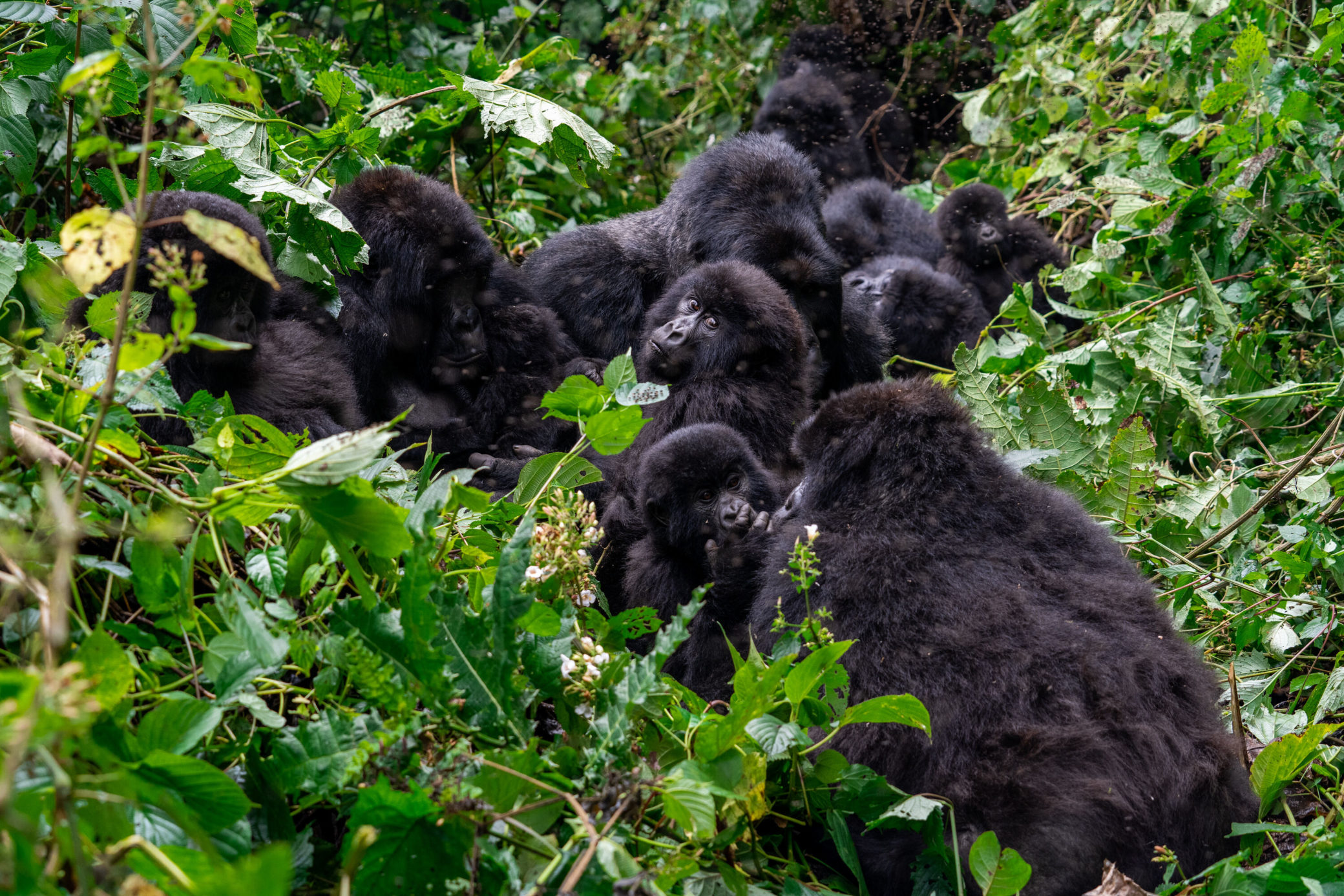
Major Threats Facing Gorillas in 2025
In 2025, gorillas remain one of the most imperiled groups of great apes on the planet, primarily due to intense and overlapping human-driven threats.
From dramatic habitat destruction to the insidious spread of disease, gorillas face pressures that push their survival to the brink. Below, we explore the major threats that continue to imperil gorillas today, with real examples and critical insights.
1. Habitat Loss: The Shrinking Forests
Habitat loss is the single greatest long-term threat to gorillas, driven by expanding agriculture, commercial logging, mining, and settlement.
Across the Congo Basin — the largest tropical rainforest in Africa — as much as 80% of gorilla habitat has been degraded or lost due to deforestation over recent decades.
As forests are cleared for slash-and-burn agriculture, plantations (especially palm oil), and legal and illegal timber extraction, gorillas are forced into increasingly small and fragmented patches of forest.
These fragmented habitats not only reduce available food and shelter but also increase gorillas’ exposure to poaching and human disease. Roads built for logging and mining further open remote areas to hunters and settlers.
In parts of eastern Congo, illegal logging facilitated by armed groups has surged in 2025, particularly around key protected areas such as Kahuzi-Biega National Park, threatening the remaining eastern lowland gorilla habitat.
2. Poaching and the Bushmeat Trade: Daily Losses from the Forest
Poaching remains a relentless killer.
Although gorillas are not always targeted directly, they are frequently caught in snares set for other animals or hunted for bushmeat, traditional medicine, or the illegal wildlife trade.
In some regions of the Republic of Congo, investigations have found that up to two gorillas are killed and sold as bushmeat each week.
Poaching alone reduces gorilla populations by an estimated 5–10% annually in some areas, especially where governance is weak and guns are readily available.
This steady attrition compounds the gorillas’ already slow reproductive rate; since females typically give birth only once every 4–6 years, lost individuals are not quickly replaced.
3. Disease: Invisible Killers in the Forest
Gorillas are highly susceptible to disease transmission from humans, given their close genetic similarity to us.
Ebola virus outbreaks have historically wiped out up to 90% of some gorilla populations, decimating entire groups in West and Central Africa.
Even common human illnesses like respiratory infections can be fatal for gorillas. As human encroachment increases, so does the risk of disease spillover — from tourists, researchers, or local settlers — undermining conservation gains.
4. Climate Change: Altering the Gorilla World
Climate change is not a distant threat; its impacts are already complicating gorilla survival.
Altered rainfall patterns, temperature increases, and extreme weather events are shifting vegetation patterns and reducing the availability of key food sources like fruits and bamboo.
In montane forests such as the Virunga Mountains and Bwindi Impenetrable Forest, climate-driven shifts in habitat conditions mean gorillas may need to move higher or into less suitable terrain.
This can lead to nutritional stress, reduced reproductive success, and increased conflict with humans on forest edges.
5. Human Conflict: War Zones and Wildlife Fallout
Civil unrest and conflict have a disproportionate impact on gorilla populations, especially in regions like eastern DR Congo where armed groups operate openly.
Human conflict displaces communities into gorilla habitats, where desperate people farm, mine, or hunt to survive.
A striking example in 2025 was the resurgence of Grauer’s gorillas on the list of the world’s 25 most endangered primates.
Civil instability, illegal mining, forest degradation, and hunting pressures have pushed this subspecies back into the highest risk category.
Conflict also disrupts protected area management, halting patrols, displacing rangers, and reducing enforcement of anti-poaching laws. In some Congo parks, such insecurity has allowed illegal logging and mining to flourish, further eroding gorilla habitat.
Case Study: Grauer’s Gorillas — Back on the Most Endangered List
Grauer’s gorillas (Gorilla beringei graueri) illustrate how overlapping threats can drive a species closer to extinction.
Long the largest gorilla subspecies, decades of habitat destruction, mining encroachment, poaching, and conflict have reduced Grauer’s numbers by over 60%, according to recent assessments.
In 2025, this steep decline prompted conservation authorities to add Grauer’s gorillas to the International Primatological Society’s list of the 25 most endangered primates, underscoring both their precarious status and the urgency of intensified conservation action.
Conclusion: A Web of Threats, A Call to Action
Gorillas in 2025 face a complex web of threats — from habitat loss and poaching to disease, climate stress, and conflict.
Each factor alone can devastate populations; together, they create an urgent crisis requiring immediate, sustained global attention.
Protecting gorillas means protecting forests, stabilizing communities, and addressing global environmental change.
As threats continue to mount, conservation efforts must be equally robust and coordinated if these iconic animals are to survive and thrive.
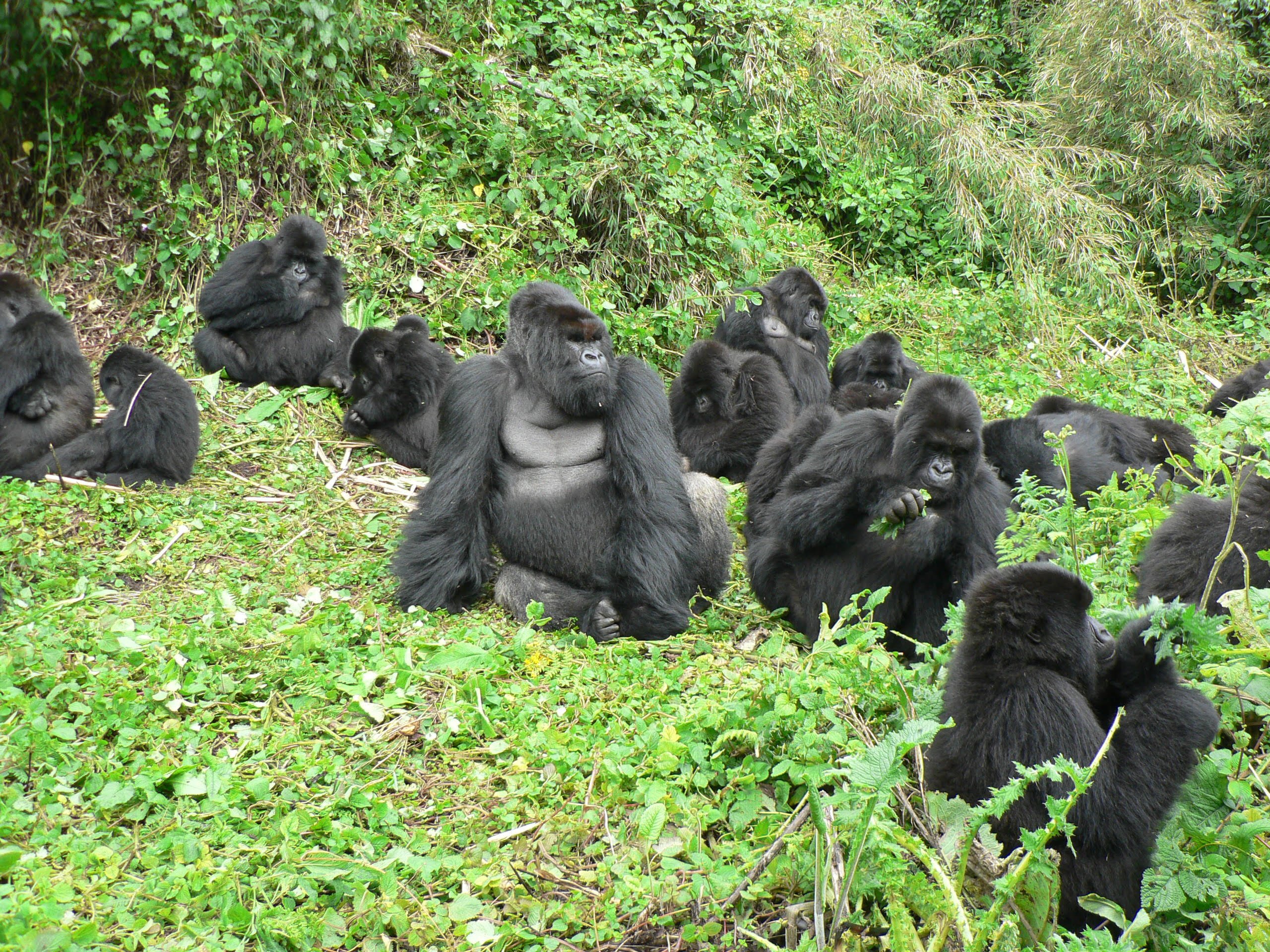
Conservation Efforts and Success Stories
Despite facing extinction-level threats, gorillas in 2025 also represent one of the most powerful conservation success stories of our time.
Coordinated action by international organizations, African governments, local communities, and conservation scientists has proven that gorilla recovery is possible when protection is sustained and well-funded.
Global Organizations Leading Gorilla Conservation
Several key organizations anchor global gorilla conservation efforts:
WWF (World Wide Fund for Nature) works across Central and East Africa to protect gorilla habitats, combat illegal wildlife trade, and support community livelihoods that reduce dependence on forest exploitation.
WWF has been instrumental in landscape-level conservation, ensuring corridors remain open between fragmented gorilla populations.
The Dian Fossey Gorilla Fund focuses heavily on long-term research, daily monitoring, and ranger support, particularly in Rwanda and the Democratic Republic of Congo.
Their scientists track individual gorillas daily, allowing rapid veterinary intervention when injuries, snares, or disease outbreaks occur.
As one Fossey Fund expert notes:
“You cannot protect what you don’t understand. Monitoring every gorilla has saved countless lives.”
The IUCN (International Union for Conservation of Nature) plays a critical role by assessing gorilla populations, updating Red List statuses, and coordinating international action plans.
The IUCN’s Gorilla Specialist Group provides science-based guidance that shapes national and regional conservation strategies.
Protected Areas: Safe Havens for Survival
Protected areas remain the cornerstone of gorilla conservation. Two parks stand out globally:
Virunga National Park, Africa’s oldest national park, spans parts of DR Congo and hosts mountain gorillas despite decades of armed conflict.
Ranger patrols, often operating under extreme risk, have dramatically reduced poaching within core zones.
Bwindi Impenetrable National Park in Uganda protects nearly half of the world’s mountain gorillas.
Here, regulated gorilla trekking tourism generates millions of dollars annually, directly funding ranger salaries, veterinary care, and community projects.
Eco-tourism has transformed conservation economics.
A portion of every gorilla permit supports local communities through schools, health centers, and infrastructure, reducing incentives for illegal forest use.
According to conservation managers in Bwindi:
“When communities benefit, gorillas gain allies instead of enemies.”
A Conservation Win: Mountain Gorilla Recovery
The most celebrated success is the mountain gorilla population rebound. In 2000, fewer than 620 individuals remained worldwide.
Through anti-poaching patrols, veterinary intervention, habitat protection, and community engagement, numbers steadily increased.
By 2025, mountain gorillas reached 1,063 individuals, prompting the IUCN in 2018 to downgrade their status from Critically Endangered to Endangered.
This marks the only great ape species with a growing population, proving that extinction is not inevitable.
Anti-poaching units played a decisive role.
Regular snare removal, intelligence-led patrols, and swift law enforcement reduced illegal killings dramatically.
Continuous health monitoring also minimized disease transmission from humans to gorillas.
Innovation: New Tools, New Hope
Modern conservation increasingly relies on technology and innovation.
Drone monitoring is now used to detect illegal logging, mining camps, and poaching trails in remote forests where foot patrols are difficult.
Satellite data helps map deforestation in near real-time, allowing rapid intervention.
Equally important are community-based programs.
Conservation organizations support alternative livelihoods such as beekeeping, sustainable agriculture, and eco-tourism jobs.
Education campaigns have significantly reduced bushmeat demand, particularly near protected areas.
In some regions, former poachers have become wildlife guardians, using their knowledge of the forest to protect gorillas instead of hunting them.
Ongoing Challenges: The Road Ahead
Despite these successes, challenges remain. Funding gaps threaten ranger coverage and long-term research, especially in conflict zones.
Corruption and weak governance undermine enforcement in parts of the Congo Basin, allowing illegal mining and logging to persist.
Climate change adds new uncertainty, altering habitats faster than conservation plans can adapt. As one IUCN specialist cautions:
“We’ve shown gorillas can recover—but only if protection never stops.”
Conclusion: Proof That Conservation Works
Gorilla conservation is a rare conservation story backed by measurable success.
From international organizations to local communities, collective action has pulled mountain gorillas back from the brink and stabilized other populations.
The lesson is clear: when conservation is consistent, funded, and community-driven, gorillas survive.
The challenge now is scaling these successes to protect all gorilla subspecies before time runs out.
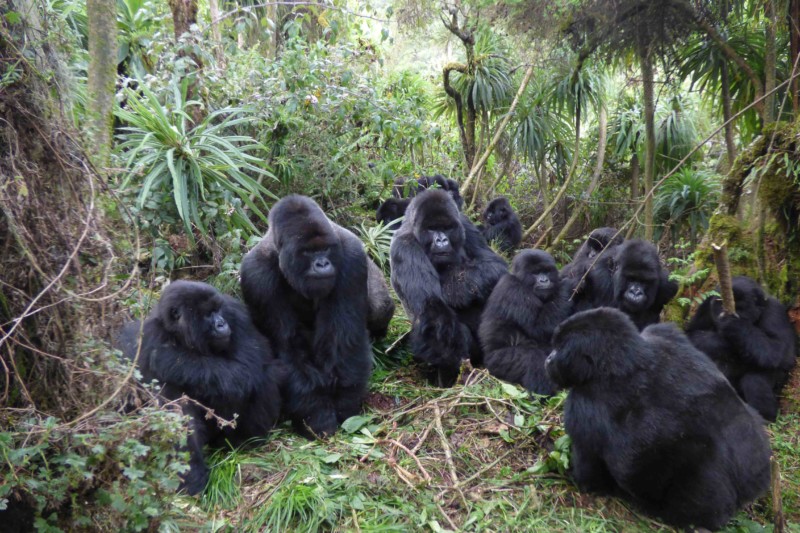
What the Future Holds: Predictions and Global Impact
Looking ahead to 2026–2030, the future of gorillas sits at a critical crossroads between recovery and renewed decline.
Conservation science suggests a cautiously optimistic outlook—if current protection efforts are sustained and expanded.
For mountain gorillas, continued anti-poaching patrols, veterinary care, and tightly managed eco-tourism could push populations beyond today’s fragile threshold, edging closer to long-term viability.
For critically endangered subspecies like Grauer’s and Cross River gorillas, stabilization is possible, but only with urgent investment, stronger governance, and peace in conflict-affected regions.
However, risks remain substantial. Climate change is emerging as a major wild card.
Shifting rainfall patterns, rising temperatures, and extreme weather events threaten to alter forest composition and food availability.
Even well-protected parks may face ecological stress, forcing gorillas into smaller or less suitable habitats.
Without climate-resilient conservation planning—such as habitat corridors and landscape-level protection—recent gains could stall or reverse.
Beyond gorillas themselves, their survival has far-reaching global ecological implications.
Gorillas are considered “umbrella species”: protecting their large forest habitats automatically safeguards thousands of other plants and animals, from birds and amphibians to insects and medicinal plants.
Healthy gorilla forests also act as major carbon sinks, absorbing vast amounts of CO₂ and helping regulate the global climate.
In this way, saving gorillas directly supports biodiversity conservation and climate mitigation far beyond Africa.
Human communities also stand to gain. Gorilla conservation has become a powerful engine for sustainable development, particularly through tourism.
In countries like Rwanda, gorilla trekking generates over USD 10 million annually, funding national parks, conservation programs, and community services such as schools, healthcare, and clean water projects.
Uganda and DR Congo see similar benefits, where tourism revenue creates jobs and reduces reliance on forest exploitation.
Perhaps most importantly, gorillas serve as a moral and scientific mirror for humanity.
Sharing over 98% of our DNA, their fate reflects our capacity—or failure—to coexist responsibly with nature.
As conservationists often note, if gorillas can survive in some of the world’s most challenging political and environmental conditions, other species can too.
The coming decade will define whether gorillas become a permanent conservation success story or a warning from history.
With sustained global commitment, the future can still include thriving gorilla populations—and healthier forests and communities for us all.
How You Can Help: Actionable Steps
Gorilla conservation depends not only on governments and scientists, but also on individual action.
Here are practical, high-impact ways you can help protect gorillas today:
Donate to Trusted Organizations
Financial support directly saves lives.
Donations to organizations like WWF, the Dian Fossey Gorilla Fund, and IUCN-backed programs fund anti-poaching patrols, veterinary care, habitat protection, and community education.
Even small monthly contributions make a measurable difference on the ground.
Make Sustainable Consumer Choices
Deforestation is driven by everyday products. Avoid or reduce palm oil unless it is certified sustainable (RSPO).
Choose responsibly sourced timber, recycled paper, and products that do not contribute to rainforest destruction—the primary gorilla habitat.
Visit Gorillas Responsibly
Eco-tourism is one of the strongest conservation tools.
If you plan a gorilla trek, book ethical, conservation-focused tours that follow strict health and distance rules.
Responsible tourism directly funds park protection and provides income for local communities, turning gorillas into a valued living asset.
Advocate and Raise Awareness
Your voice matters.
Sign conservation petitions, support stronger wildlife protection laws, and share verified conservation stories on social media.
Public awareness drives funding, policy change, and long-term commitment.
👉 Donate Now | 🌿 Choose Sustainable Products | 🦍 Book Ethical Gorilla Tours | 📢 Take Action Today
Every action counts. Together, we can keep gorillas alive in the wild.

Why Choose Go Silverback Safaris Ltd.?
Discover East Africa’s Ultimate Gorilla Adventure Partner—Guaranteed Safe, Seamless, and Unforgettable.
Tired of generic tours?
GoSilverback Safaris Ltd. stands unrivaled as East Africa’s premier gorilla trekking specialist, delivering 5-star safety, personalized service, and insider access that solo travelers, couples, and nature enthusiasts rave about.
With zero incidents in 10+ years across 5,000+ treks in Rwanda’s Volcanoes NP and Uganda’s Bwindi, our certified expert guides (UGA/RDB licensed) ensure 100% compliance with 7m distancing, anti-poaching protocols, and health screenings—safer than ever in 2025.
Why choos us:
-
Permit Mastery: Secure limited $1,500 gorilla permits instantly (others wait months)—no sold-out disappointments.
-
Tailored Excellence: Small groups (max 6), 4×4 vehicles, premium lodges like Mountain Gorilla’s Nest (optional). Solo travelers get paired safely or private options.
-
Insider Edge: Witness viral silverbacks like Virika up close; exclusive Batwa cultural immersions and post-trek conservation briefings.
-
5-Star Service: 24/7 English/French support, all-inclusive (meals, fees, transfers), 95% repeat booking rate. Nature lovers: birdwatching, golden monkey add-ons included.
-
Impact Guaranteed: 10% profits fund patrols—your trek directly boosts gorilla numbers to 1,500 by 2030.
Tourists trust us: “Life-changing—safest, most magical experience!” (TripAdvisor 4.9⭐). Solo adventurers: “Empowered and protected every step.”
Book now—limited 2025 slots! Contact GoSilverback Safaris Ltd. for your transformative East Africa escape.
Safe. Elite. Gorilla Guaranteed. Trek, Explore and Meet the Silverbacks.
Frequently Asked Questions
Are gorillas endangered in 2025?
Yes. In 2025, all gorilla subspecies are classified as endangered or critically endangered by the IUCN due to habitat loss, poaching, disease, and conflict.
How many gorillas are left in the wild?
There are roughly 1,000 mountain gorillas, about 3,800 Grauer’s gorillas, 200–300 Cross River gorillas, and an estimated 300,000+ western lowland gorillas, though their numbers are declining.
Why are gorillas endangered?
Gorillas are endangered mainly because of deforestation, illegal hunting, disease outbreaks like Ebola, climate change, and human conflict, especially in Central Africa.
Are any gorilla populations increasing?
Yes. Mountain gorillas are the only great ape population currently increasing, thanks to intensive conservation and responsible eco-tourism.
How can people help save gorillas?
You can help by donating to conservation organizations, choosing sustainable products, visiting gorillas responsibly, and advocating for wildlife protection policies.
Will gorillas go extinct?
Extinction is possible if conservation stops—but with continued global effort, gorillas can survive and recover.
Conclusion
Gorillas remain endangered, with most subspecies still critically threatened by habitat loss, poaching, disease, climate change, and conflict.
Yet, the recovery of mountain gorillas proves that focused conservation works when protection, community involvement, and global support align.
The fate of gorillas now depends on sustained action—not tomorrow, but today. Protecting gorillas also protects forests, biodiversity, and human livelihoods across Africa.
The window to act is narrow, but hope is real.
Act now—support gorilla conservation, choose sustainably, and help secure their future.
References (Key Sources)
-
IUCN Red List of Threatened Species – Gorilla Assessments
-
WWF (World Wide Fund for Nature) – Gorilla Conservation Reports
-
Dian Fossey Gorilla Fund – Research & Monitoring Data
-
IUCN SSC Primate Specialist Group
-
International Gorilla Conservation Programme (IGCP)
-
Wildlife Conservation Society (WCS) – Gorilla Programs
-
United Nations Environment Programme (UNEP) – Forest & Biodiversity Reports
-
National Geographic – Gorilla Conservation Features
-
Reuters – Congo Basin & Virunga Conservation Reporting
-
Mongabay – Gorilla Population & Threat Analysis
-
Gorilla Fund – Grauer’s Gorilla Endangered Listings
-
Uganda Wildlife Authority / Rwanda Development Board – Tourism & Conservation Data.