
Gorilla Poaching Prevention: How Responsible Tourism Stops Snares in 2026
Learn how gorilla poaching is prevented in Africa. Discover ranger efforts, conservation strategies & how tourism helps protect gorillas. Book your trek today.
Gorilla poaching prevention remains one of the most critical pillars of mountain gorilla conservation in East Africa. With only 1,063 mountain gorillas left in the wild as of 2026, every snare removed, every patrol completed, and every community livelihood created directly safeguards the future of these Endangered great apes.
At GoSilverback Safaris, we have guided thousands of international travelers from the USA, UK, Europe, Canada, Asia, and the Middle East, as well as local Ugandan and Rwandan clients, through Bwindi Impenetrable National Park and the Virunga Volcanoes.
We witness daily how responsible gorilla trekking tourism has become the most powerful, sustainable tool for gorilla poaching prevention.
Direct commercial poaching of mountain gorillas for meat or trophies is now extremely rare thanks to decades of enforcement.
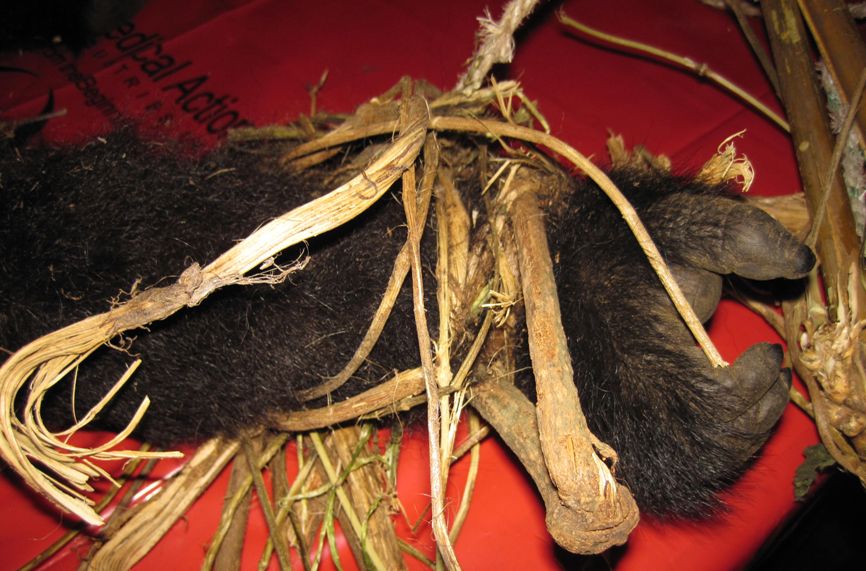
The primary threat today is snares—wire loops set by local hunters for bushmeat such as duikers, bush pigs, and antelopes. Gorillas step into these traps while foraging, suffering deep lacerations, infections, and sometimes fatal injuries.
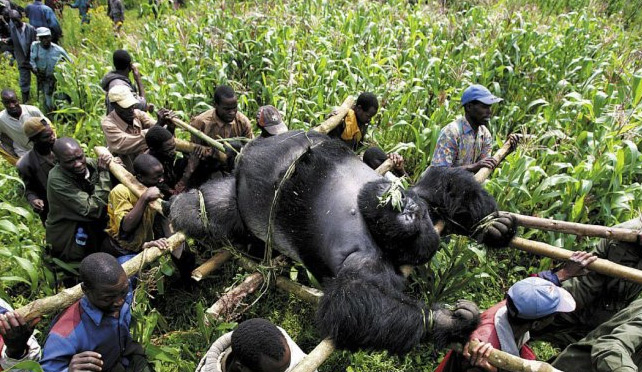
The 2025 rescue of young gorilla Fazili from the Bageni group in Virunga National Park, where rangers and Gorilla Doctors removed a snare from his foot (resulting in the amputation of two fingers), underscores that gorilla poaching prevention must remain vigilant even as populations slowly recover.
This comprehensive 2026 guide explores every facet of gorilla poaching prevention—from current threats and root causes to proven strategies and the direct role of your gorilla trek.
Current Status of Gorilla Poaching in 2026
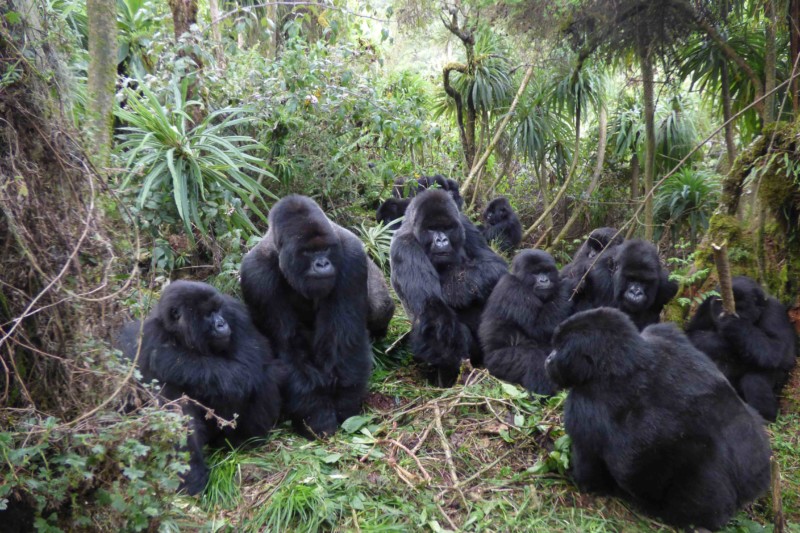
As of early 2026, mountain gorilla poaching has shifted from targeted killings to incidental snare injuries. The global population stands at 1,063 individuals, split between the Virunga Massif (approximately 604) and Bwindi-Sarambwe ecosystem (approximately 459).
This represents a remarkable recovery from fewer than 400 in the 1980s, driven by intensive gorilla poaching prevention efforts.
Direct poaching incidents remain low but not zero. In 2024–2025, Virunga rangers removed 46 snares in a single high-intensity operation and thousands annually across the massif.
In Bwindi, UWA’s HuGo teams and patrols intercepted poachers in the southern sector after the death of silverback Rafiki in 2023, leading to four arrests.
The 2025 Bwindi-Sarambwe census, launched in May 2025 under IGCP coordination, confirms that snare-related injuries continue to affect habituated and unhabituated groups alike.
Poaching pressure intensifies in M23-occupied sectors of Virunga National Park, where armed groups and civilian complicity have increased trap density.
Yet overall, gorilla poaching prevention has succeeded: commercial trade in gorilla parts has been virtually eliminated, and infant captures for the pet trade have dropped to near zero since 2013. The challenge now lies in scaling snare removal and addressing the poverty that drives bushmeat hunting.
Main Causes of Gorilla Poaching and Snare Risks
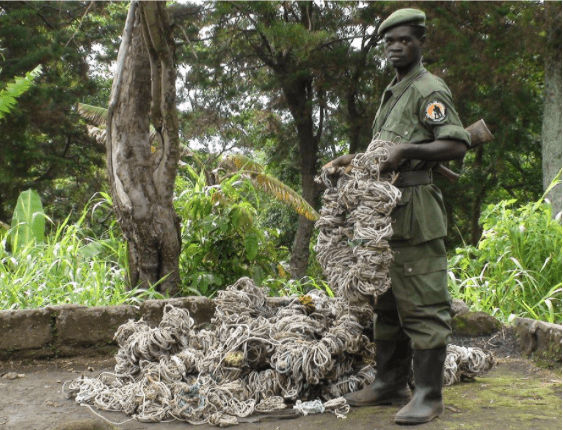
Gorilla poaching prevention begins with understanding the root drivers. Snares represent 95% of current threats because they are cheap, easy to set, and target other species.
Local hunters place thousands of wire loops along game trails inside and outside park boundaries. Gorillas, with their large hands and curious foraging behavior, frequently trigger them.
Poverty remains the underlying cause. In communities surrounding Bwindi and Virunga, average household income falls below $2 per day. Bushmeat provides quick protein and cash when crops fail.
Armed conflict in eastern DRC further weakens law enforcement, allowing poachers to operate with impunity in occupied park sectors.
Habitat compression forces gorillas into edge zones where snares are densest. Climate-driven food shortages push groups toward farmland, increasing exposure.
Weak border controls between Uganda, Rwanda, and DRC enable poachers to flee across frontiers. Finally, cultural factors in some areas still view wild meat as traditional, though education campaigns have reduced demand.
These causes rarely act alone. A single snare set for a duiker can maim a silverback, disrupt an entire family group, and trigger retaliatory human-gorilla conflict—creating a dangerous feedback loop that gorilla poaching prevention programs must break.
Where Gorilla Poaching Occurs
Gorilla poaching concentrates in the two remaining strongholds: the Virunga Massif and Bwindi Impenetrable National Park.
In the Virunga Volcanoes, spanning Rwanda’s Volcanoes National Park, Uganda’s Mgahinga Gorilla National Park, and DRC’s Virunga National Park, poaching hotspots cluster in the southern and central sectors.
M23-occupied zones in DRC have seen snare density rise sharply since 2021, with patrols covering 180,000 km in 2024–2025 yet still discovering new traps daily.
Bwindi Impenetrable National Park experiences pressure along its entire 321 km² boundary, particularly the southern Nkuringo sector and northern Buhoma area.
Steep terrain and dense vegetation make complete snare removal impossible without community help. Sarambwe Nature Reserve in DRC, linked to Bwindi, serves as a corridor but also a poaching transit route.
Mgahinga Gorilla National Park records fewer incidents due to its smaller size but remains vulnerable because of cross-border movement.
All sites share one trait: high human population density (over 700 people per km² in parts of Virunga) pushes hunting right up to the forest edge.
What Drives Gorilla Poaching?
Five interconnected forces drive ongoing gorilla poaching despite strict protection.
1. Bushmeat Demand and Poverty Subsistence hunters set snares for immediate food and income. In rural DRC and Uganda border communities, bushmeat sells for three times the price of domestic meat when available.
2. Armed Conflict and Weak Governance M23 activity in Virunga has reduced ranger access, allowing poachers to operate freely. Historical civil wars in the 1990s–2000s taught poachers that chaos creates opportunity.
3. Habitat Encroachment Farmers clearing land for potatoes and maize place snares to protect crops, inadvertently trapping gorillas.
4. Limited Alternative Livelihoods Without tourism jobs or beekeeping cooperatives, many families turn to the forest for survival.
5. Low Risk of Detection In remote sectors, patrols cannot cover every trail. A single snare costs less than $1 to make but can disable a gorilla for life.
Understanding these drivers allows gorilla poaching prevention to target both enforcement and economic alternatives—exactly the dual approach used by GoSilverback Safaris partners.
Impact of Poaching on Gorilla Populations
The effects of even one snare extend far beyond the injured animal. A trapped silverback may lose fingers or an entire hand, reducing his ability to lead and protect his group. Females with snare injuries show lower reproductive success; infants orphaned by poaching events suffer high mortality.
Group dynamics collapse when key individuals are removed. Inter-group aggression rises as survivors compete for shrinking space. Disease risk increases because wounded gorillas have compromised immune systems.
In Virunga, snare injuries have caused documented deaths and long-term disabilities, slowing the population’s natural growth rate of 3.7% per year.
Ecosystem-wide, reduced gorilla numbers impair seed dispersal and forest regeneration. The 1,063 remaining individuals represent a fragile genetic pool; losing even 10–20 adults to snares could trigger inbreeding depression.
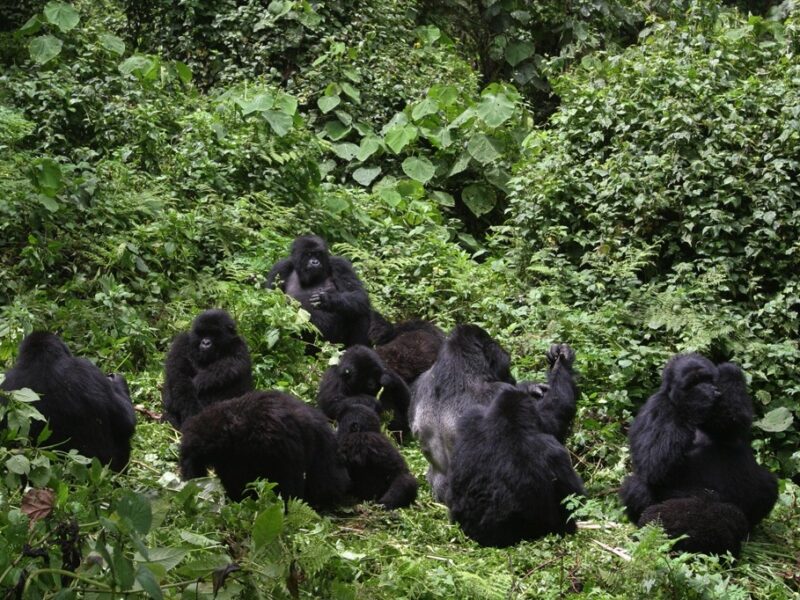
Yet the data also proves recovery is possible: since intensive gorilla poaching prevention began in the 1990s, the population has more than doubled. Every snare removed today protects not just one gorilla but future generations.
The Role of Rangers in Gorilla Protection
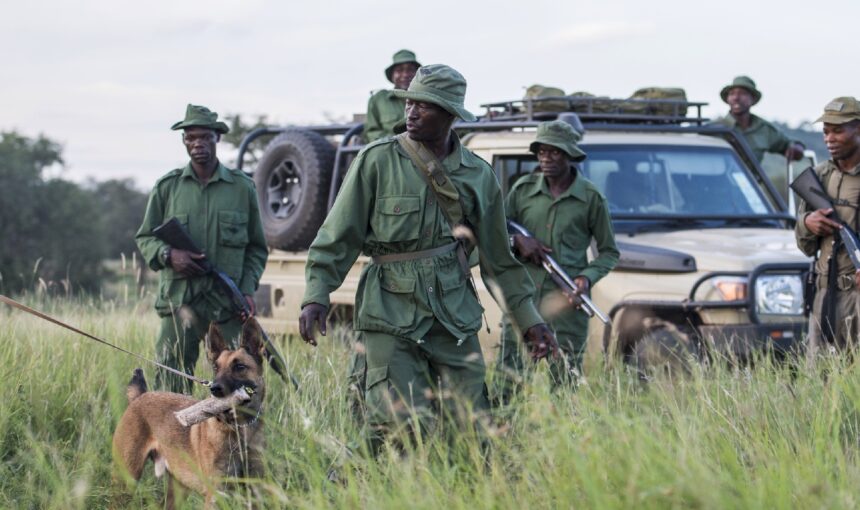
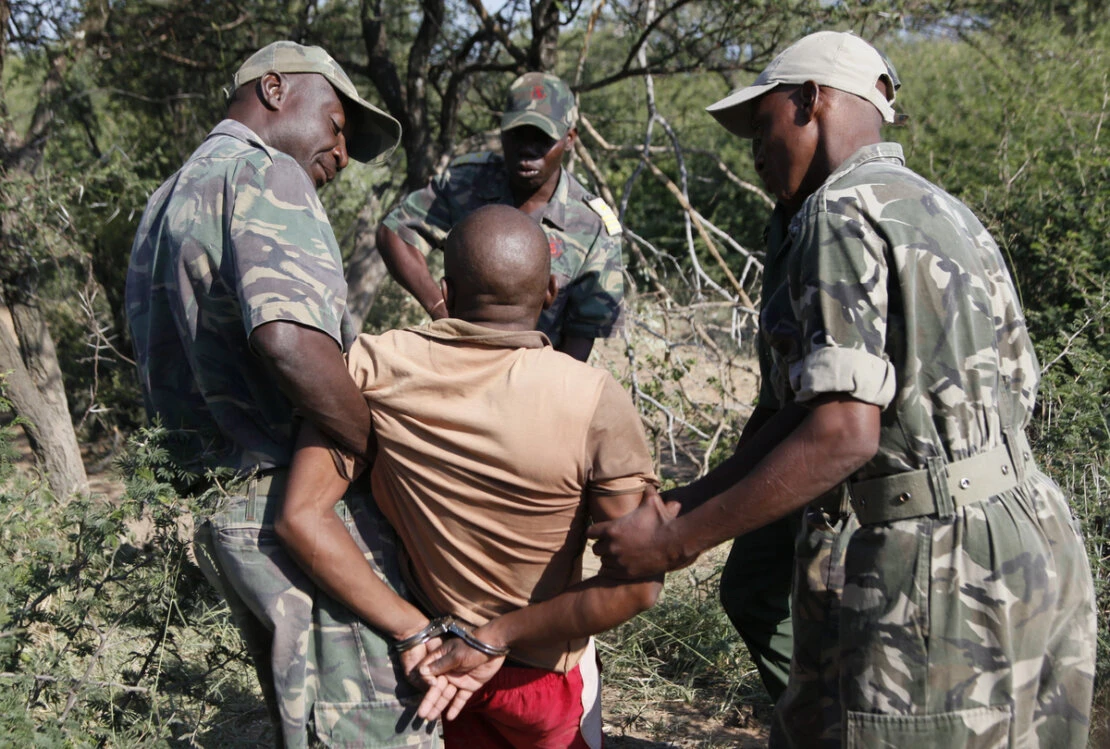
Park rangers form the frontline of gorilla poaching prevention. In Virunga National Park alone, rangers conduct daily foot patrols covering 25,000 km annually, often under threat from armed groups.
Equipped with GPS, drones, and community intelligence, they locate and destroy thousands of snares each year.
UWA rangers in Bwindi patrol with HuGo (Human-Gorilla Conflict Resolution) teams, combining law enforcement with community mediation. Rwanda Development Board rangers in Volcanoes National Park benefit from high tourism revenue, enabling better equipment and training.
Rangers do more than remove snares. They monitor habituated groups daily, collect health data, and deter encroachment. Many are local community members who once faced the same poverty drivers they now combat.
Their bravery—facing armed poachers, harsh terrain, and disease risk—makes every successful gorilla poaching prevention operation possible.
Anti-Poaching Strategies in Africa
Effective gorilla poaching prevention combines technology, community engagement, and enforcement.
Here are the seven proven strategies deployed across Bwindi and Virunga in 2026:
- Daily Ranger Patrols and Snare Sweeps Teams walk fixed transects, removing snares before animals encounter them. Virunga’s 2024–2025 operations removed 46 snares in one sweep alone.
- Community Intelligence Networks HuGo teams train local informants to report snare setters. Rewards for information have reduced illegal activity by 40% in pilot parishes.
- Technology Integration Drones, camera traps, and GPS collars provide real-time alerts. Virunga’s aerial surveillance covers 180,000 km annually.
- Alternative Livelihood Programs Beekeeping, chili fences, and tourism jobs replace bushmeat income. One beehive enterprise can generate $300–500 yearly per household.
- Transboundary Collaboration IGCP coordinates joint patrols across Uganda-Rwanda-DRC borders, preventing poachers from escaping enforcement.
- Legal Deterrence and Prosecution Swift arrests and community courts impose fines and jail time, creating visible consequences.
- Education and Cultural Shifts School programs and “gorilla naming” ceremonies turn former hunters into proud guardians.
These layered strategies have reduced snare incidents by over 60% in well-monitored sectors since 2015.
Role of Conservation Organizations
The International Gorilla Conservation Programme (IGCP)—a coalition of WWF, Fauna & Flora, and Conservation International—coordinates gorilla poaching prevention across all three countries. For 30+ years, IGCP has trained rangers, funded equipment, and facilitated the Greater Virunga Transboundary Collaboration.
Gorilla Doctors provides emergency veterinary response, treating snare wounds within hours. Uganda Wildlife Authority, Rwanda Development Board, and Institut Congolais pour la Conservation de la Nature (ICCN) execute on-ground enforcement. Dian Fossey Gorilla Fund focuses on long-term monitoring and research.
These organizations share data, standardize protocols, and ensure tourism revenue reaches the frontline. Their collaborative model has become a global benchmark for great-ape protection.
Community Involvement in Preventing Poaching
Local communities are the most effective gorilla poaching prevention partners. When families earn income from tourism or alternative livelihoods, poaching declines sharply.
In Bwindi, revenue-sharing programs direct 20% of gorilla permit fees to parishes for schools, clinics, and water tanks. Households near trekking trails earn 3–5 times more than distant ones and report 70% higher tolerance for gorillas.
Ruboni and Bwindi community camps employ former poachers as guides and porters. Beekeeping cooperatives teach sustainable honey production while using hives as natural deterrents. Cultural tourism—Batwa experiences and gorilla naming ceremonies—builds emotional ownership.
When communities see gorillas as living bank accounts rather than competitors, snare setting drops dramatically. This bottom-up approach delivers the most sustainable gorilla poaching prevention results.
How Gorilla Trekking Tourism Helps Stop Poaching
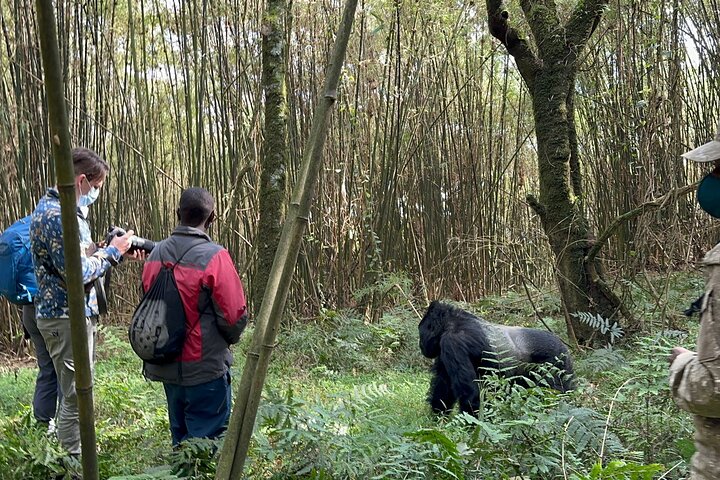
Gorilla trekking tourism generates the revenue that powers gorilla poaching prevention. Each $800 permit in Uganda or $1,500 in Rwanda funds ranger salaries, equipment, veterinary care, and community projects.
In 2025, tourism contributed tens of millions to park budgets. Uganda allocates 20% directly to adjacent communities; Rwanda invests heavily in buffer zones and patrols. Tourism creates thousands of jobs—guides, trackers, lodge staff, and artisans—reducing reliance on bushmeat.
Strict rules (7-meter distance, health screening, limited group size) minimize disturbance while habituation allows rapid snare detection. Habituated groups receive daily monitoring, enabling immediate rescues like Fazili’s.
Your trek does not just observe gorillas—it pays the salaries of the rangers who remove the snares that threaten them.
How Travelers Can Help Prevent Gorilla Poaching
Travelers play a direct role in gorilla poaching prevention through five practical actions:
- Book with ethical operators like GoSilverback Safaris that channel 20% of revenue to anti-poaching and communities.
- Follow trekking rules rigorously—masks, distance, and no illness—to protect gorilla health.
- Hire local porters and buy community crafts on-site.
- Support optional village walks and beehive projects.
- Share your experience responsibly on social media to amplify conservation messaging.
Every responsible booking strengthens the economic incentive that keeps snares out of the forest.
Challenges in Gorilla Poaching Prevention
Despite progress, gorilla poaching prevention faces persistent obstacles. Armed conflict in DRC limits patrol access. Climate change pushes gorillas and humans into greater overlap.
Limited funding in non-tourism sectors leaves gaps in enforcement. Poaching syndicates adapt quickly to new technology.
Cross-border coordination still encounters bureaucratic delays. Poverty remains entrenched in some parishes. Public awareness outside the region lags, reducing global pressure on governments.
These challenges demand continued innovation, funding, and international support—exactly what responsible tourism provides.
Future of Gorilla Protection
By 2030, experts project the mountain gorilla population could reach 1,200–1,500 if gorilla poaching prevention scales successfully.
Expanded buffer zones, AI-driven snare detection, and climate-resilient livelihoods will reduce threats. Tourism revenue is expected to grow, funding advanced monitoring and community enterprises.
The Greater Virunga Transboundary Collaboration offers a model for other species. With sustained commitment from travelers, rangers, and organizations, the story of gorilla poaching prevention will continue as one of the greatest conservation successes of our time.
Frequently Asked Questions
Is gorilla poaching still a threat in 2026?
Yes, but primarily through snares rather than direct killing. With 1,063 mountain gorillas remaining, ongoing snare removal by rangers and HuGo teams is essential for continued population growth.
How does gorilla trekking tourism prevent poaching?
Each $800 gorilla permit funds ranger patrols, snare removal, and community jobs. Tourism revenue has helped double the population since the 1980s by creating economic alternatives to bushmeat hunting.
What is the HuGo program?
HuGo (Human-Gorilla Conflict Resolution) deploys community rangers to respond to crop raiding and snare incidents. It combines enforcement with education and has reduced retaliatory poaching in Bwindi by 40% in pilot areas.
How many snares are removed each year?
Virunga rangers remove thousands annually; one 2024 operation alone cleared 46 snares. Bwindi and Volcanoes teams conduct similar daily sweeps.
Can tourists visit gorillas safely despite poaching risks?
Yes. Habituated groups receive daily protection. Strict health protocols and professional guides ensure visitor safety while supporting anti-poaching efforts on the ground.
What happened to gorilla Fazili in 2025?
Young gorilla Fazili from Virunga’s Bageni group was twice rescued from snares in March and October 2025. Gorilla Doctors and rangers removed the wires and treated injuries; he successfully rejoined his family.
Do communities benefit from gorilla tourism revenue?
Yes. Uganda directs 20% of permit fees to adjacent parishes for schools, health clinics, and water projects, directly reducing poaching incentives.
Are snares the only poaching threat?
Primarily yes. Direct commercial poaching is rare, but snares set for bushmeat remain the leading cause of injury and death among mountain gorillas.
How can I choose an operator that supports poaching prevention?
Select GoSilverback Safaris or IGCP-partnered companies. Ask about revenue transparency, community projects, and ranger support—key indicators of genuine gorilla poaching prevention commitment.
What technology helps rangers fight poaching?
Drones, GPS tracking, camera traps, and aerial surveillance now cover 180,000 km annually in Virunga, enabling faster snare detection and response.
Will gorilla poaching ever stop completely?
With sustained tourism funding, community livelihoods, and transboundary cooperation, incidents can be reduced to near zero. The population recovery to 1,063 proves it is achievable.
How does climate change affect gorilla poaching prevention?
Droughts push gorillas toward farms and increase bushmeat demand. Conservation now integrates climate-smart buffers and water projects to keep both species out of conflict zones.
Conclusion
Gorilla poaching prevention has transformed mountain gorillas from the brink of extinction to a symbol of hope. From 1,063 resilient individuals to thousands of snares removed annually, the progress is real and measurable.
Yet the work continues: every patrol, every community project, and every responsible traveler matters.
At GoSilverback Safaris, we do not simply offer gorilla treks—we deliver experiences that fund the very rangers and communities preventing the next snare. Your journey protects the mist-shrouded slopes of Bwindi and the volcanic peaks of Virunga while creating lasting local prosperity.
Secure your gorilla permit today through GoSilverback Safaris. Limited permits sell out months in advance, and every booking directly supports gorilla poaching prevention on the ground.
Contact our team now to customize your private gorilla trekking safari—whether a 7-day Uganda primate adventure or a multi-country Virunga experience.
The gorillas cannot wait. Book with confidence, trek with purpose, and become part of the solution these magnificent apes so urgently need.